Department of Medicine, Baylor College of Medicine, Houston, TX, USA.
Department of Pathology, Baylor College of Medicine, Houston, TX, USA; Dan L Duncan Comprehensive Cancer Center, Baylor College of Medicine, Houston, TX, USA.
Cancer Lett. 2022 Apr 10;531:71-82. doi: 10.1016/j.canlet.2022.01.028. Epub 2022 Feb 3.
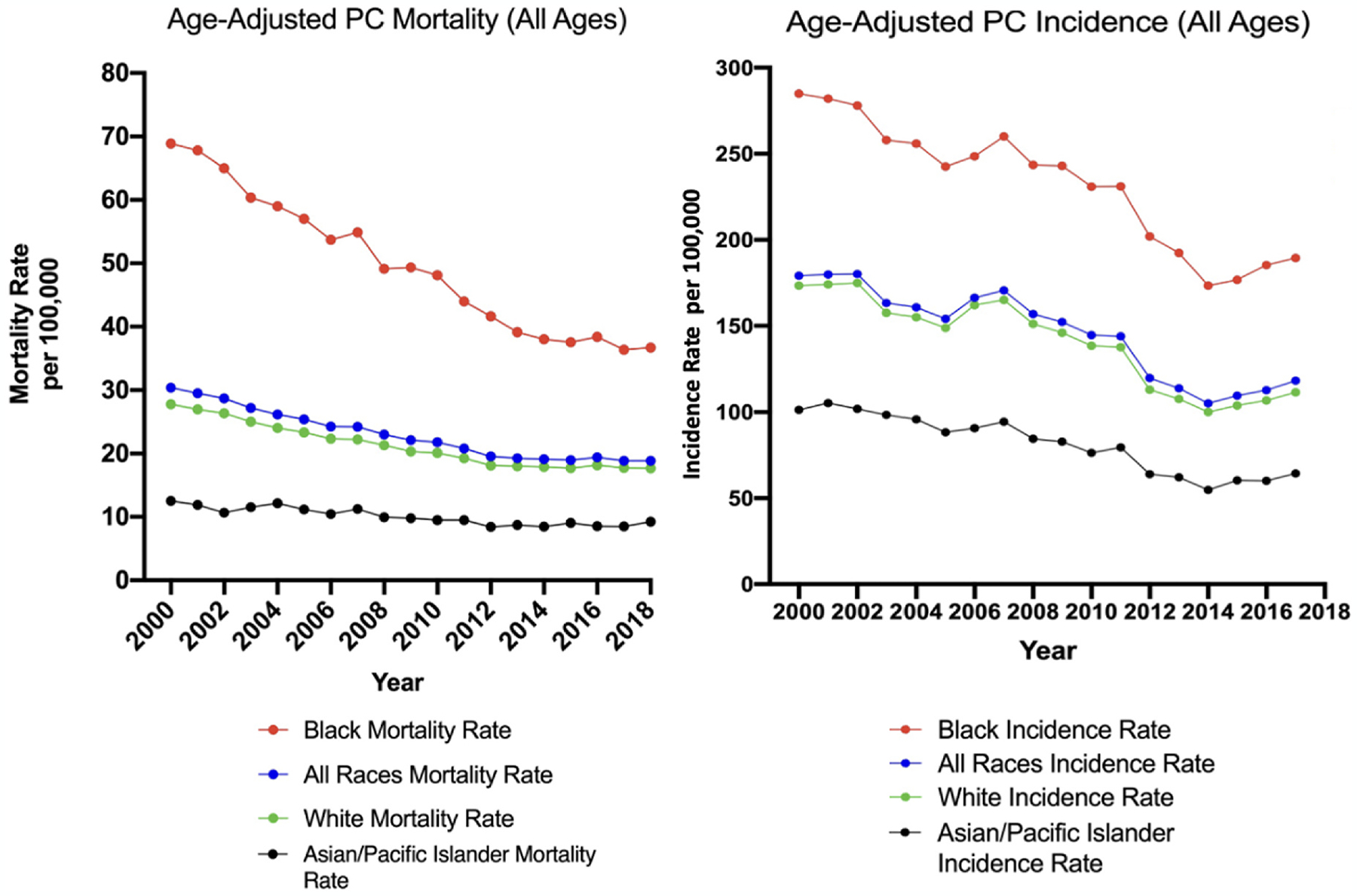
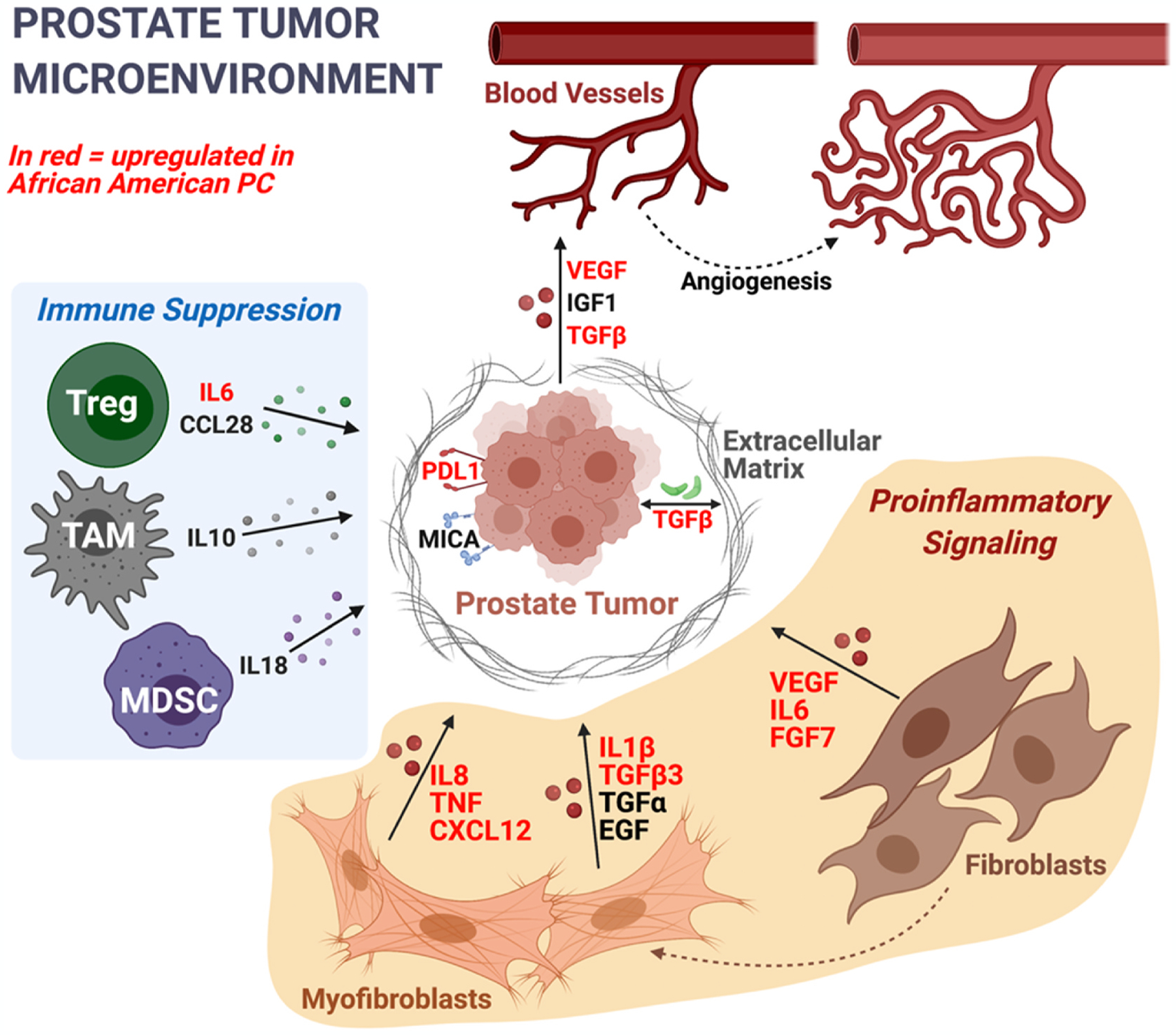
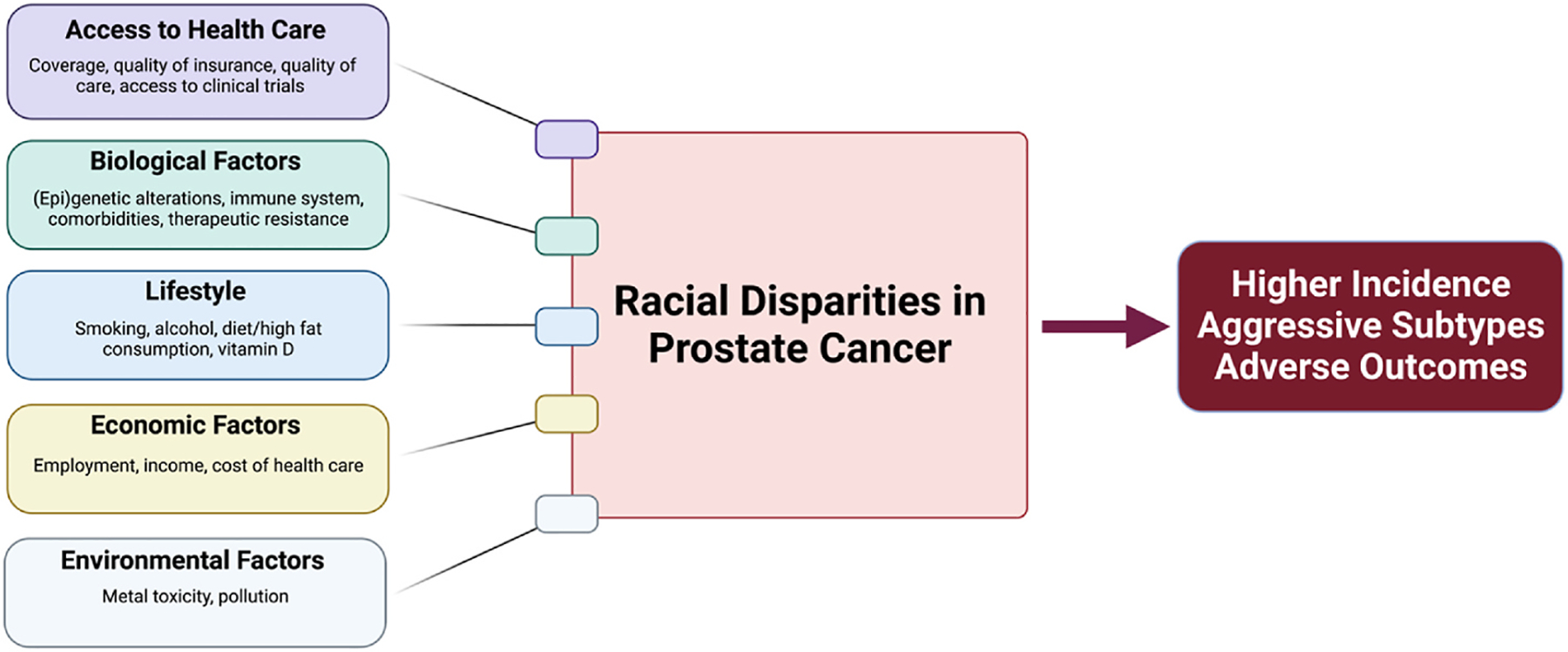
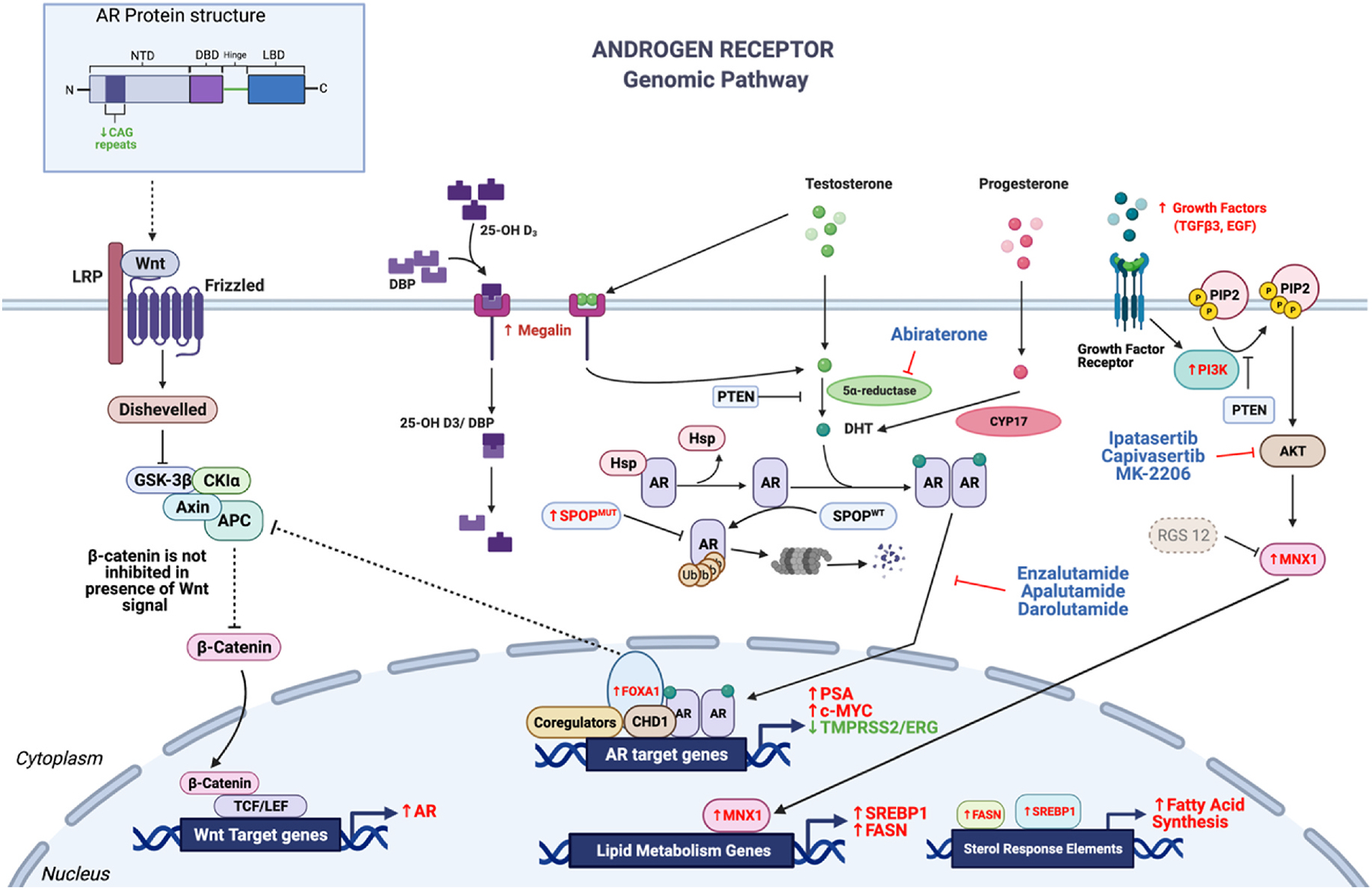
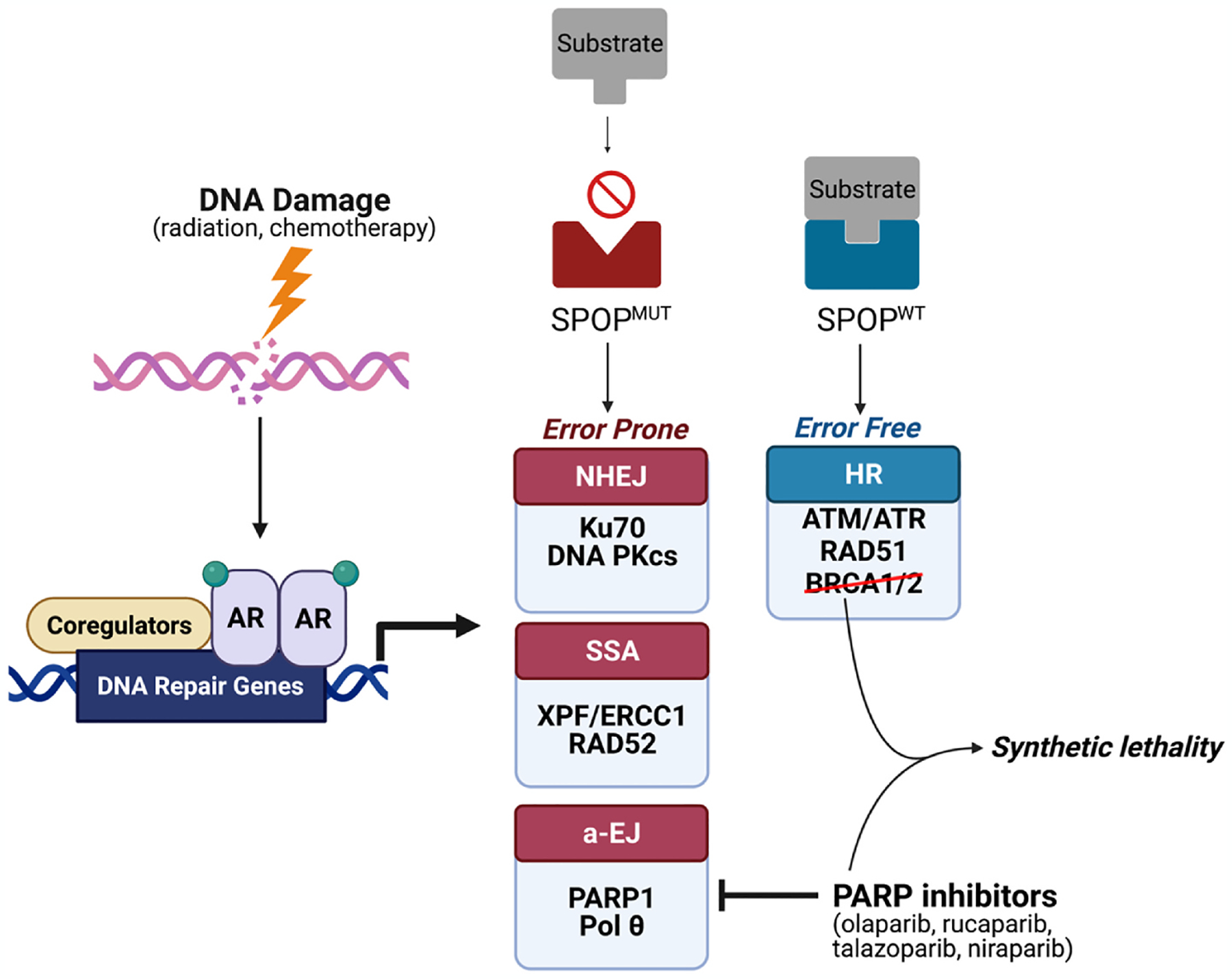
The largest US cancer health disparity exists in prostate cancer, with Black men having more than a two-fold increased risk of dying from prostate cancer compared to all other races. This disparity is a result of a complex network of factors including socioeconomic status (SES), environmental exposures, and genetics/biology. Inequity in the US healthcare system has emerged as a major driver of disparity in prostate cancer outcomes and has raised concerns that the actual incidence rates may be higher than current estimates. However, emerging studies argue that equalizing healthcare access will not fully eliminate racial health disparities and highlight the important role of biology. Significant differences have been observed in prostate cancer biology between ancestral groups that may contribute to prostate cancer health disparities. Notably, relative to White men, Black men with prostate cancer exhibit increased androgen receptor signaling, genomic instability, metabolic dysregulation, and inflammatory and cytokine signaling. Immediate actions are needed to increase multi-center, interdisciplinary research to bridge the gap between social and biological determinants of prostate cancer health disparities.
美国最大的癌症健康差异存在于前列腺癌中,与其他所有种族相比,黑人男性死于前列腺癌的风险增加了两倍多。这种差异是社会经济地位(SES)、环境暴露和遗传/生物学等多种因素复杂网络的结果。美国医疗保健系统的不平等已成为前列腺癌结果差异的主要驱动因素,并引发了人们的担忧,即实际发病率可能高于目前的估计。然而,新兴研究表明,平等获得医疗保健并不能完全消除种族健康差异,并强调生物学的重要作用。在前列腺癌生物学方面,不同的祖源群体之间存在显著差异,这可能导致前列腺癌健康差异。值得注意的是,与白人男性相比,患有前列腺癌的黑人男性表现出雄激素受体信号增加、基因组不稳定性、代谢失调以及炎症和细胞因子信号。需要立即采取行动,增加多中心、跨学科的研究,以弥合社会和生物决定因素导致的前列腺癌健康差异之间的差距。