Guo Rong, Deng Miao, He Xuan, Li Mengmeng, Li Jiaxin, He Penghui, Liu Houqin, Li Man, Zhang Zhirong, He Qin
Key Laboratory of Drug-Targeting and Drug Delivery System of the Education Ministry and Sichuan Province, Sichuan Engineering Laboratory for Plant-Sourced Drug and Sichuan Research Center for Drug Precision Industrial Technology, West China School of Pharmacy, Sichuan University, Chengdu 610041, China.
Acta Pharm Sin B. 2022 Jan;12(1):467-482. doi: 10.1016/j.apsb.2021.05.012. Epub 2021 Jun 16.
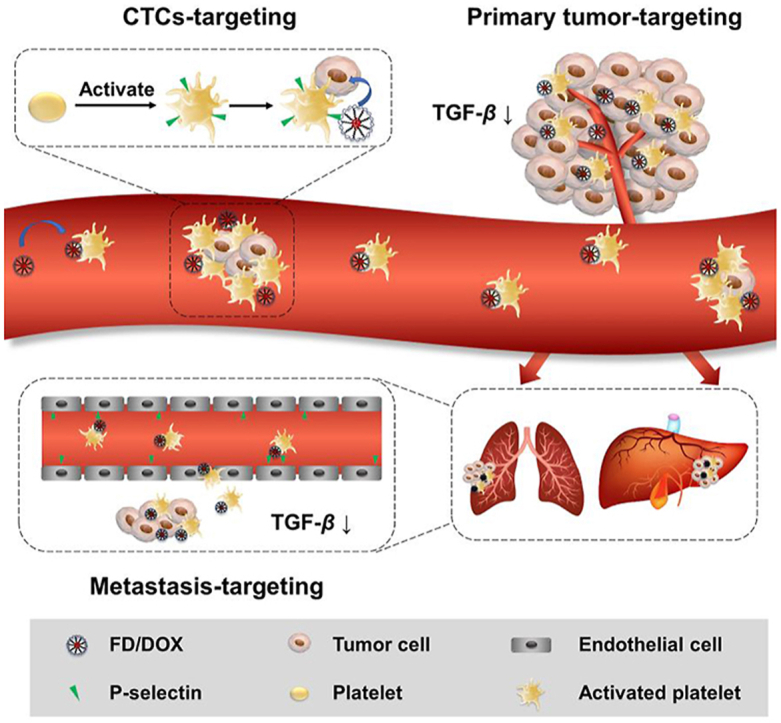
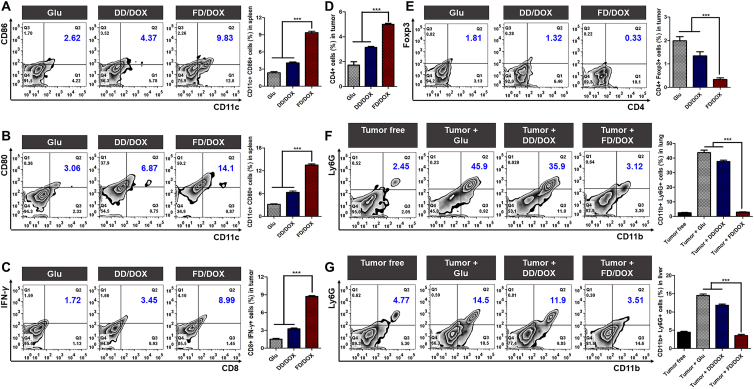
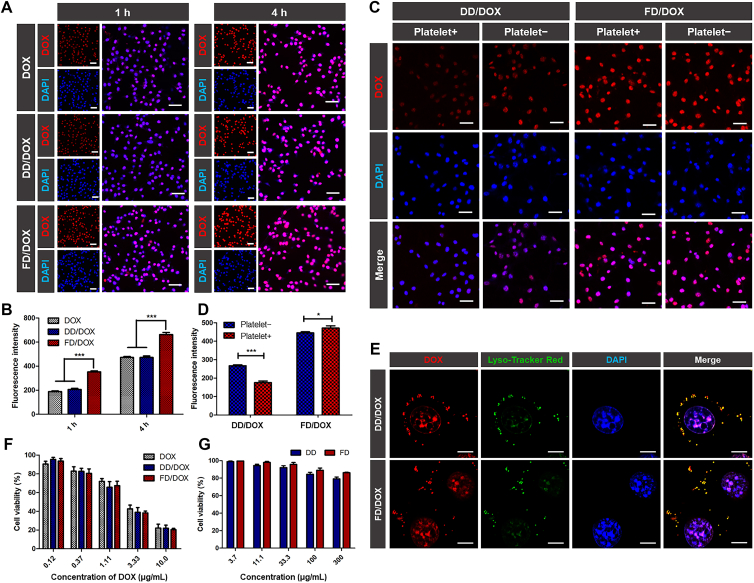
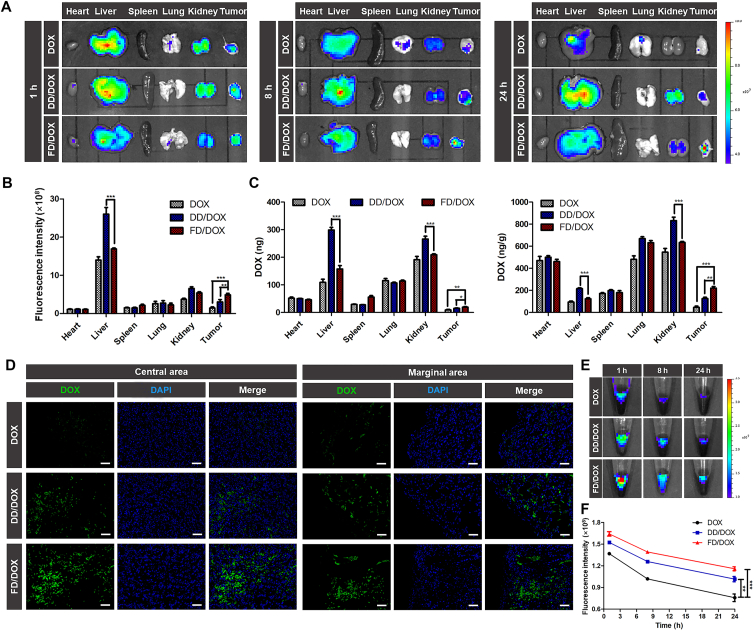
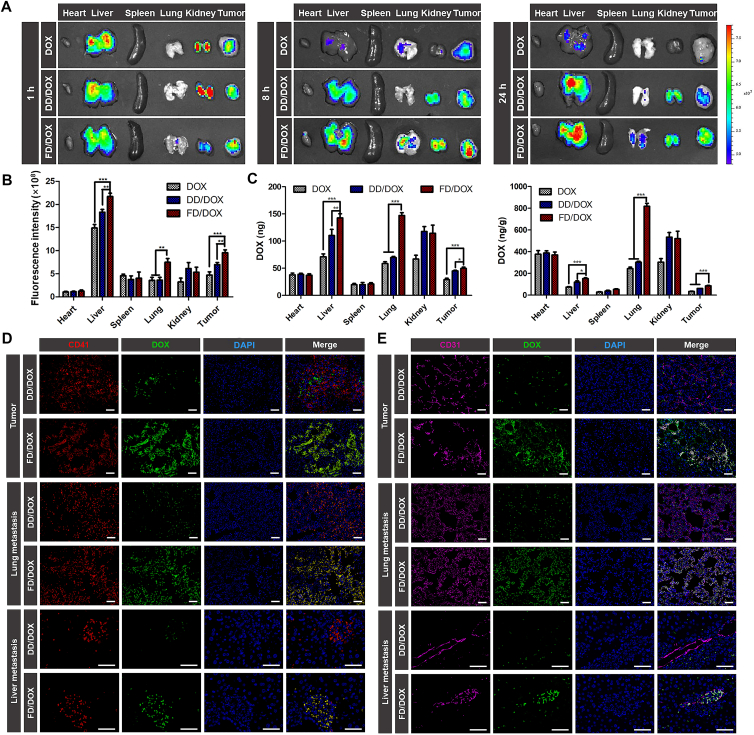
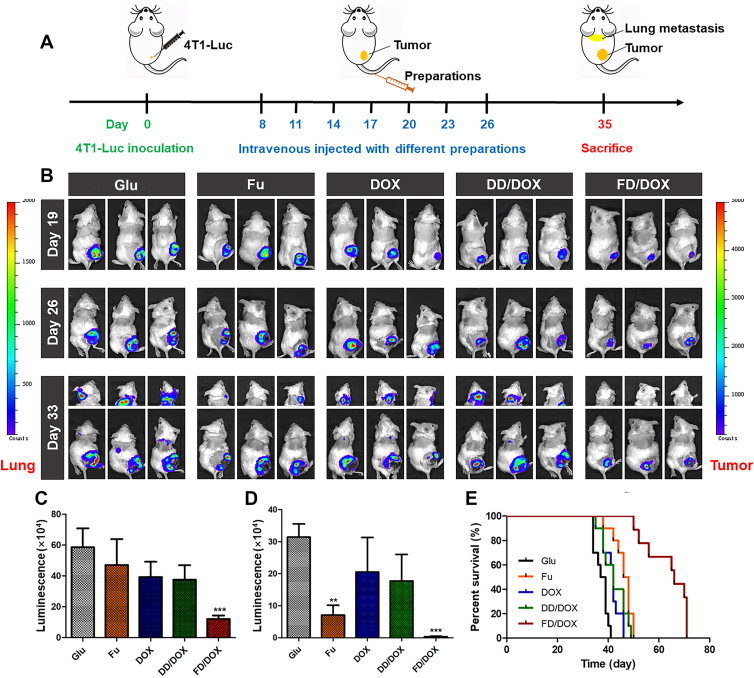
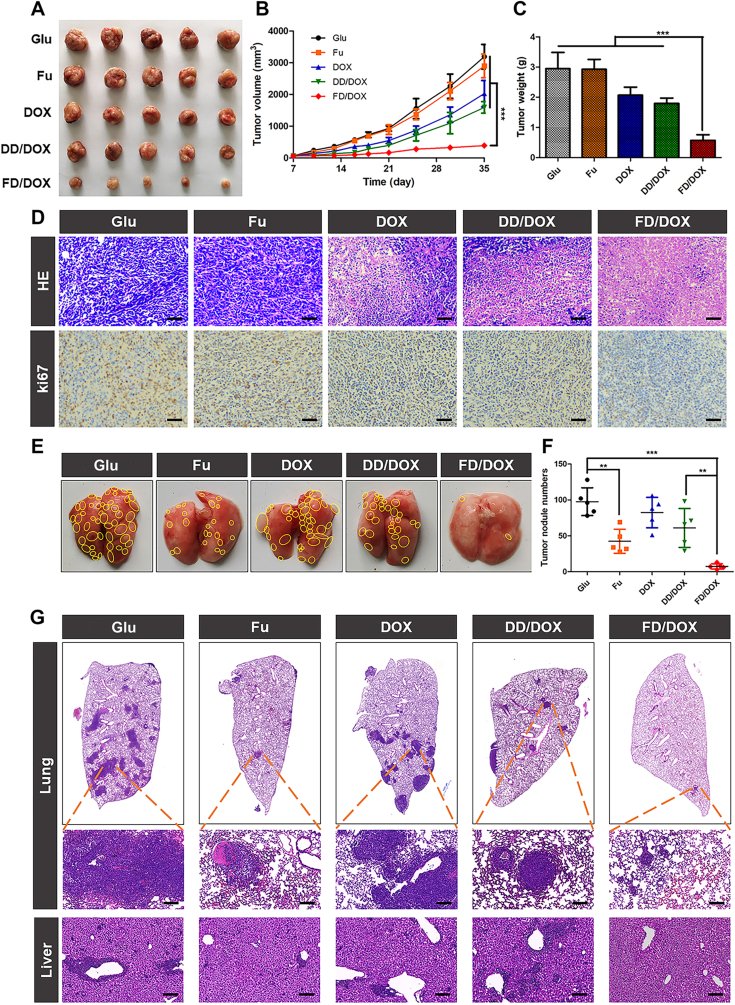
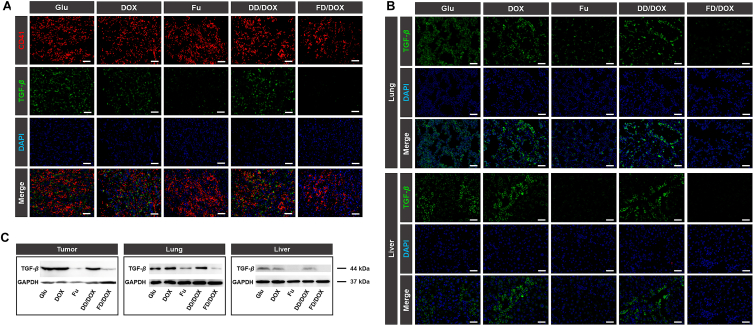
Tumor metastasis is responsible for most mortality in cancer patients, and remains a challenge in clinical cancer treatment. Platelets can be recruited and activated by tumor cells, then adhere to circulating tumor cells (CTCs) and assist tumor cells extravasate in distant organs. Therefore, nanoparticles specially hitchhiking on activated platelets are considered to have excellent targeting ability for primary tumor, CTCs and metastasis in distant organs. However, the activated tumor-homing platelets will release transforming growth factor- (TGF-), which promotes tumor metastasis and forms immunosuppressive microenvironment. Therefore, a multitalent strategy is needed to balance the accurate tumor tracking and alleviate the immunosuppressive signals. In this study, a fucoidan-functionalized micelle (FD/DOX) was constructed, which could efficiently adhere to activated platelets through P-selectin. Compared with the micelle without P-selectin targeting effect, FD/DOX had increased distribution in both tumor tissue and metastasis niche, and exhibited excellent anti-tumor and anti-metastasis efficacy on 4T1 spontaneous metastasis model. In addition, due to the contribution of fucoidan, FD/DOX treatment was confirmed to inhibit the expression of TGF-, thereby stimulating anti-tumor immune response and reversing the immunosuppressive microenvironment. The fucoidan-functionalized activated platelets-hitchhiking micelle was promising for the metastatic cancer treatment.
肿瘤转移是癌症患者死亡的主要原因,并且仍然是临床癌症治疗中的一项挑战。肿瘤细胞可募集并激活血小板,随后血小板黏附于循环肿瘤细胞(CTC)并协助肿瘤细胞在远处器官外渗。因此,特别搭载于活化血小板上的纳米颗粒被认为对原发性肿瘤、CTC及远处器官转移具有优异的靶向能力。然而,活化的肿瘤归巢血小板会释放转化生长因子-(TGF-),其促进肿瘤转移并形成免疫抑制微环境。因此,需要一种多管齐下的策略来平衡精确的肿瘤追踪并减轻免疫抑制信号。在本研究中,构建了一种岩藻依聚糖功能化的胶束(FD/DOX),其可通过P-选择素有效黏附于活化血小板。与无P-选择素靶向作用的胶束相比,FD/DOX在肿瘤组织和转移灶中的分布均增加,并在4T1自发转移模型上展现出优异的抗肿瘤和抗转移疗效。此外,由于岩藻依聚糖的作用,证实FD/DOX处理可抑制TGF-的表达,从而刺激抗肿瘤免疫反应并逆转免疫抑制微环境。岩藻依聚糖功能化的活化血小板搭载胶束在转移性癌症治疗方面具有前景。