Nabgan Walid, Nabgan Bahador, Tuan Abdullah Tuan Amran, Ikram Muhammad, Jadhav Arvind H, Jalil Aishah Abdul, Ali Mohamad Wijayanuddin
School of Chemical and Energy Engineering, Faculty of Engineering, Universiti Teknologi Malaysia, 81310 Skudai, Johor, Malaysia.
Centre of Hydrogen Energy, Institute of Future Energy, Universiti Teknologi Malaysia, 81310 Skudai, Johor, Malaysia.
ACS Omega. 2022 Jan 20;7(4):3324-3340. doi: 10.1021/acsomega.1c05488. eCollection 2022 Feb 1.
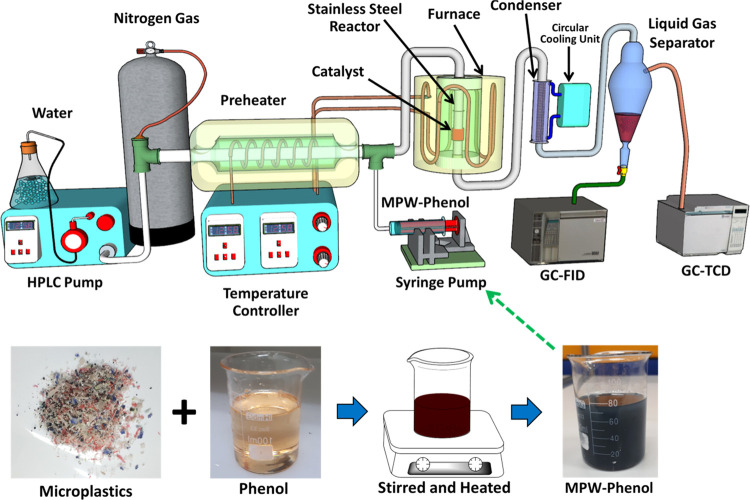
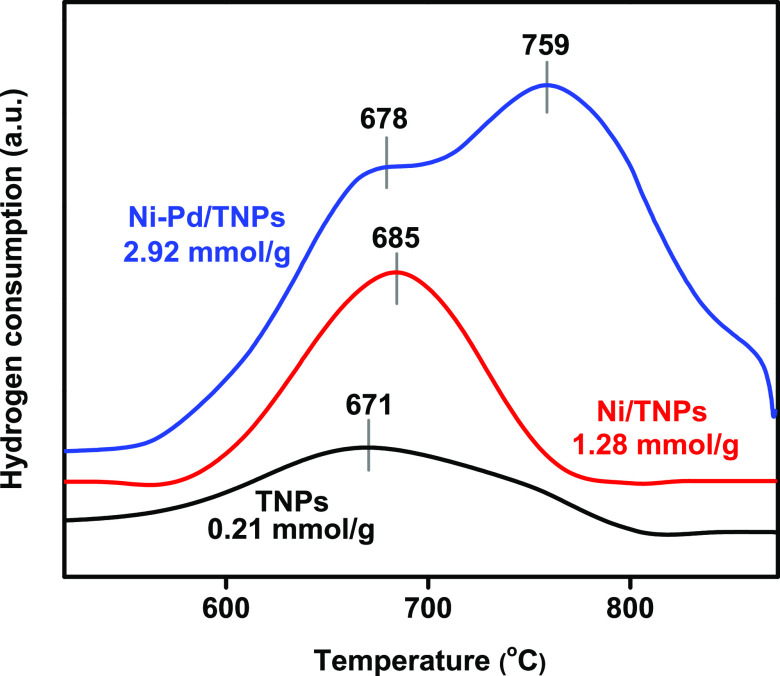
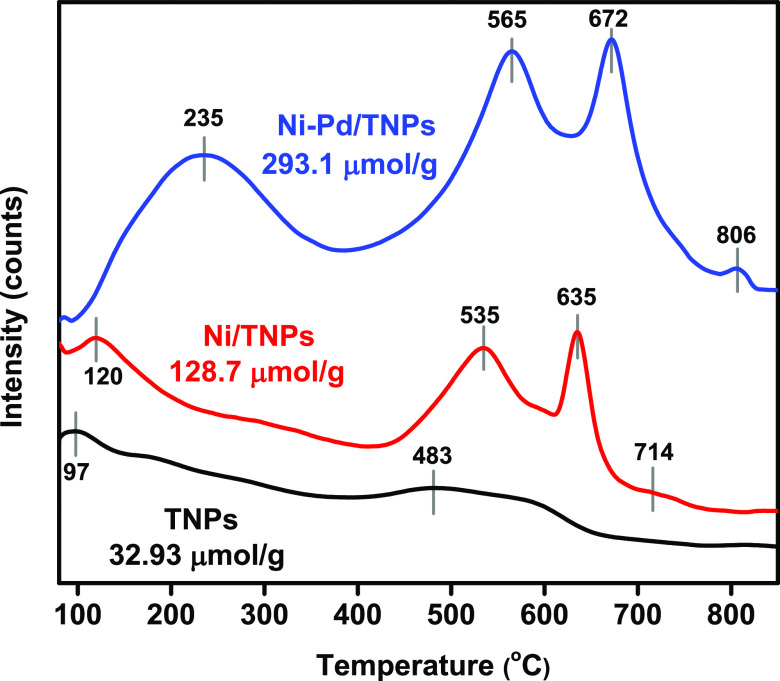
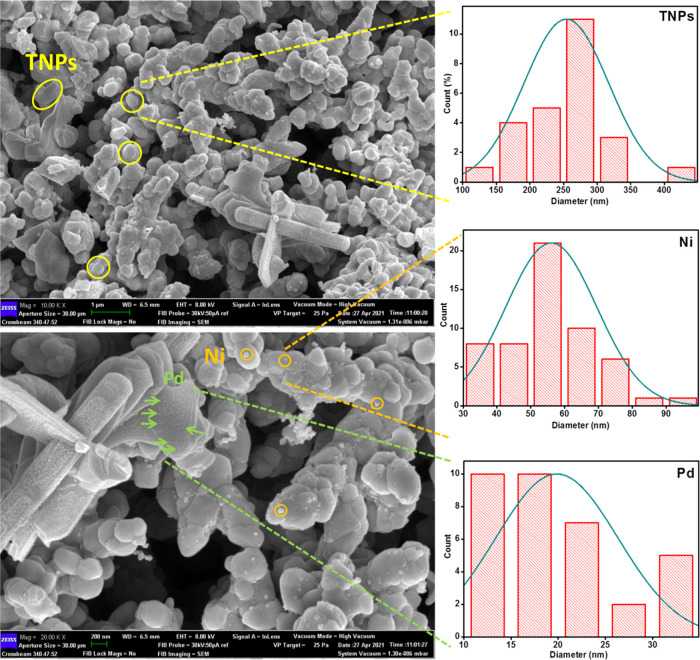
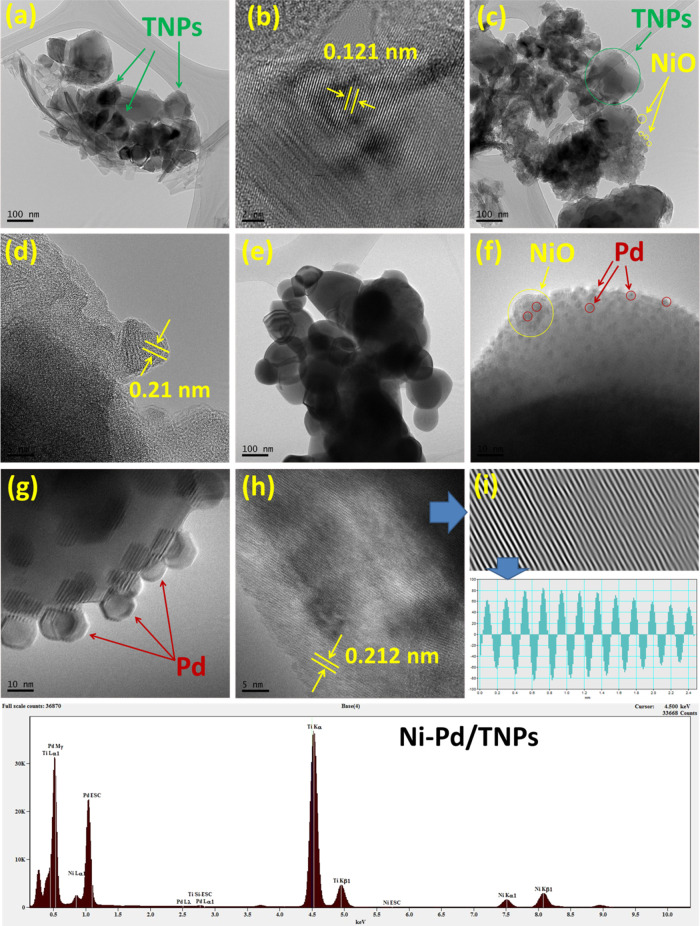
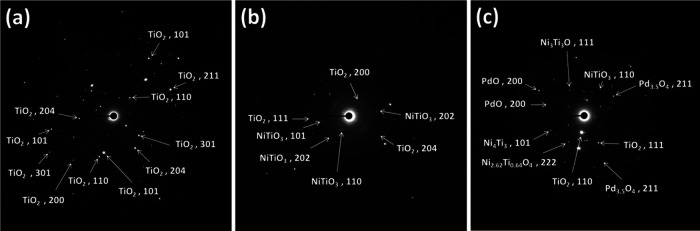
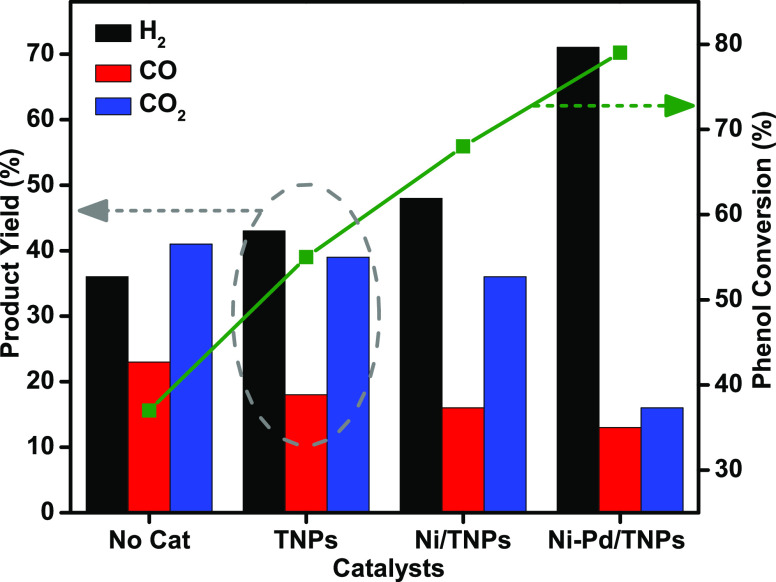
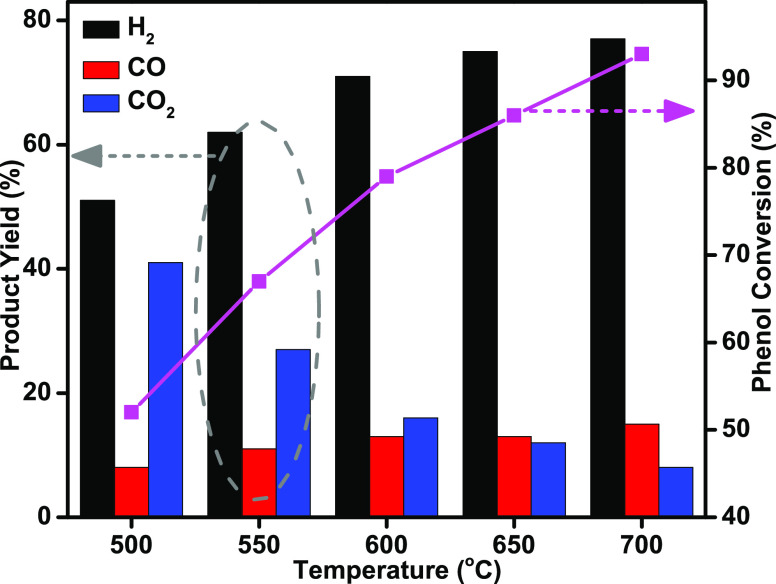
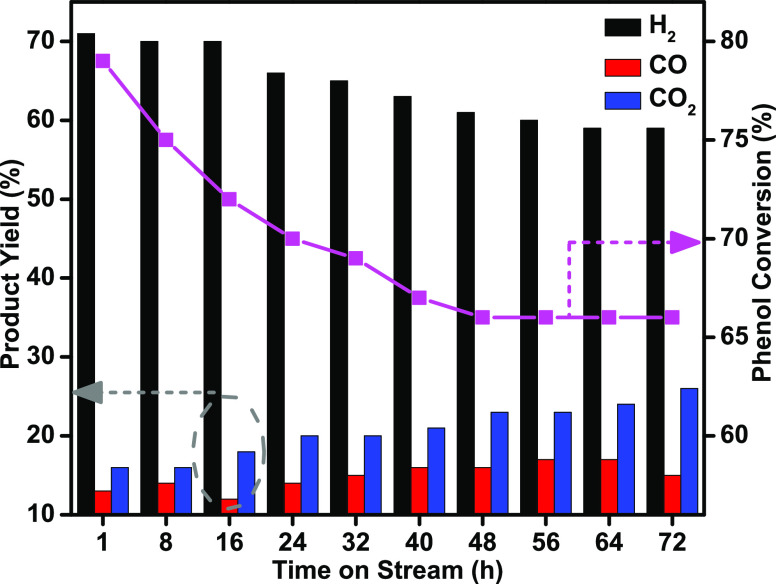
Solvent-based recycling of plastic can offer the main improvement when it is employed for pyrolysis-catalytic steam reforming. In this research, plastic waste dissolved in phenol was used as a feed for catalytic cracking and steam reforming reactions for valuable liquid fuels and hydrogen production, which is gaining the attention of researchers globally. Microplastic wastes (MPWs) are tiny plastic particles that arise due to product creation and breakdown of larger plastics. They can be found mainly in several habitats, including seas and freshwater ecosystems. MPWs harm aquatic species, turtles, and birds and were chosen to recover in this study that can be reacted on the catalyst surface. Biphasic anatase-rutile TiO with spherical-shaped support for Ni and Pd metals with nanosized particles was synthesized via the hydrothermal treatment method, and its chemical and physical properties were characterized accordingly. According to temperature-programmed desorption of carbon dioxide (CO-TPD) and temperature-programmed reduction of hydrogen (H-TPR) results, the incorporation of Pd into Ni/TNPs enhanced the basicity of the support surface and the redox properties of catalysts, which were strongly linked to the improved hydrogen yield (71%) and phenol conversion (79%) at 600 °C. The Ni-Pd/TNPs nanocatalyst, with remarkable stability for 72 h of time on stream, is a promising catalyst for the MPW-phenol cracking and steam reforming reactions toward H production for clean energy generation and other environmental applications. Besides, this study has also highlighted the opportunities of overcoming the risk of microplastic waste and converting it into valuable fuels such as decamethyltetrasiloxane, phenanthrene, methyl palmitate, benzenepropanoic acid, benzoic acid, azulene, xanthene, anisole, biphenyl, phthalic acid, diisooctyl phthalate, etc.
当用于热解催化蒸汽重整时,基于溶剂的塑料回收可以带来主要的改进。在本研究中,溶解在苯酚中的塑料废料被用作催化裂化和蒸汽重整反应的原料,用于生产有价值的液体燃料和氢气,这正引起全球研究人员的关注。微塑料废料(MPWs)是由于较大塑料的产品制造和分解而产生的微小塑料颗粒。它们主要存在于包括海洋和淡水生态系统在内的几个栖息地中。MPWs会危害水生物种、海龟和鸟类,本研究选择回收这些可以在催化剂表面发生反应的物质。通过水热法合成了具有球形载体、负载纳米级镍和钯金属的双相锐钛矿-金红石TiO,并对其化学和物理性质进行了相应表征。根据二氧化碳程序升温脱附(CO-TPD)和氢气程序升温还原(H-TPR)结果,在Ni/TNPs中引入Pd增强了载体表面的碱性和催化剂的氧化还原性能,这与600℃时提高的氢气产率(71%)和苯酚转化率(79%)密切相关。Ni-Pd/TNPs纳米催化剂在72小时的连续运行中具有显著的稳定性,是一种有前途的催化剂,可用于MPW-苯酚裂解和蒸汽重整反应以制氢,用于清洁能源生产和其他环境应用。此外,本研究还突出了克服微塑料废料风险并将其转化为诸如十甲基四硅氧烷、菲、棕榈酸甲酯、苯丙酸、苯甲酸、薁、呫吨、苯甲醚、联苯、邻苯二甲酸、邻苯二甲酸二异辛酯等有价值燃料的机会。