Sangpatch Tapanee, Supakata Nuta, Kanokkantapong Vorapot, Jongsomjit Bunjerd
Biotechnology Program, Faculty of Science, Chulalongkorn University, Bangkok, Thailand.
Department of Environmental Science, Faculty of Science, Chulalongkorn University, Bangkok, Thailand.
Heliyon. 2019 Aug 17;5(8):e02324. doi: 10.1016/j.heliyon.2019.e02324. eCollection 2019 Aug.
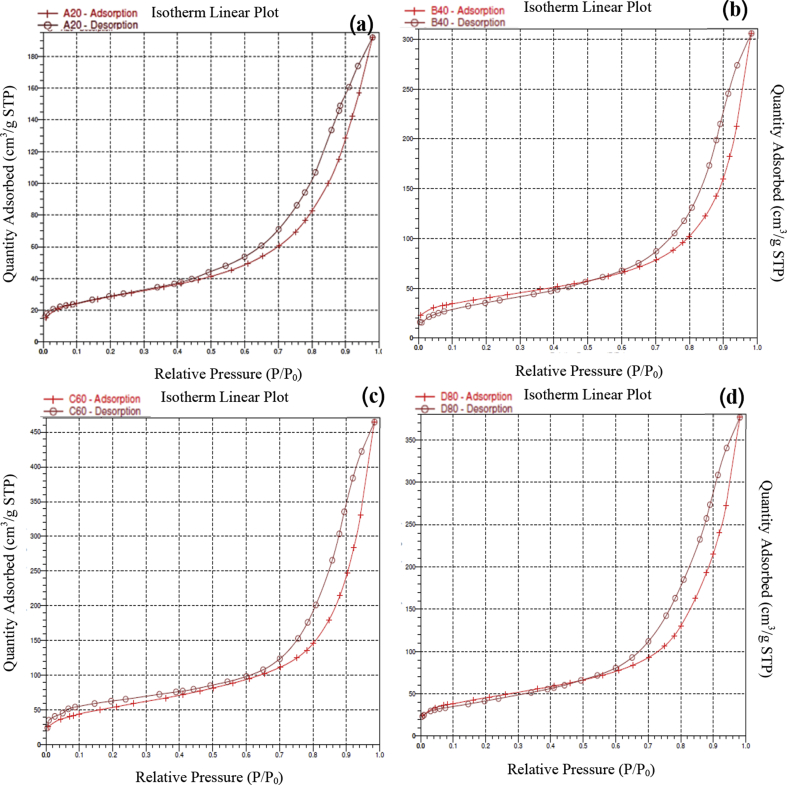
This research investigated pyrolysis as a potential method to manage plastic waste in Sichang Island, Thailand. Pyrolysis was chosen to convert waste plastic into fuel oil using Al-Si catalysts derived from cogon grass. The study consisted of three stages. The first stage determined the composition of the waste plastics found in Sichang Island. High-density polyethylene (48%) comprised the highest proportion of the waste plastics, followed by low-density polyethylene (22%), polyethylene terephthalate (13%), polypropylene (10%), and polystyrene (7%). In the second stage, the Al-Si catalysts were prepared from cogon grass ( (L.) Beauv) by treating it with acid and calcination. The optimum conditions to extract silica from cogon grass through acid treatment were heating at 700 °C for 2 h, which yielded 97.7% of amorphous silica with a surface area of 172 m/g and a pore volume of 0.43 cc/g. This amorphous silica was combined with an aluminum precursor to form Al-Si catalysts with 20-80 wt% of Al-Si. The results showed that the surface area of the catalyst increased with increasing aluminum content. The optimum ratio was 60 wt% of Al-Si with a surface area of 200 m/g. In the final stage, the catalytic properties of the previously prepared Al-Si catalysts in the pyrolysis of waste plastics were evaluated. The catalyst enhanced the plastic cracking process and the oil yield while decreasing the reaction time. The optimum ratio of 60% Al-Si to 10% waste plastic provided the maximum oil yield of 93.11% and the minimum reaction time of 20 min. The results showed that catalytic cracking with 60% Al-Si contributed to a high quantity of oil yield, similar to using a commercial Al-Si catalyst. The results of this research will be applied as an alternative method of recycling plastic for sustainable waste management in Sichang Island.
本研究调查了热解作为泰国西昌岛处理塑料垃圾的一种潜在方法。选择热解是为了使用源自粽叶芦的铝硅催化剂将废塑料转化为燃料油。该研究包括三个阶段。第一阶段确定了在西昌岛发现的废塑料的组成。高密度聚乙烯(48%)在废塑料中占比最高,其次是低密度聚乙烯(22%)、聚对苯二甲酸乙二酯(13%)、聚丙烯(10%)和聚苯乙烯(7%)。在第二阶段,通过用酸处理并煅烧,从粽叶芦((L.) Beauv)制备铝硅催化剂。通过酸处理从粽叶芦中提取二氧化硅的最佳条件是在700℃加热2小时,得到97.7%的无定形二氧化硅,其表面积为172 m/g,孔体积为0.43 cc/g。这种无定形二氧化硅与铝前驱体结合形成铝硅含量为20 - 80 wt%的铝硅催化剂。结果表明,催化剂的表面积随着铝含量的增加而增加。最佳比例是铝硅含量为60 wt%,表面积为200 m/g。在最后阶段,评估了先前制备的铝硅催化剂在废塑料热解中的催化性能。该催化剂增强了塑料裂解过程和油产量,同时缩短了反应时间。60%铝硅与10%废塑料的最佳比例提供了93.11%的最大油产量和20分钟的最短反应时间。结果表明,60%铝硅的催化裂解有助于获得大量的油产量,类似于使用商业铝硅催化剂。本研究结果将作为一种回收塑料的替代方法,用于西昌岛可持续的废物管理。