Lustig A J, Petes T D
Proc Natl Acad Sci U S A. 1986 Mar;83(5):1398-402. doi: 10.1073/pnas.83.5.1398.
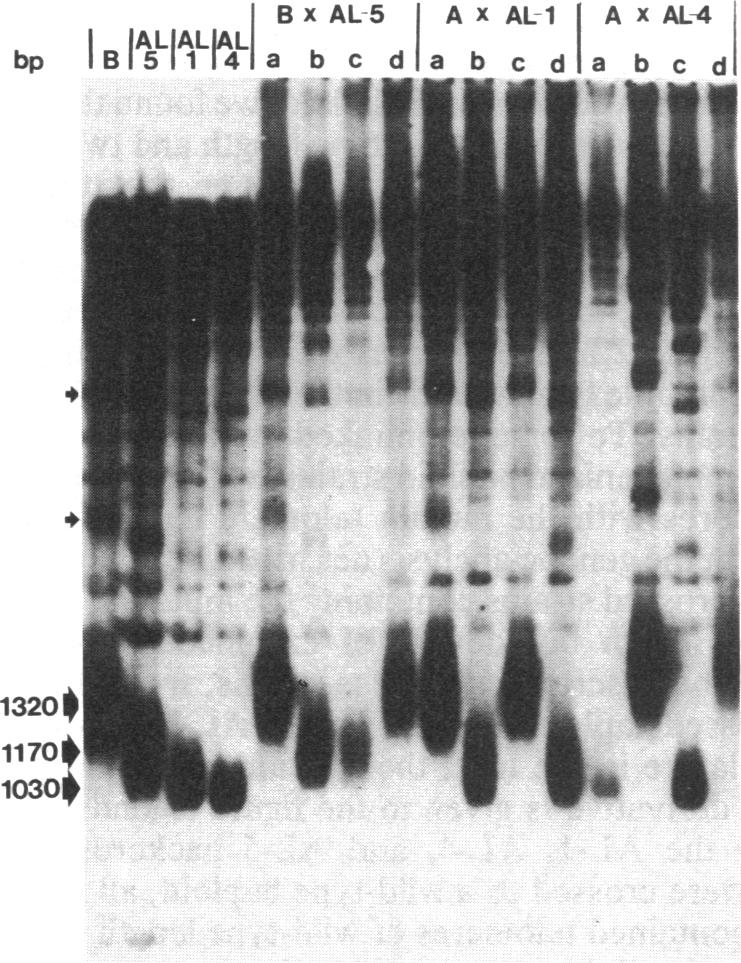
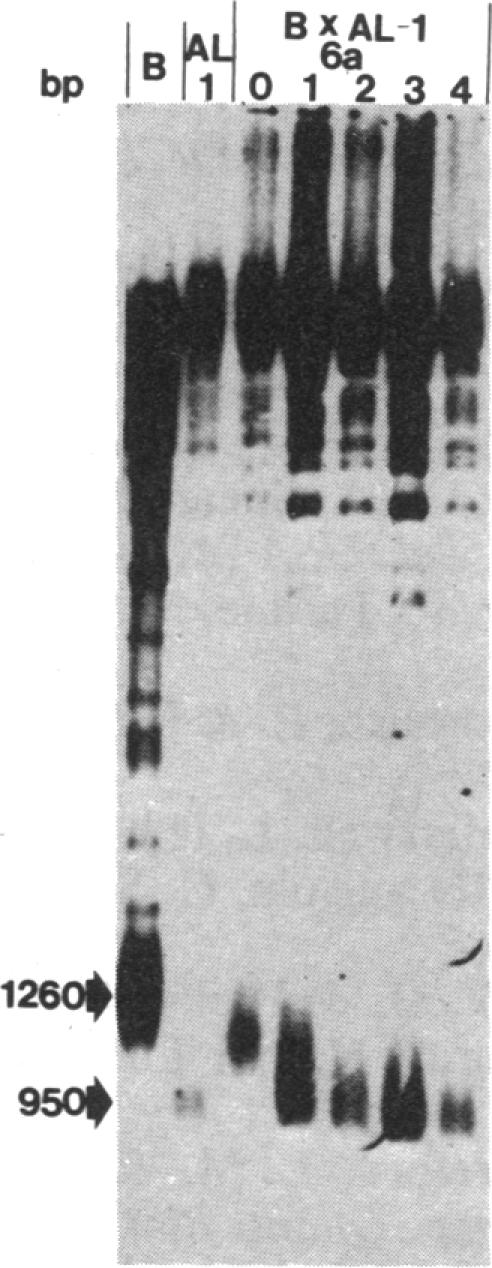
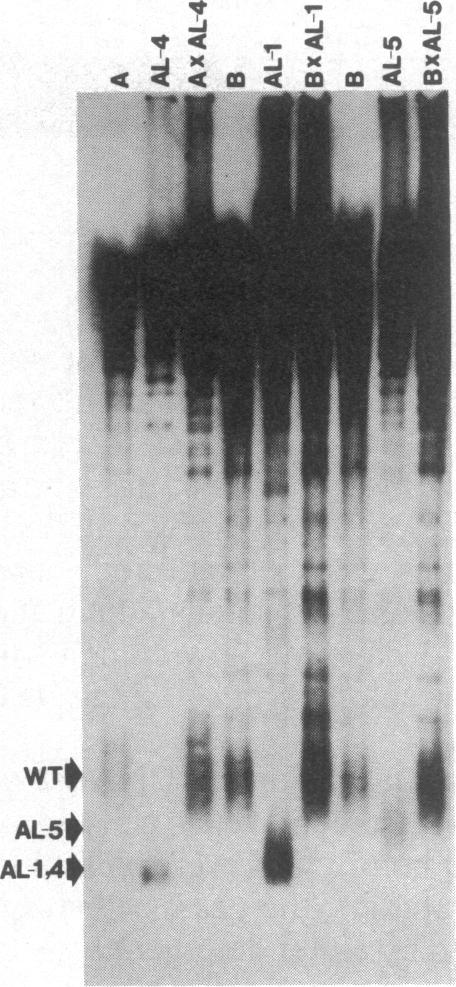
The chromosomes of the yeast Saccharomyces cerevisiae terminate in a tract of simple-sequence DNA [poly(C1-3A)] that is several hundred base pairs long. We describe the identification of mutant yeast strains that have telomeric tracts that are shorter than normal. A genetic analysis of these strains indicates that these short telomeres are the result of single nuclear recessive mutations and that these mutations can be classified into two different complementation groups. The full expression of the mutant phenotype shows a very long lag (approximately equal to 150 cell divisions). From our analysis of these mutants as well as other data, we suggest that the duplication of the telomeric poly(C1-3A) tract involves two processes, semiconservative replication and untemplated terminal addition of nucleotides.
酿酒酵母的染色体末端是一段长达数百个碱基对的简单序列DNA[聚(C1-3A)]。我们描述了对端粒序列比正常情况短的酵母突变菌株的鉴定。对这些菌株的遗传分析表明,这些短端粒是单核隐性突变的结果,并且这些突变可分为两个不同的互补群。突变表型的完全表达显示出很长的延迟期(约等于150个细胞分裂周期)。通过对这些突变体的分析以及其他数据,我们认为端粒聚(C1-3A)序列的复制涉及两个过程,即半保留复制和核苷酸的无模板末端添加。