Institute of Biophysics-CNR, 16149 Genova, Italy.
Cells. 2022 Jan 21;11(3):366. doi: 10.3390/cells11030366.
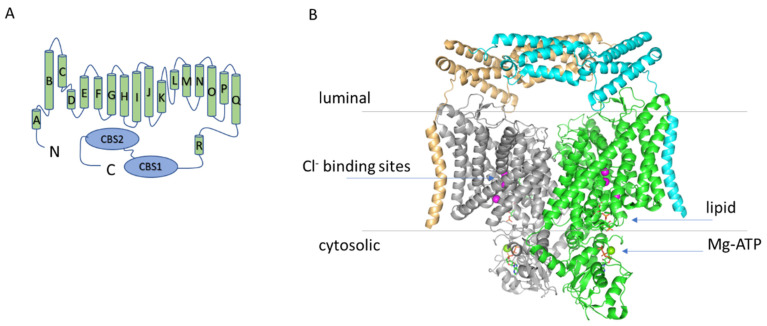
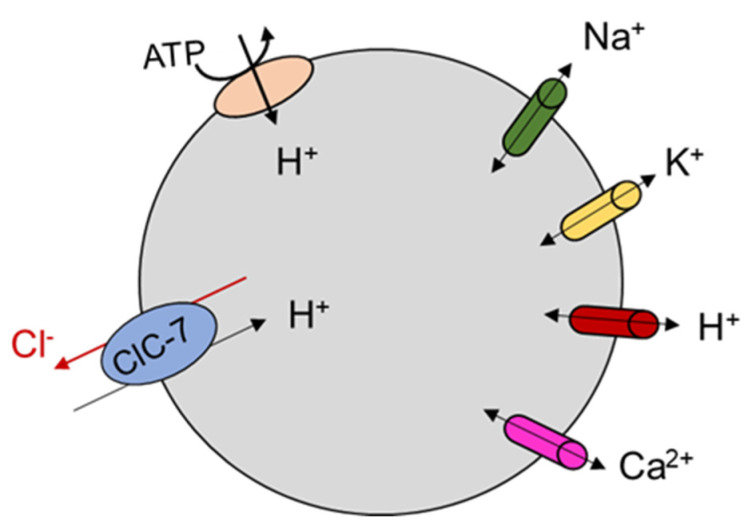
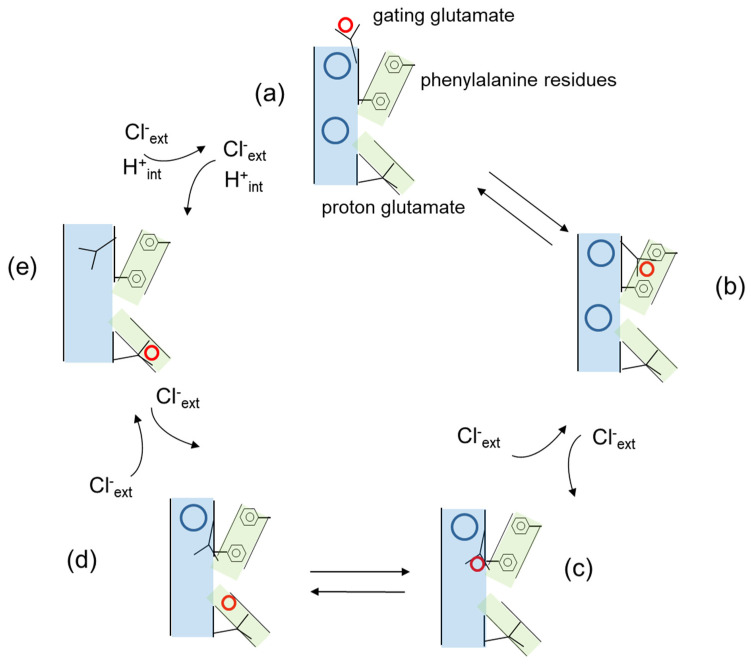
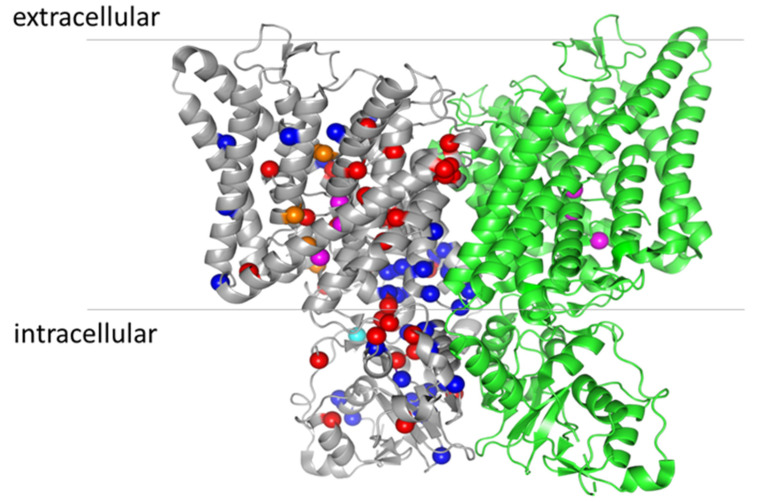
CLC proteins comprise Cl channels and anion/H antiporters involved in several fundamental physiological processes. ClC-7 is a lysosomal Cl/H antiporter that together with its beta subunit Ostm1 has a critical role in the ionic homeostasis of lysosomes and of the osteoclasts' resorption lacuna, although the specific underlying mechanism has so far remained elusive. Mutations in ClC-7 cause osteopetrosis, but also a form of lysosomal storage disease and neurodegeneration. Interestingly, both loss-of- and gain-of-function mutations of ClC-7 can be pathogenic, but the mechanistic implications of this finding are still unclear. This review will focus on the recent advances in our understanding of the biophysical properties of ClC-7 and of its role in human diseases with a focus on osteopetrosis and neurodegeneration.
CLC 蛋白家族包括氯离子通道和阴离子/质子反向转运体,它们参与了多种基本的生理过程。ClC-7 是溶酶体氯离子/质子反向转运体,与它的β亚基 Ostm1 一起,在溶酶体和破骨细胞的吸收陷窝的离子动态平衡中起着关键作用,尽管其具体的潜在机制迄今仍不清楚。ClC-7 的突变会导致骨质增生症,但也会导致一种溶酶体贮积症和神经退行性疾病。有趣的是,ClC-7 的功能丧失和功能获得突变都可能是致病的,但这一发现的机制意义仍不清楚。这篇综述将重点介绍我们对 ClC-7 的生物物理特性及其在人类疾病中的作用的最新认识,重点是骨质增生症和神经退行性疾病。