Błażewicz Anna, Grywalska Ewelina, Macek Paweł, Mertowska Paulina, Mertowski Sebastian, Wojnicka Julia, Durante Nicolo, Makarewicz Agata
Department of Pathobiochemistry and Interdisciplinary Applications of Ion Chromatography, Medical University of Lublin, 1 Chodźki Street, 20-093 Lublin, Poland.
Department of Experimental Immunology, Medical University of Lublin, 4a Chodźki Street, 20-093 Lublin, Poland.
J Clin Med. 2022 Jan 24;11(3):579. doi: 10.3390/jcm11030579.
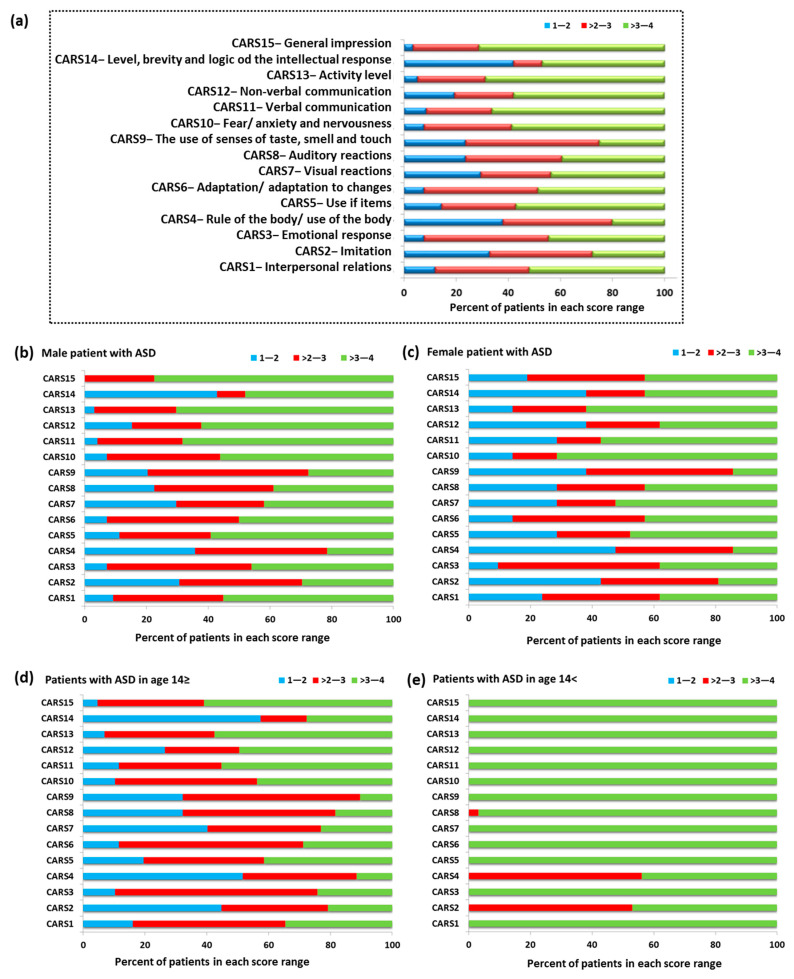
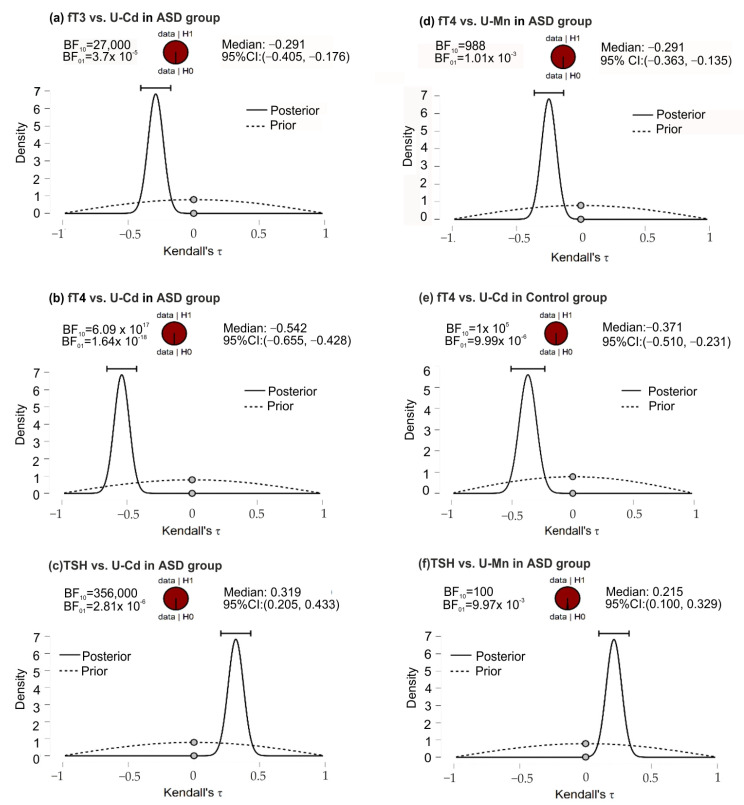
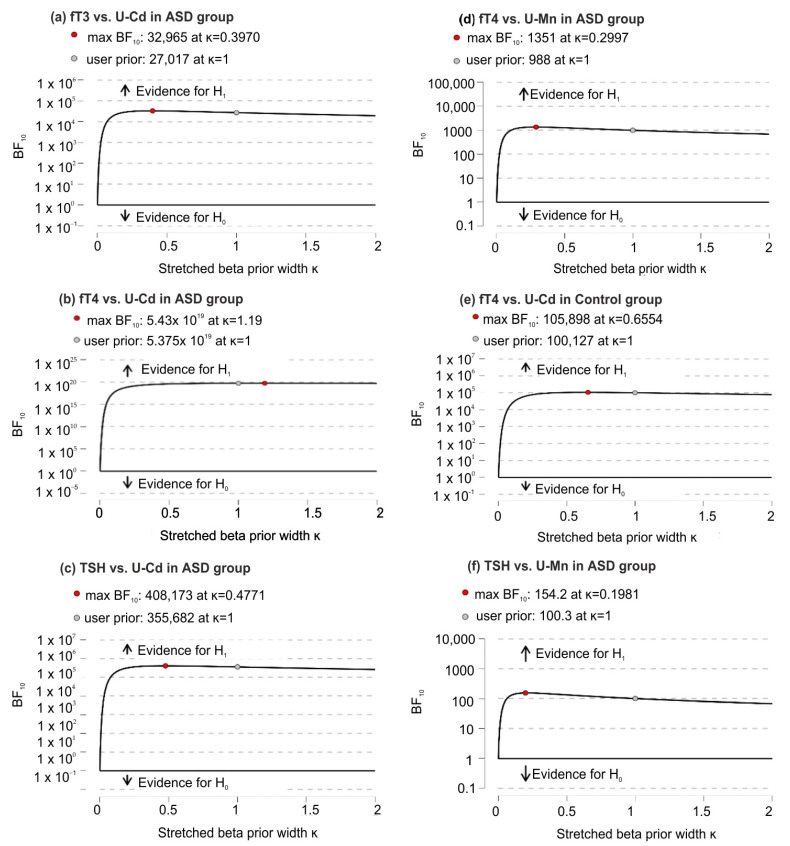
Thyroid dysfunction and toxic metal exposure have been linked to the increased risk of autism spectrum disorders (ASD); however, the relationship between those factors remains unclear. We aimed to evaluate the relationship between the serum level of hormones, namely thyroid-stimulating hormone (TSH), free triiodothyronine (fT3), free thyroxine (fT4), and urinary cadmium (U-Cd) and urinary manganese (U-Mn), in patients with ASD. The study group consisted of 129 adolescents with ASD, and the control group consisted of 86 healthy persons. Ion chromatography with spectrophotometric detection (IC-UV/ViS) was used to quantitatively determine Cd and Mn in all 24-h urine samples. These results indicate that severity of certain symptoms in autism is associated with thyroid function. Correlation analysis between Childhood Autism Rating Scale (CARS) results and the content of both U-Mn and U-Cd as well as fT3, fT4 and TSH values in ASD patients showed significantly positive correlation of CARS7 (visual reaction) with fT3 and fT4 and a negative correlation with TSH for the whole study group. In the group of adolescents over 14 years of age, it was also observed that CARS10 (anxiety reaction) negatively correlates with serum TSH levels, and among younger individuals, CARS9 (near receptor responsiveness, taste, smell) positively correlates with TSH.
甲状腺功能障碍和接触有毒金属与自闭症谱系障碍(ASD)风险增加有关;然而,这些因素之间的关系仍不清楚。我们旨在评估ASD患者血清激素水平,即促甲状腺激素(TSH)、游离三碘甲状腺原氨酸(fT3)、游离甲状腺素(fT4)与尿镉(U-Cd)和尿锰(U-Mn)之间的关系。研究组由129名患有ASD的青少年组成,对照组由86名健康人组成。采用离子色谱-分光光度检测法(IC-UV/ViS)对所有24小时尿液样本中的镉和锰进行定量测定。这些结果表明,自闭症某些症状的严重程度与甲状腺功能有关。对自闭症患者的儿童自闭症评定量表(CARS)结果与U-Mn和U-Cd含量以及fT3、fT4和TSH值进行相关性分析,结果显示,整个研究组中,CARS7(视觉反应)与fT3和fT4呈显著正相关,与TSH呈负相关。在14岁以上的青少年组中,还观察到CARS10(焦虑反应)与血清TSH水平呈负相关,而在较年轻个体中,CARS9(近受体反应性、味觉、嗅觉)与TSH呈正相关。