Archer Maddison, Dasari Pallave, Walsh David, Britt Kara L, Evdokiou Andreas, Ingman Wendy V
Discipline of Surgical Specialties, Adelaide Medical School, The Queen Elizabeth Hospital, University of Adelaide, Adelaide, SA 5011, Australia.
Robinson Research Institute, University of Adelaide, Adelaide, SA 5001, Australia.
J Clin Med. 2022 Feb 2;11(3):799. doi: 10.3390/jcm11030799.
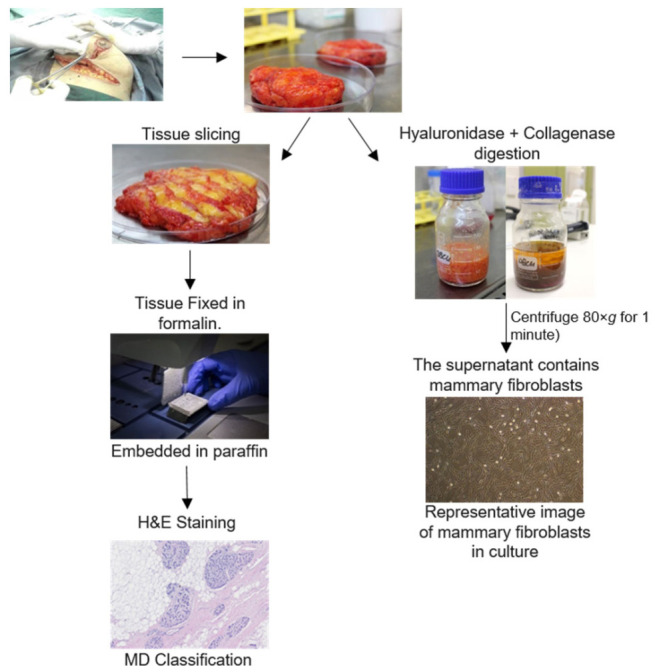
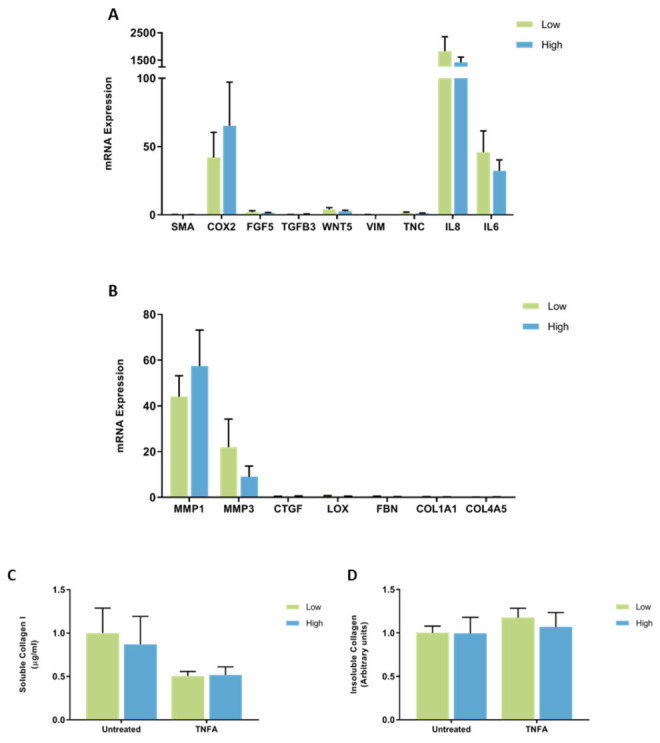
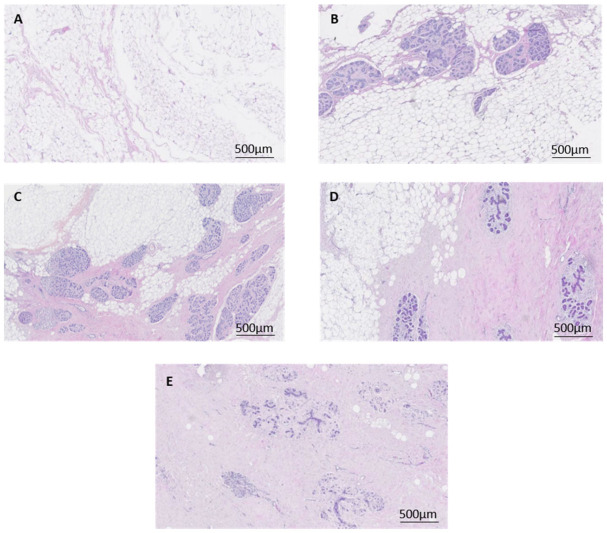
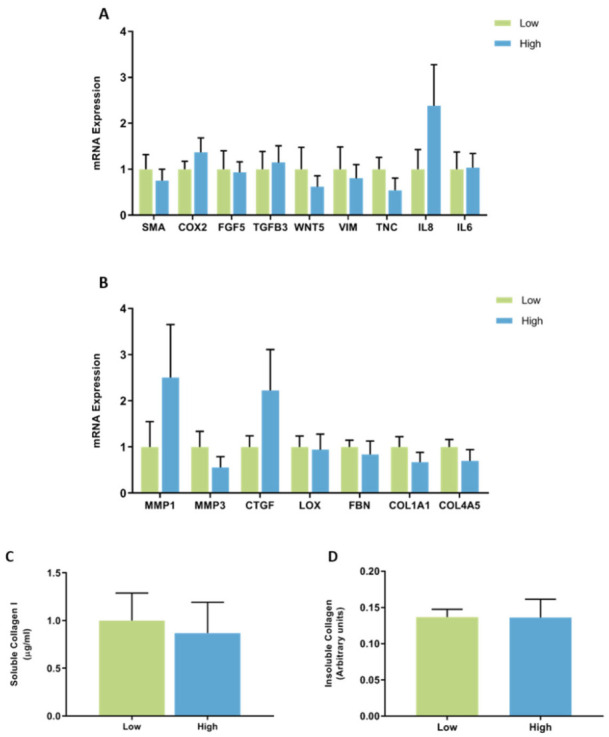
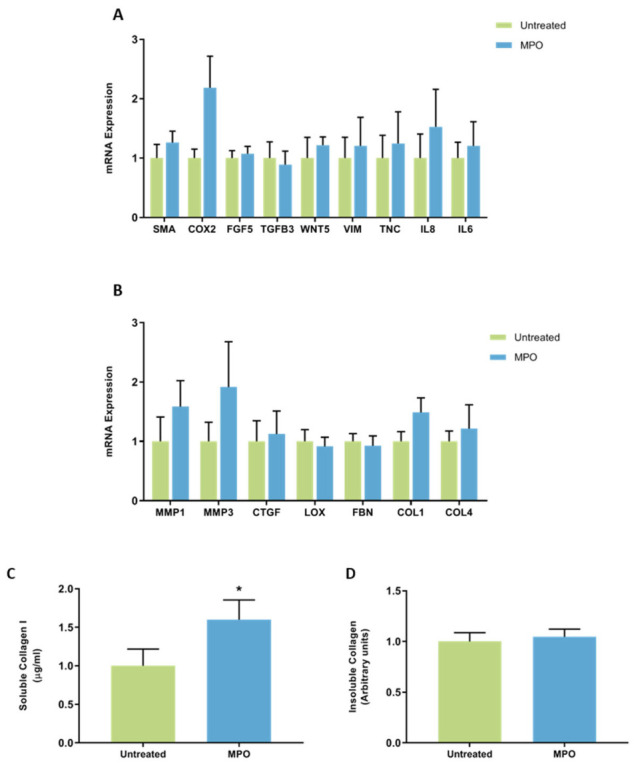
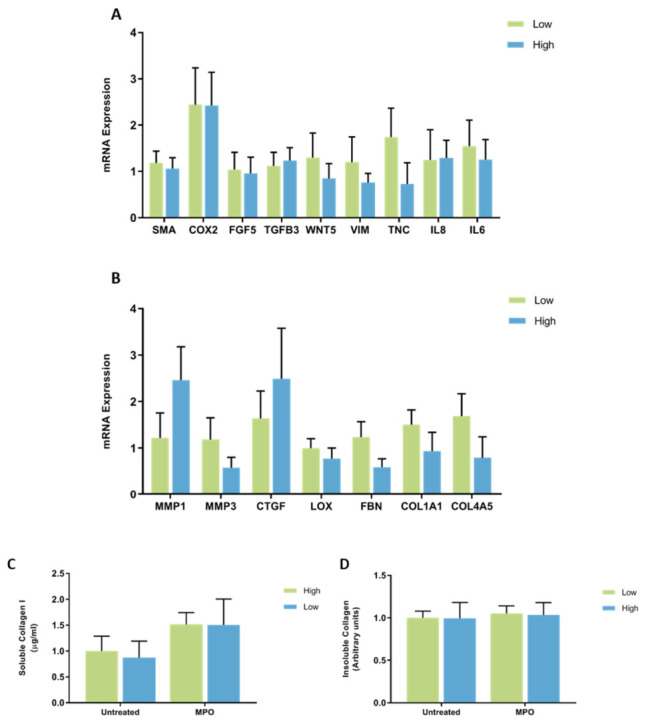
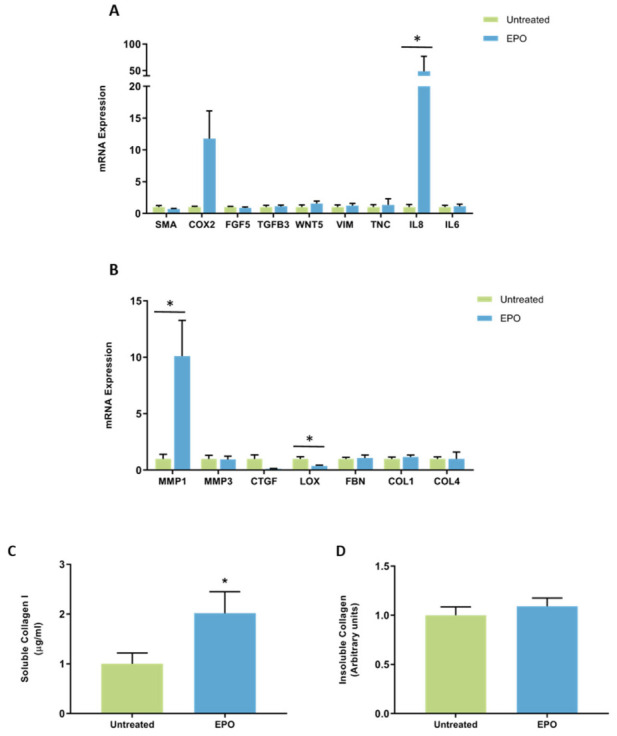
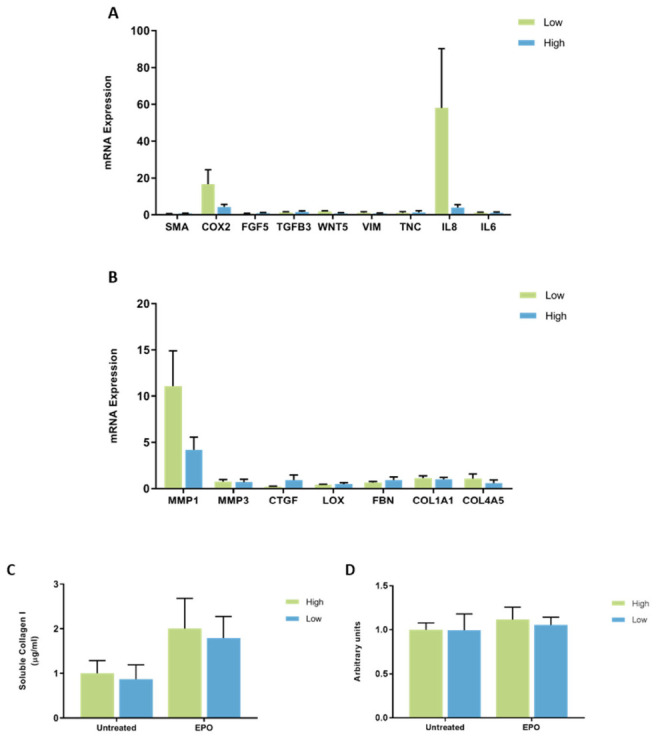
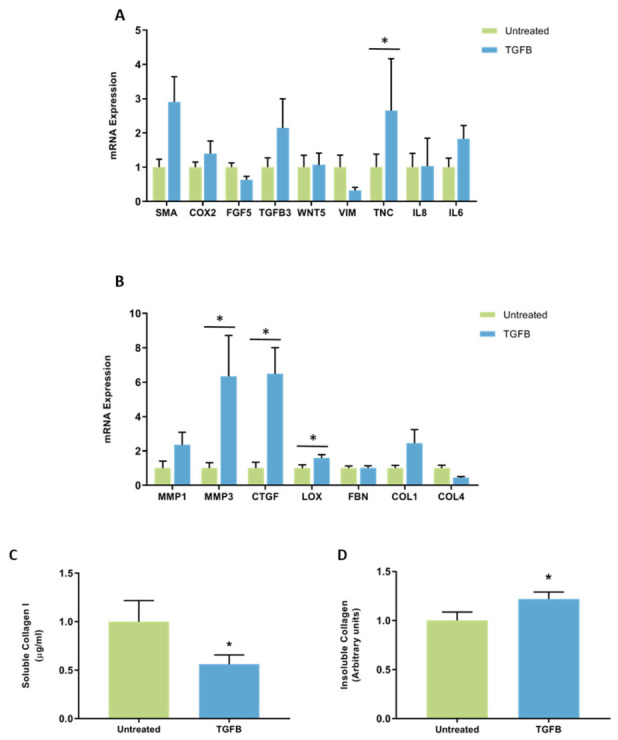
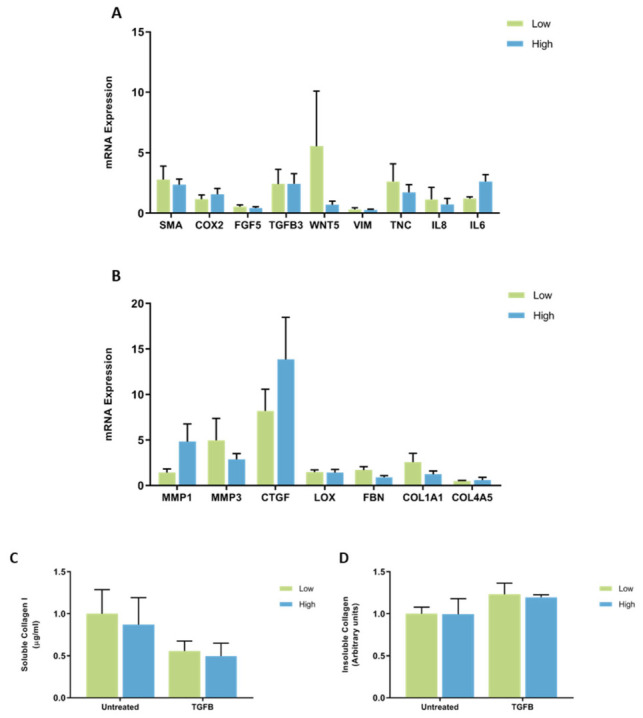
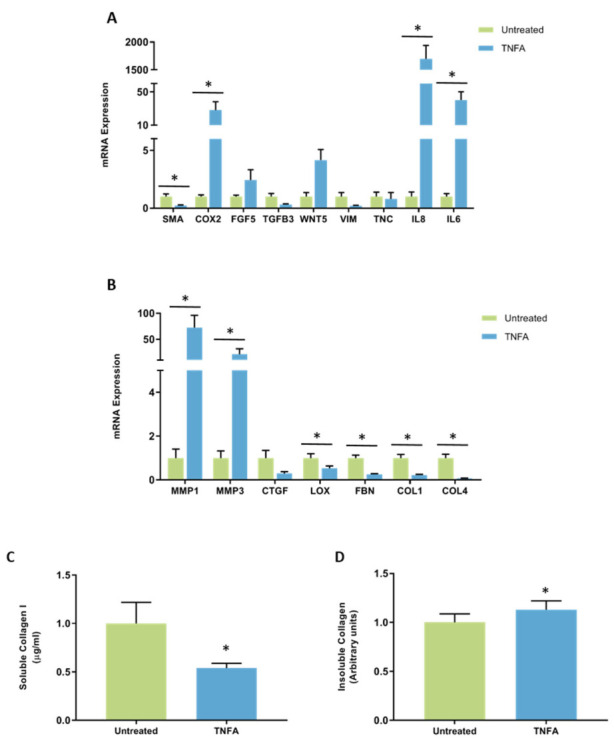
Mammographic density is associated with a 4-6-fold increase in breast cancer risk independent of age and BMI. High mammographic density is characterized by breast tissue with high proportions of stroma comprised of fibroblasts, collagen, and immune cells. This study sought to investigate whether stromal fibroblasts from high mammographic density breast tissue contributes to increased extracellular matrix deposition and pro-tumorigenic signaling. Mammary fibroblasts were isolated from women with high and low mammographic density and exposed to immune factors myeloperoxidase (MPO), eosinophil peroxidase (EPO), transforming growth factor beta 1 (TGFB1) and tumour necrosis factor alpha (TNFA) for 72 h and profiled for expression of cancer-associated fibroblast and extracellular matrix regulation markers. No differences in gene expression profiles or collagen production were observed between fibroblasts with high or low mammographic density, and they did not have a differential response to immune mediators. MPO and EPO significantly increased the production of collagen 1. TGFB and TNFA induced variable changes in gene expression. Fibroblasts cultured in vitro from women with high mammographic density do not appear to be inherently different to those from women with low mammographic density. The function of fibroblasts in mammographic density-associated breast cancer risk is likely to be regulated by immune signals from surrounding cells in the microenvironment.
乳腺钼靶密度与乳腺癌风险增加4至6倍相关,且独立于年龄和体重指数。高乳腺钼靶密度的特征是乳腺组织中由成纤维细胞、胶原蛋白和免疫细胞组成的基质比例较高。本研究旨在调查来自高乳腺钼靶密度乳腺组织的基质成纤维细胞是否会导致细胞外基质沉积增加和促肿瘤信号传导。从乳腺钼靶密度高和低的女性中分离出乳腺成纤维细胞,并使其暴露于免疫因子髓过氧化物酶(MPO)、嗜酸性粒细胞过氧化物酶(EPO)、转化生长因子β1(TGFB1)和肿瘤坏死因子α(TNFA)72小时,并分析癌症相关成纤维细胞和细胞外基质调节标志物的表达。在乳腺钼靶密度高或低的成纤维细胞之间未观察到基因表达谱或胶原蛋白产生的差异,并且它们对免疫介质没有差异反应。MPO和EPO显著增加了胶原蛋白1的产生。TGFB和TNFA诱导了基因表达的可变变化。从乳腺钼靶密度高的女性体外培养的成纤维细胞似乎与乳腺钼靶密度低的女性的成纤维细胞没有本质区别。成纤维细胞在乳腺钼靶密度相关乳腺癌风险中的功能可能受微环境中周围细胞的免疫信号调节。