Diabetes and Obesity Research Institute, Cedars-Sinai Medical Center, Los Angeles, CA 90048, USA.
Int J Mol Sci. 2022 Feb 5;23(3):1826. doi: 10.3390/ijms23031826.
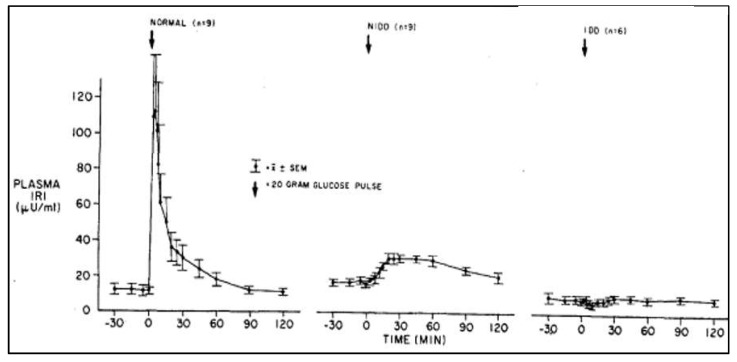
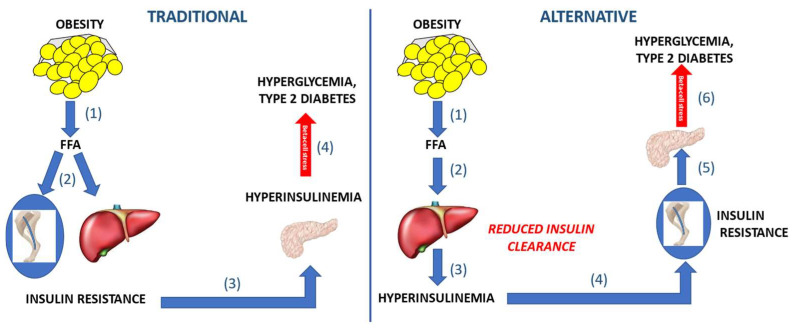
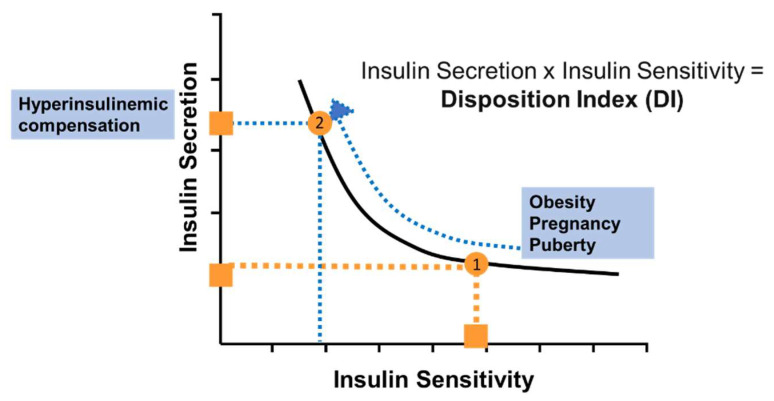
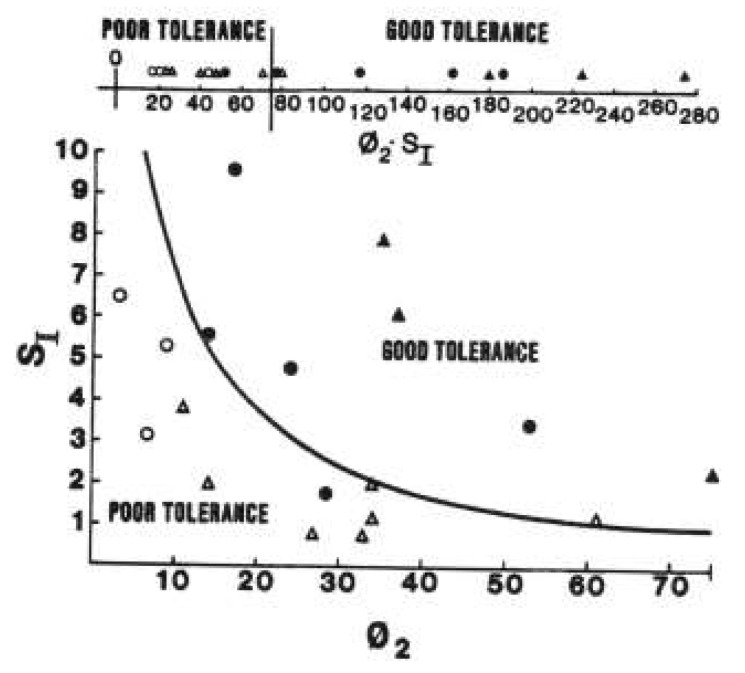
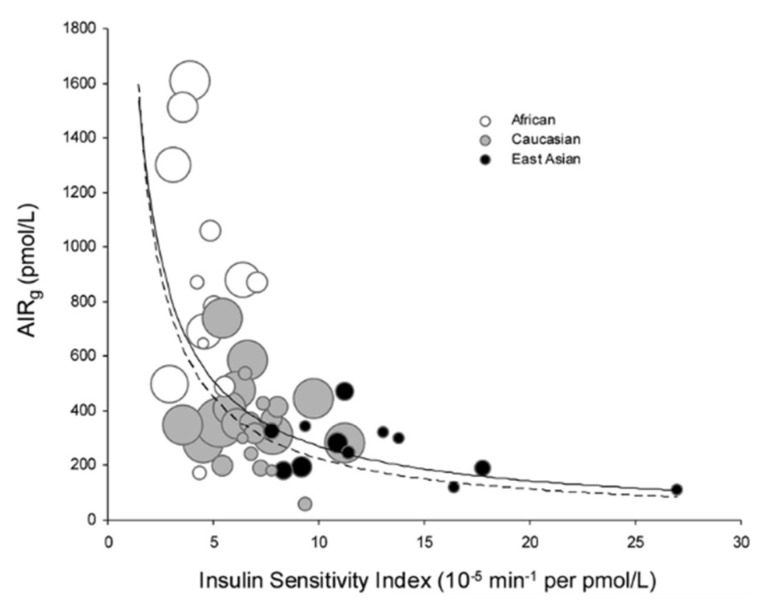
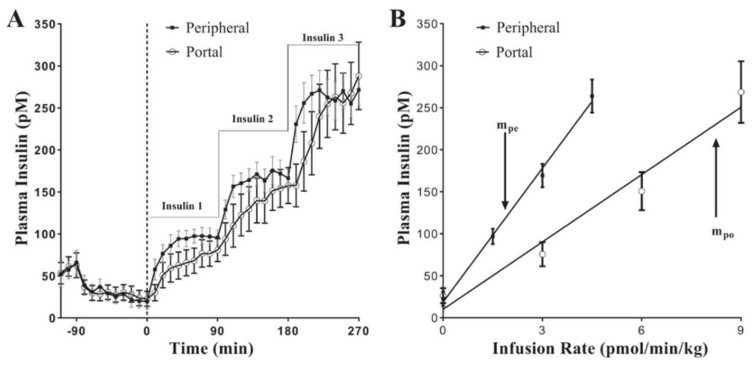
In the 1950's, Dr. I. Arthur Mirsky first recognized the possible importance of insulin degradation changes to the pathogenesis of type 2 diabetes. While this mechanism was ignored for decades, insulin degradation is now being recognized as a possible factor in diabetes risk. After Mirsky, the relative importance of defects in insulin release and insulin resistance were recognized as risk factors. The hyperbolic relationship between secretion and sensitivity was introduced, as was the relationship between them, as expressed as the disposition index (DI). The DI was shown to be affected by environmental and genetic factors, and it was shown to be differentiated among ethnic groups. However, the importance of differences in insulin degradation (clearance) on the disposition index relationship remains to be clarified. Direct measure of insulin clearance revealed it to be highly variable among even normal individuals, and to be affected by fat feeding and other physiologic factors. Insulin clearance is relatively lower in ethnic groups at high risk for diabetes such as African Americans and Hispanic Americans, compared to European Americans. These differences exist even for young children. Two possible mechanisms have been proposed for the importance of insulin clearance for diabetes risk: in one concept, insulin resistance per se leads to reduced clearance and diabetes risk. In a second and new concept, reduced degradation is a primary factor leading to diabetes risk, such that lower clearance (resulting from genetics or environment) leads to systemic hyperinsulinemia, insulin resistance, and beta-cell stress. Recent data by Chang and colleagues appear to support this latter hypothesis in Native Americans. The importance of insulin clearance as a risk factor for metabolic disease is becoming recognized and may be treatable.
在 20 世纪 50 年代,I·阿瑟·米尔斯基博士首次认识到胰岛素降解变化对 2 型糖尿病发病机制的可能重要性。虽然这一机制被忽视了几十年,但现在人们已经认识到胰岛素降解可能是糖尿病风险的一个因素。米尔斯基之后,胰岛素释放缺陷和胰岛素抵抗的相对重要性被认为是风险因素。引入了分泌和敏感性之间的双曲线关系,以及它们之间的关系,表现为处置指数(DI)。研究表明,DI 受环境和遗传因素的影响,并且在不同种族群体中存在差异。然而,胰岛素降解(清除)对处置指数关系的影响程度仍有待阐明。对胰岛素清除的直接测量表明,即使在正常个体中,它的变化也很大,并且受脂肪喂养和其他生理因素的影响。与欧洲裔美国人相比,非洲裔美国人和西班牙裔美国人等糖尿病高危种族的胰岛素清除率相对较低。即使是幼儿也存在这些差异。对于胰岛素清除对糖尿病风险的重要性,提出了两种可能的机制:在一种概念中,胰岛素抵抗本身导致清除率降低和糖尿病风险增加。在另一个新概念中,降解减少是导致糖尿病风险的主要因素,即较低的清除率(由遗传或环境引起)导致全身高胰岛素血症、胰岛素抵抗和β细胞应激。张(Chang)及其同事最近的数据似乎支持了这一假说在美洲原住民中的应用。胰岛素清除作为代谢性疾病风险因素的重要性正在被认识到,并且可能是可治疗的。