Department of Biomedical Sciences, University of Lausanne, Switzer Rue du Bugnon 27, 1011, Lausanne, Switzerland.
Department of Epidemiology and Health Systems, Unisanté, Lausanne, Switzerland.
J Nephrol. 2022 Apr;35(3):821-830. doi: 10.1007/s40620-022-01259-3. Epub 2022 Feb 15.
Kidney stones are a frequent and potentially severe condition, affecting 5-10% of the European population. Causes are multifactorial, diet in particular plays a major role in the formation and management of kidney stones. The aim of this scoping review is to assess the methods used to study the diet of adult kidney stone formers.
We conducted a systematic search in Medline Ovid SP, Embase, Cinahl, Cochrane (CENTRAL), Web of Sciences databases on June 10th, 2020. Self-report methods (such as food frequency questionnaires or 24-h dietary recalls), objective nutritional biomarkers and controlled diets were considered. We analyzed the selected publications based on the origin of participants, study design and dietary assessment methods used.
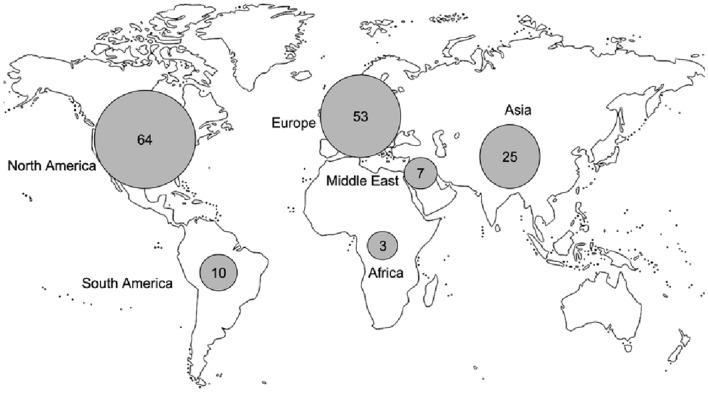
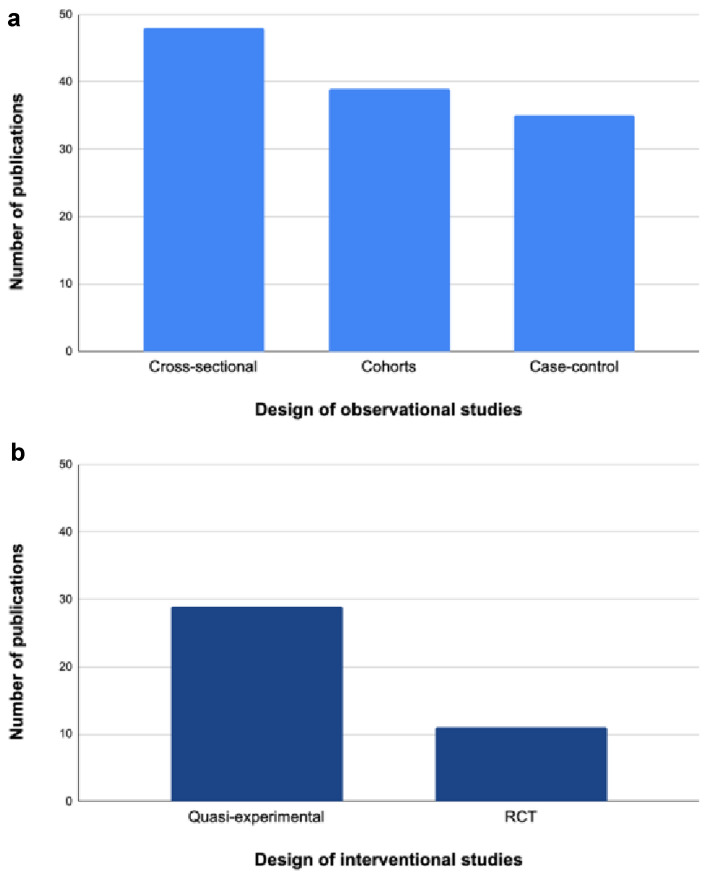
We screened 871 publications and included 162 of them. Most studies included participants from North America and Europe and were observational. Short and cost-effective tools such as food frequency questionnaires and other questionnaires were the most frequently used. Moreover, food diary was a frequently selected method to study the diet of kidney stone formers. New technologies (e.g. online questionnaires, phone applications, connected tools) were rarely used.
Accurate reporting of the methods used in nutritional studies is of key importance to interpret results and build evidence. Assessing long-term dietary intake is still a challenge for nutritional epidemiology. A combination of self-report methods with objective dietary biomarkers and new technologies probably represents the best way forward.
肾结石是一种常见且潜在严重的疾病,影响欧洲 5-10%的人口。病因是多因素的,饮食在肾结石的形成和管理中起着重要作用。本综述的目的是评估用于研究成人肾结石患者饮食的方法。
我们于 2020 年 6 月 10 日在 Medline Ovid SP、Embase、Cinahl、Cochrane(CENTRAL)、Web of Sciences 数据库中进行了系统检索。自我报告方法(如食物频率问卷或 24 小时膳食回忆)、客观营养生物标志物和控制饮食均被考虑在内。我们根据参与者的来源、研究设计和使用的饮食评估方法对选定的出版物进行了分析。
我们筛选了 871 篇文献,纳入了 162 篇。大多数研究的参与者来自北美和欧洲,且为观察性研究。简短且具有成本效益的工具,如食物频率问卷和其他问卷,是最常用的。此外,饮食日记是研究肾结石患者饮食的常用方法。新技术(如在线问卷、电话应用程序、连接工具)很少被使用。
准确报告营养研究中使用的方法对于解释结果和建立证据至关重要。评估长期饮食摄入仍然是营养流行病学的一个挑战。自我报告方法与客观膳食生物标志物和新技术的结合可能是前进的最佳途径。