Department of Traditional Chinese Medicine, Taian City Central Hospital, Taian, Shandong, China (mainland).
Department of Rehabilitation, Traffic Hospital of Linyi City, Linyi, Shandong, China (mainland).
Med Sci Monit. 2022 Feb 17;28:e933537. doi: 10.12659/MSM.933537.
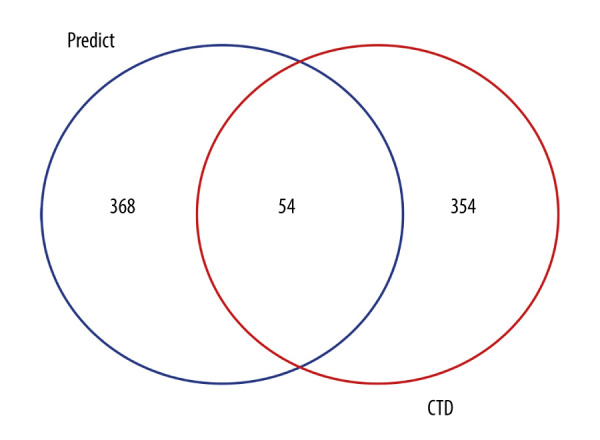
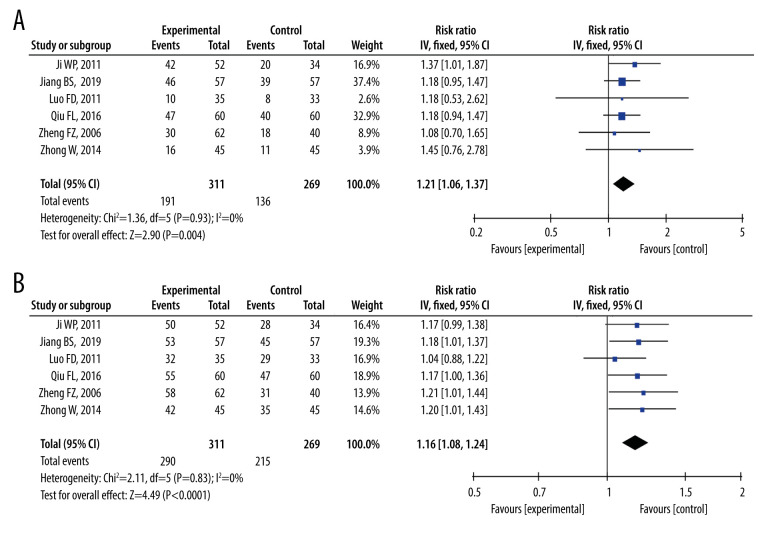
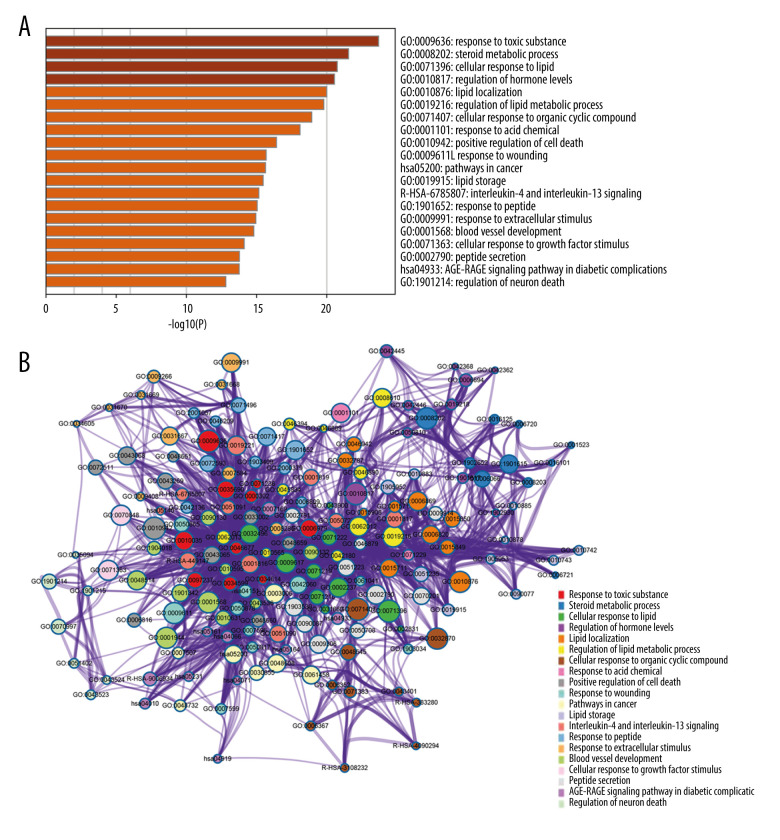
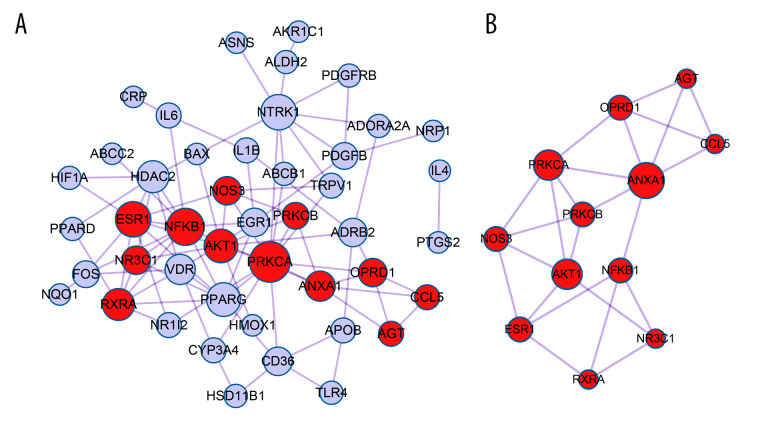
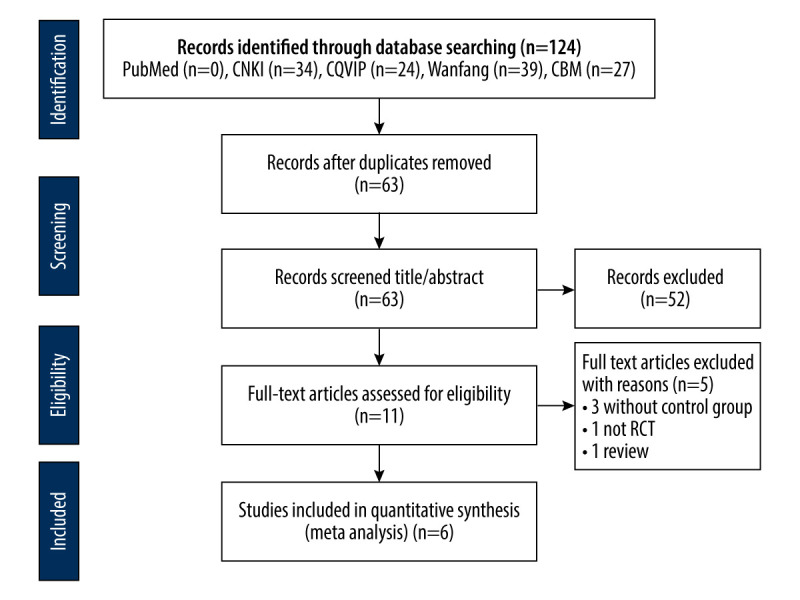
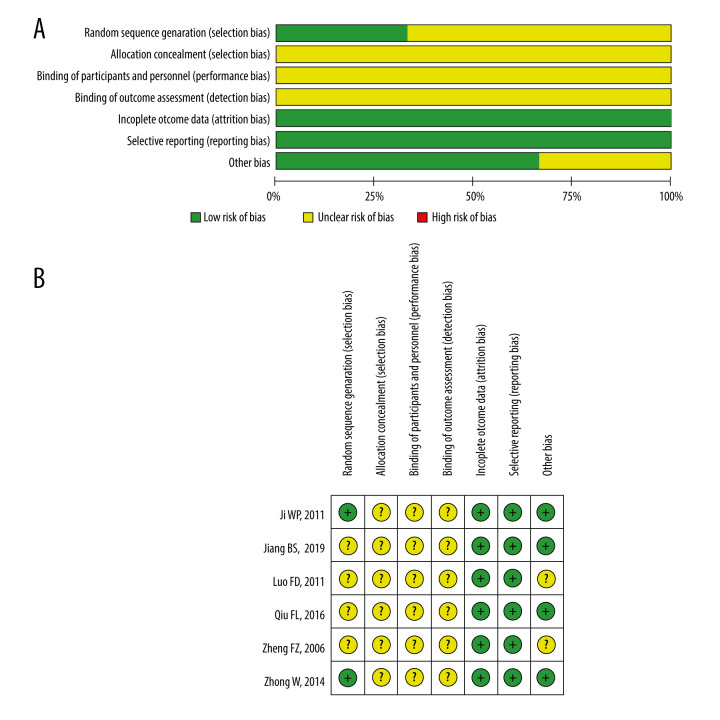
BACKGROUND Jianpi Yiqi Taohua decoction (JYTD) has shown therapeutic effects in ulcerative colitis (UC). However, the pharmacological mechanism of JYTD against UC remains unclear. MATERIAL AND METHODS Compounds and targets of JYTD and UC-related genes were screened from public databases. Integrated analysis was performed to identify therapeutic targets of UC, followed by functional enrichment analysis. Protein-protein interaction interaction (PPI) and pharmacological networks were then established. Molecular docking was used to validate the affinity of compounds and their targets. Further, the efficacy of JYTD was evaluated by meta-analysis. Relevant studies were searched from 5 databases. Outcomes were complete response rate (CRR) and overall response rate (ORR), and pooled results were estimated by risk ratio (RR) with corresponding 95% confidence intervals (CIs). RESULTS The pharmacological network identified 13 herbal medicines, 28 compounds, 54 targets, and 20 pathways. Stigmasterol, liquiritigenin, and naringenin were potential active compounds, and PRKCA, NFKB1, ESR1, NTRK1, AKT1, PPARG, RXRA, and VDR were hub targets. Pathway analysis revealed that genes were mainly involved in the cellular response to lipids. Molecular docking indicated that AKT1, NFKB1, ESR1, NTRK1, PRKCA, and PPARG exhibited good affinity to 6 key compounds of JYTD. Then, meta-analysis revealed that Tao Hua decoction treatment significantly improved CRR (RR, 1.21; 95% CI, 1.06-1.37; P=0.004) and ORR (RR, 1.16; 95% CI, 1.08-1.24; P<0.001). CONCLUSIONS JYTD was found to have preventive and therapeutic effects on UC through multiple compounds, targets, and pathways. These findings enhanced our understanding of the potential pharmacological mechanisms of JYTD against UC.
健脾益气桃花汤(JYTD)在溃疡性结肠炎(UC)中显示出治疗效果。然而,JYTD 治疗 UC 的药理机制尚不清楚。
从公共数据库中筛选 JYTD 化合物和靶点以及 UC 相关基因。进行综合分析以确定 UC 的治疗靶点,然后进行功能富集分析。建立蛋白质-蛋白质相互作用网络和药理学网络。分子对接用于验证化合物及其靶点的亲和力。进一步通过荟萃分析评估 JYTD 的疗效。从 5 个数据库中搜索相关研究。结局指标为完全缓解率(CRR)和总缓解率(ORR),通过风险比(RR)及其相应的 95%置信区间(CI)来估计汇总结果。
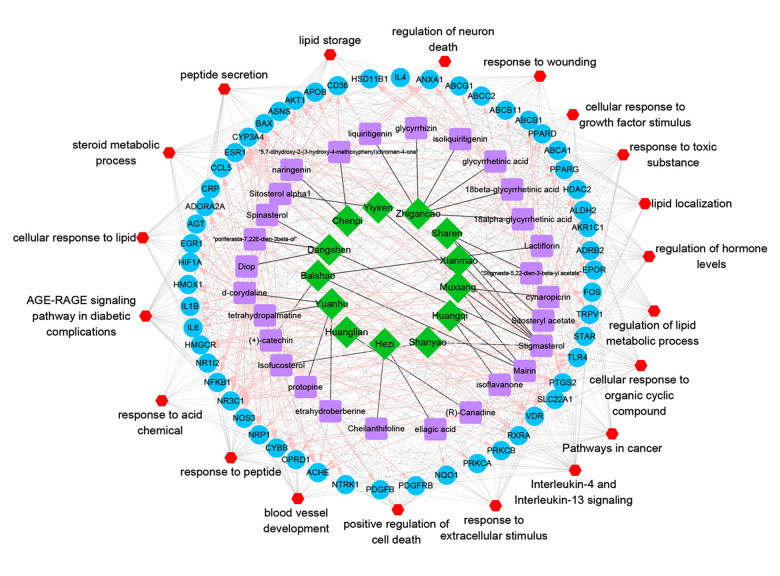
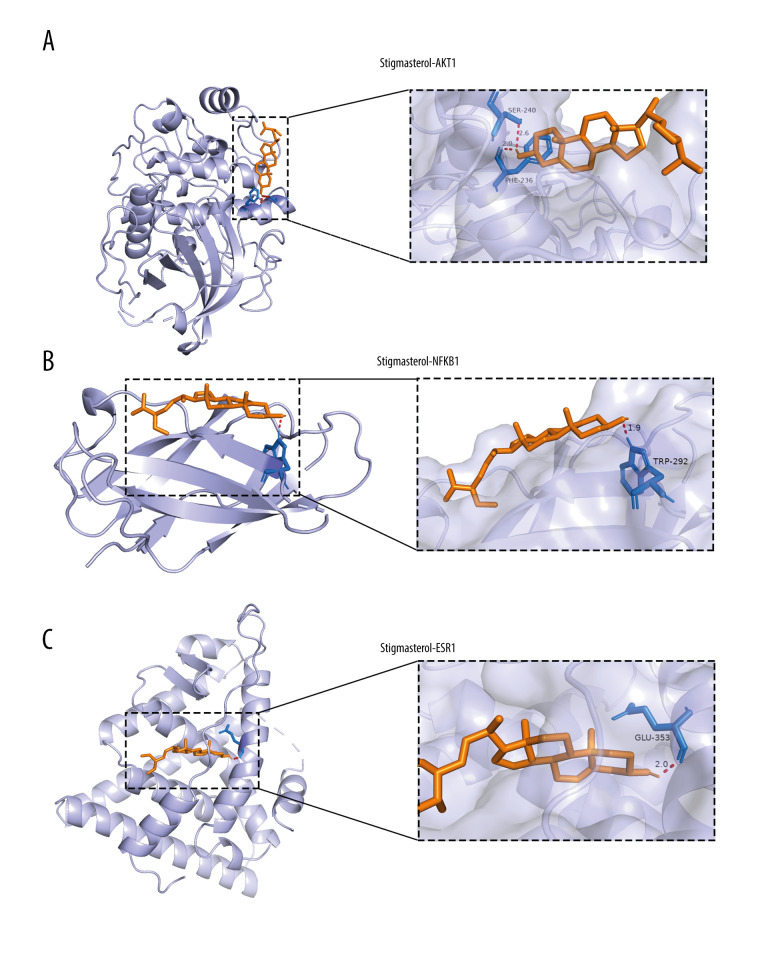
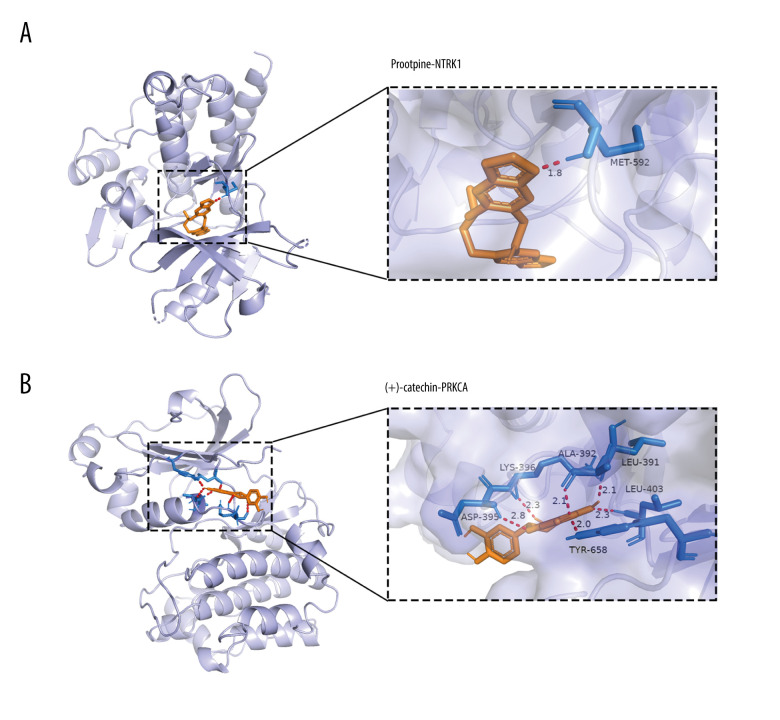
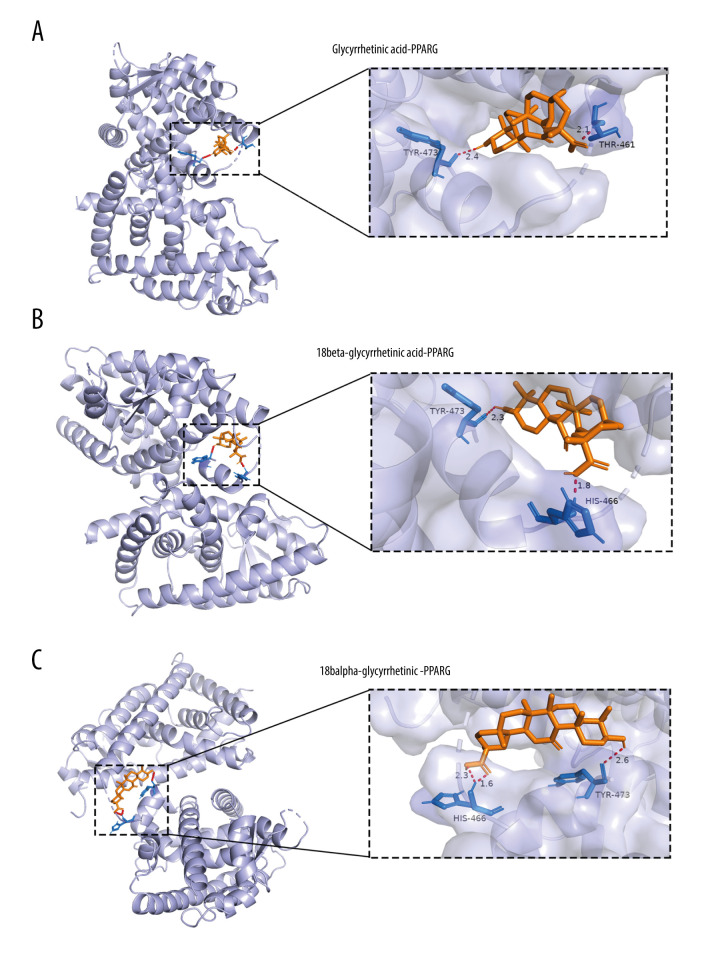
药理学网络确定了 13 种草药、28 种化合物、54 个靶点和 20 条途径。豆甾醇、甘草素和柚皮苷可能是潜在的活性化合物,PRKCA、NFKB1、ESR1、NTRK1、AKT1、PPARG、RXRA 和 VDR 是枢纽靶点。通路分析表明,基因主要参与细胞对脂质的反应。分子对接表明,AKT1、NFKB1、ESR1、NTRK1、PRKCA 和 PPARG 与 JYTD 的 6 种关键化合物具有良好的亲和力。然后,荟萃分析表明,桃花汤治疗可显著提高 CRR(RR,1.21;95%CI,1.06-1.37;P=0.004)和 ORR(RR,1.16;95%CI,1.08-1.24;P<0.001)。
通过多种化合物、靶点和途径,发现 JYTD 对 UC 具有预防和治疗作用。这些发现增强了我们对 JYTD 治疗 UC 的潜在药理机制的理解。