School of Intelligent Manufacturing and Electronic Engineering, Wenzhou University of Technology, Wenzhou, 325035, China.
Comput Intell Neurosci. 2022 Feb 8;2022:4489436. doi: 10.1155/2022/4489436. eCollection 2022.
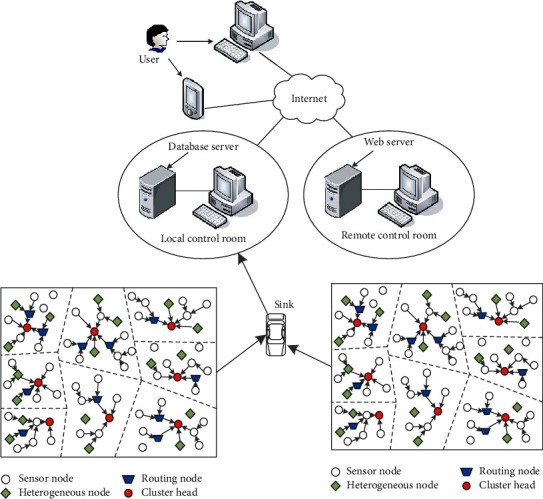
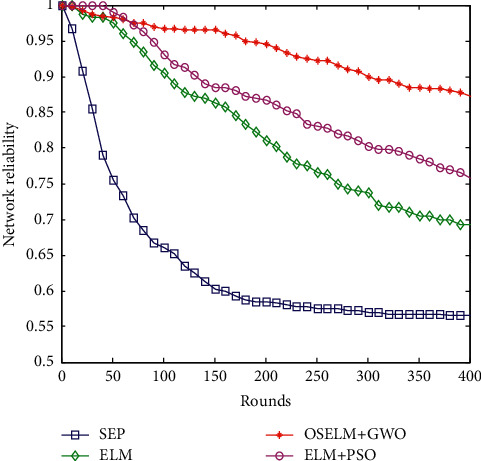
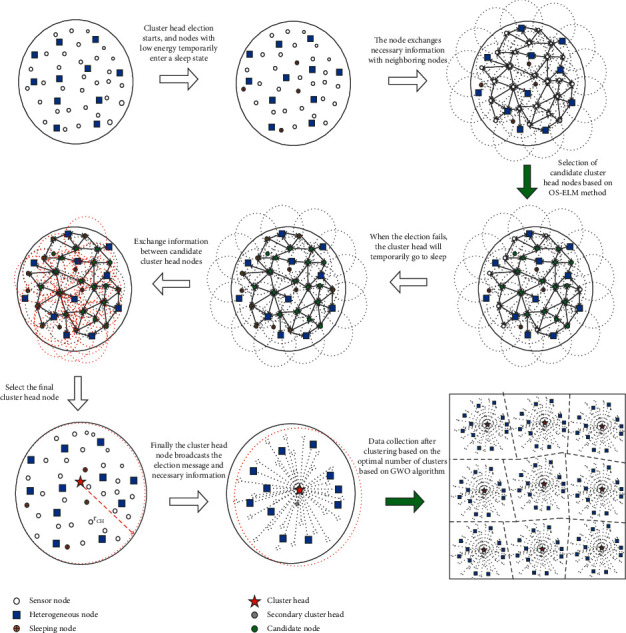
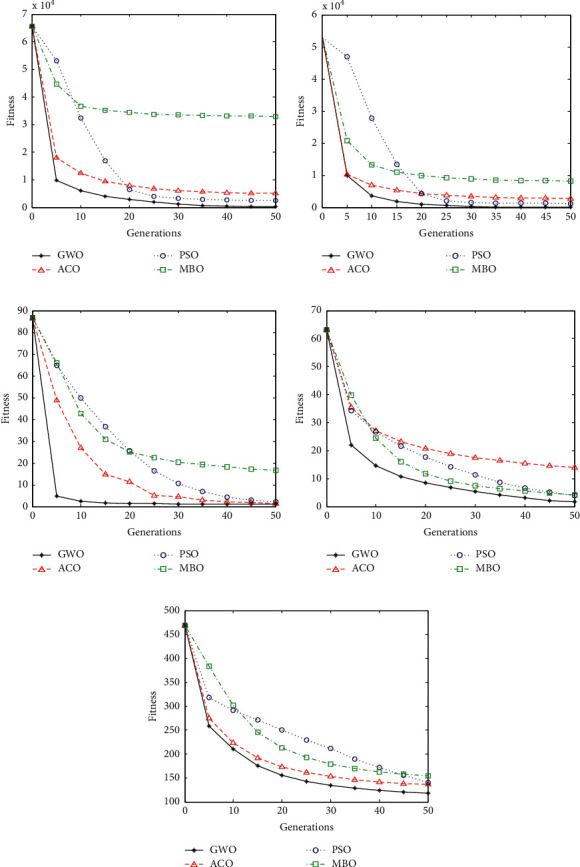
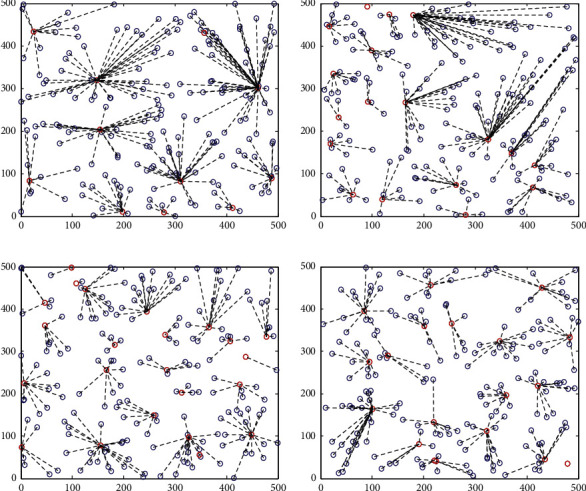
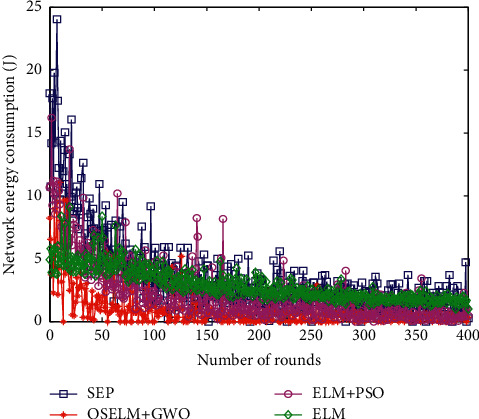
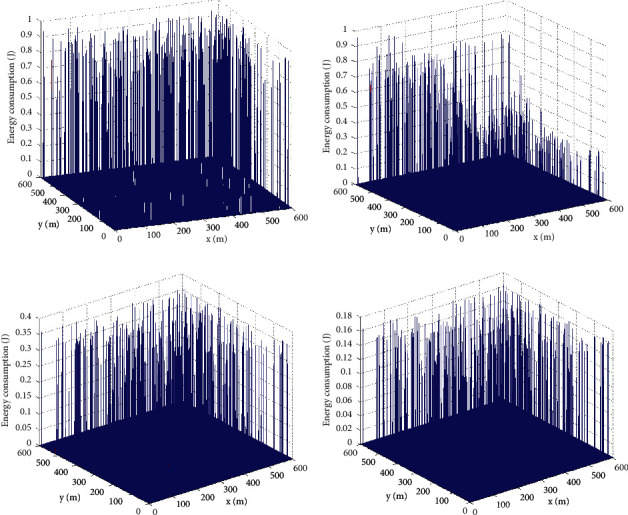
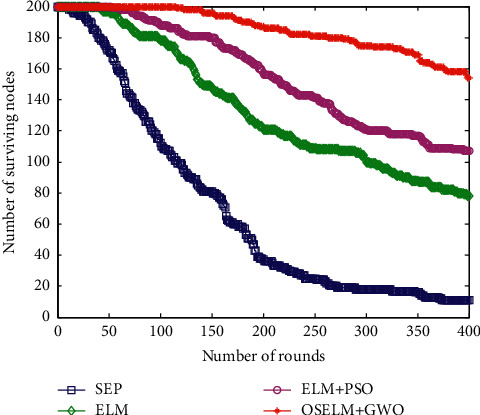
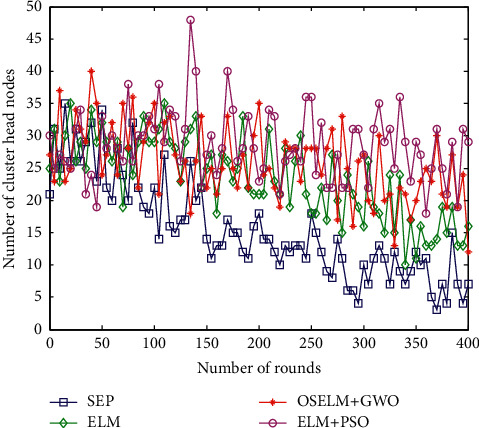
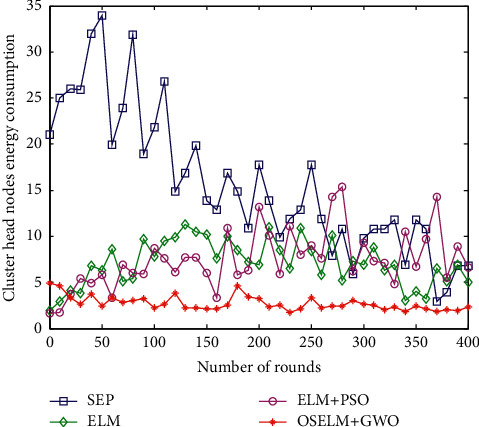
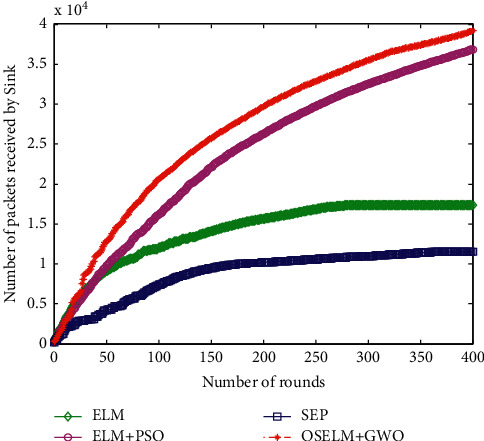
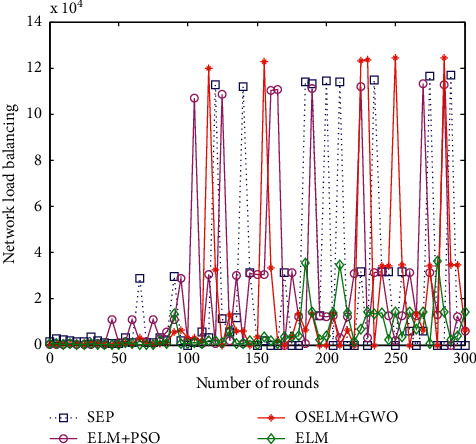
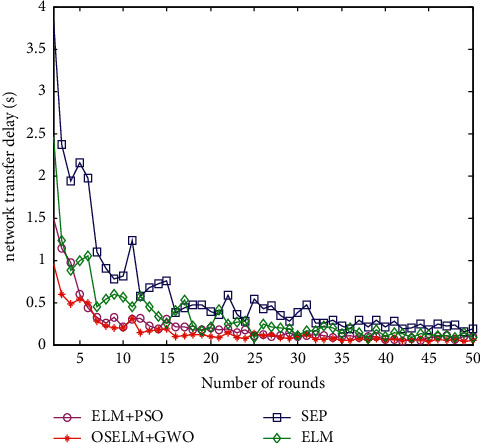
In order to effectively reduce the energy consumption, improve the efficiency of data collection in HWSNs, and prolong the lifetime of the overall network, the clustering method is one of the most effective methods in the data collection methods for HWSNs. The data collection strategy of HWSNs based on the clustering method mainly includes three stages: (1) selecting the appropriate cluster head, (2) forming between clusters, and (3) transferring data between clusters. Among them, the selection of the cluster heads in the first stage. The optimal number of cluster heads in the formation of clusters in the second stage is the core and key to the clustering data collection of HWSNs. In the stage of cluster head selection, a data collection strategy for HWSNs based on the clustering method is proposed. Sink establishes an extreme learning machine neural network model. The cluster member nodes select cluster heads based on the remaining energy of the sensor node, the number of the neighbor node, and the distance to the sink. The best cluster head node is selected through the adaptive learning of the online sequence extreme learning machine. Through comprehensive consideration of various factors to complete the clustering process, the gray wolf algorithm is used to optimize the number of clusters, balance the effect of clustering, and improve the efficiency of data collection while reducing energy consumption. An energy efficient and reliable clustering data collection strategy for HWSNs based on the online sequence extreme learning machine and the gray wolf optimization algorithm is proposed in this paper. The simulation results show that the proposed algorithm not only significantly improves the efficiency of the data collection and reduces energy consumption but also comprehensively improves the reliability of the network and prolongs the network's lifetime.
为了有效降低能耗,提高 HWSNs 数据采集效率,延长网络整体寿命,聚类方法是 HWSNs 数据采集方法中最有效的方法之一。基于聚类方法的 HWSNs 数据采集策略主要包括三个阶段:(1)选择合适的簇头,(2)在簇之间形成,(3)在簇之间传输数据。其中,第一阶段簇头的选择。第二阶段形成簇时最优簇头数量是 HWSNs 聚类数据采集的核心和关键。在簇头选择阶段,提出了一种基于聚类方法的 HWSNs 数据采集策略。汇聚节点建立极端学习机神经网络模型。簇成员节点根据传感器节点的剩余能量、邻居节点的数量和与汇聚节点的距离选择簇头。通过在线序列极端学习机的自适应学习,选择最佳簇头节点。通过综合考虑各种因素来完成聚类过程,使用灰狼算法优化簇的数量,平衡聚类效果,在降低能耗的同时提高数据采集效率。本文提出了一种基于在线序列极端学习机和灰狼优化算法的 HWSNs 节能可靠聚类数据采集策略。仿真结果表明,所提出的算法不仅显著提高了数据采集效率,降低了能耗,而且全面提高了网络的可靠性,延长了网络的寿命。