Xiao Yong, Yang Kun, Wang Zhen, Zhao Mengjie, Deng Yanxiang, Ji Wei, Zou Yuanjie, Qian Chunfa, Liu Yong, Xiao Hong, Liu Hongyi
Department of Neurosurgery, Nanjing Brain Hospital Affiliated to Nanjing Medical University, Nanjing, China.
Department of Neuro-Psychiatric Institute, Nanjing Brain Hospital Affiliated to Nanjing Medical University, Nanjing, China.
Front Surg. 2022 Feb 3;8:775194. doi: 10.3389/fsurg.2021.775194. eCollection 2021.
Glioma is the most common primary brain tumor with a poor prognosis. Key genes that are negatively related to prognosis may provide the therapy targets to cure glioma. To clarify the role of in glioma, we explored its function at bulk-transcriptome, spatial and single-cell transcriptome levels.
In total, expression profiles with survival data of whole-grade glioma from The Cancer Genome Atlas (TCGA) and the Chinese Glioma Genome Atlas (CGGA), RNA-seq data with anatomic information of glioblastoma (GBM) from the Ivy Glioblastoma Atlas Project, RNA-sequencing (RNA-seq) data from recurrent GBM receiving adjuvant anti immunotherapy accessed through GSE121810, and single-cell RNA-seq data of GBM under accession GSE103224 were enrolled in this study. -specific findings were further analyzed by R language.
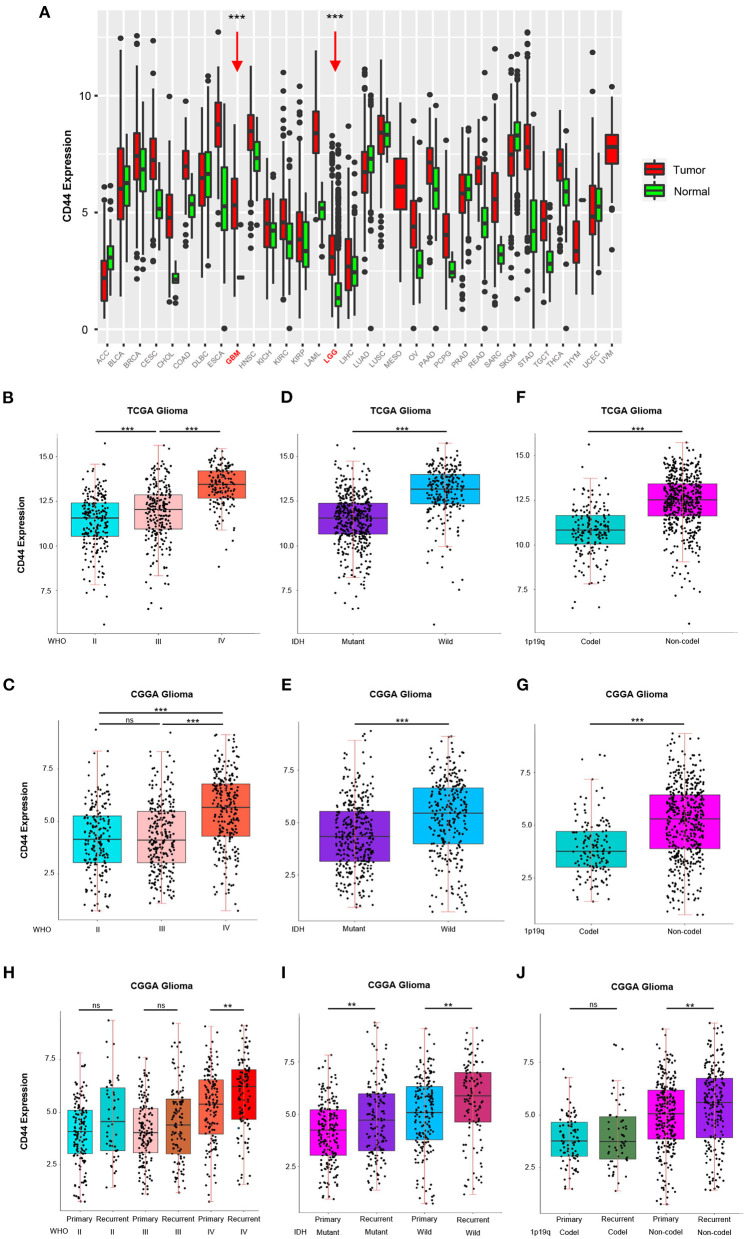
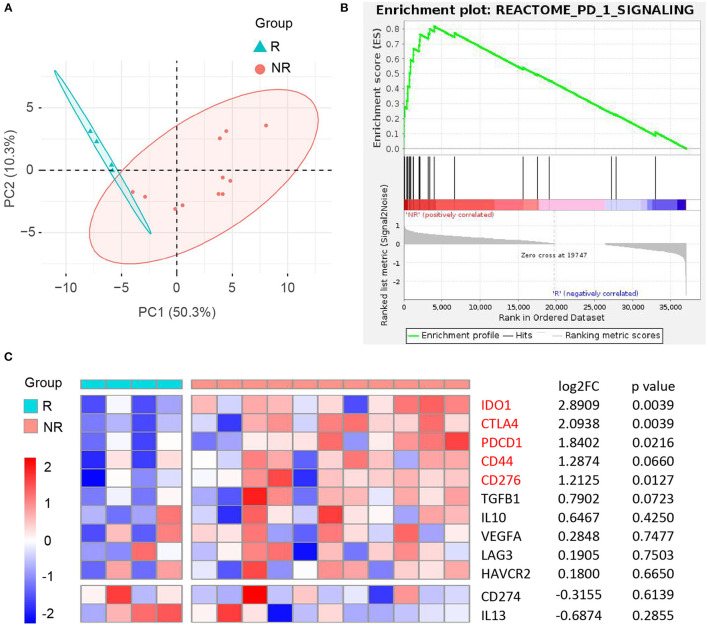
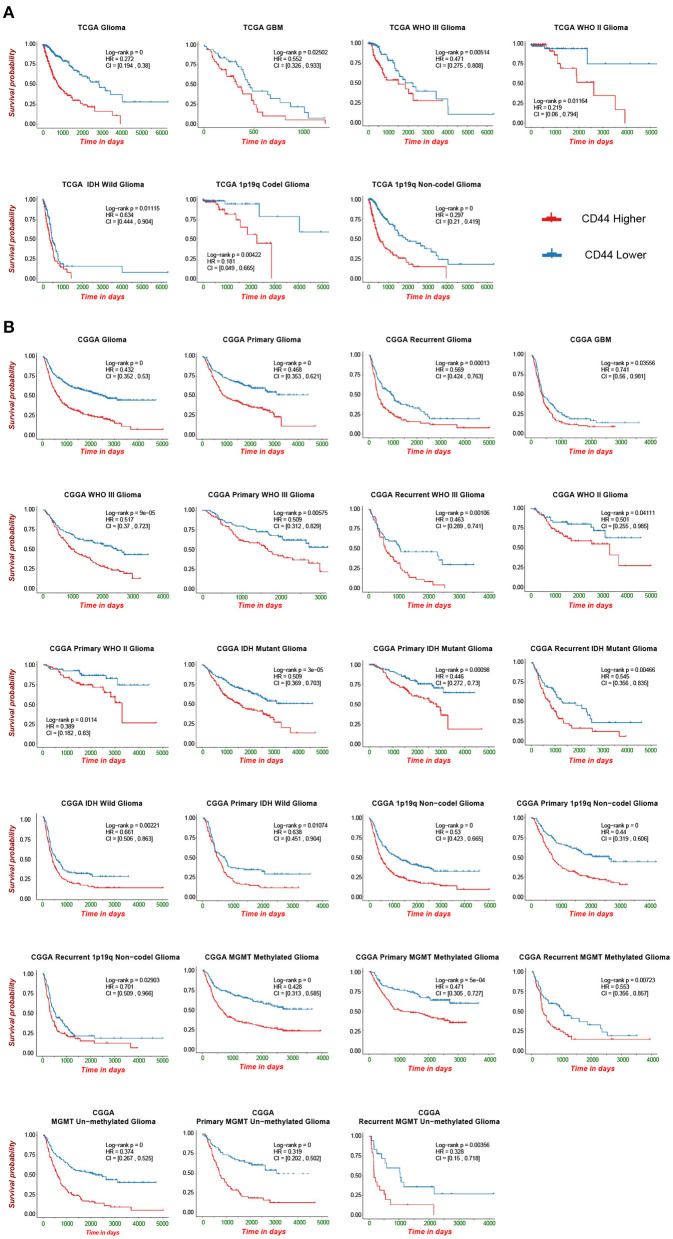
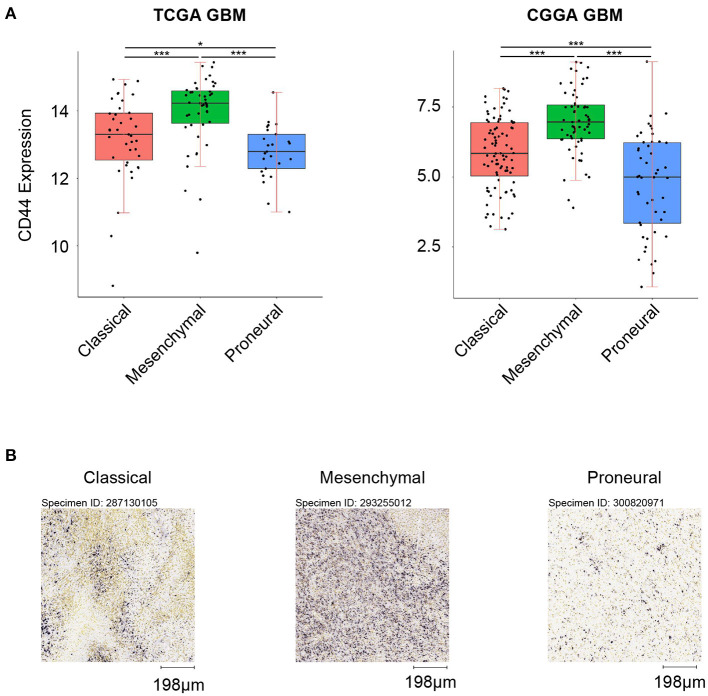
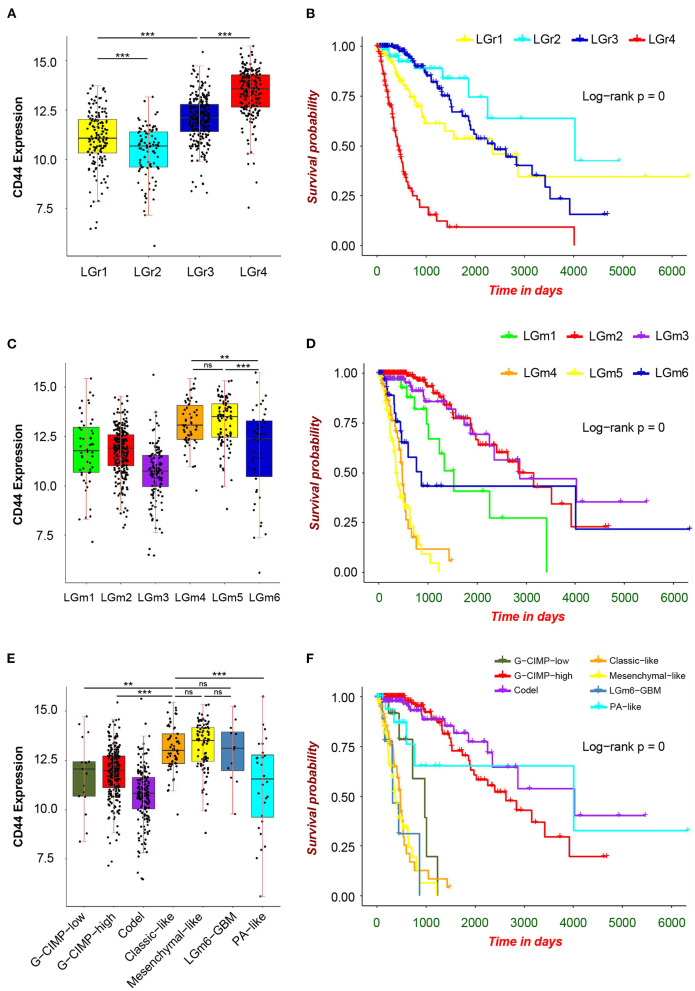
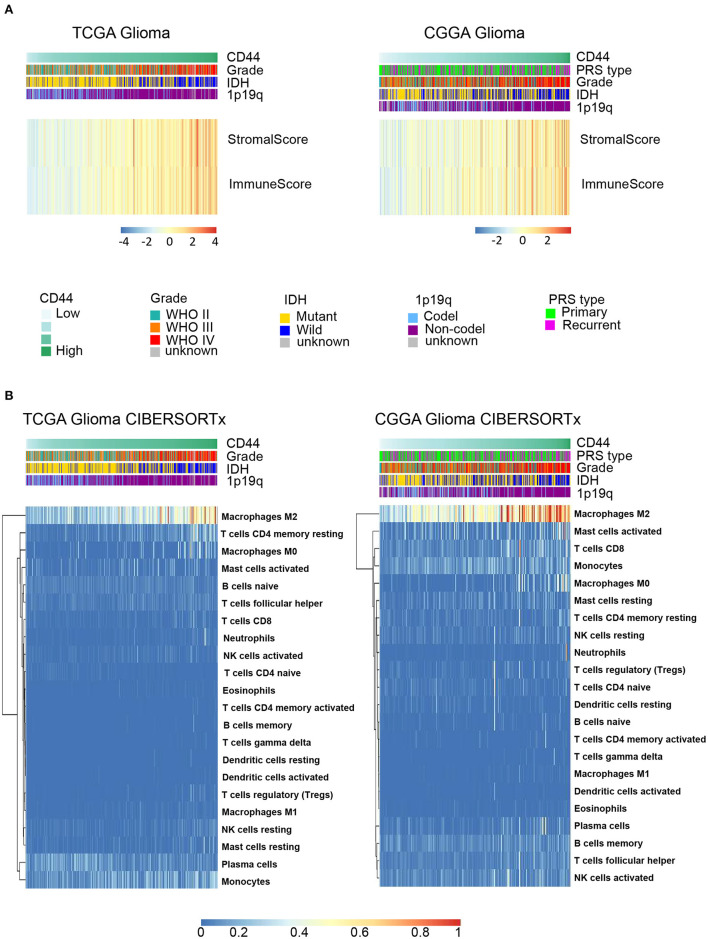
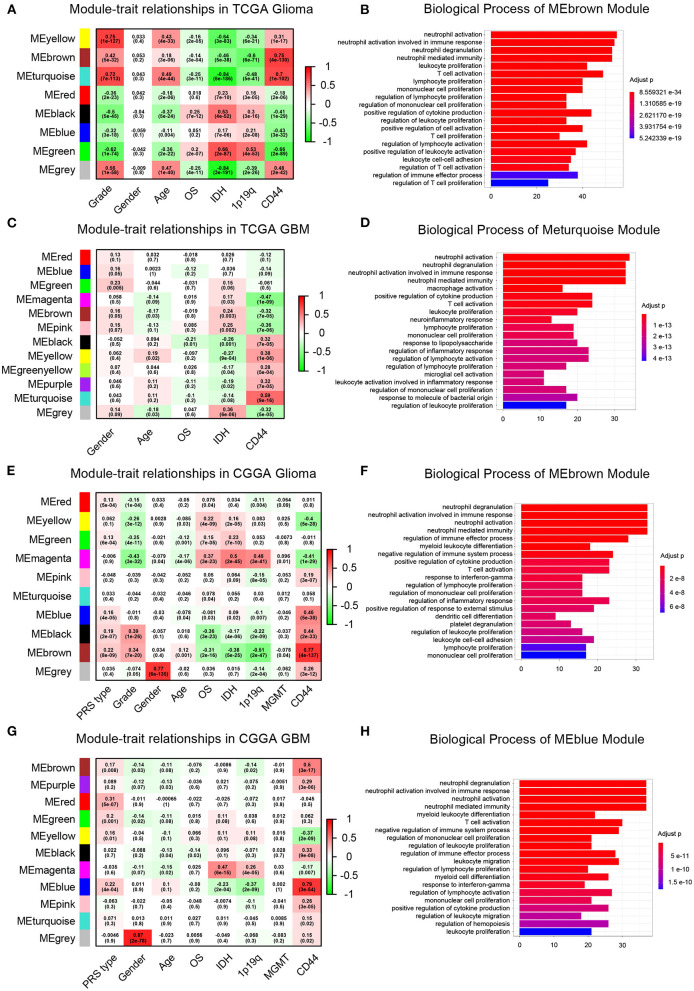
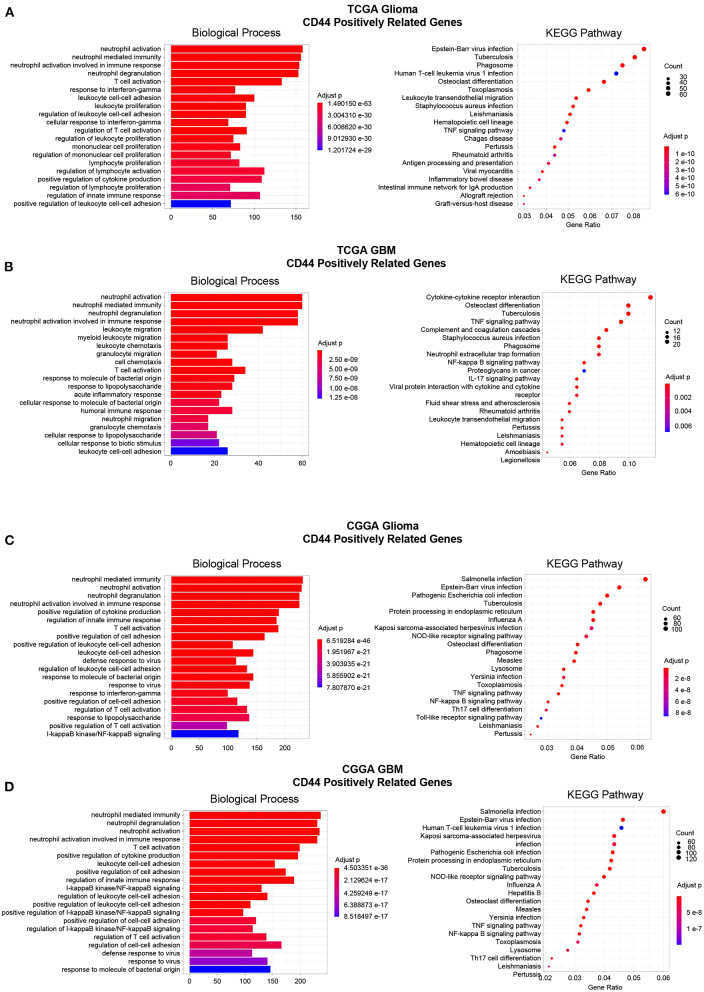
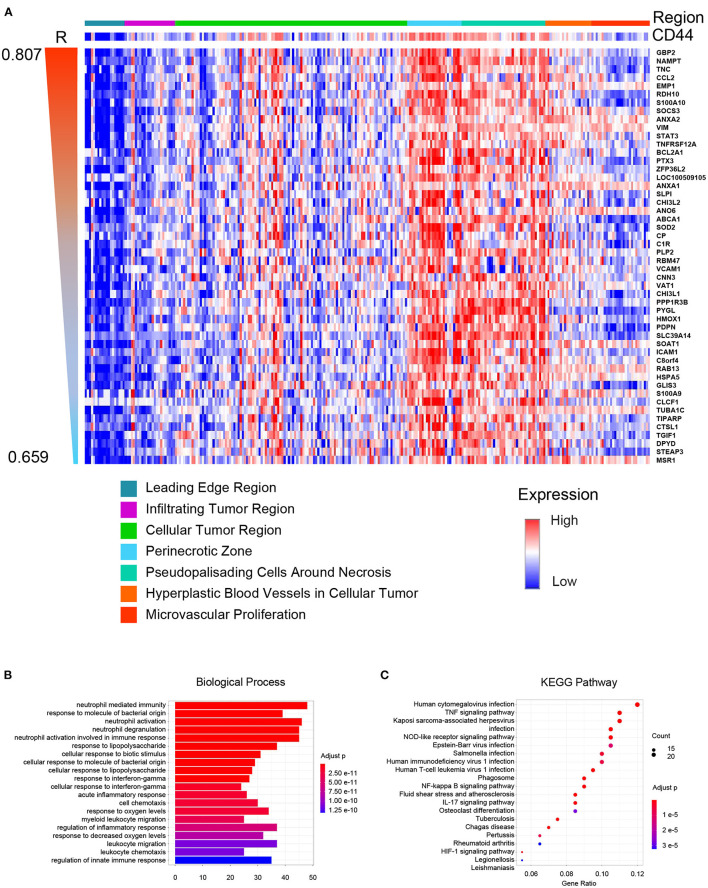
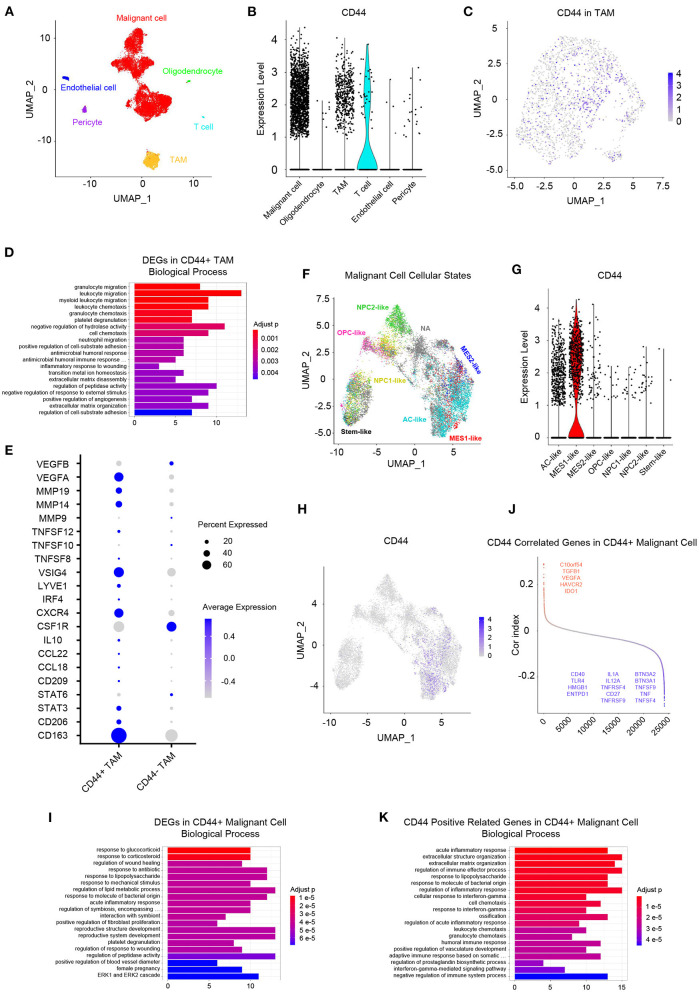
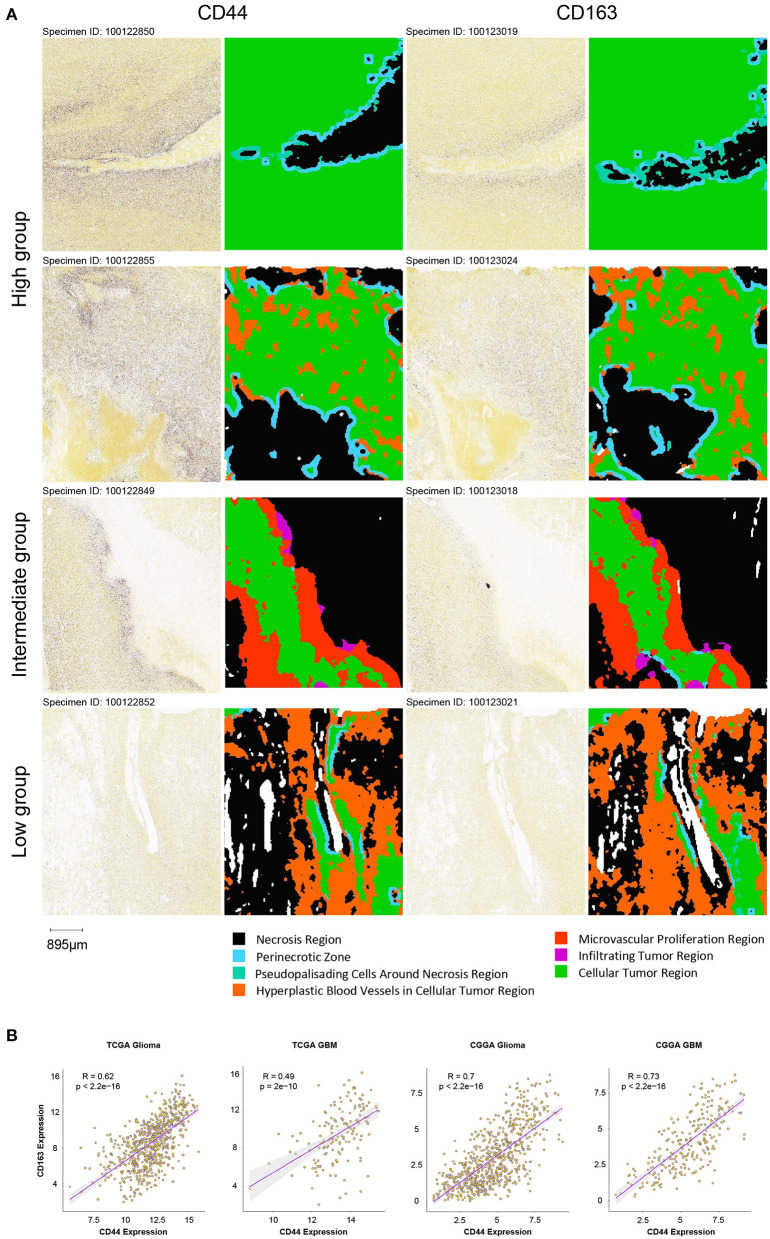
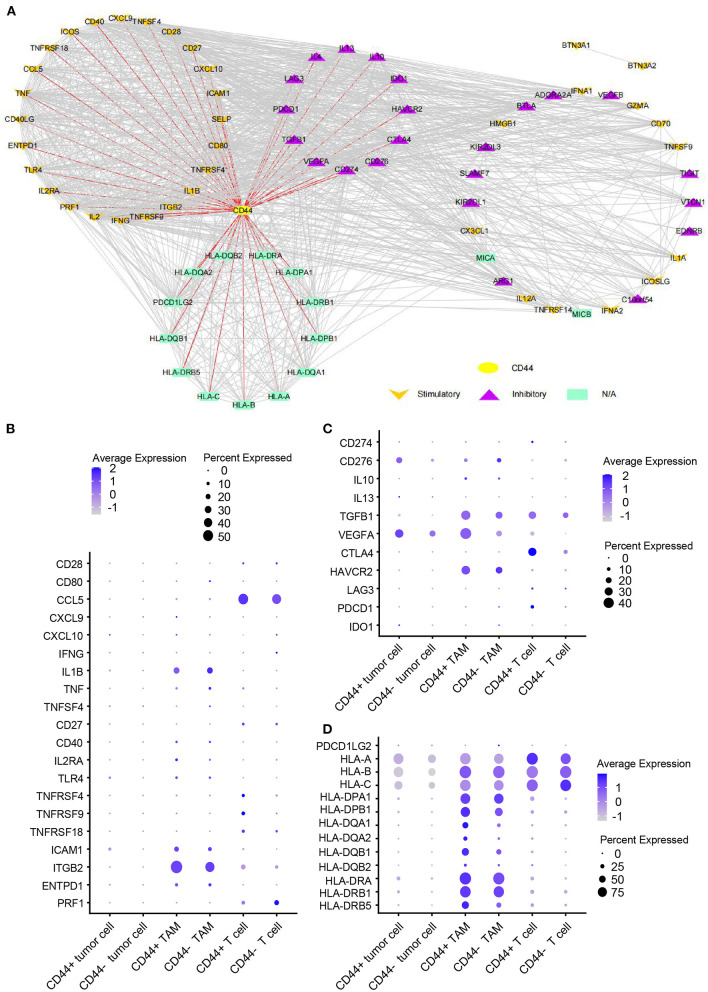
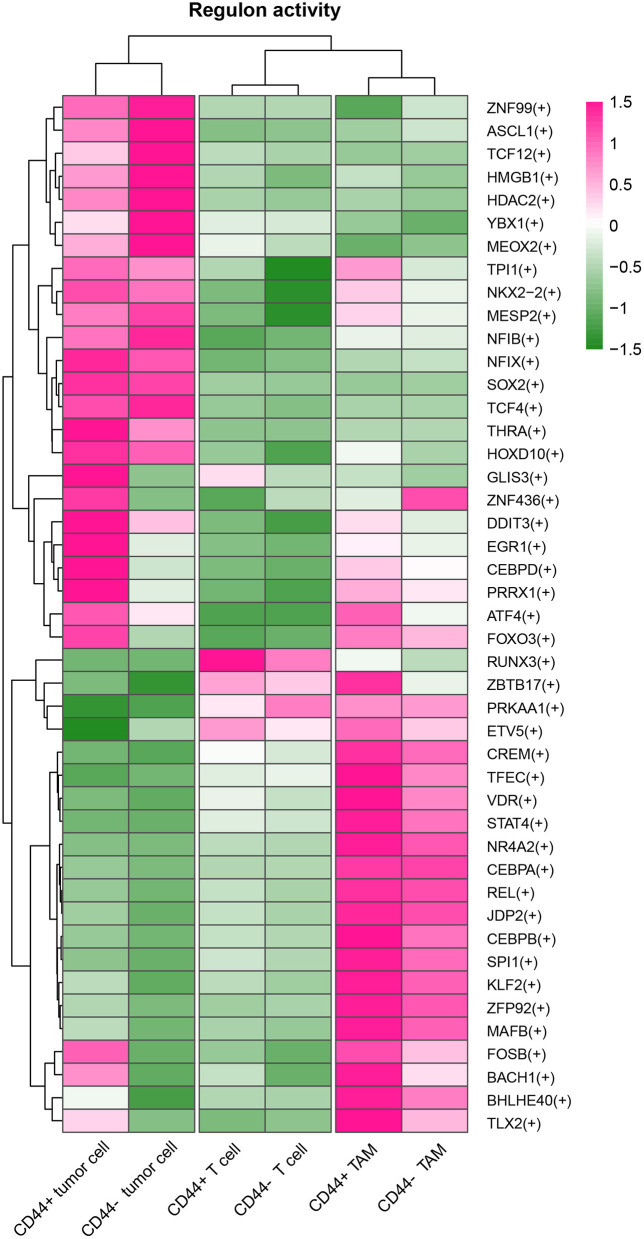
is positively correlated with WHO grade of malignancy and is negatively related to prognosis in glioma. Meanwhile, predominantly expresses in GBM mesenchymal subtype, and gene ontology (GO) and Kyoto Encyclopedia of Genes and Genomes (KEGG) analyses reveal that positively coexpressed genes are closely related to glioma immunity. Moreover, + cells mainly distribute in perinecrotic region with high expression of immune factors. At single-cell resolution, only malignant tumor cells, tumor-associated macrophages (TAMs), and T cells express in GBM. + malignant tumor cells are in mesenchymal-1-like (MES1-like) cellular state, and + TAMs are in M2 phenotype. + T cells have high expression of both and . and its directly interacted inhibitory immunomodulators are upregulated in patients with nonresponder recurrent GBM treated with blockade therapy.
Our work demonstrates that , a new M2 TAM biomarker, is involved in immune suppressor and promote glioma progression in glioma microenvironment. These results expand our understanding of -specific clinical and immune features in glioma.
胶质瘤是最常见的原发性脑肿瘤,预后较差。与预后呈负相关的关键基因可能为治愈胶质瘤提供治疗靶点。为阐明[基因名称]在胶质瘤中的作用,我们在 bulk 转录组、空间和单细胞转录组水平上探究了其功能。
本研究纳入了来自癌症基因组图谱(TCGA)和中国胶质瘤基因组图谱(CGGA)的全级别胶质瘤生存数据表达谱、来自艾维胶质母细胞瘤图谱计划的具有胶质母细胞瘤(GBM)解剖学信息的 RNA 测序(RNA-seq)数据、通过 GSE121810 获取的接受辅助抗免疫治疗的复发性 GBM 的 RNA-seq 数据,以及登录号为 GSE103224 的 GBM 的单细胞 RNA-seq 数据。利用 R 语言对[基因名称]特异性研究结果进行进一步分析。
[基因名称]与 WHO 恶性肿瘤分级呈正相关,与胶质瘤预后呈负相关。同时,[基因名称]主要在 GBM 间充质亚型中表达,基因本体(GO)和京都基因与基因组百科全书(KEGG)分析显示,[基因名称]的正共表达基因与胶质瘤免疫密切相关。此外,[基因名称]+细胞主要分布在坏死周围区域,免疫因子表达较高。在单细胞分辨率下,GBM 中只有恶性肿瘤细胞、肿瘤相关巨噬细胞(TAM)和 T 细胞表达[基因名称]。[基因名称]+恶性肿瘤细胞处于间充质-1 样(MES1 样)细胞状态,[基因名称]+TAM 处于 M2 表型。[基因名称]+T 细胞同时高表达[基因名称]和[另一基因名称]。在接受[治疗方法]阻断治疗的无反应复发性 GBM 患者中,[基因名称]及其直接相互作用的抑制性免疫调节因子上调。
我们的研究表明,[基因名称]作为一种新的 M2 TAM 生物标志物,在胶质瘤微环境中参与免疫抑制并促进胶质瘤进展。这些结果扩展了我们对胶质瘤中[基因名称]特异性临床和免疫特征的理解。