Tabarsi Payam, Vahidi Hossein, Saffaei Ali, Hashemian Seyed Mohammad Reza, Jammati Hamidreza, Daraei Bahram, Mahboubi Arash, Kobarfard Farzad, Marjani Majid, Moniri Afshin, Abtahian Zahra, Abedini Atefeh, Eslaminejad Alireza, Heshmatnia Jalal, Mirenayat Maryam Sadat, Fakharian Atefeh, Seifi Sharareh, Sadeghi Mohsen, Dastan Alireza, Haseli Sara, Nadji Seyed Alireza, Eskandari Raha, Yousefian Sahar, Varahram Mohammad, Zali Alireza, Velayati Ali Akbar, Dastan Farzaneh
Clinical Tuberculosis and Epidemiology Research Center, National Research Institute of Tuberculosis and Lung Diseases (NRITLD), Masih Daneshvari Hospital, Shahid Beheshti University of Medical Sciences, Tehran, Iran.
Department of Pharmaceutical Biotechnology, School of Pharmacy, Shahid Beheshti University of Medical Sciences, Tehran, Iran.
Iran J Pharm Res. 2021 Fall;20(4):1-8. doi: 10.22037/ijpr.2021.115510.15401.
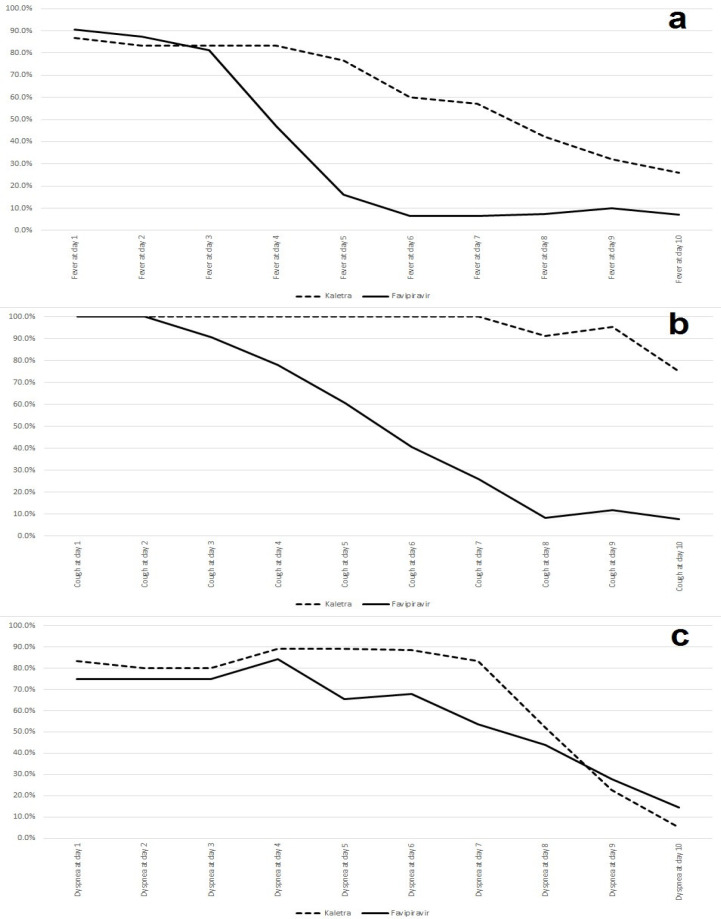
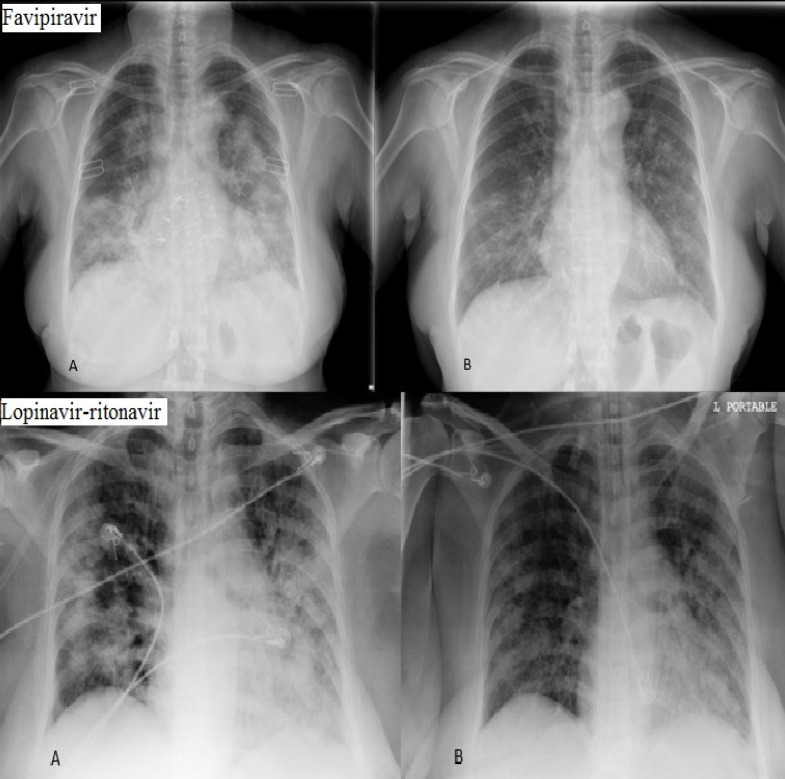
Coronavirus disease -19 (COVID-19) pandemic, caused by SARS-CoV-2, has gradually spread worldwide, becoming a major public health event. This situation requires designing a novel antiviral agent against the SARS-CoV-2; however, this is time-consuming and the use of repurposed medicines may be promising. One such medicine is favipiravir, primarily introduced as an anti-influenza agent in east world. The aim of this study was to evaluate the efficacy and safety of favipiravir in comparison with lopinavir-ritonavir in SARS-CoV-2 infection. In this randomized clinical trial, 62 patients were recruited. These patients had bilateral pulmonary infiltration with peripheral oxygen saturation lower than 93%. The median time from symptoms onset to intervention initiation was seven days. Favipiravir was not available in the Iranian pharmaceutical market, and it was decided to formulate it at the research laboratory of School of Pharmacy, Shahid Beheshti University of Medical Sciences, Tehran, Iran. The patients received favipiravir tablet at a dose of 1600 mg orally twice a day for day one and then 600 mg orally twice a day for days 2 to 6. In the second group, the patients received lopinavir-ritonavir combination tablet at a dose of 200/50 mg twice a day for seven days. Fever, cough, and dyspnea were improved significantly in favipiravir group in comparison with lopinavir-ritonavir group on days four and five. Mortality rate and ICU stay in both groups were similar, and there was no significant difference in this regard ( 0.463 and 0.286, respectively). Chest X-ray improvement also was not significantly different between the two groups. Adverse drug reactions occurred in both groups, and impaired liver enzymes were the most frequent adverse effect. In conclusion, early administration of oral favipiravir may reduce the duration of clinical signs and symptoms in patients with COVID-19 and hospitalization period. The mortality rate also should be investigated in future clinical trials.
由严重急性呼吸综合征冠状病毒2(SARS-CoV-2)引起的冠状病毒病-19(COVID-19)大流行已在全球范围内逐渐蔓延,成为一个重大的公共卫生事件。这种情况需要设计一种针对SARS-CoV-2的新型抗病毒药物;然而,这耗时较长,而重新利用现有药物可能是有前景的。法匹拉韦就是这样一种药物,它最初在东方世界作为一种抗流感药物被引入。本研究的目的是评估法匹拉韦与洛匹那韦-利托那韦相比在SARS-CoV-2感染中的疗效和安全性。在这项随机临床试验中,招募了62名患者。这些患者双侧肺部有浸润,外周血氧饱和度低于93%。从症状出现到开始干预的中位时间为7天。法匹拉韦在伊朗药品市场上没有,因此决定在伊朗德黑兰沙希德·贝赫什提医科大学药学院的研究实验室进行配制。患者在第1天口服法匹拉韦片,剂量为1600毫克,每日两次,然后在第2至6天口服600毫克,每日两次。在第二组中,患者口服洛匹那韦-利托那韦组合片,剂量为200/50毫克,每日两次,共7天。在第4天和第5天,与洛匹那韦-利托那韦组相比,法匹拉韦组的发热、咳嗽和呼吸困难有显著改善。两组的死亡率和入住重症监护病房的情况相似,在这方面没有显著差异(分别为0.463和0.286)。两组胸部X线改善情况也没有显著差异。两组均出现药物不良反应,肝酶受损是最常见的不良反应。总之,早期口服法匹拉韦可能会缩短COVID-19患者临床体征和症状的持续时间以及住院时间。死亡率也应在未来的临床试验中进行研究。