Department of Medicine I, University Hospital, LMU Munich, Munich, Germany.
DZHK (German Centre for Cardiovascular Research), partner site Munich Heart Alliance, Munich, Germany.
Nat Commun. 2022 Feb 23;13(1):1018. doi: 10.1038/s41467-022-28508-0.
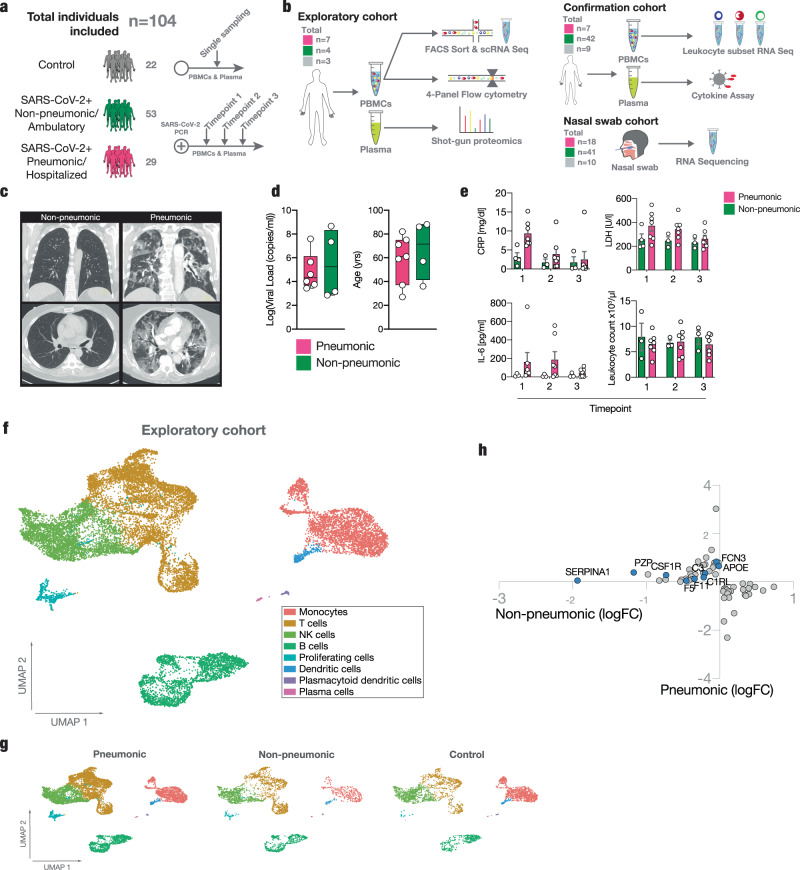
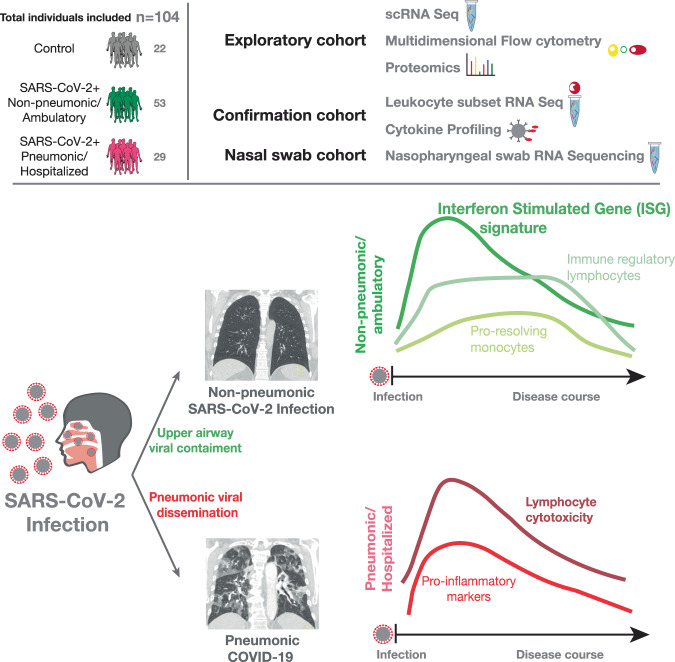
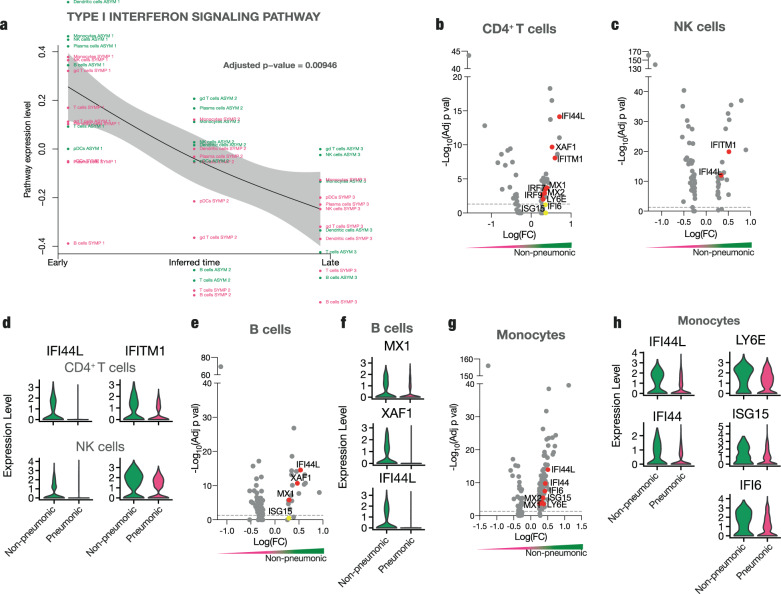
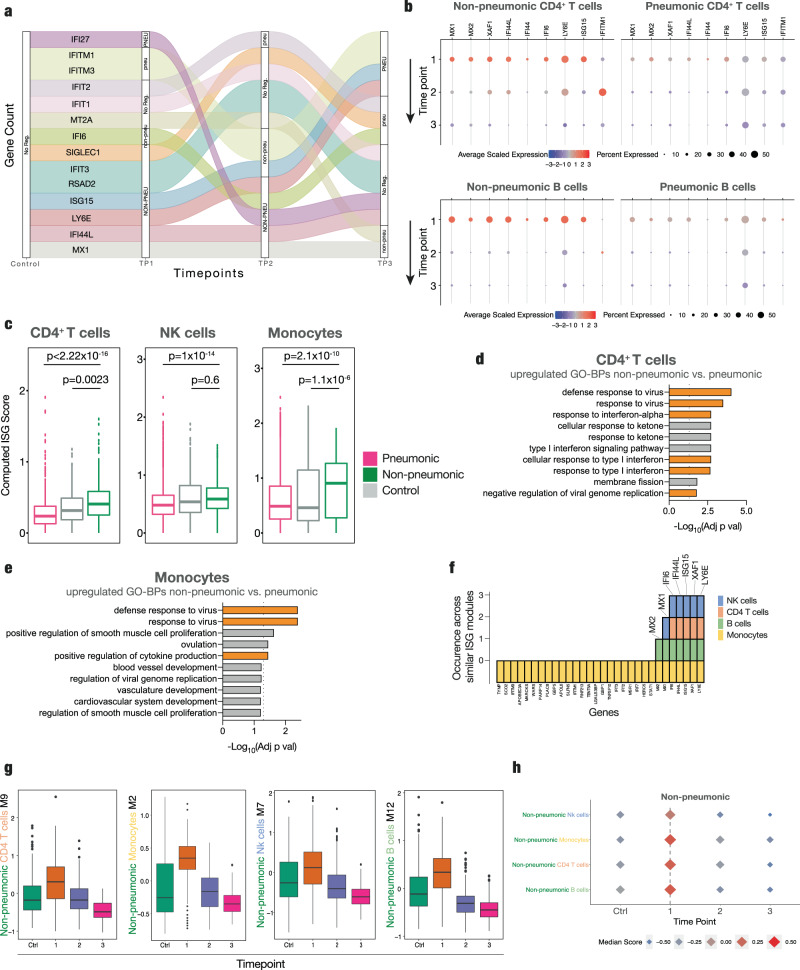
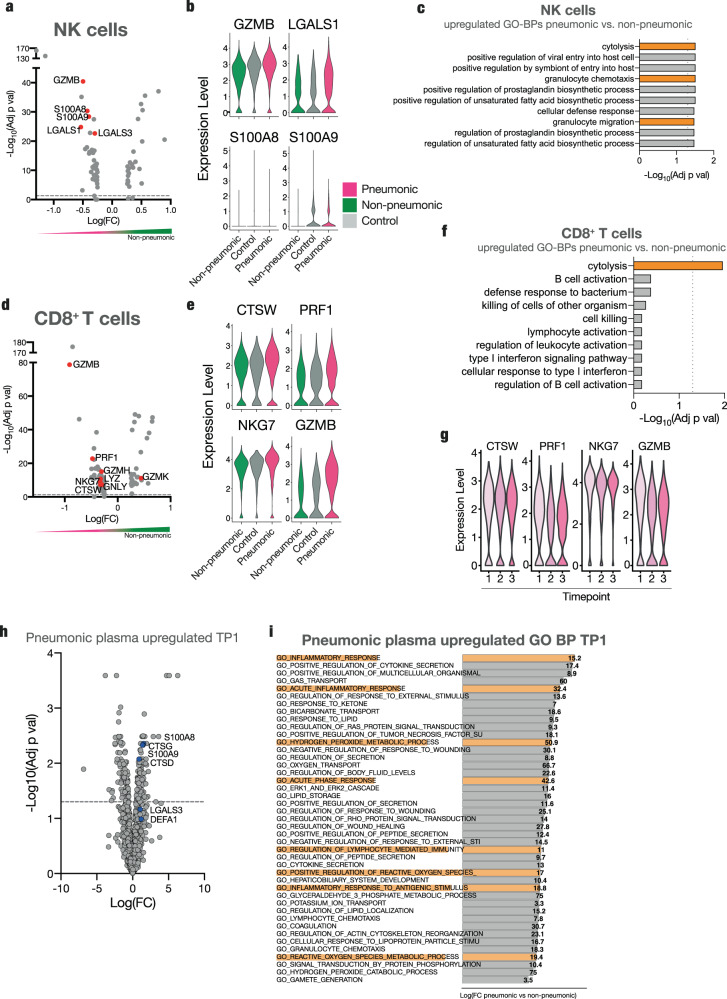
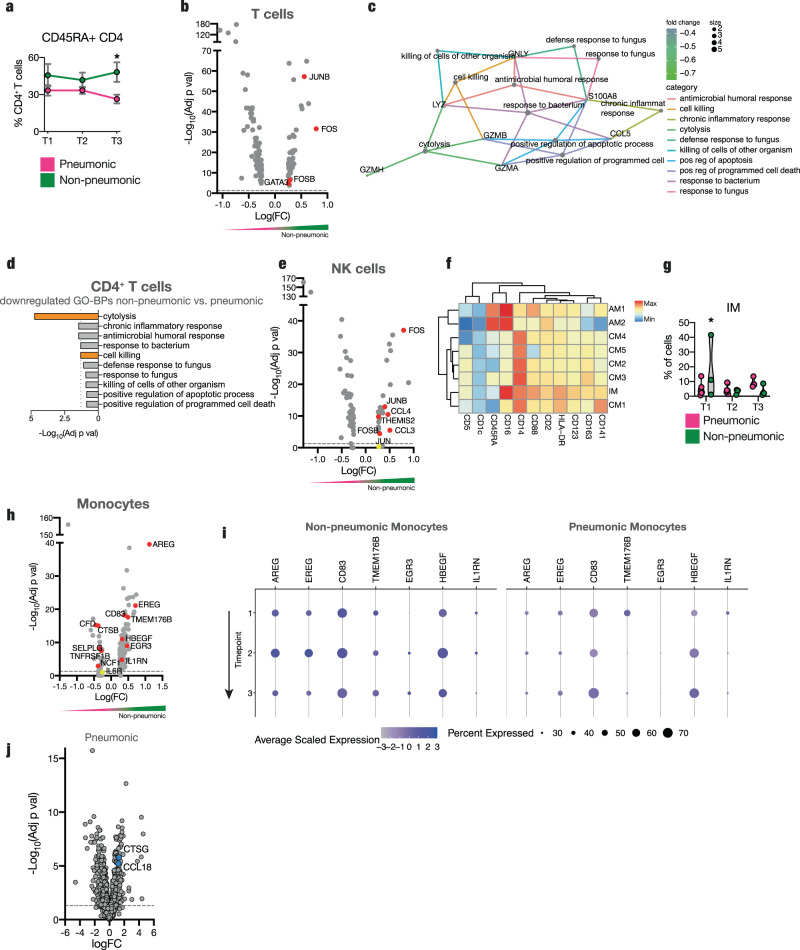
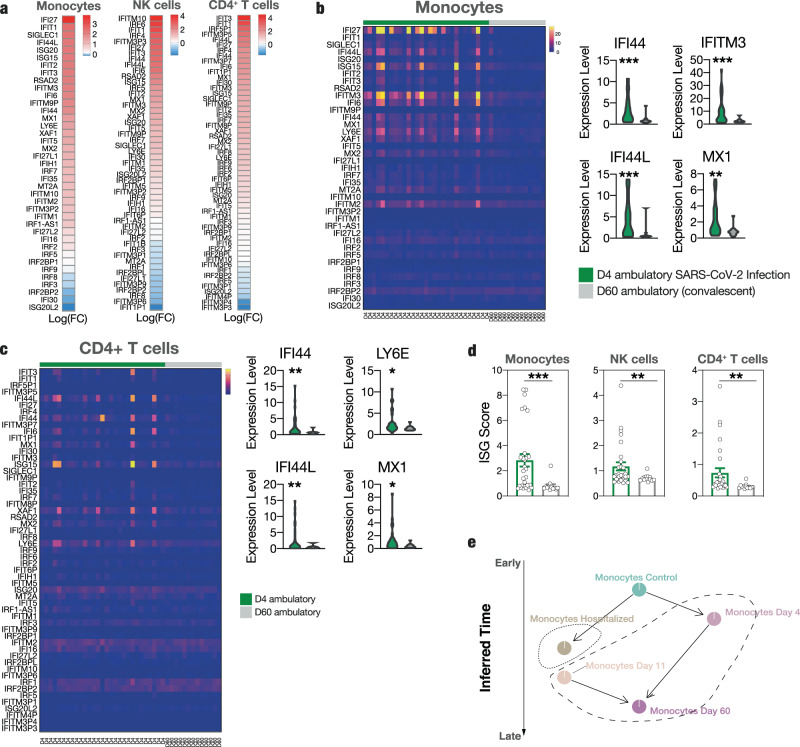
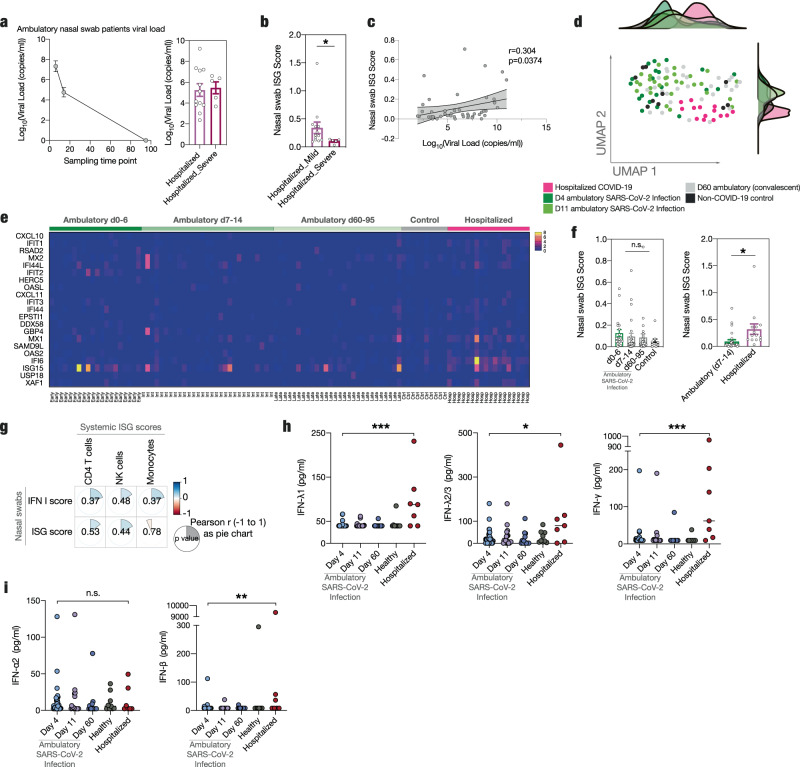
The antiviral immune response to SARS-CoV-2 infection can limit viral spread and prevent development of pneumonic COVID-19. However, the protective immunological response associated with successful viral containment in the upper airways remains unclear. Here, we combine a multi-omics approach with longitudinal sampling to reveal temporally resolved protective immune signatures in non-pneumonic and ambulatory SARS-CoV-2 infected patients and associate specific immune trajectories with upper airway viral containment. We see a distinct systemic rather than local immune state associated with viral containment, characterized by interferon stimulated gene (ISG) upregulation across circulating immune cell subsets in non-pneumonic SARS-CoV2 infection. We report reduced cytotoxic potential of Natural Killer (NK) and T cells, and an immune-modulatory monocyte phenotype associated with protective immunity in COVID-19. Together, we show protective immune trajectories in SARS-CoV2 infection, which have important implications for patient prognosis and the development of immunomodulatory therapies.
针对 SARS-CoV-2 感染的抗病毒免疫反应可以限制病毒传播并防止出现肺炎型 COVID-19。然而,在上呼吸道中成功遏制病毒所涉及的保护性免疫反应仍不清楚。在这里,我们结合多组学方法和纵向采样,揭示了非肺炎型和非住院 SARS-CoV-2 感染患者中与时间相关的保护性免疫特征,并将特定的免疫轨迹与上呼吸道病毒遏制相关联。我们发现与病毒遏制相关的是一种独特的系统性而不是局部性免疫状态,其特征是循环免疫细胞亚群中干扰素刺激基因(ISG)的上调。我们报告了自然杀伤(NK)和 T 细胞的细胞毒性潜力降低,以及与 COVID-19 中保护性免疫相关的免疫调节单核细胞表型。总之,我们展示了 SARS-CoV-2 感染中的保护性免疫轨迹,这对患者预后和免疫调节疗法的发展具有重要意义。