Vaquette Cedryck, Mitchell Joshua, Ivanovski Sašo
School of Dentistry, Centre for Orofacial Regeneration, Reconstruction and Rehabilitation (COR3), The University of Queensland, Herston, QLD, Australia.
Front Bioeng Biotechnol. 2022 Feb 7;9:798393. doi: 10.3389/fbioe.2021.798393. eCollection 2021.
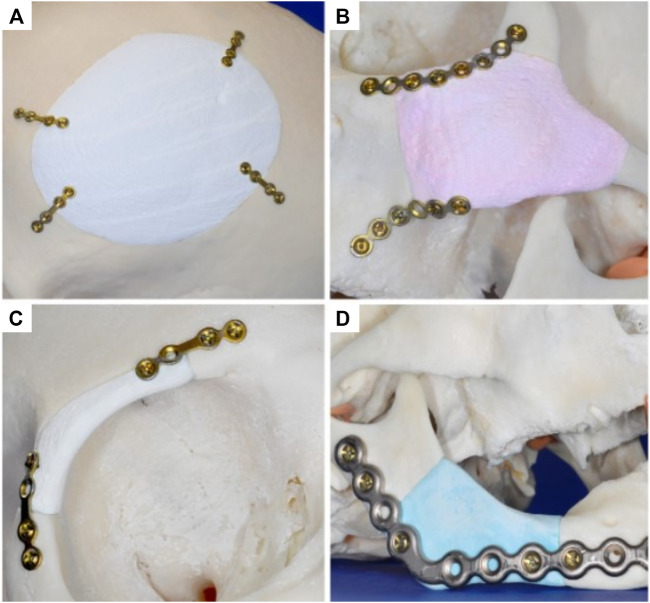
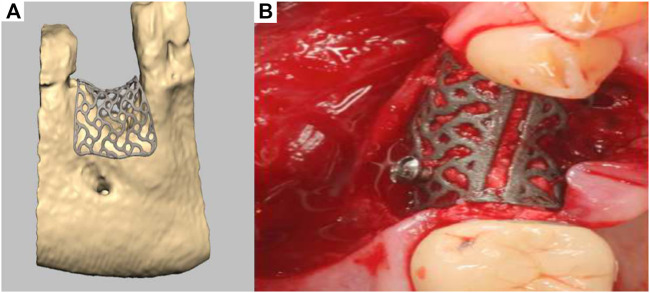
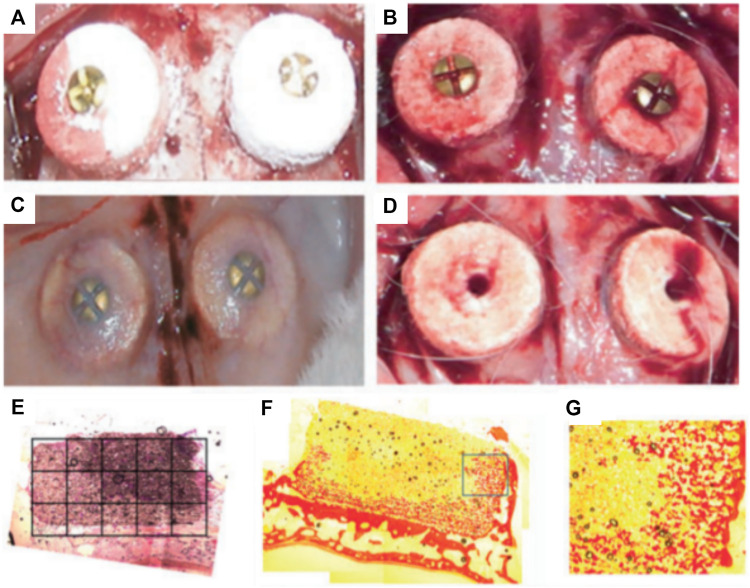
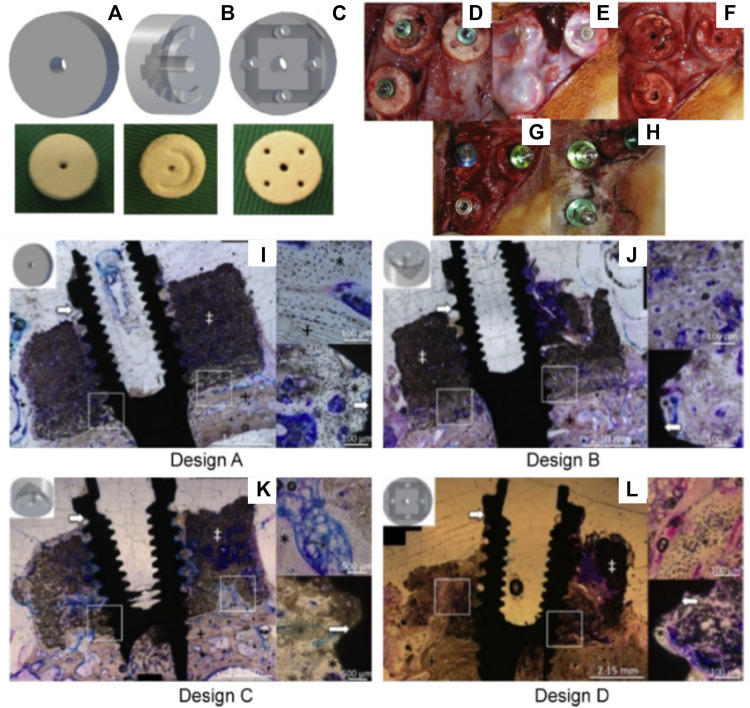
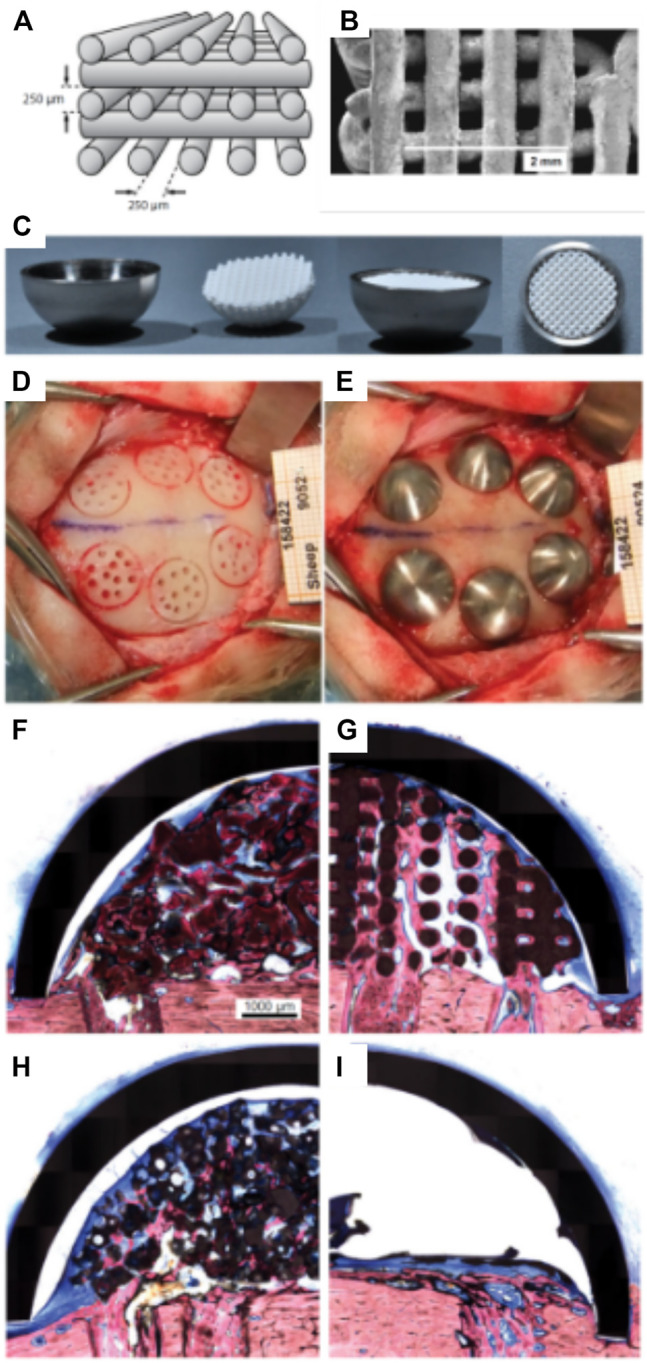
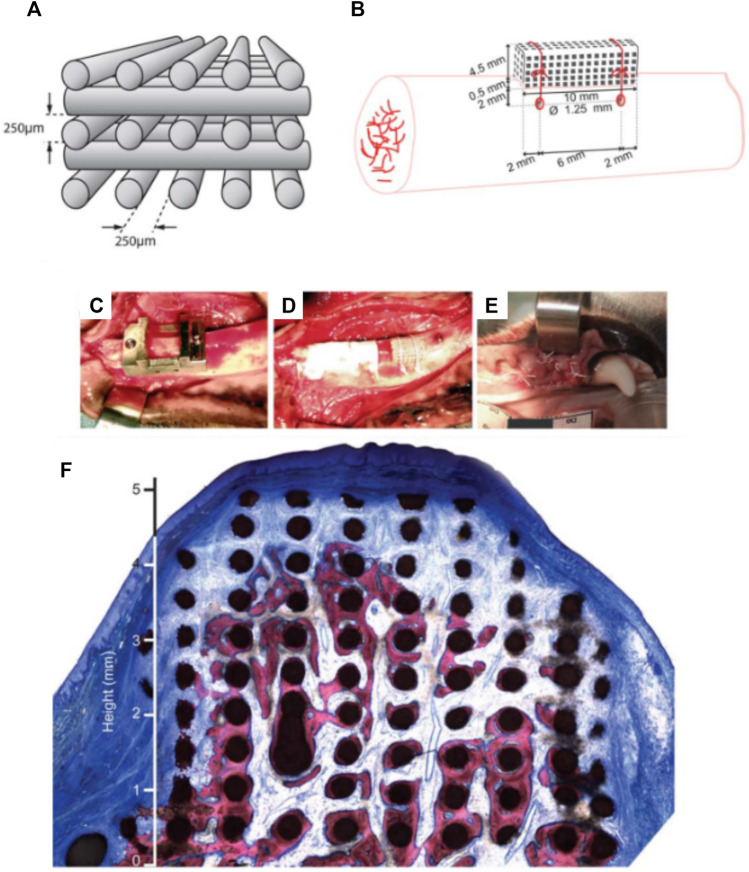
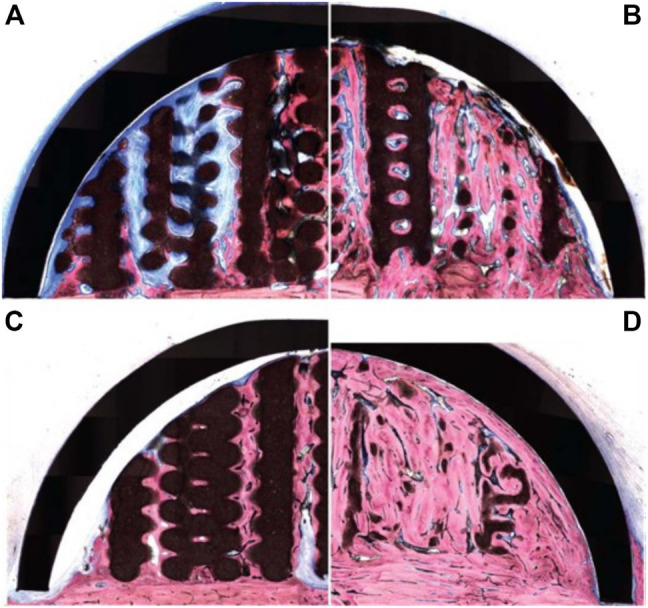
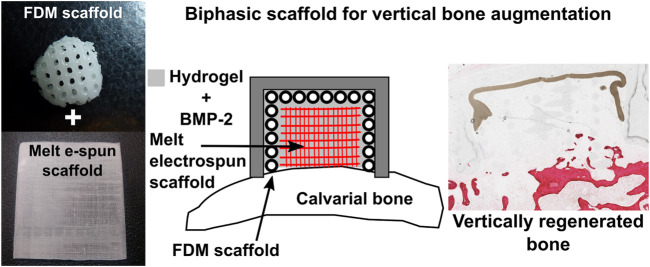
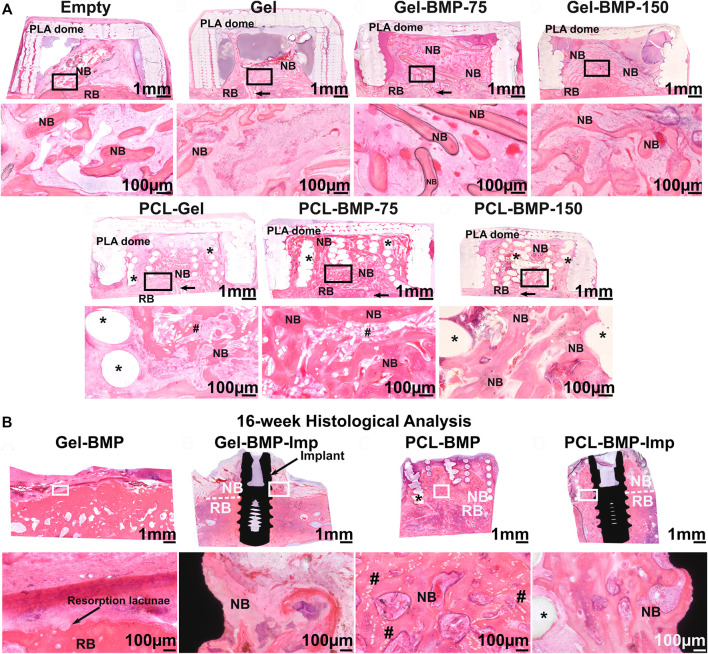
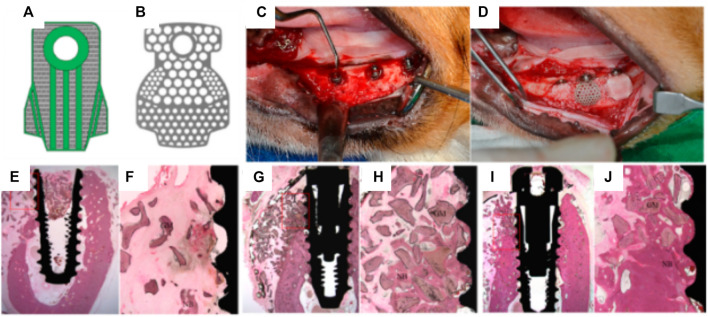
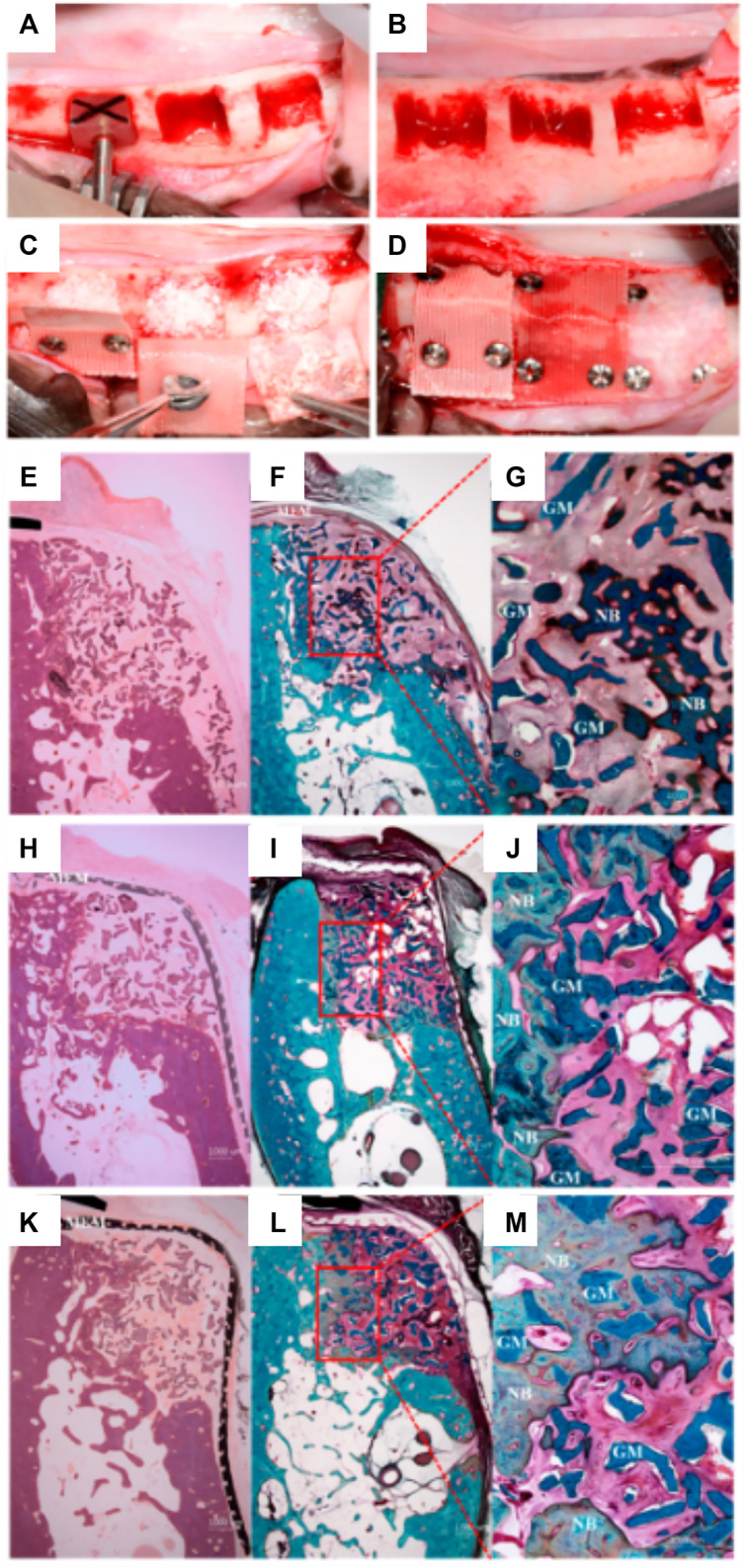
Vertical bone augmentation is aimed at regenerating bone extraskeletally (outside the skeletal envelope) in order to increase bone height. It is generally required in the case of moderate to severe atrophy of bone in the oral cavity due to tooth loss, trauma, or surgical resection. Currently utilized surgical techniques, such as autologous bone blocks, distraction osteogenesis, and Guided Bone Regeneration (GBR), have various limitations, including morbidity, compromised dimensional stability due to suboptimal resorption rates, poor structural integrity, challenging handling properties, and/or high failure rates. Additive manufacturing (3D printing) facilitates the creation of highly porous, interconnected 3-dimensional scaffolds that promote vascularization and subsequent osteogenesis, while providing excellent handling and space maintaining properties. This review describes and critically assesses the recent progress in additive manufacturing technologies for scaffold, membrane or mesh fabrication directed at vertical bone augmentation and Guided Bone Regeneration and their application.
垂直骨增量旨在在骨骼外(骨骼包膜之外)再生骨组织,以增加骨高度。在因牙齿缺失、创伤或手术切除导致口腔中重度骨萎缩的情况下,通常需要进行垂直骨增量。目前使用的手术技术,如自体骨块、牵张成骨和引导骨再生(GBR),存在各种局限性,包括发病率、由于吸收速率不理想导致的尺寸稳定性受损、结构完整性差、操作性能具有挑战性和/或高失败率。增材制造(3D打印)有助于创建高度多孔、相互连接的三维支架,促进血管生成和随后的骨生成,同时提供出色的操作和空间维持性能。本综述描述并批判性地评估了用于垂直骨增量和引导骨再生的支架、膜或网片制造的增材制造技术的最新进展及其应用。