Department of Veterinary Sciences, University of Messina, Polo Universitario dell'Annunziata, 98168 Messina, Italy.
Institute for Marine Biological Resources and Biotechnology (IRBIM), National Research Council (CNR), 98122 Messina, Italy.
Mar Drugs. 2022 Feb 17;20(2):145. doi: 10.3390/md20020145.
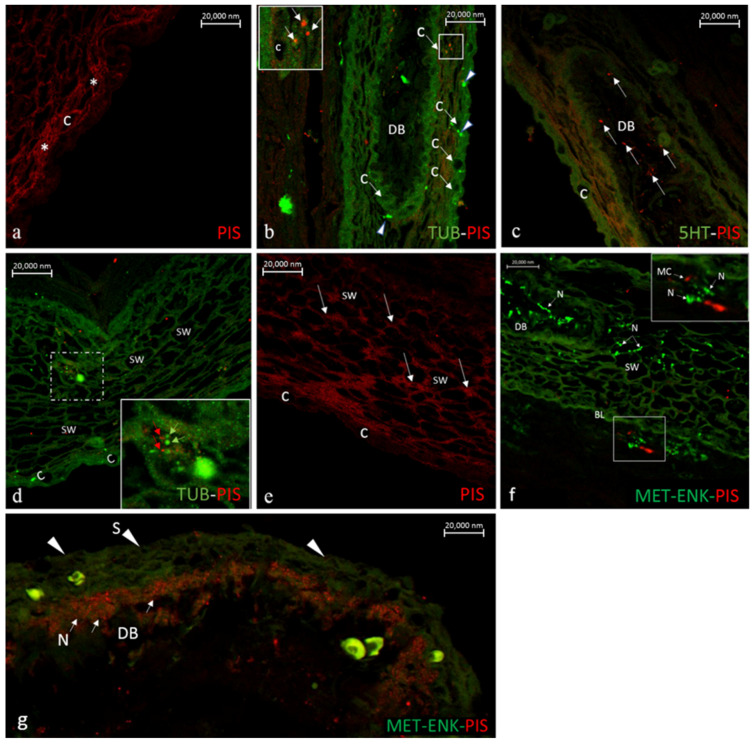
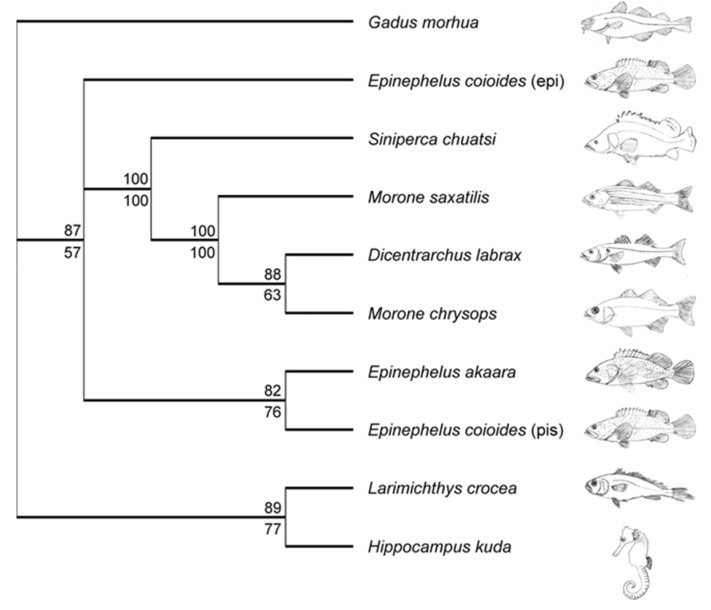
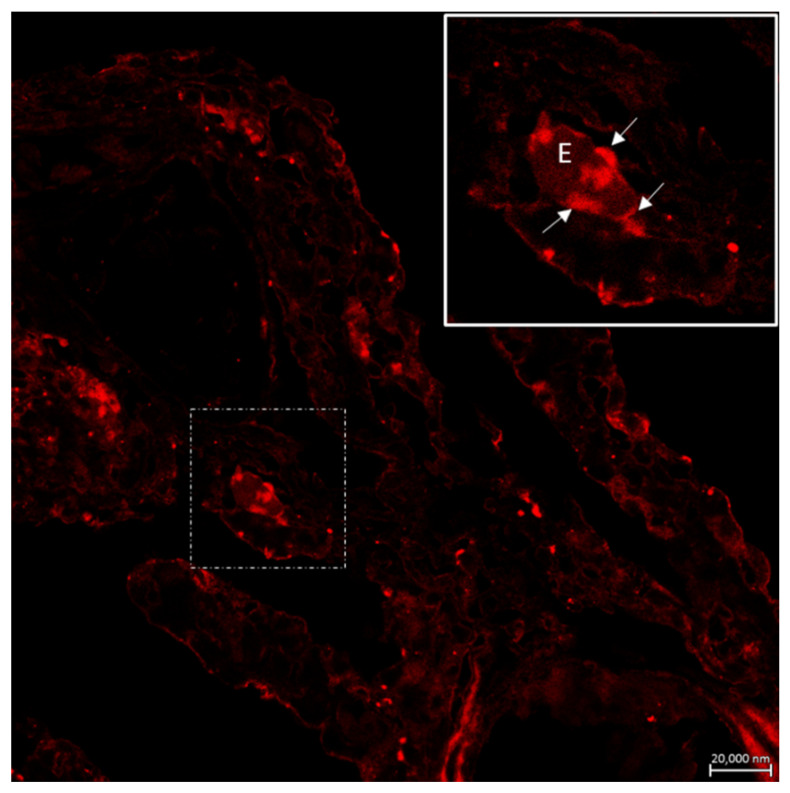
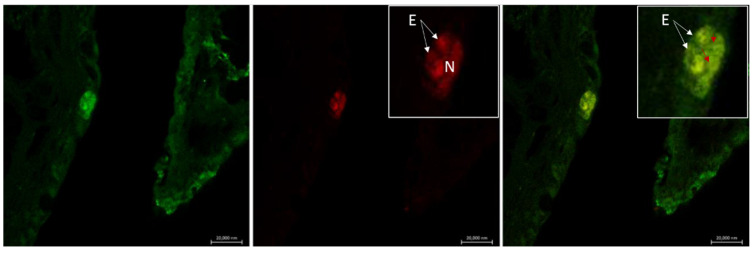
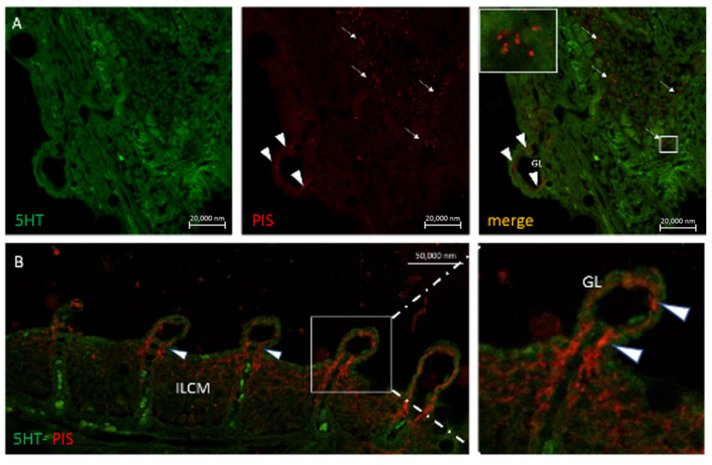
Antimicrobial peptides (AMPs) are found widespread in nature and possess antimicrobial and immunomodulatory activities. Due to their multifunctional properties, these peptides are a focus of growing body of interest and have been characterized in several fish species. Due to their similarities in amino-acid composition and amphipathic design, it has been suggested that neuropeptides may be directly involved in the innate immune response against pathogen intruders. In this review, we report the molecular characterization of the fish-specific AMP piscidin1, the production of an antibody raised against this peptide and the immunohistochemical identification of this peptide and enkephalins in the neuroepithelial cells (NECs) in the gill of several teleost fish species living in different habitats. In spite of the abundant literature on Piscidin1, the biological role of this peptide in fish visceral organs remains poorly explored, as well as the role of the neuropeptides in neuroimmune interaction in fish. The NECs, by their role as sensors of hypoxia changes in the external environments, in combination with their endocrine nature and secretion of immunomodulatory substances would influence various types of immune cells that contain piscidin, such as mast cells and eosinophils, both showing interaction with the nervous system. The discovery of piscidins in the gill and skin, their diversity and their role in the regulation of immune response will lead to better selection of these immunomodulatory molecules as drug targets to retain antimicrobial barrier function and for aquaculture therapy in the future.
抗菌肽(AMPs)广泛存在于自然界中,具有抗菌和免疫调节活性。由于其多功能特性,这些肽是越来越多关注的焦点,并在几种鱼类中得到了特征描述。由于其在氨基酸组成和两亲性设计上的相似性,有人提出神经肽可能直接参与针对病原体入侵的先天免疫反应。在这篇综述中,我们报告了鱼类特异性 AMP 鱼抗菌肽 1 的分子特征、针对这种肽产生的抗体以及这种肽和脑啡肽在几种生活在不同生境的硬骨鱼类鳃神经上皮细胞(NECs)中的免疫组织化学鉴定。尽管关于鱼抗菌肽 1 的文献很多,但这种肽在鱼类内脏器官中的生物学作用仍未得到充分探索,神经肽在鱼类神经免疫相互作用中的作用也未得到充分探索。NECs 作为对外界环境中缺氧变化的传感器,结合其内分泌性质和免疫调节物质的分泌,将影响含有鱼抗菌肽的各种类型的免疫细胞,如肥大细胞和嗜酸性粒细胞,两者都与神经系统相互作用。在鳃和皮肤中发现鱼抗菌肽、它们的多样性以及它们在免疫反应调节中的作用,将有助于更好地选择这些免疫调节分子作为药物靶点,以保留抗菌屏障功能,并在未来用于水产养殖治疗。