Gómez-Arnaiz Sara, Tate Rothwelle J, Grant Mary Helen
Wolfson Centre, Biomedical Engineering Department, University of Strathclyde, Glasgow G4 0NW, UK.
Strathclyde Institute for Pharmacy & Biomedical Sciences, University of Strathclyde, 161 Cathedral Street, Glasgow G4 0RE, UK.
Toxics. 2022 Jan 28;10(2):59. doi: 10.3390/toxics10020059.
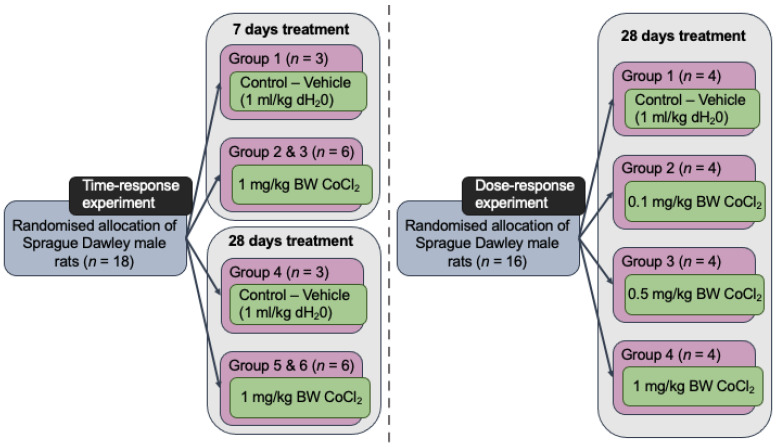
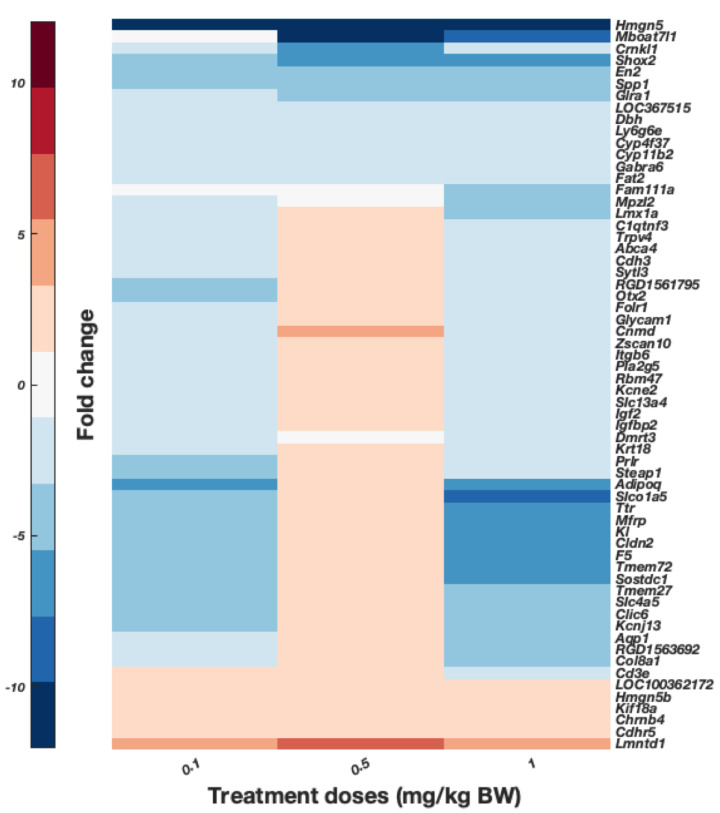
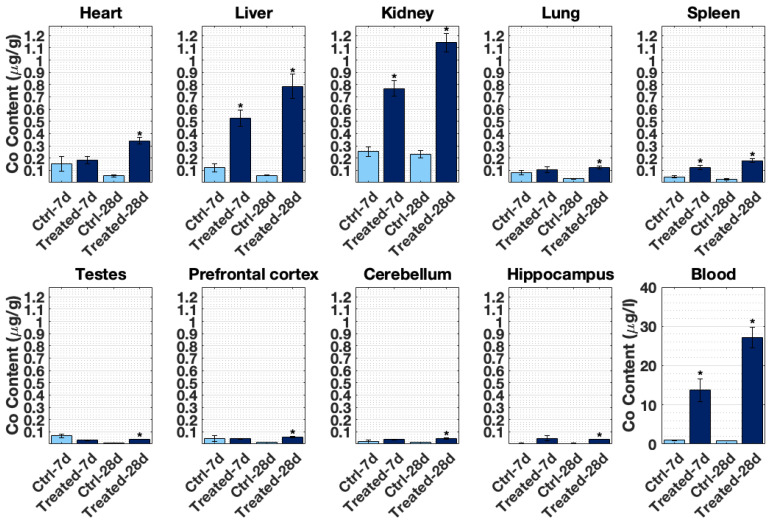
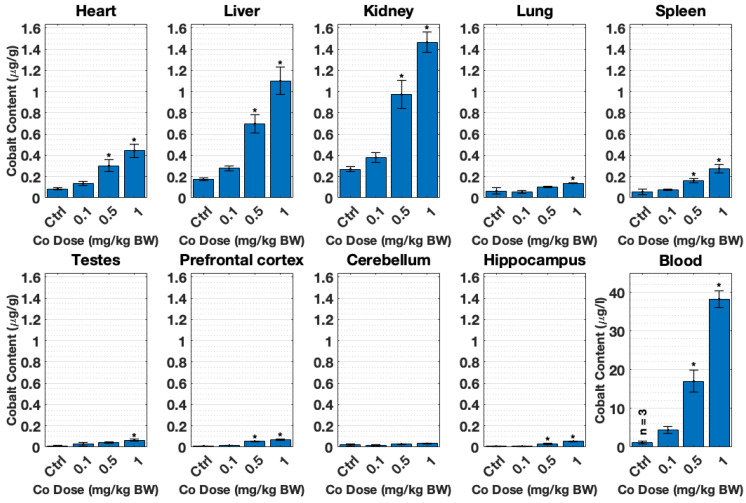
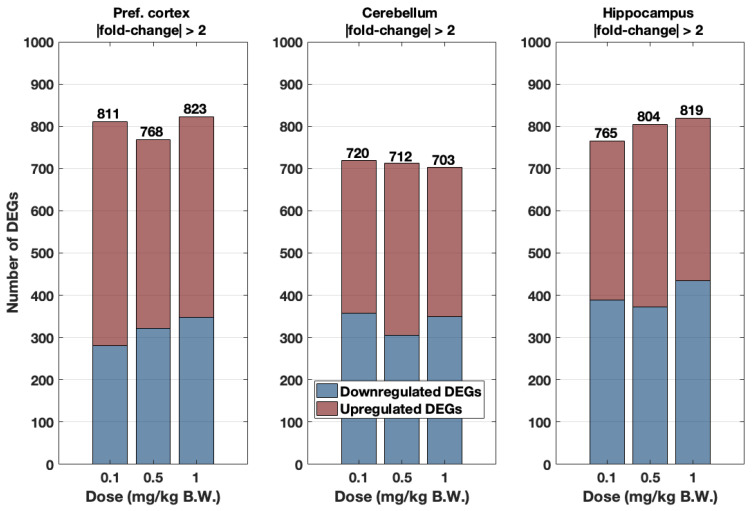
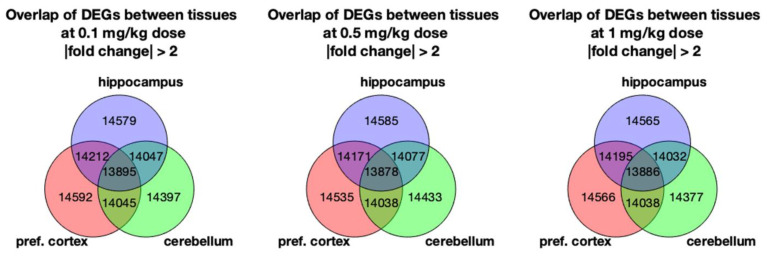
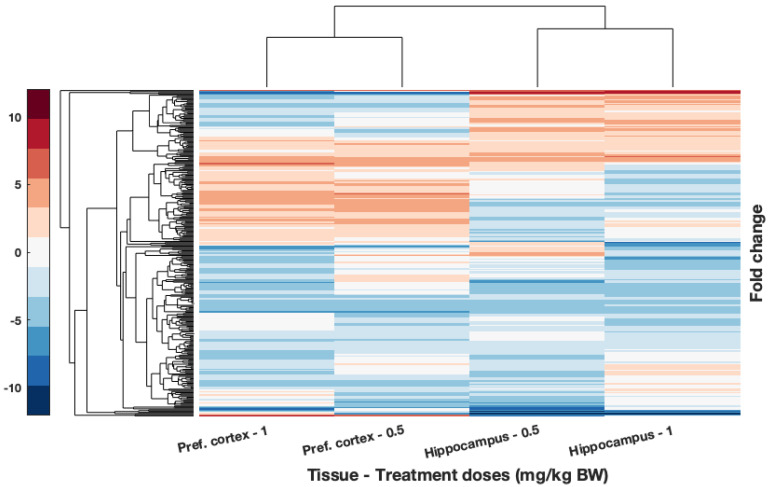
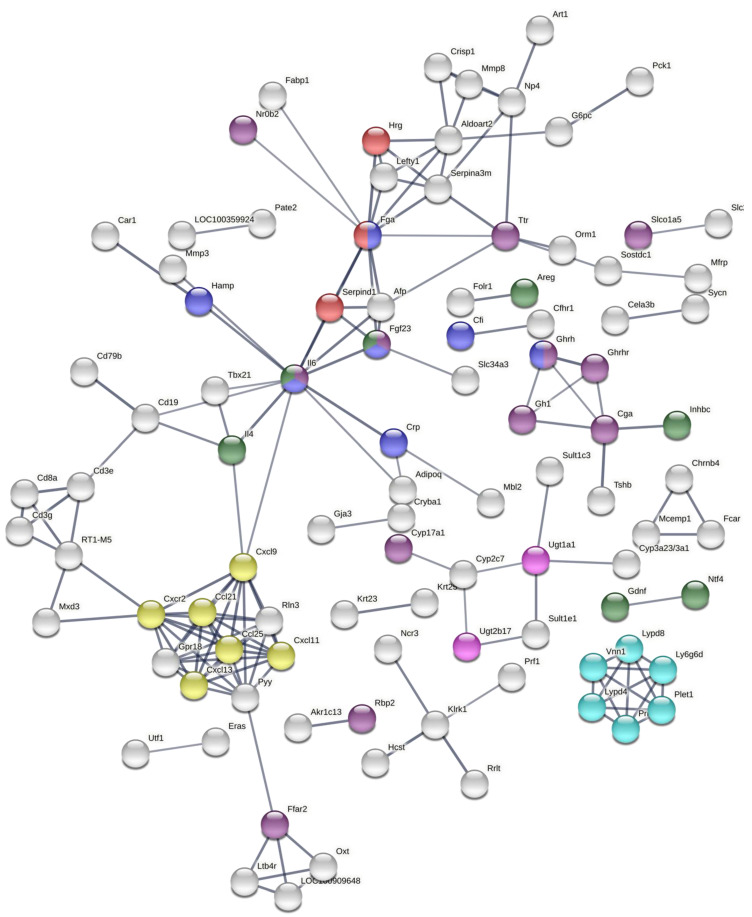
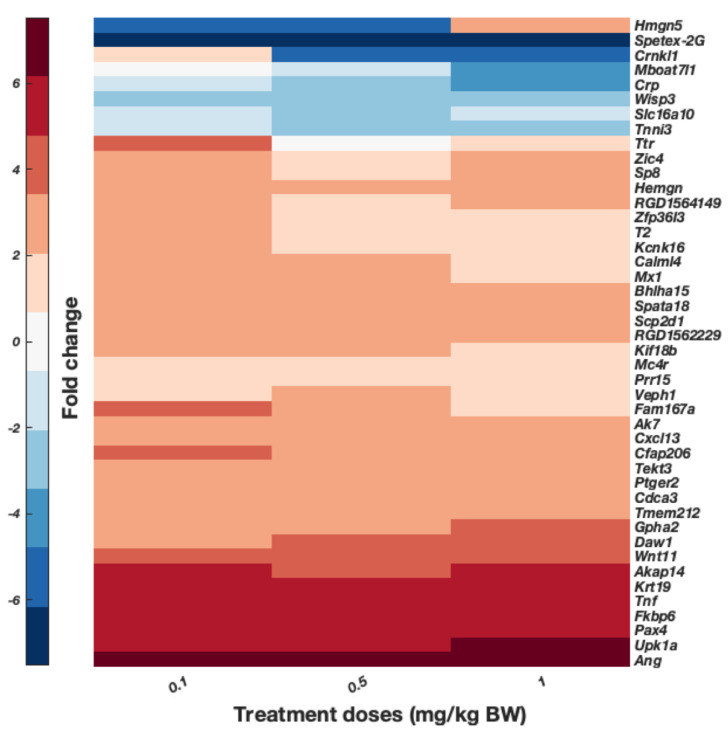
Metal-on-metal (MoM) hip implants made of cobalt chromium (CoCr) alloy have shown early failure compared with other bearing materials. A consequence of the abnormal wear produced by these prostheses is elevated levels of cobalt in the blood of patients, which can lead to systemic conditions involving cardiac and neurological symptoms. In order to better understand the implications for patients with these implants, we carried out metal content and RNA-Seq analysis of excised tissue from rats treated intraperitonially for 28 days with low concentrations of cobalt. Cobalt blood levels in dosed rats were found to be similar to those seen in some patients with MoM implants (range: 4-38 μg/L Co in blood). Significant accumulation of cobalt was measured in a range of tissues including kidney, liver, and heart, but also in brain tissue. RNA-Seq analysis of neural tissue revealed that exposure to cobalt induces a transcriptional response in the prefrontal cortex (pref. cortex), cerebellum, and hippocampus. Many of the most up- and downregulated genes appear to correspond to choroid plexus transcripts. These results indicate that the choroid plexus could be the brain tissue most affected by cobalt. More specifically, the differentially expressed genes show a disruption of steroidogenesis and lipid metabolism. Several other transcripts also demonstrate that cobalt induces an immune response. In summary, cobalt exposure induces alterations in the brain transcriptome, more specifically, the choroid plexus, which is in direct contact with neurotoxicants at the blood-cerebrospinal fluid barrier.
与其他轴承材料相比,由钴铬(CoCr)合金制成的金属对金属(MoM)髋关节植入物已显示出早期失效。这些假体产生的异常磨损的一个后果是患者血液中钴含量升高,这可能导致涉及心脏和神经症状的全身性疾病。为了更好地了解这些植入物对患者的影响,我们对腹腔注射低浓度钴28天的大鼠切除组织进行了金属含量和RNA测序分析。发现给药大鼠的钴血水平与一些MoM植入物患者的水平相似(范围:血液中钴含量为4-38μg/L)。在包括肾脏、肝脏和心脏在内的一系列组织中,以及脑组织中都检测到了钴的显著积累。对神经组织的RNA测序分析表明,接触钴会在前额叶皮质、小脑和海马体中诱导转录反应。许多上调和下调最多的基因似乎与脉络丛转录本相对应。这些结果表明脉络丛可能是受钴影响最大的脑组织。更具体地说,差异表达基因显示类固醇生成和脂质代谢受到破坏。其他一些转录本也表明钴会诱导免疫反应。总之,接触钴会诱导大脑转录组的改变,更具体地说是脉络丛的改变,脉络丛在血脑屏障处与神经毒物直接接触。