Departments of Medicine and Cell Biology, SUNY Downstate Medical Center, New York, NY, USA.
Departments of Medicine and Cell Biology, SUNY Downstate Medical Center, New York, NY, USA.
J Lipid Res. 2022 Apr;63(4):100185. doi: 10.1016/j.jlr.2022.100185. Epub 2022 Feb 21.
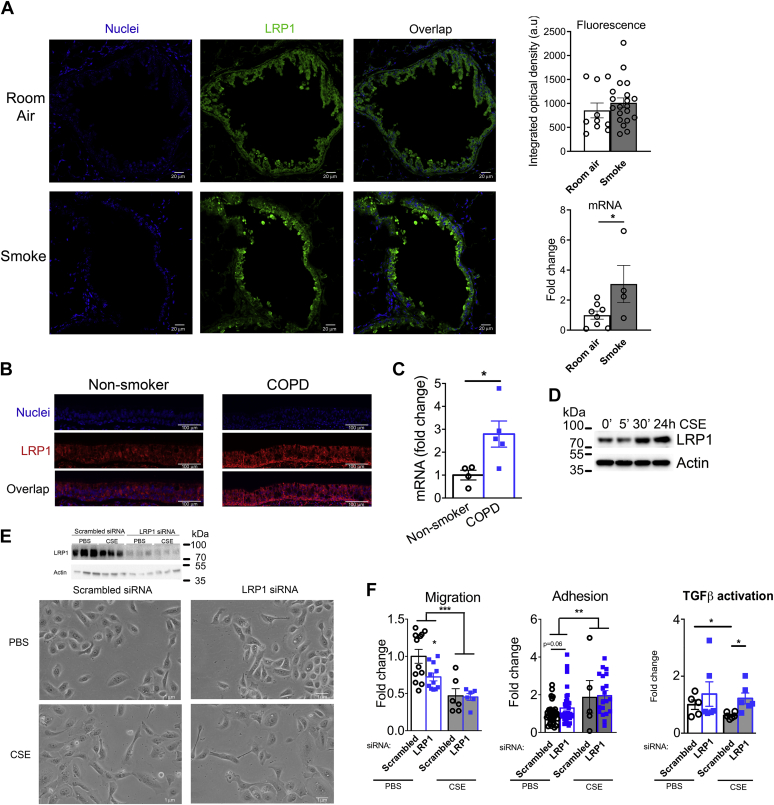
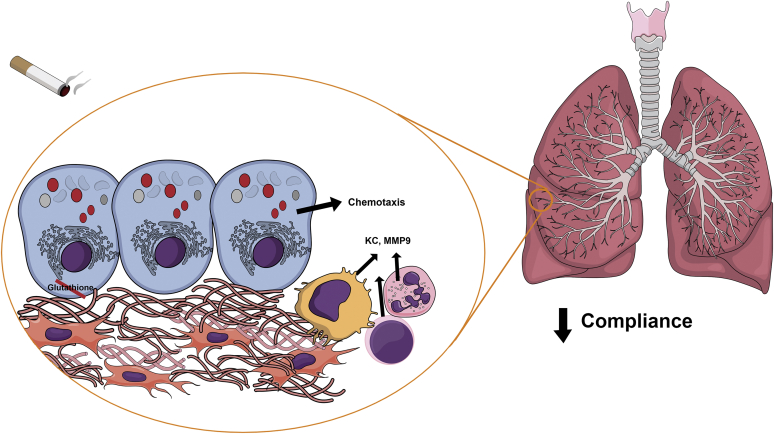
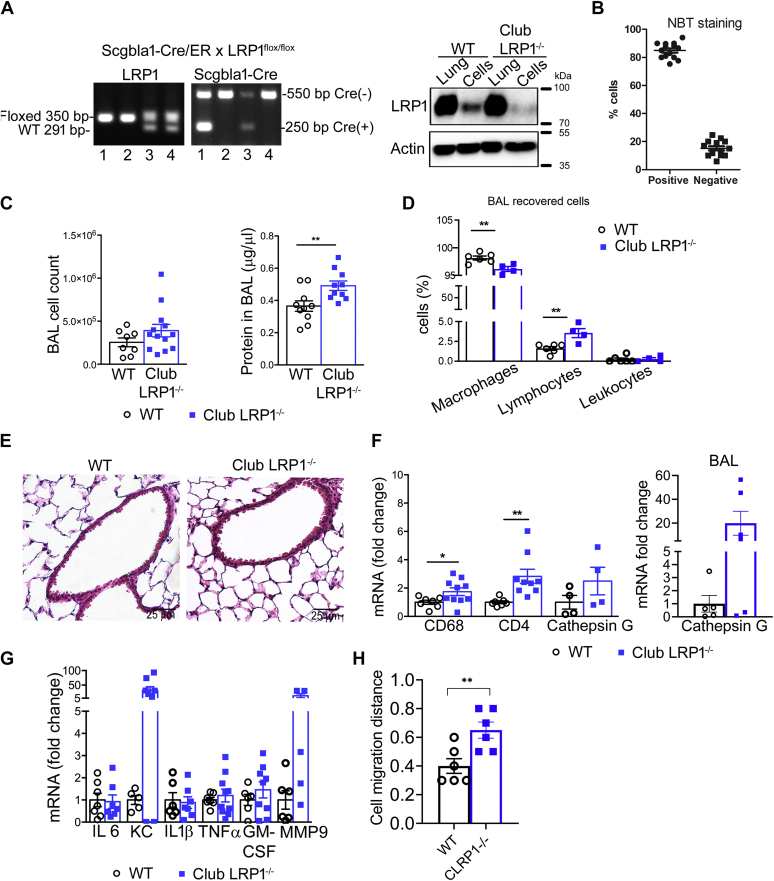
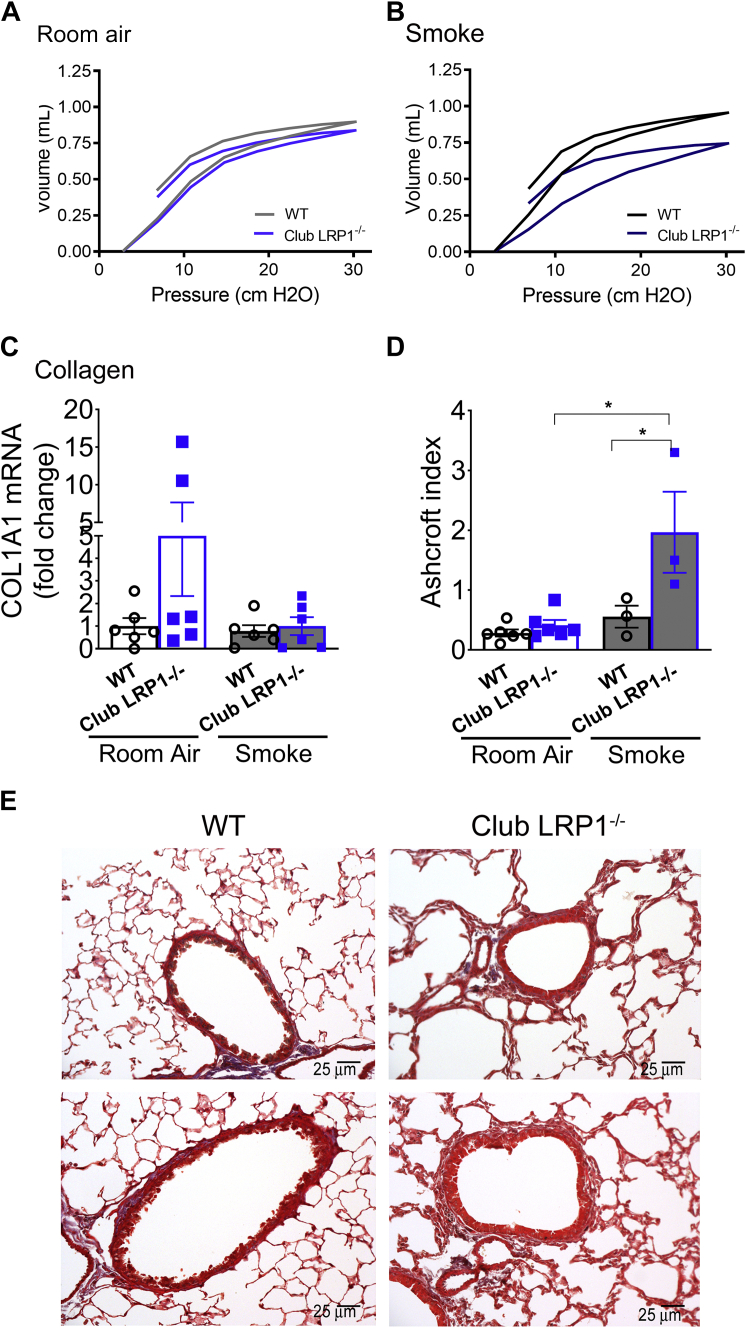
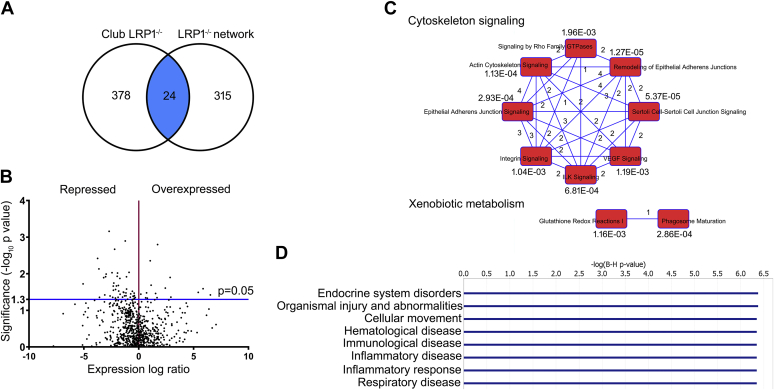
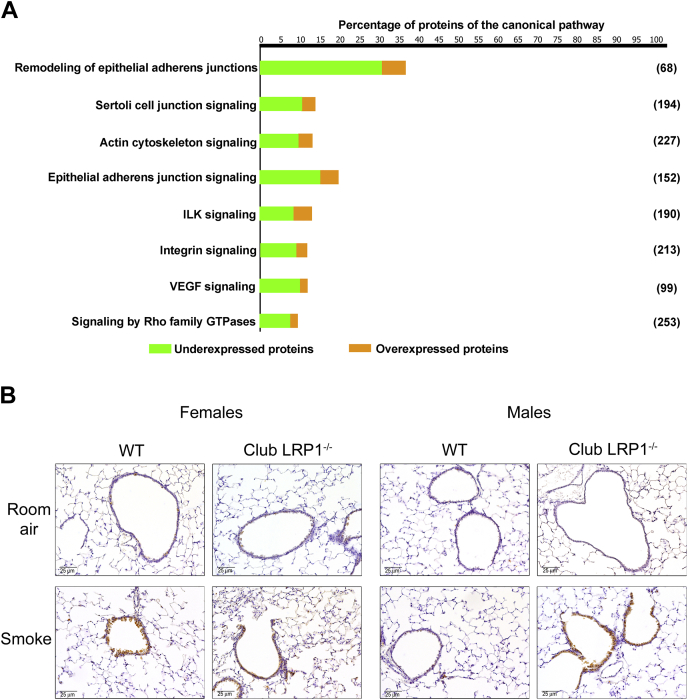
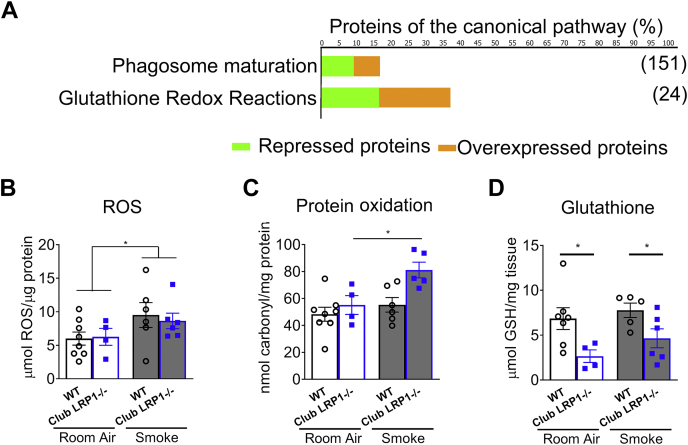
The LDL receptor-related protein 1 (LRP1) partakes in metabolic and signaling events regulated in a tissue-specific manner. The function of LRP1 in airways has not been studied. We aimed to study the function of LRP1 in smoke-induced disease. We found that bronchial epithelium of patients with chronic obstructive pulmonary disease and airway epithelium of mice exposed to smoke had increased LRP1 expression. We then knocked out LRP1 in human bronchial epithelial cells in vitro and in airway epithelial club cells in mice. In vitro, LRP1 knockdown decreased cell migration and increased transforming growth factor β activation. Tamoxifen-inducible airway-specific LRP1 knockout mice (club Lrp1) induced after complete lung development had increased inflammation in the bronchoalveolar space and lung parenchyma at baseline. After 6 months of smoke exposure, club Lrp1 mice showed a combined restrictive and obstructive phenotype, with lower compliance, inspiratory capacity, and forced expiratory volume/forced vital capacity than WT smoke-exposed mice. This was associated with increased values of Ashcroft fibrotic index. Proteomic analysis of room air exposed-club Lrp1 mice showed significantly decreased levels of proteins involved in cytoskeleton signaling and xenobiotic detoxification as well as decreased levels of glutathione. The proteome fingerprint created by smoke eclipsed many of the original differences, but club Lrp1 mice continued to have decreased lung glutathione levels and increased protein oxidative damage and airway cell proliferation. Therefore, LRP1 deficiency leads to greater lung inflammation and damage and exacerbates smoke-induced lung disease.
低密度脂蛋白受体相关蛋白 1(LRP1)参与代谢和信号事件的调节,具有组织特异性。LRP1 在气道中的功能尚未被研究过。我们旨在研究 LRP1 在吸烟引起的疾病中的作用。我们发现,慢性阻塞性肺疾病患者的支气管上皮细胞和暴露于烟雾的小鼠气道上皮细胞中 LRP1 表达增加。随后,我们在体外敲除了人支气管上皮细胞中的 LRP1 和小鼠气道上皮细胞中的 club 细胞中的 LRP1。在体外,LRP1 敲低降低了细胞迁移并增加了转化生长因子β的激活。在完全肺发育后,用他莫昔芬诱导的气道特异性 LRP1 敲除小鼠(club Lrp1)可在基线时增加支气管肺泡空间和肺实质的炎症。在 6 个月的吸烟暴露后,club Lrp1 小鼠表现出混合性限制性和阻塞性表型,与 WT 吸烟暴露小鼠相比,顺应性、吸气量和用力呼气量/用力肺活量均降低。这与 Ashcroft 纤维化指数的增加值有关。对在室气中暴露的 club Lrp1 小鼠进行蛋白质组学分析显示,细胞骨架信号和外来物解毒相关的蛋白质水平显著降低,谷胱甘肽水平降低。暴露于烟雾的蛋白质组指纹掩盖了许多原始差异,但 club Lrp1 小鼠的肺谷胱甘肽水平持续降低,蛋白氧化损伤和气道细胞增殖增加。因此,LRP1 缺乏导致更大的肺炎症和损伤,并加重吸烟引起的肺病。