Eschweiler Jörg, Li Jianzhang, Quack Valentin, Rath Björn, Baroncini Alice, Hildebrand Frank, Migliorini Filippo
Department of Orthopaedics, Trauma and Reconstructive Surgery, RWTH Aachen University Hospital, Pauwelsstraße 30, 52074 Aachen, Germany.
Department of Orthopaedic Surgery, Klinikum Wels-Grieskirchen, 4600 Wels, Austria.
Life (Basel). 2022 Jan 27;12(2):188. doi: 10.3390/life12020188.
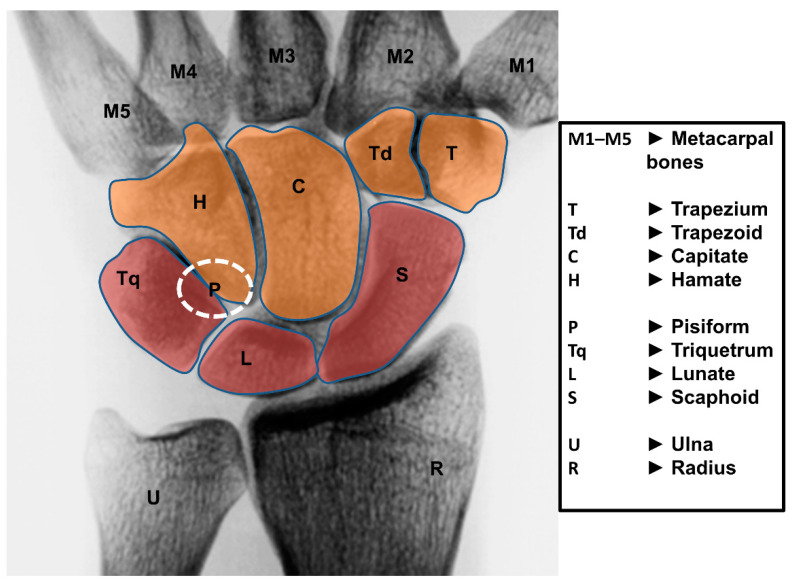
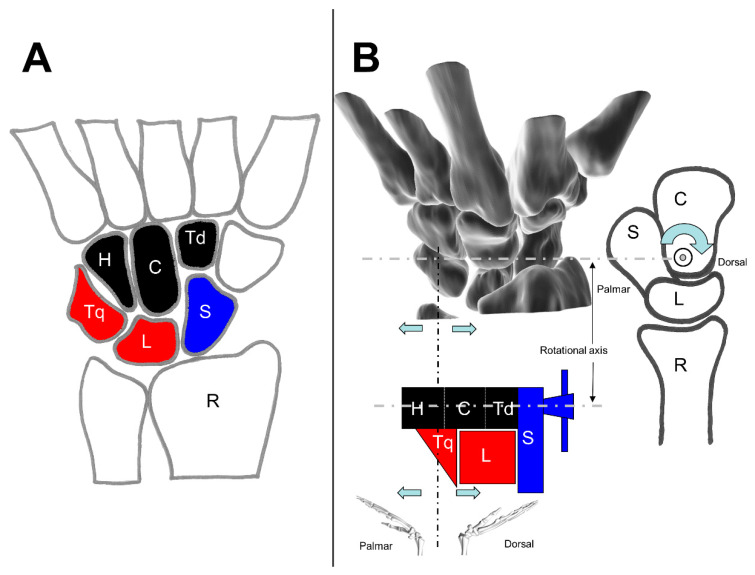
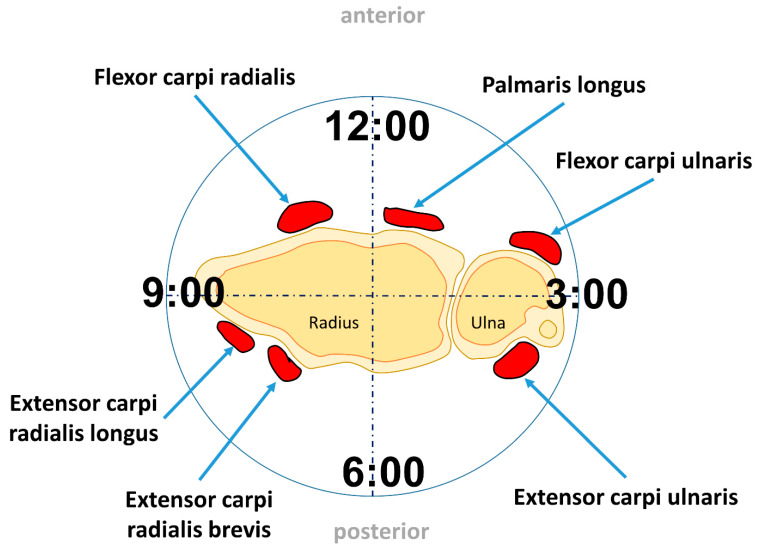
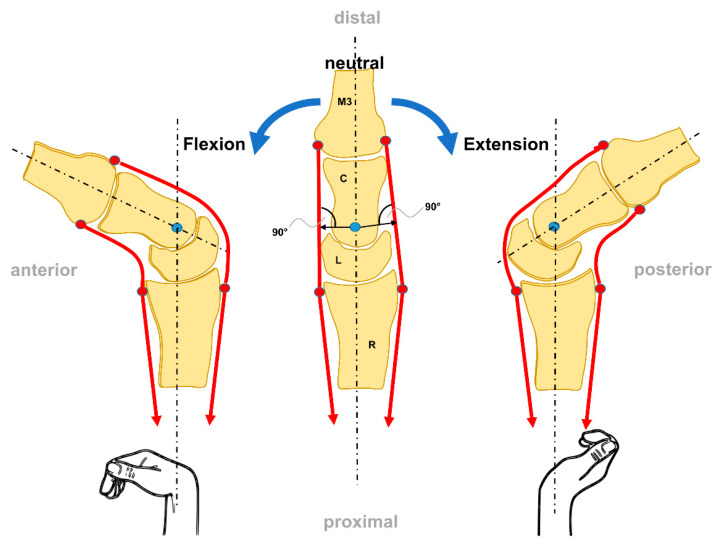
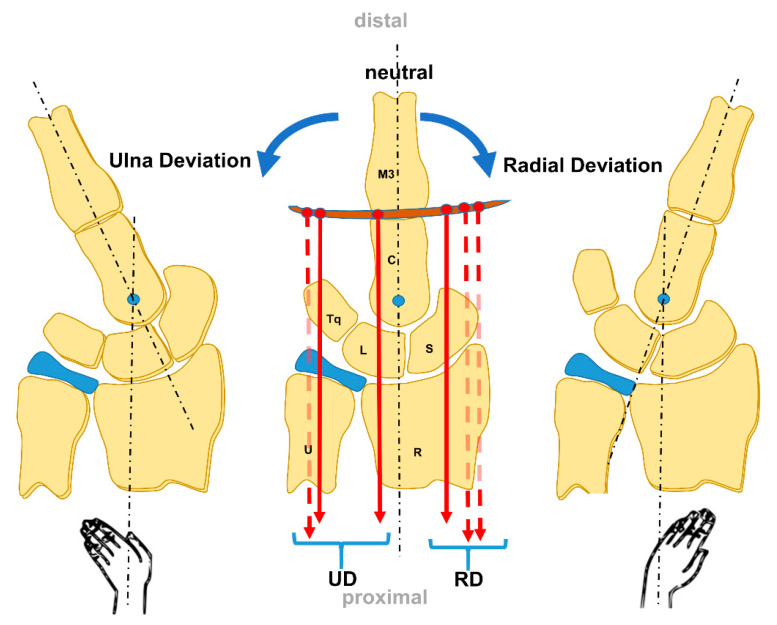
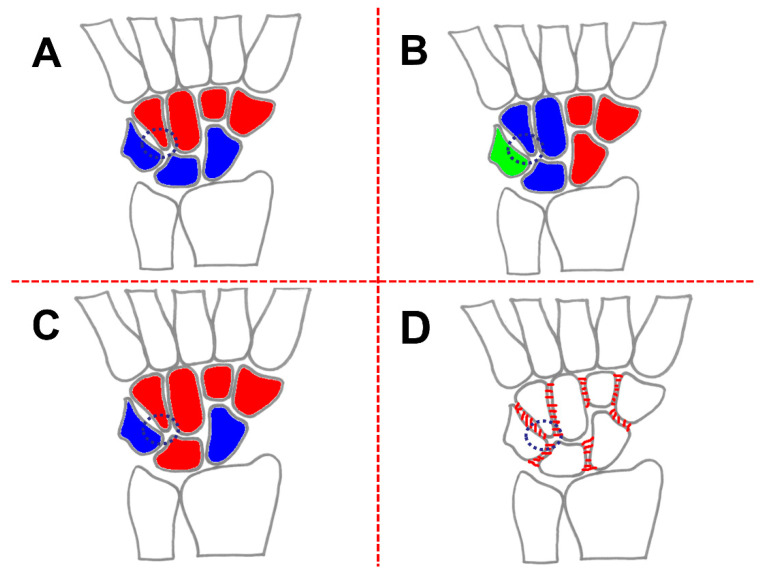
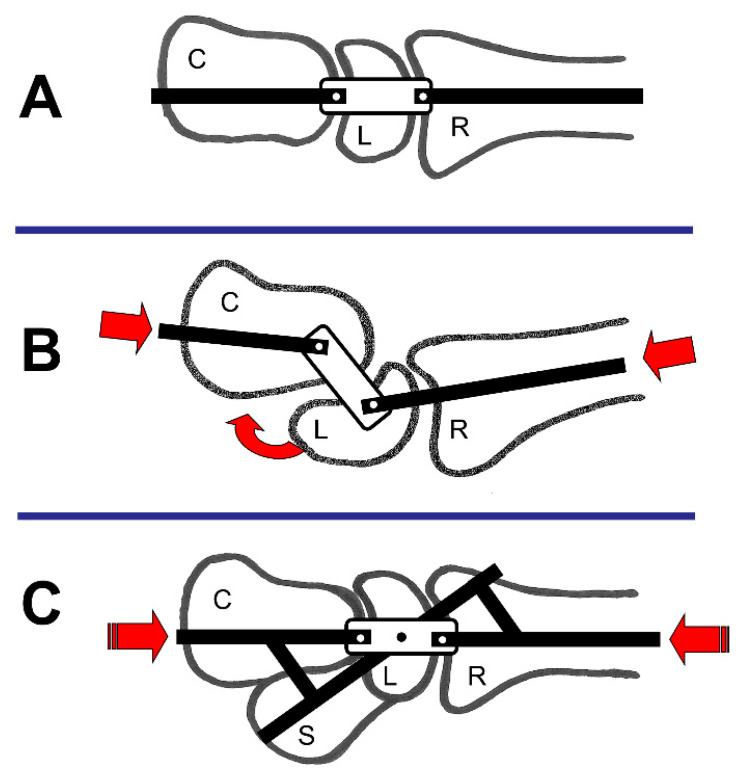
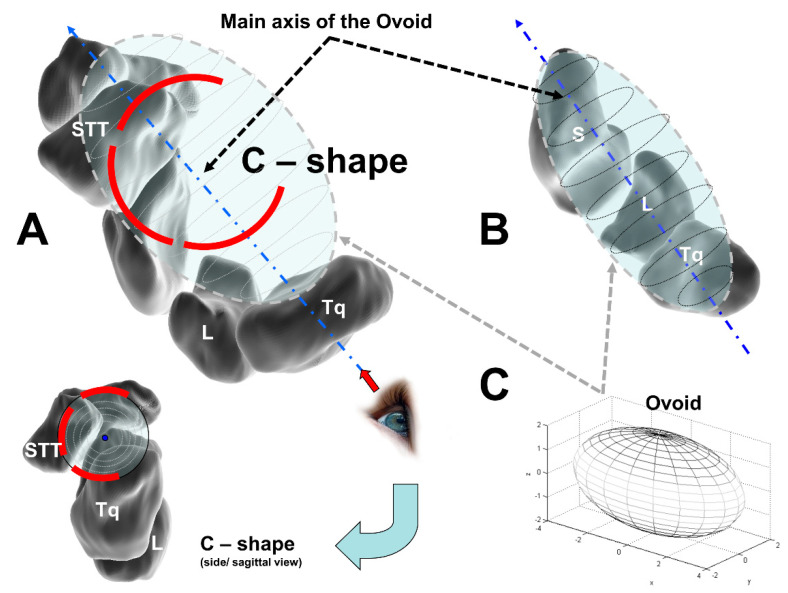
The wrist is by far the most differentiated section of the musculoskeletal system. The spectrum of wrist injuries ranges from minor injuries to complex traumas with simultaneous loss of functions, resulting in enormous economic costs. A proper understanding of the anatomy and biomechanics is essential for effective treatment, whether conservative or surgical; this applies to the wrist no less than to other parts of the human body. Here; information on the wrist anatomy; kinematics; and biomechanical behavior is presented, commencing with a brief explanation of the structure of its hard and soft tissues. Eight carpal bones in combination with two forearm bones (radius and ulna) construct the wrist joint. The motion of the wrist joint is initiated by the muscles of the forearm, and strong and short ligaments ensure the stability of the wrist. All of these components are essential to bringing functions to the wrist joint because these structures allow wrist mobility and sustainability. In addition, the kinematics of the wrist joint is presented and different biomechanical model approaches. The therapeutic (surgical) restoration of the balance between the load-bearing capacity and the actual stress on a joint is the prerequisite for a lifelong and trouble-free function of a joint. Regarding the complex clinical problems, however, a valid biomechanical wrist joint model would be necessary as assistance, to improve the success of systematized therapies based on computer-aided model-based planning and intervention.
腕部是迄今为止肌肉骨骼系统中分化程度最高的部位。腕部损伤的范围从轻微损伤到功能同时丧失的复杂创伤,造成了巨大的经济成本。无论采用保守治疗还是手术治疗,正确理解解剖结构和生物力学对于有效治疗至关重要;这一点在腕部和人体其他部位同样适用。在此,将介绍有关腕部解剖结构、运动学和生物力学行为的信息,首先简要解释其硬组织和软组织的结构。八块腕骨与两块前臂骨(桡骨和尺骨)共同构成腕关节。腕关节的运动由前臂肌肉发起,强壮而短小的韧带确保腕部的稳定性。所有这些组成部分对于实现腕关节的功能至关重要,因为这些结构使腕部能够活动并保持稳定。此外,还将介绍腕关节的运动学以及不同的生物力学模型方法。恢复关节承载能力与实际应力之间的平衡是关节实现终身无故障功能的前提。然而,对于复杂的临床问题,需要一个有效的腕关节生物力学模型作为辅助,以提高基于计算机辅助模型规划和干预的系统化治疗的成功率。