Manole Simona, Pintican Roxana, Popa George, Rancea Raluca, Dadarlat-Pop Alexandra, Vulturar Romana, Palade Emanuel
Department of Radiology and Medical Imaging, "Iuliu Hatieganu" University of Medicine and Pharmacy Cluj Napoca, 8, Victor Babes St., 400012 Cluj-Napoca, Romania.
Department of Radiology, "Niculae Stancioiu" Heart Institute, 19-21, Calea Motilor St., 400001 Cluj-Napoca, Romania.
J Pers Med. 2022 Jan 31;12(2):187. doi: 10.3390/jpm12020187.
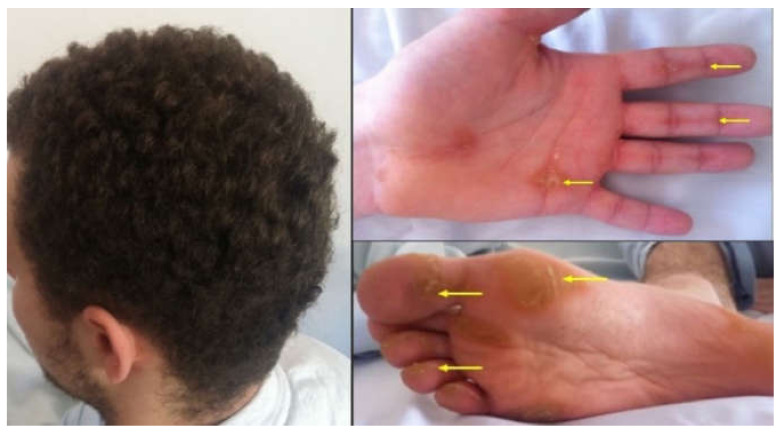
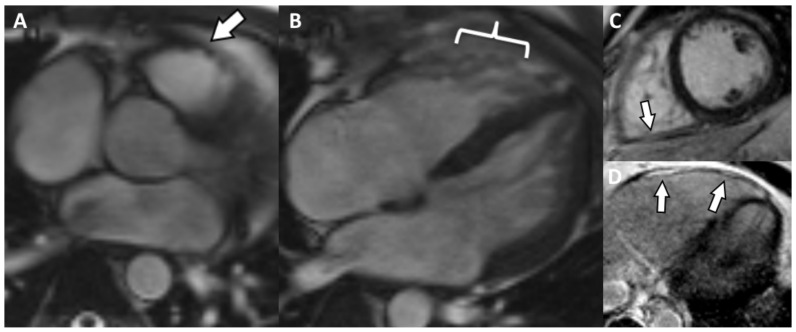
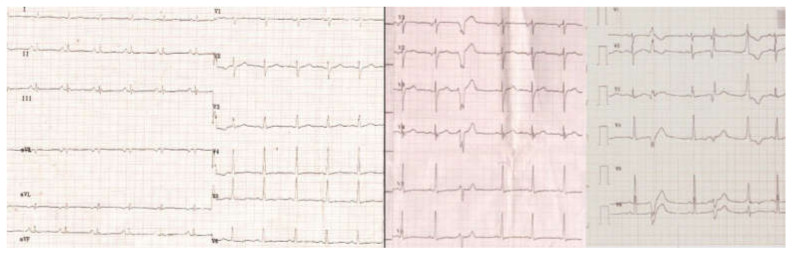
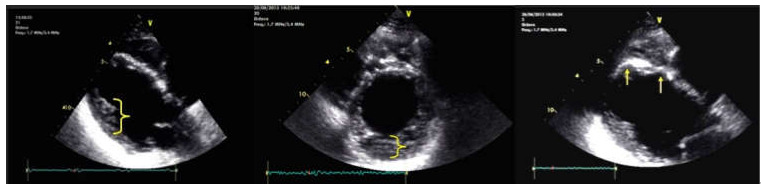
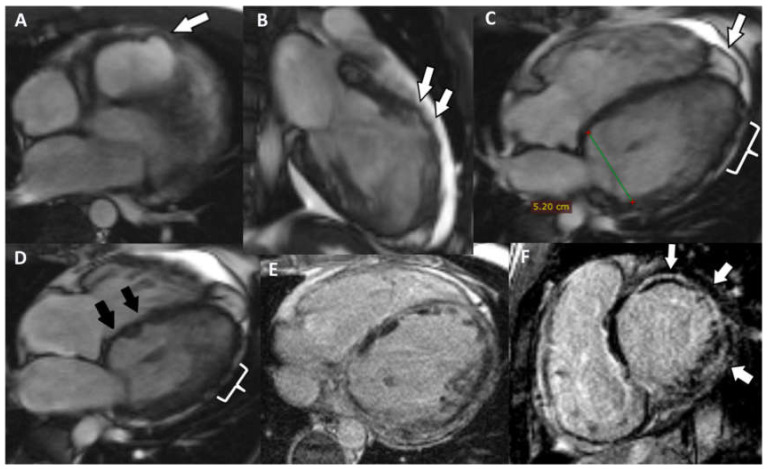
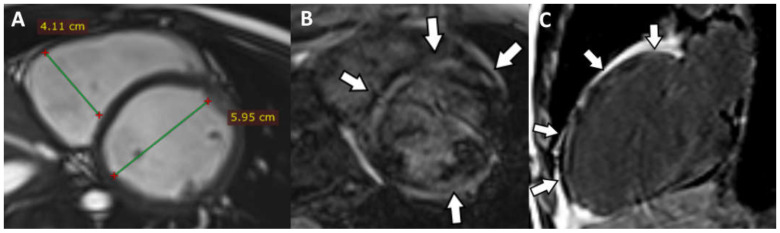
Arrhythmogenic right ventricular dysplasia (ARVD) is a rare genetic condition of the myocardium, with a significantly high risk of sudden death. Recent genetic research and improved understanding of the pathophysiology tend to change the ARVD definition towards a larger spectrum of myocardial involvement, which includes, in various proportions, both the right (RV) and left ventricle (LV), currently referred to as ACM (arrhythmogenic cardiomyopathy). Its pathological substrate is defined by the replacement of the ventricular myocardium with fibrous adipose tissue that further leads to inadequate electrical impulses and translates into varies degrees of malignant ventricular arrythmias and dyskinetic myocardium movements. Particularly, the cardio-cutaneous syndromes of Carvajal/Naxos represent rare causes of ACM that might be suspected from early childhood. The diagnostic is sometimes challenging, even with well-established rTFC or Padua criteria, especially for pediatric patients or ACM with LV involvement. Cardiac MRI gain more and more importance in ACM diagnostic especially in non-classical forms. Furthermore, MRI is useful in highlighting myocardial fibrosis, fatty replacement or wall movement with high accuracy, thus guiding not only the depiction, but also the patient's stratification and management.
致心律失常性右室心肌病(ARVD)是一种罕见的心肌遗传性疾病,猝死风险显著增高。近期的基因研究以及对病理生理学的深入理解,倾向于将ARVD的定义扩大至更广泛的心肌受累范围,其中不同程度地包括右心室(RV)和左心室(LV),目前称为致心律失常性心肌病(ACM)。其病理基础是心室心肌被纤维脂肪组织替代,进而导致电冲动异常,引发不同程度的恶性室性心律失常和心肌运动障碍。特别是,Carvajal/Naxos型的心-皮肤综合征是ACM的罕见病因,可能在儿童早期就被怀疑。即使采用成熟的rTFC或帕多瓦标准,诊断有时也具有挑战性,尤其是对于儿科患者或累及左心室的ACM。心脏磁共振成像(MRI)在ACM诊断中越来越重要,特别是在非典型形式中。此外,MRI有助于高精度地显示心肌纤维化、脂肪替代或室壁运动,不仅有助于疾病的描述,还能指导患者的分层和管理。