Rahim Nurul Izzati, Mohammed Bashar S, Abdulkadir Isyaka, Dahim Mohammed
Civil and Environmental Engineering Department, Faculty of Engineering, Universiti Teknologi PETRONAS (UTP), Bandar Seri Iskandar 32610, Perak, Malaysia.
Civil Engineering Department, Bayero University, Kano 700241, Nigeria.
Materials (Basel). 2022 Feb 17;15(4):1501. doi: 10.3390/ma15041501.
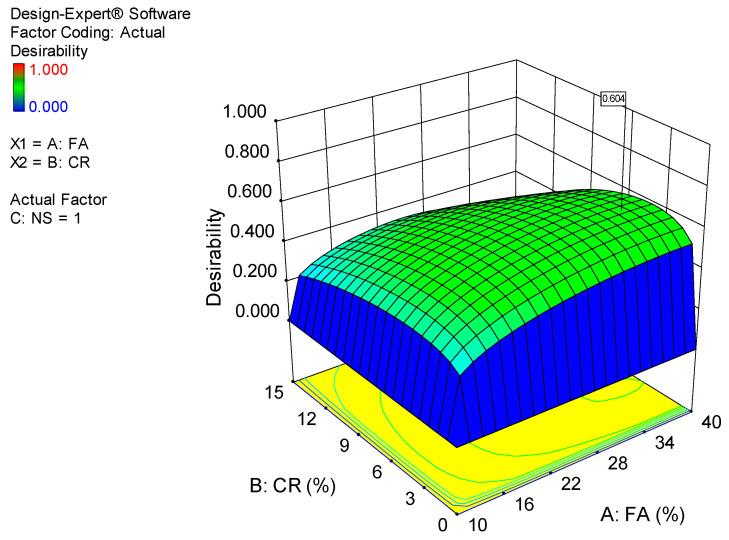
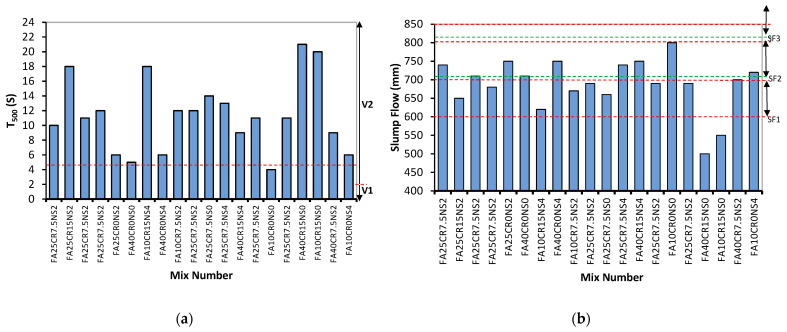
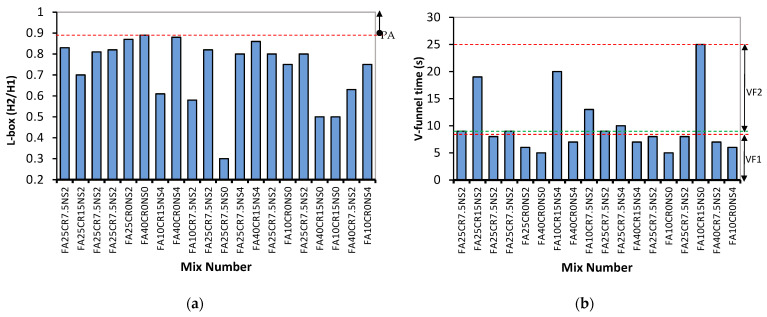
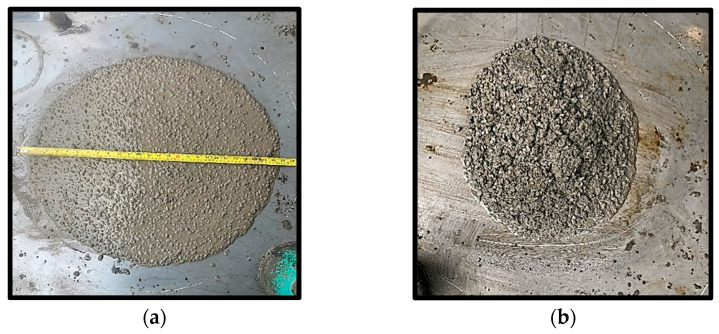
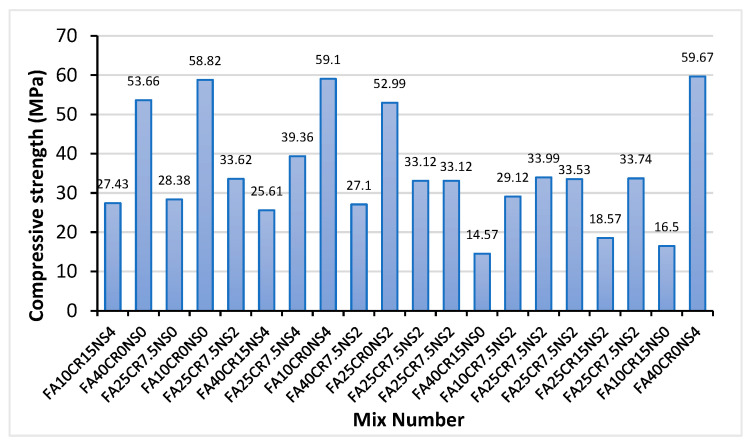
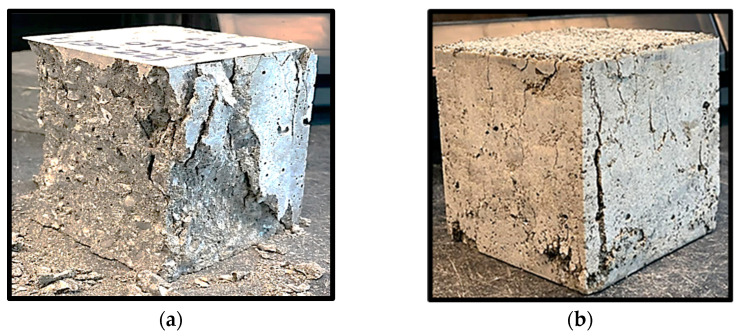
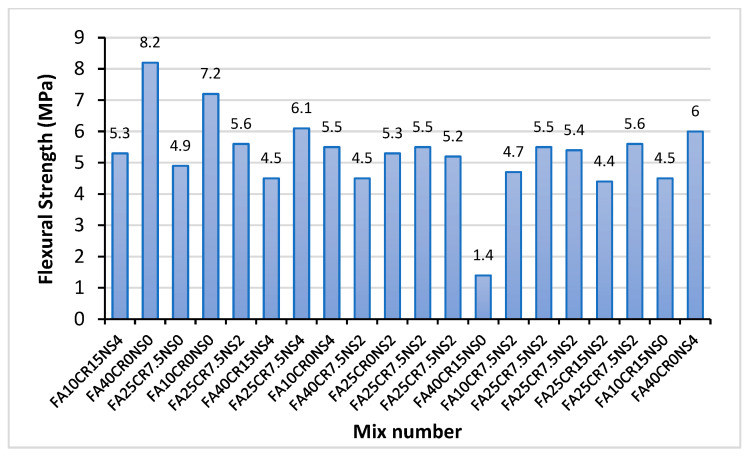
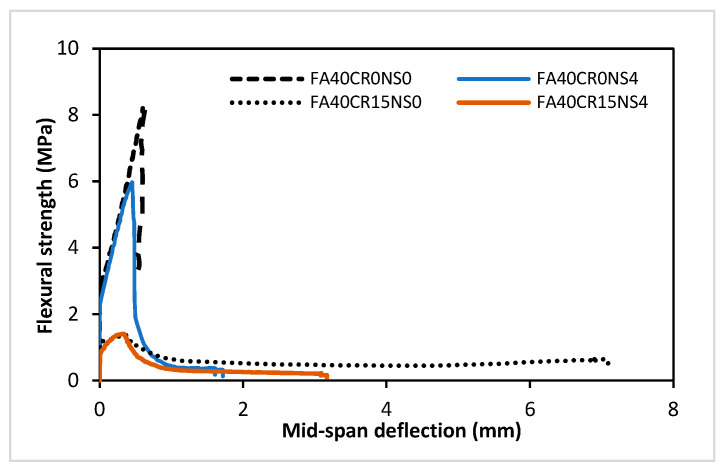
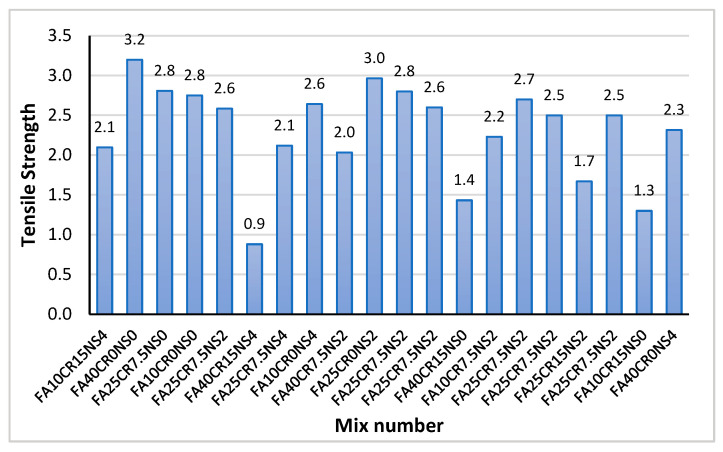
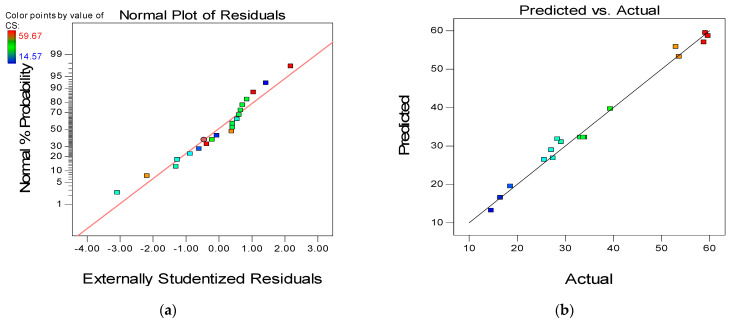
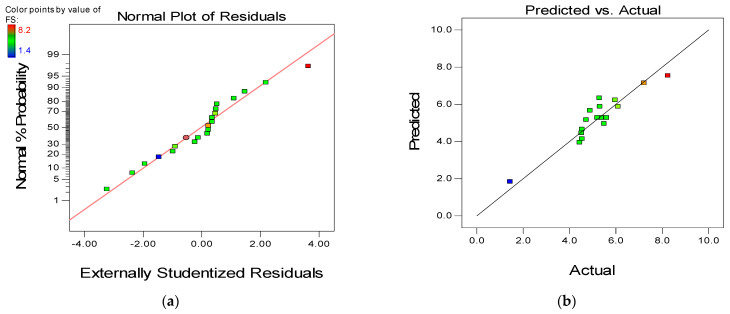
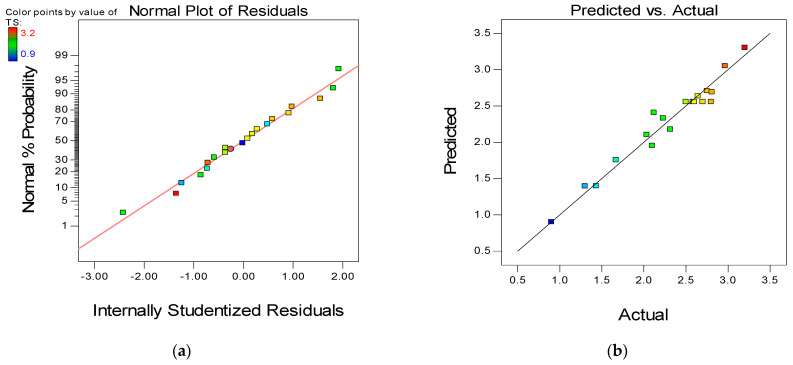
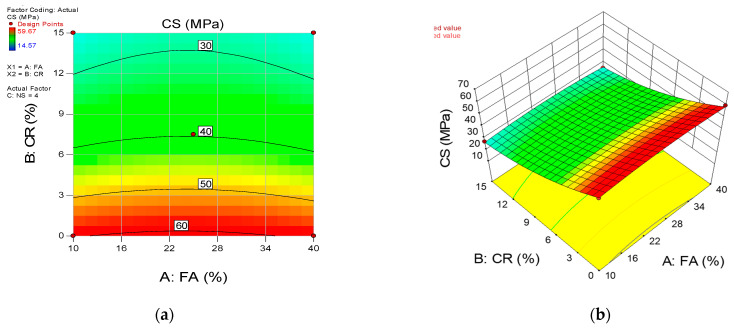
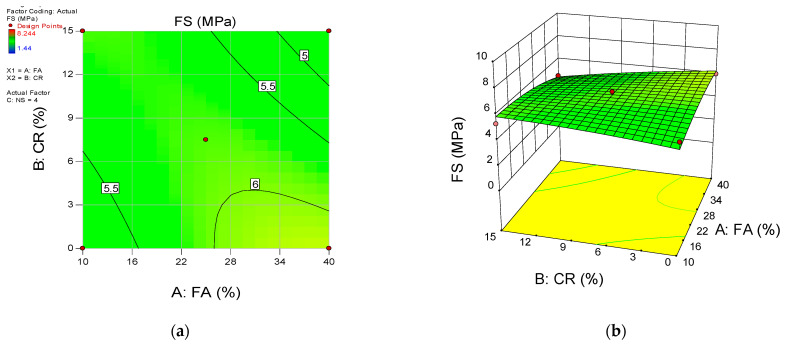
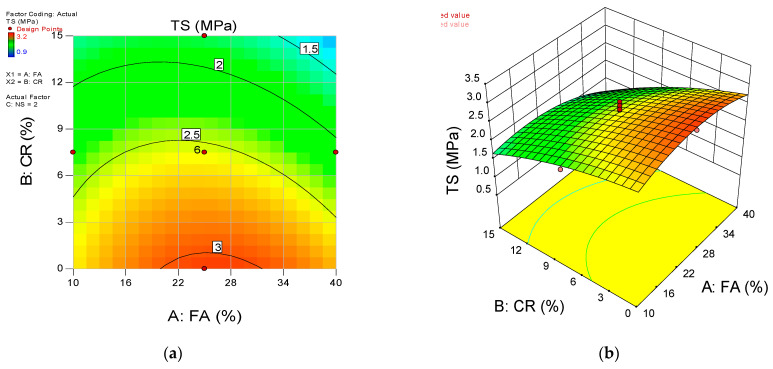
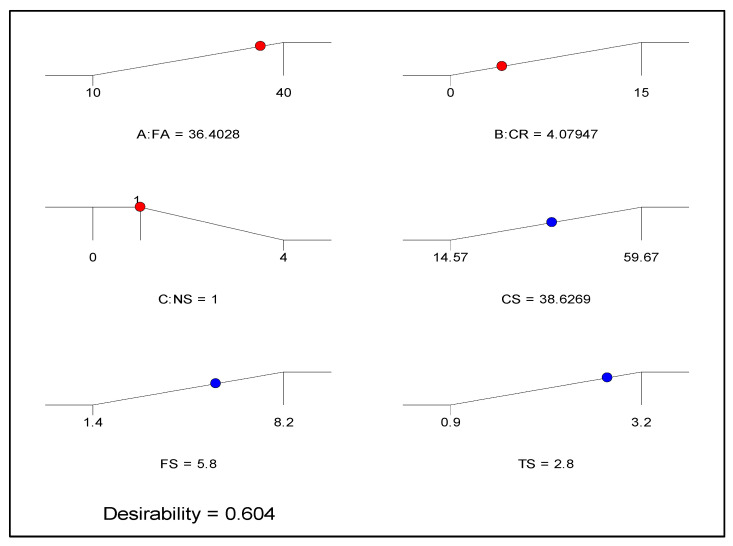
Producing high-strength self-compacting concrete (SCC) requires a low water-cement ratio (W/C). Hence, using a superplasticizer is necessary to attain the desired self-compacting properties at a fresh state. The use of low W/C results in very brittle concrete with a low deformation capacity. This research aims to investigate the influence of crumb rubber (CR), fly ash (FA), and nanosilica (NS) on SCC's workability and mechanical properties. Using response surface methodology (RSM), 20 mixes were developed containing different levels and proportions of FA (10-40% replacement of cement), CR (5-15% replacement of fine aggregate), and NS (0-4% addition) as the input variables. The workability was assessed through the slump flow, T, L-box, and V-funnel tests following the guidelines of EFNARC 2005. The compressive, flexural, and tensile strengths were determined at 28 days and considered as the responses for the response surface methodology (RSM) analyses. The results revealed that the workability properties were increased with an increase in FA but decreased with CR replacement and the addition of NS. The pore-refining effect and pozzolanic reactivity of the FA and NS increased the strengths of the composite. Conversely, the strength is negatively affected by an increase in CR, however ductility and deformation capacity were significantly enhanced. Response surface models of the mechanical strengths were developed and validated using ANOVA and have high R values of 86-99%. The optimization result produced 36.38%, 4.08%, and 1.0% for the optimum FA, CR, and NS replacement levels at a desirability value of 60%.
生产高强度自密实混凝土(SCC)需要低水灰比(W/C)。因此,必须使用高效减水剂才能在新拌状态下获得所需的自密实性能。低水灰比的使用会导致混凝土非常脆,变形能力低。本研究旨在探讨橡胶屑(CR)、粉煤灰(FA)和纳米二氧化硅(NS)对自密实混凝土工作性能和力学性能的影响。采用响应面法(RSM),开发了20种配合比,其中包含不同水平和比例的粉煤灰(取代水泥10 - 40%)、橡胶屑(取代细集料5 - 15%)和纳米二氧化硅(添加量0 - 4%)作为输入变量。按照欧洲预拌混凝土协会(EFNARC)2005年指南,通过坍落扩展度、T型、L型箱和V型漏斗试验评估工作性能。在28天时测定抗压、抗弯和抗拉强度,并将其作为响应面法(RSM)分析的响应值。结果表明,随着粉煤灰含量的增加,工作性能提高,但随着橡胶屑取代量和纳米二氧化硅添加量的增加而降低。粉煤灰和纳米二氧化硅的细化孔隙效应和火山灰反应活性提高了复合材料的强度。相反,橡胶屑含量的增加对强度有负面影响,但延性和变形能力显著增强。建立了力学强度的响应面模型,并通过方差分析进行了验证,其R值高达86 - 99%。优化结果表明,在期望度值为60%时,最佳粉煤灰、橡胶屑和纳米二氧化硅取代水平分别为36.38%、4.08%和1.0%。