Wang Boran, Arab Ali, Xie Jing, Chen Pengwan
State Key Laboratory of Explosion Science and Technology, Beijing Institute of Technology, Beijing 100081, China.
Advanced Technology Research Institute, Beijing Institute of Technology, Jinan 250307, China.
Materials (Basel). 2022 Feb 21;15(4):1602. doi: 10.3390/ma15041602.
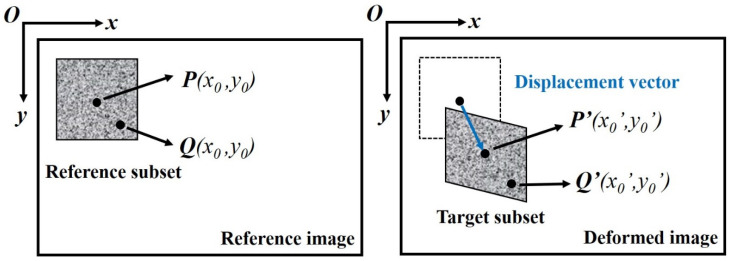
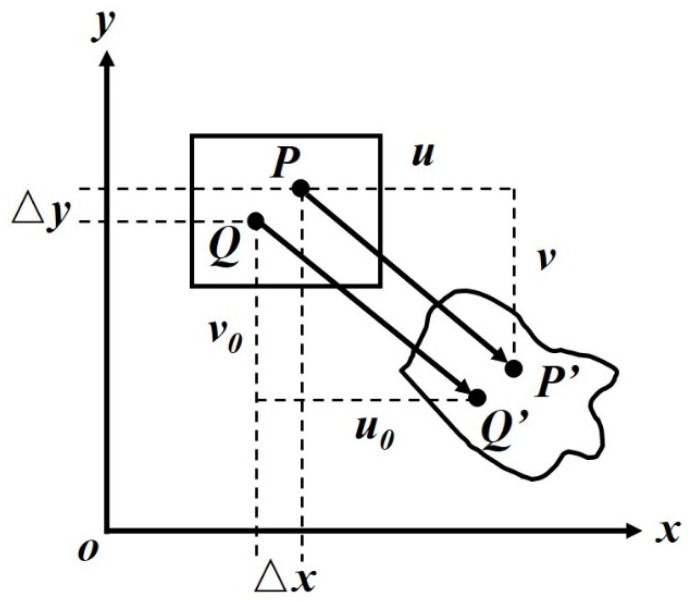
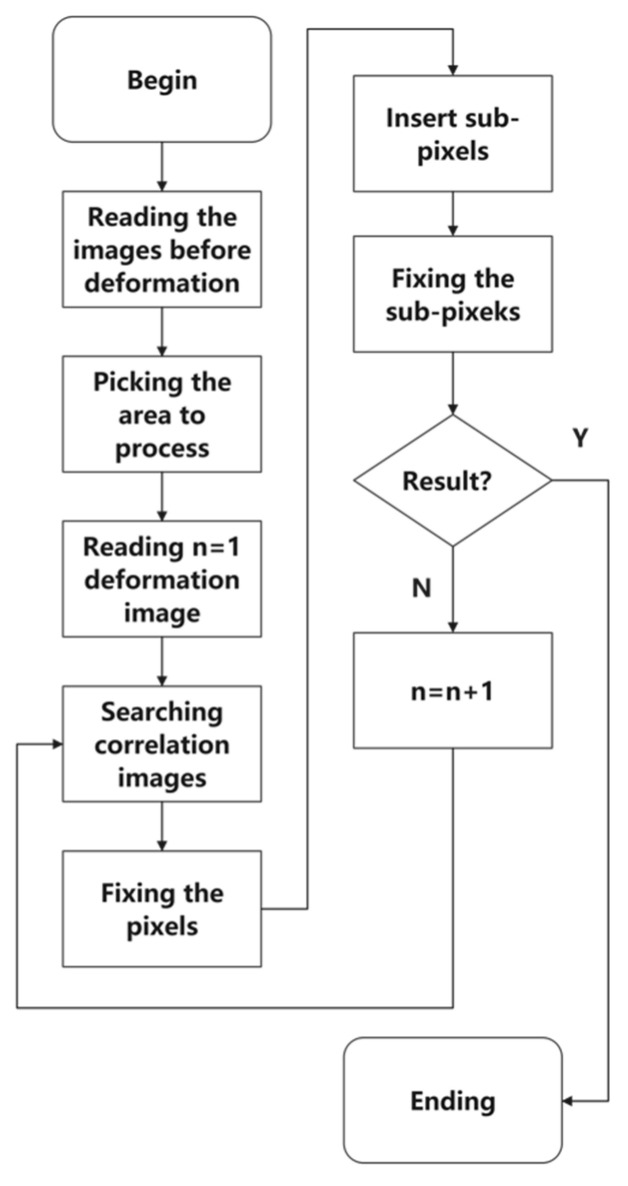
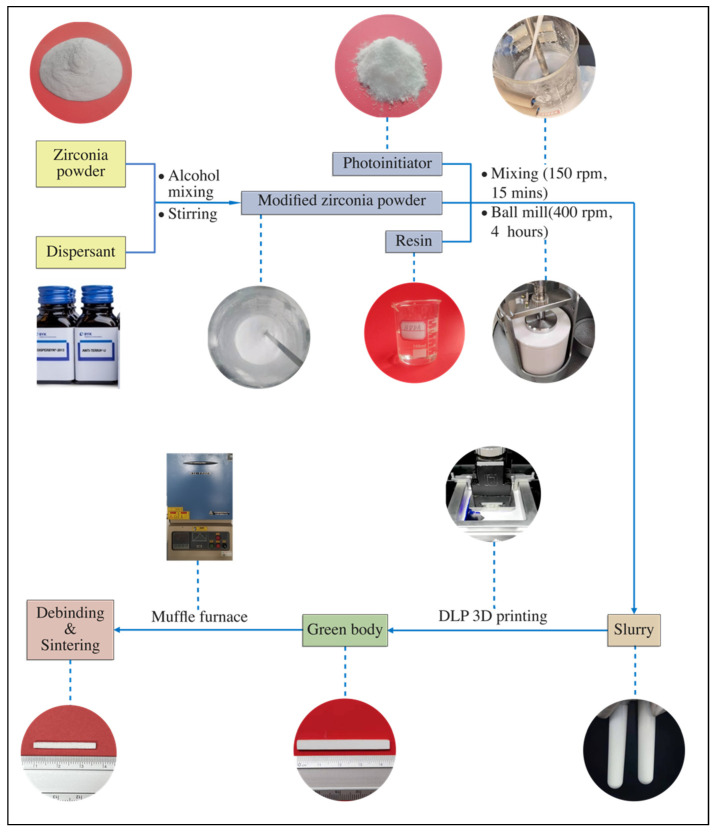
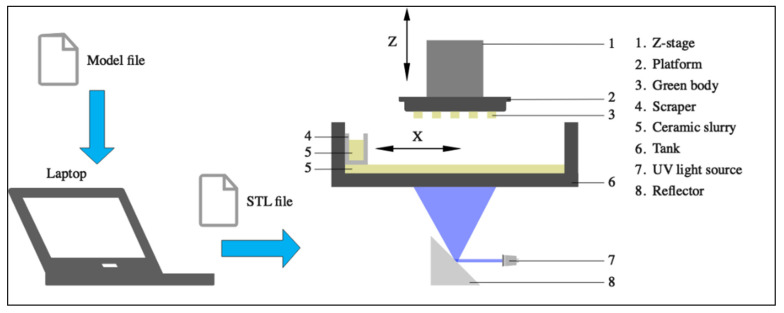
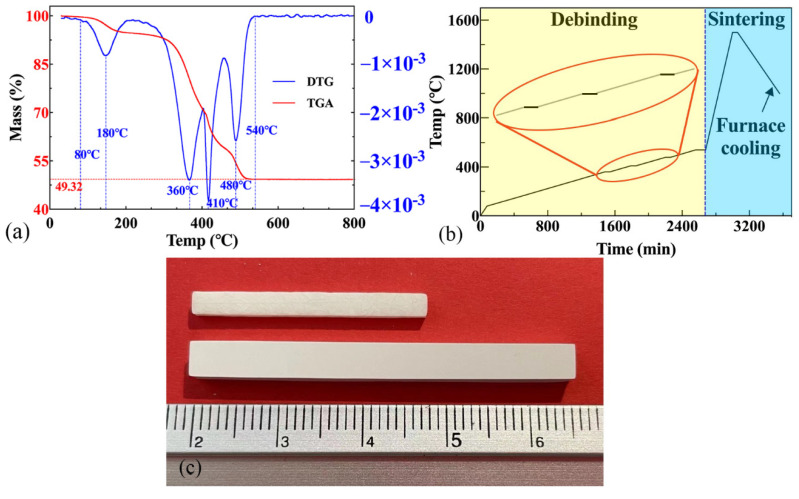
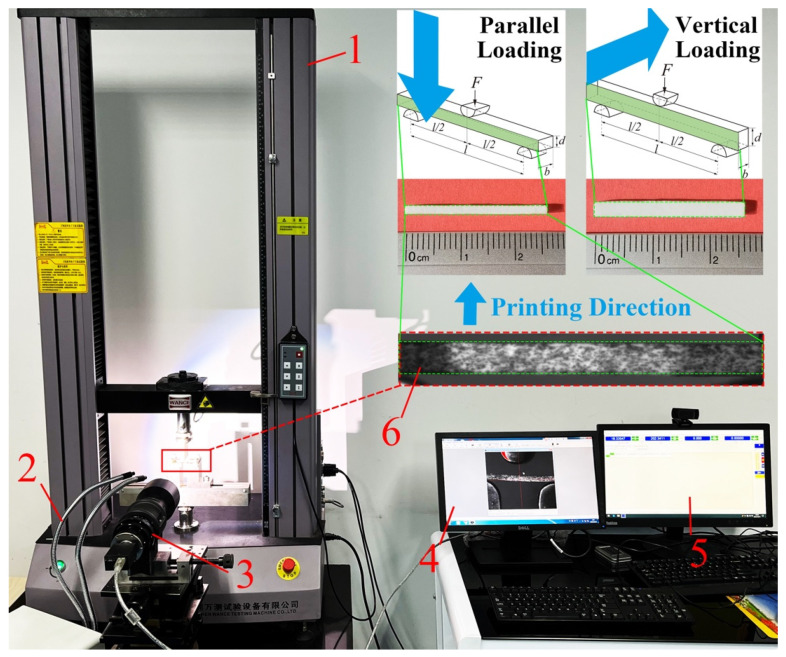
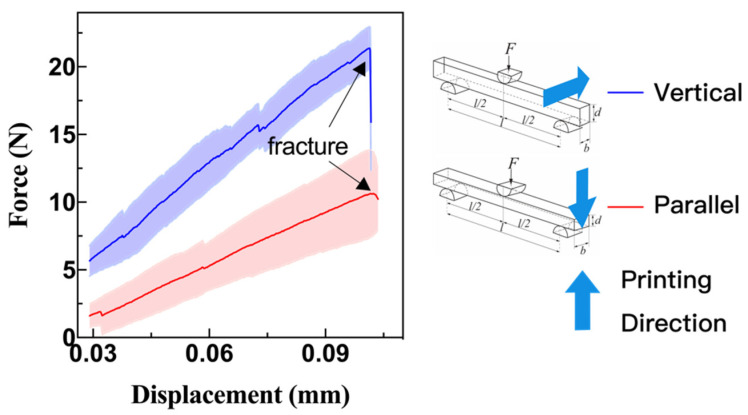
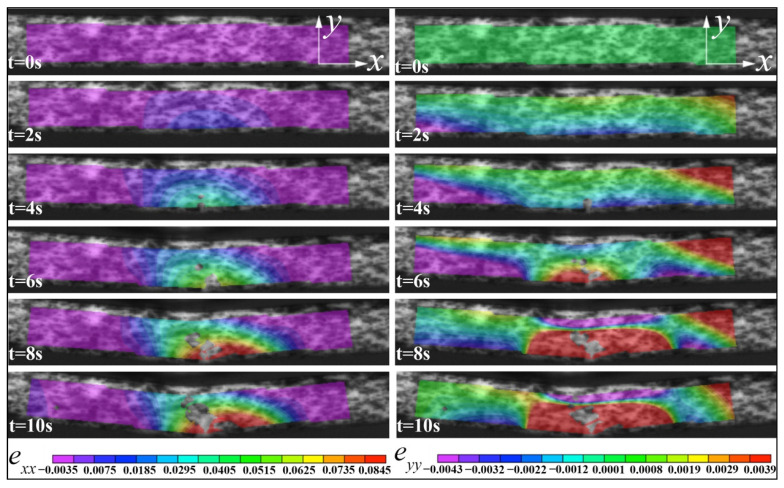
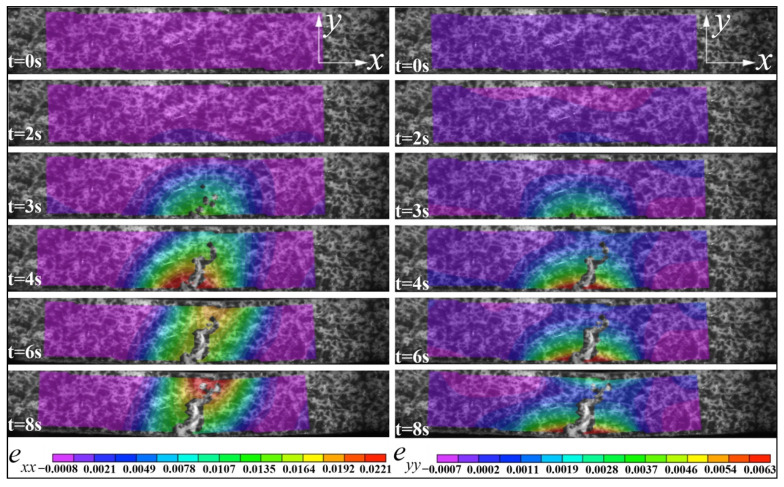
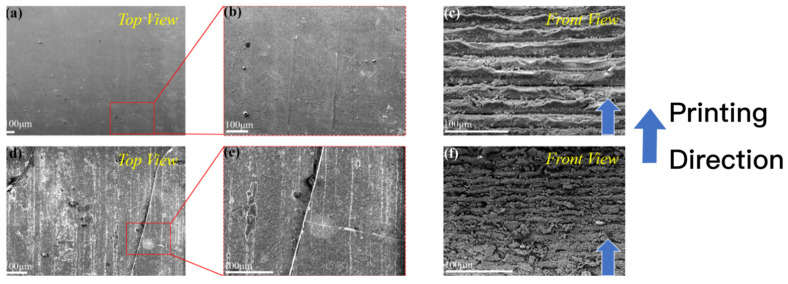
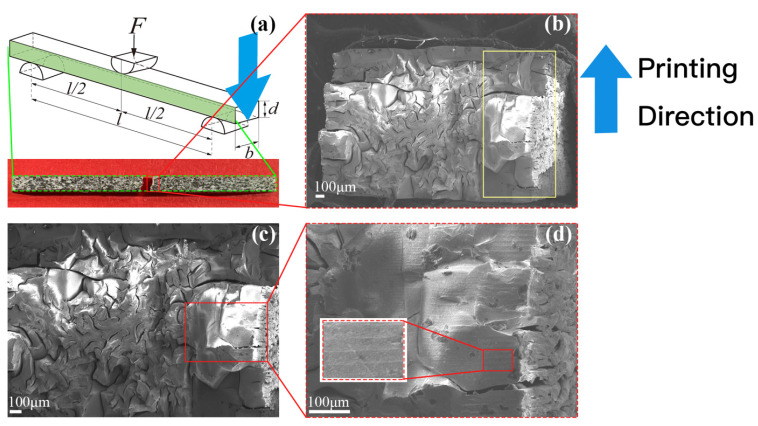
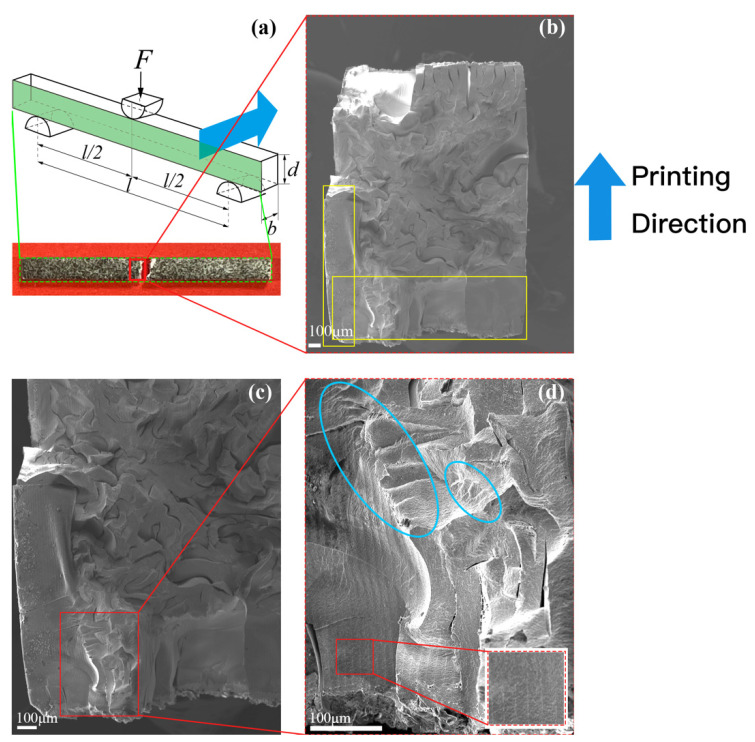
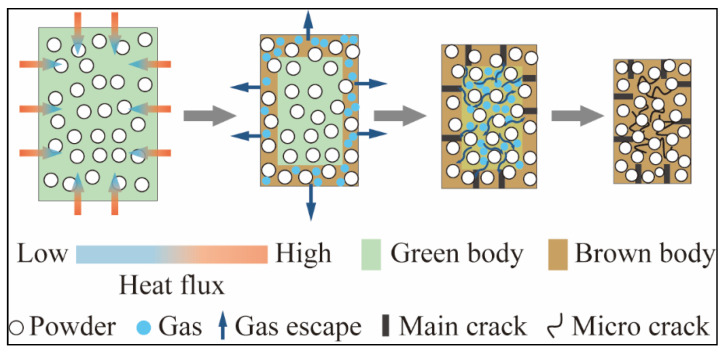
In recent years, additive manufacturing of ceramics is becoming of increasing interest due to the possibility of the fabrication of complex shaped parts. However, the fabrication of a fully dense bulk ceramic part without cracks and defects is still challenging. In the presented work, the digital light processing method was introduced for fabricating zirconia parts. The flexural properties of the printed zirconia were systematically investigated via a three-point bending test with the digital image correlation method, scanning electron microscopy observation and fractography analysis. Due to the anisotropy of the sample, the bending deformation behaviors of the zirconia samples in the parallel and vertical printing directions were significantly different. The flexural strength and the related elastic modulus of the samples under vertical loading were higher than that of the parallel loading, as the in-plane strength is higher than that of the interlayer strength. The maximum horizontal strain always appeared at the bottom center before the failure for the parallel loading case; while the maximum horizontal strain for the vertical loading moved upward from the bottom center to the top center. There was a clear dividing line between the minimum perpendicular strain and the maximum perpendicular strain of the samples under parallel loading; however, under vertical loading, the perpendicular strain declined from the bottom to the top along the crack path. The surrounding dense part of the sintered sample (a few hundred microns) was mainly composed of large and straight cracks between printing layers, whereas the interior contained numerous small winding cracks. The intense cracks inside the sample led to a low flexural property compared to other well-prepared zirconia samples, which the inadequate additive formulations would be the main reason for the generation of cracks. A better understanding of the additive formulation (particularly the dispersant) and the debinding-sintering process are necessary for future improvement.
近年来,由于能够制造复杂形状的零件,陶瓷的增材制造越来越受到关注。然而,制造无裂纹和缺陷的完全致密块状陶瓷零件仍然具有挑战性。在本研究中,引入了数字光处理方法来制造氧化锆零件。通过三点弯曲试验、数字图像相关方法、扫描电子显微镜观察和断口分析,系统地研究了打印氧化锆的弯曲性能。由于样品的各向异性,氧化锆样品在平行和垂直打印方向上的弯曲变形行为存在显著差异。垂直加载下样品的弯曲强度和相关弹性模量高于平行加载,因为面内强度高于层间强度。在平行加载情况下,最大水平应变总是在破坏前出现在底部中心;而垂直加载时,最大水平应变从底部中心向上移动到顶部中心。平行加载下样品的最小垂直应变和最大垂直应变之间有明显的分界线;然而,在垂直加载下,垂直应变沿裂纹路径从底部到顶部下降。烧结样品周围的致密部分(几百微米)主要由打印层之间的大而直的裂纹组成,而内部包含许多小的弯曲裂纹。与其他制备良好的氧化锆样品相比,样品内部的密集裂纹导致弯曲性能较低,添加剂配方不足是产生裂纹的主要原因。为了未来的改进,有必要更好地理解添加剂配方(特别是分散剂)和脱脂烧结过程。