Department of Microbiology & Immunology, Center for Immunology, University of Minnesota Medical Center, Minneapolis, Minnesota, USA
Clinical Research Division, Fred Hutchinson Cancer Research Center, Seattle, Washington, USA.
J Immunother Cancer. 2022 Feb;10(2). doi: 10.1136/jitc-2021-003525.
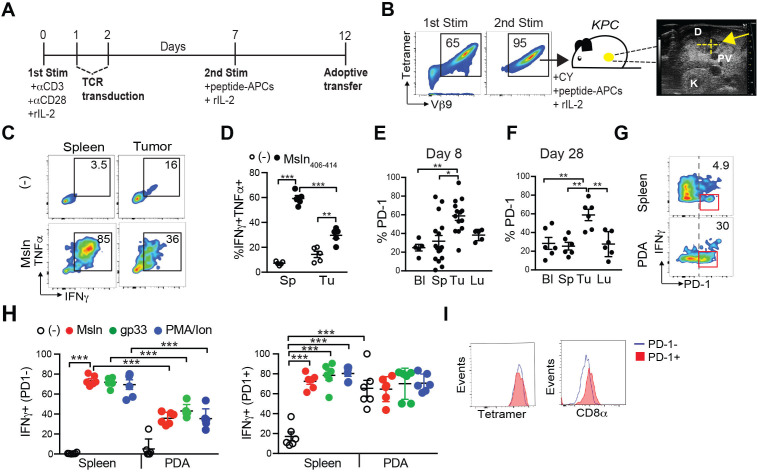
Achieving robust responses with adoptive cell therapy for the treatment of the highly lethal pancreatic ductal adenocarcinoma (PDA) has been elusive. We previously showed that T cells engineered to express a mesothelin-specific T cell receptor (TCR) accumulate in autochthonous PDA, mediate therapeutic antitumor activity, but fail to eradicate tumors in part due to acquisition of a dysfunctional exhausted T cell state.
Here, we investigated the role of immune checkpoints in mediating TCR engineered T cell dysfunction in a genetically engineered PDA mouse model. The fate of engineered T cells that were either deficient in PD-1, or transferred concurrent with antibodies blocking PD-L1 and/or additional immune checkpoints, were tracked to evaluate persistence, functionality, and antitumor activity at day 8 and day 28 post infusion. We performed RNAseq on engineered T cells isolated from tumors and compared differentially expressed genes to prototypical endogenous exhausted T cells.
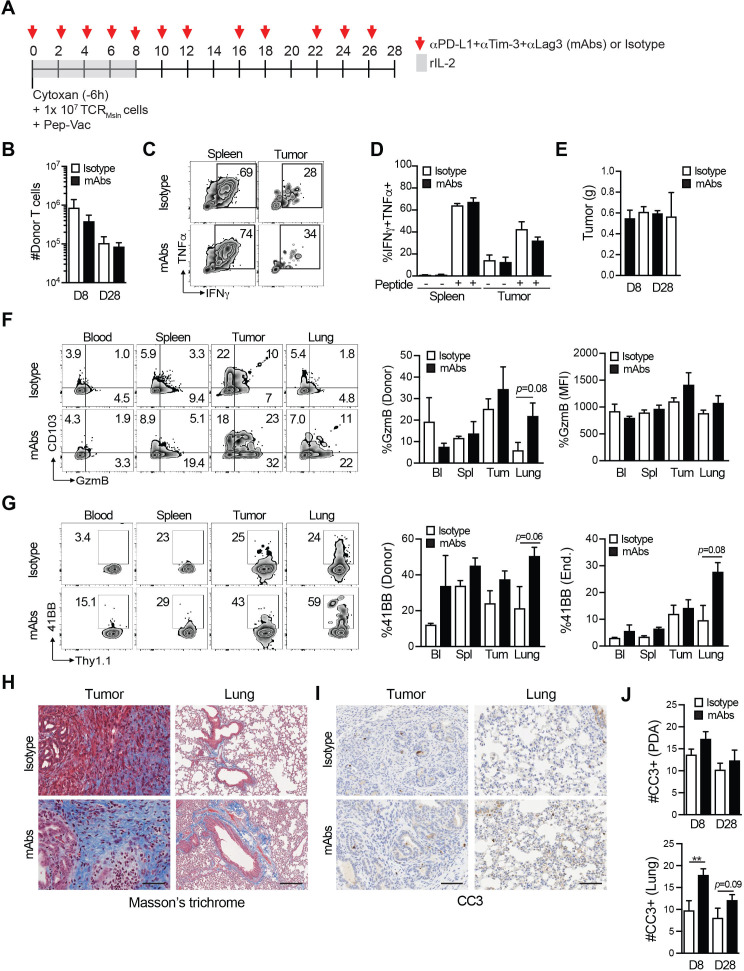
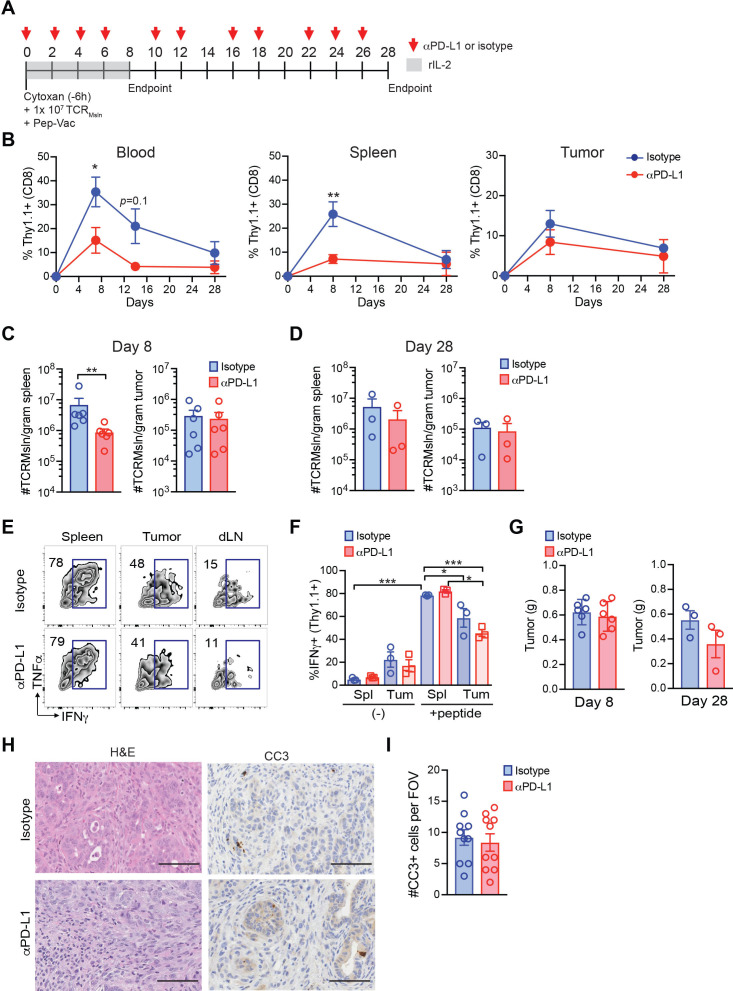
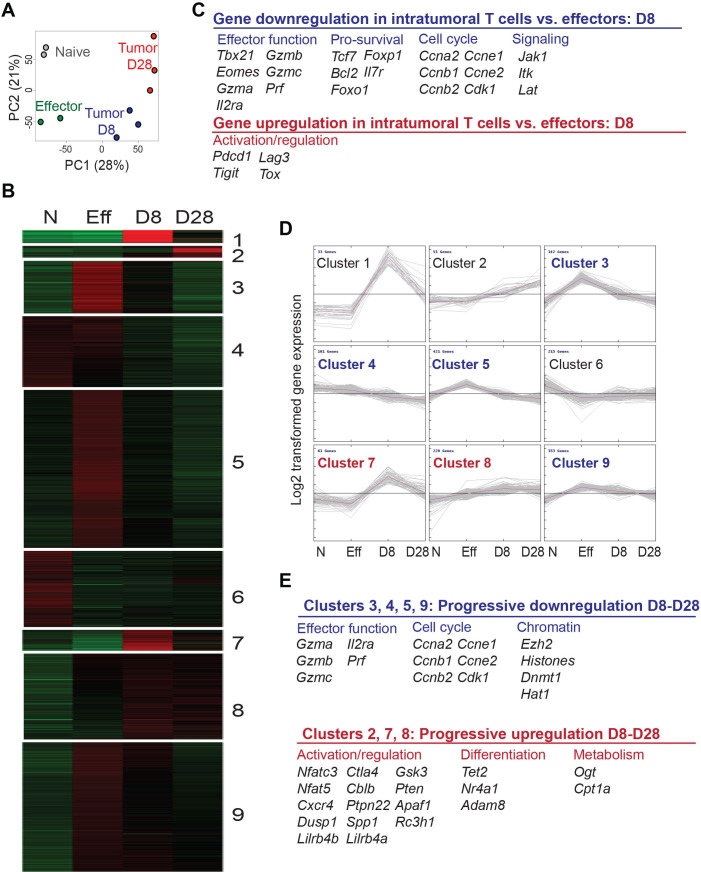
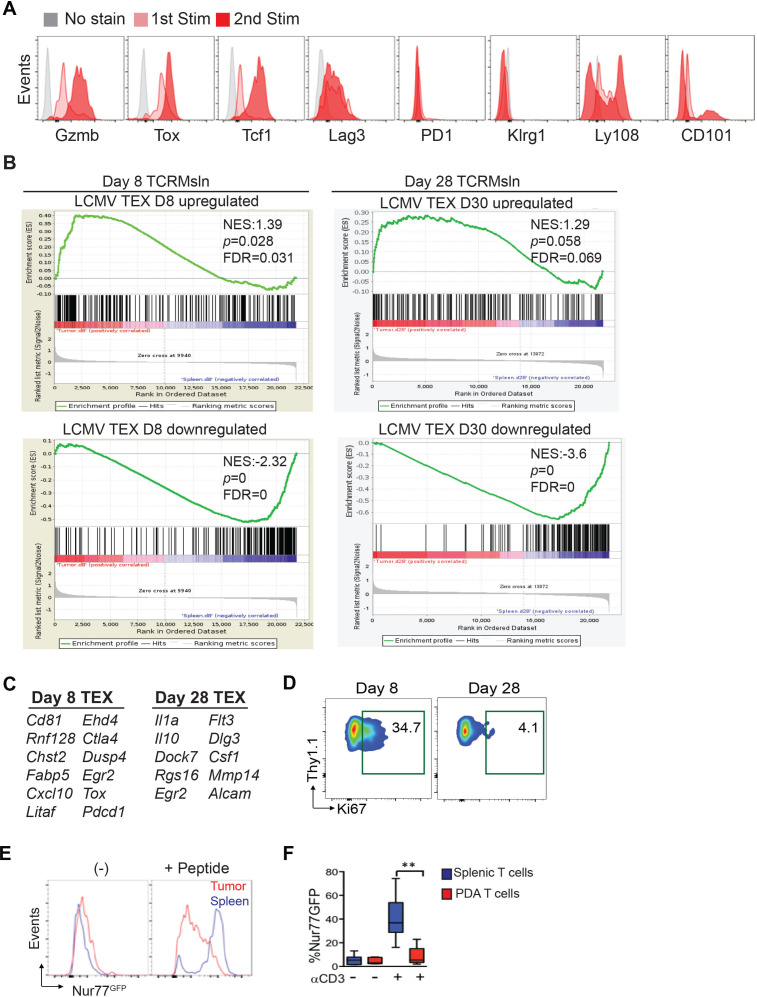
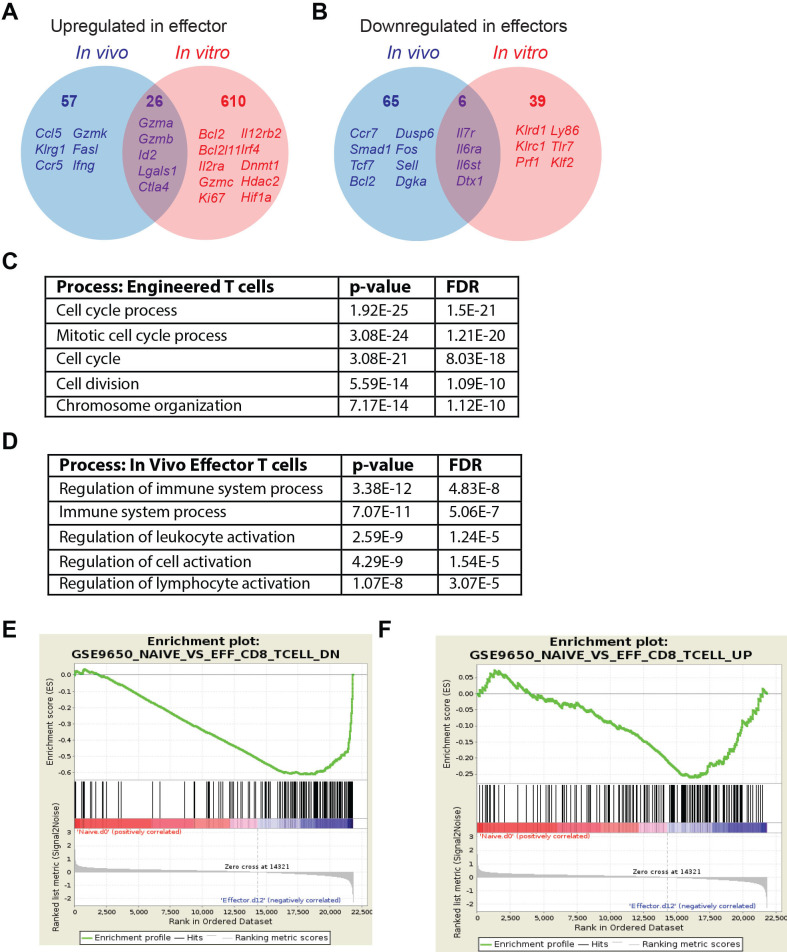
PD-L1 pathway blockade and/or simultaneous blockade of multiple coinhibitory receptors during adoptive cell therapy was insufficient to prevent engineered T cell dysfunction in autochthonous PDA yet resulted in subclinical activity in the lung, without enhancing anti-tumor immunity. Gene expression analysis revealed that ex vivo TCR engineered T cells markedly differed from in vivo primed endogenous effector T cells which can respond to immune checkpoint inhibitors. Early after transfer, intratumoral TCR engineered T cells acquired a similar molecular program to prototypical exhausted T cells that arise during chronic viral infection, but the molecular programs later diverged. Intratumoral engineered T cells exhibited decreased effector and cell cycle genes and were refractory to TCR signaling.
Abrogation of PD-1 signaling is not sufficient to overcome TCR engineered T cell dysfunction in PDA. Our study suggests that contributions by both the differentiation pathways induced during the ex vivo T cell engineering process and intratumoral suppressive mechanisms render engineered T cells dysfunctional and resistant to rescue by blockade of immune checkpoints.
采用过继细胞疗法治疗高度致命性的胰腺导管腺癌(PDA),很难获得显著疗效。我们之前的研究表明,表达间皮素特异性 T 细胞受体(TCR)的 T 细胞在同种异体 PDA 中会积累,发挥治疗性抗肿瘤活性,但由于获得功能失调的衰竭 T 细胞状态,无法根除肿瘤。
在这里,我们研究了免疫检查点在介导基因工程 PDA 小鼠模型中 TCR 工程 T 细胞功能障碍中的作用。研究了 PD-1 缺陷的工程 T 细胞或同时输注 PD-L1 抗体和/或其他免疫检查点阻断抗体的工程 T 细胞的命运,以评估输注后第 8 天和第 28 天的持久性、功能和抗肿瘤活性。我们对从肿瘤中分离的工程 T 细胞进行了 RNAseq,并将差异表达基因与典型的内源性耗竭 T 细胞进行了比较。
在过继细胞治疗中,PD-L1 通路阻断和/或同时阻断多个共抑制受体不足以防止同种异体 PDA 中工程 T 细胞的功能障碍,但会导致肺部亚临床活性,而不会增强抗肿瘤免疫。基因表达分析表明,体外 TCR 工程 T 细胞与体内初始效应 T 细胞明显不同,后者可以对免疫检查点抑制剂产生反应。在转移后早期,肿瘤内 TCR 工程 T 细胞获得了与慢性病毒感染中出现的典型耗竭 T 细胞相似的分子程序,但后来分子程序发生了分歧。肿瘤内工程 T 细胞表现出减少的效应器和细胞周期基因,并且对 TCR 信号无反应。
PD-1 信号的阻断不足以克服 PDA 中 TCR 工程 T 细胞的功能障碍。我们的研究表明,体外 T 细胞工程过程中诱导的分化途径以及肿瘤内抑制机制的贡献使工程 T 细胞功能失调,并对免疫检查点阻断的挽救产生抗性。