Mavroulis S, Ilgac M, Tunçağ M, Lekkas E, Püskülcü S, Kourou A, Sextos A, Mavrouli M, Can G, Thoma T, Manousaki M, Karveleas N
Department of Dynamic Tectonic Applied Geology, Faculty of Geology and Geoenvironment, National and Kapodistrian University of Athens, Athens, Greece.
Department of Civil Engineering, Middle East Technical University, Ankara, Turkey.
Bull Earthq Eng. 2022;20(14):7933-7955. doi: 10.1007/s10518-022-01317-y. Epub 2022 Jan 12.
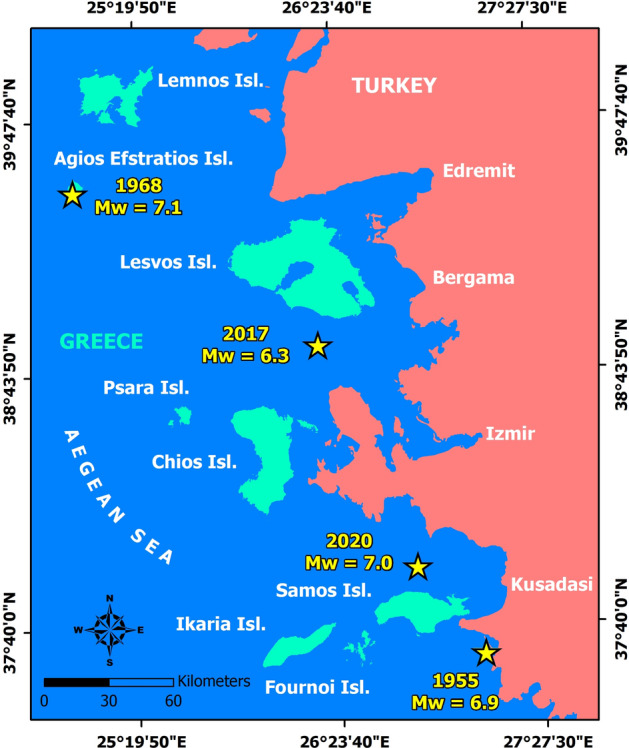
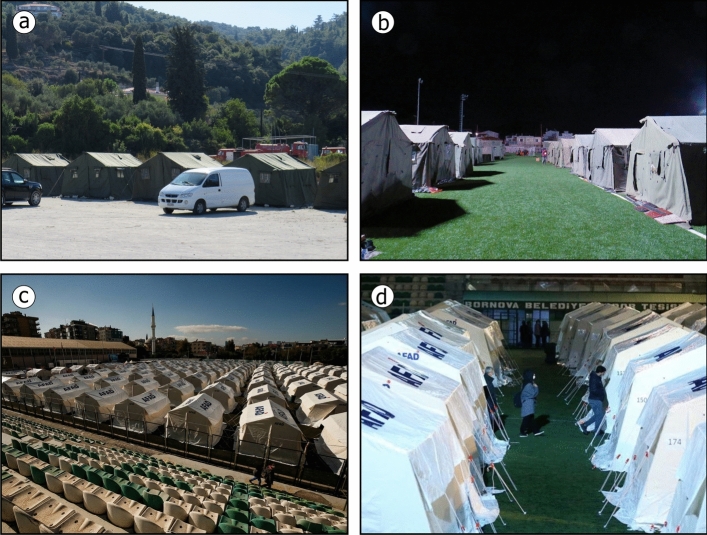
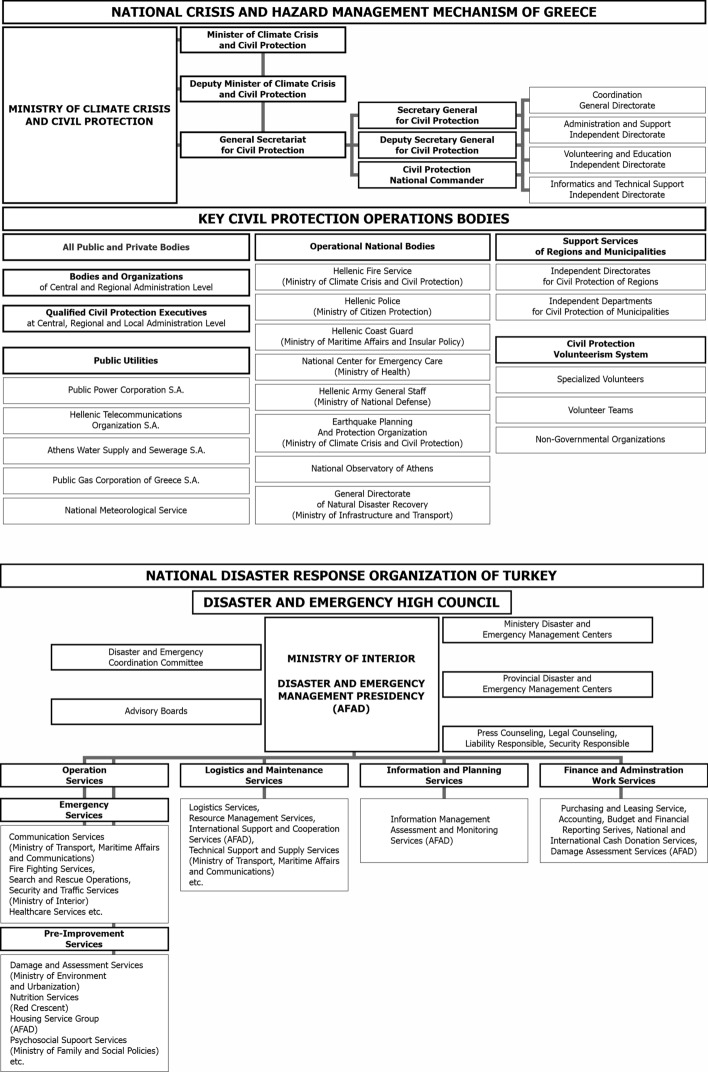
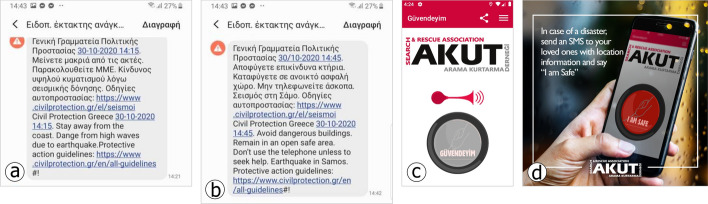
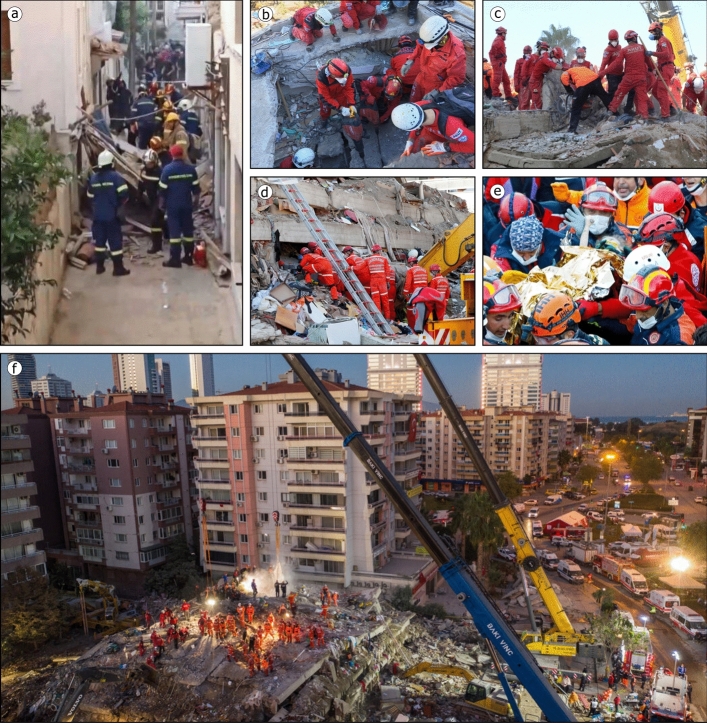
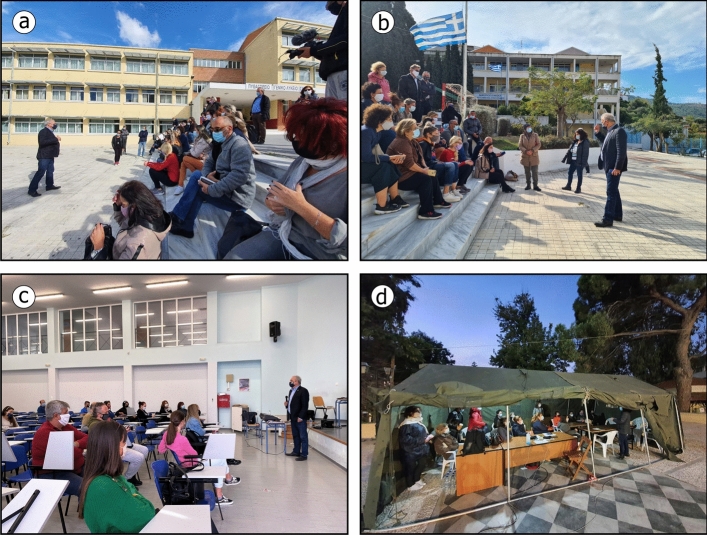
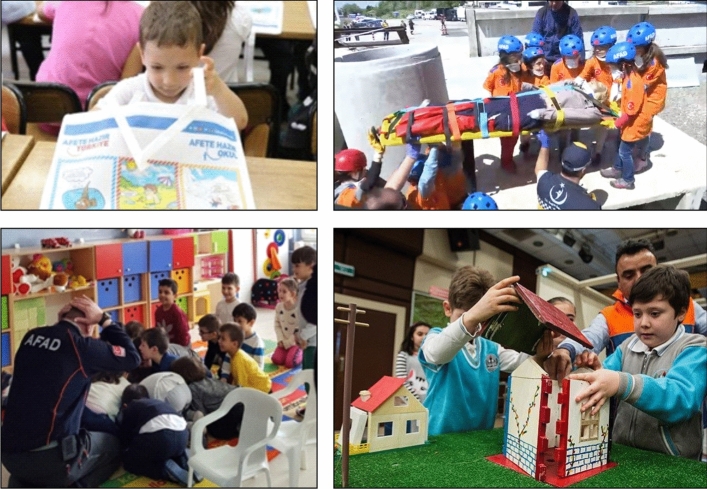
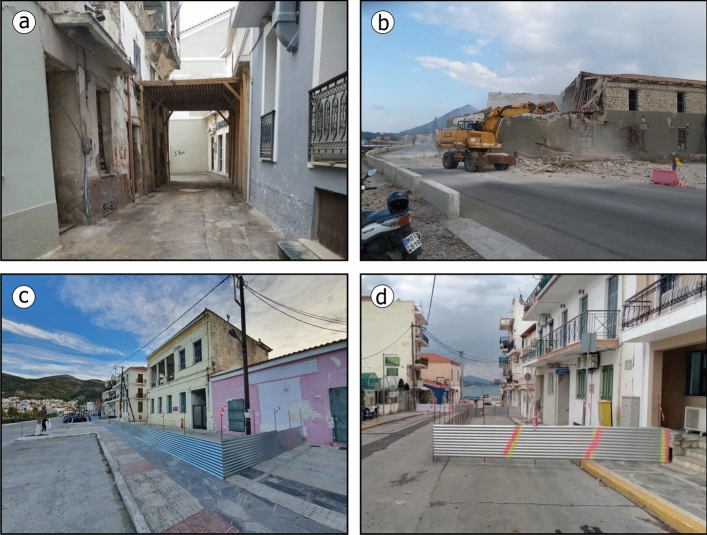
On 30 October 2020, an M = 7.0 earthquake struck the Eastern Aegean Sea with considerable impact on Samos Island in Greece and the area of Izmir in Turkey. It was the most lethal seismic event in 2020 worldwide, and the largest and most destructive in the Aegean Sea since the 1955 earthquake that also affected both countries. The Civil Protection authorities in Greece and Turkey were effectively mobilized responding to the earthquake emergency. The main response actions comprised initial announcements of the earthquake and first assessment of the impact, provision of civil protection guidelines through emergency communication services, search and rescue operations,medical care, set up of emergency shelters and provisions of essential supplies, psychological support, as well as education, training activities and financial support to the affected population. From the comparison of the Civil Protection framework and the implemented response actions, it is seen that actions at both sides of the eastern Aegean Sea, followed a single-hazard approach in disaster management with similar response activities coordinated by a main Civil Protection agency, which was in close cooperation with the respective authorities at a national, regional and local level. Based on the presented information, it is concluded that the post-earthquake response and emergency management were satisfactory in both countries, with valuable lessons learnt ahead of the next major earthquake. To this end, many aspects can be further addressed to enhance community resilience and introduce a multi-hazard approach in (natural and man-made) disaster management.
2020年10月30日,一场震级为M = 7.0的地震袭击了东爱琴海,对希腊的萨摩斯岛和土耳其的伊兹密尔地区造成了相当大的影响。这是2020年全球最致命的地震事件,也是自1955年那场同样影响了两国的地震以来,爱琴海发生的规模最大、破坏性最强的地震。希腊和土耳其的民防当局有效地动员起来应对地震紧急情况。主要应对行动包括地震的初步通报和影响的初步评估、通过应急通信服务提供民防指导方针、搜索和救援行动、医疗护理、设立应急避难所和提供基本物资、心理支持,以及对受影响民众的教育、培训活动和财政支持。通过对民防框架和所采取的应对行动进行比较,可以看出,爱琴海东部两岸的行动在灾害管理中采用了单一灾害应对方法,由一个主要民防机构协调开展类似的应对活动,该机构与国家、地区和地方各级的相关当局密切合作。根据所提供的信息可以得出结论,两国的震后应对和应急管理工作令人满意,为下一次大地震积累了宝贵经验。为此,可以进一步探讨许多方面的问题,以增强社区复原力,并在(自然和人为)灾害管理中引入多灾害应对方法。