Akeju David, Okusanya Babasola, Okunade Kehinde, Ajepe Adegbenga, Allsop Matthew J, Ebenso Bassey
Department of Sociology, University of Lagos, Lagos, Nigeria.
Department of Obstetrics and Gynaecology, College of Medicine, University of Lagos, Lagos, Nigeria.
Front Glob Womens Health. 2022 Feb 8;3:696529. doi: 10.3389/fgwh.2022.696529. eCollection 2022.
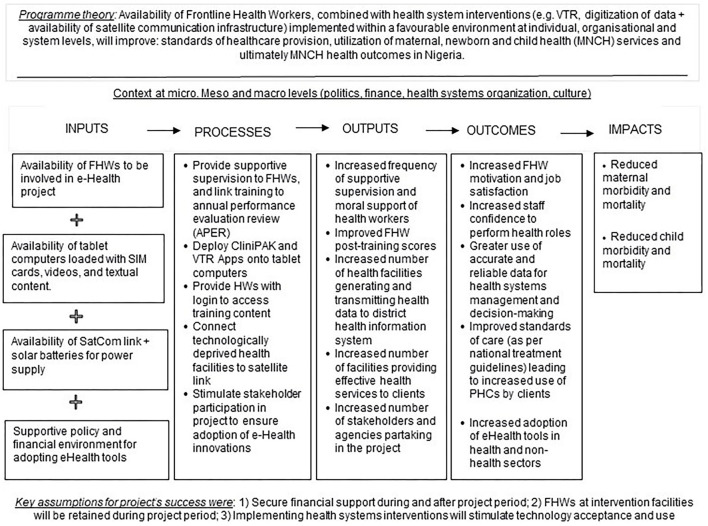
Nigeria has one of the worst health and development profiles globally. A weak health system, poor infrastructure, and varied socio-cultural factors are cited as inhibitors to optimal health system performance and improved maternal and child health status. eHealth has become a major solution to closing these gaps in health care delivery in low- and middle-income countries (LMICs). This research reports the use of satellite communication (SatCom) technology and the existing 3G mobile network for providing video training (VTR) for health workers and improving the digitization of healthcare data.
To evaluate whether the expected project outcomes that were achieved at the end-line evaluation of 2019 were sustained 12 months after the project ended.
From March 2017 to March 2019, digital innovations including VTR and data digitization interventions were delivered in 62 healthcare facilities in Ondo State, southwest Nigeria, most of which lacked access to a 3G mobile network. Data collection for the evaluation combined documents' review with quantitative data extracted from health facility registers, and 24 of the most significant change stories to assess the longevity of the outcomes and impacts of digital innovation in the four domains of healthcare: use of eHealth technology for data management, utilization of health facilities by patients, the standard of care, and staff attitude. Stories of the most significant changes were audio-recorded, transcribed for analysis, and categorized by the above domains to identify the most significant changes 12 months after the project closedown.
Findings showed that four project outcomes which were achieved at end-line evaluation were sustained 12 months after project closedown namely: staff motivation and satisfaction; increased staff confidence to perform healthcare roles; improved standard of healthcare delivery; and increased adoption of eHealth innovations beyond the health sector. Conversely, an outcome that was reversed following the discontinuation of SatCom from health facilities is the availability of accurate and reliable data for decision-making.
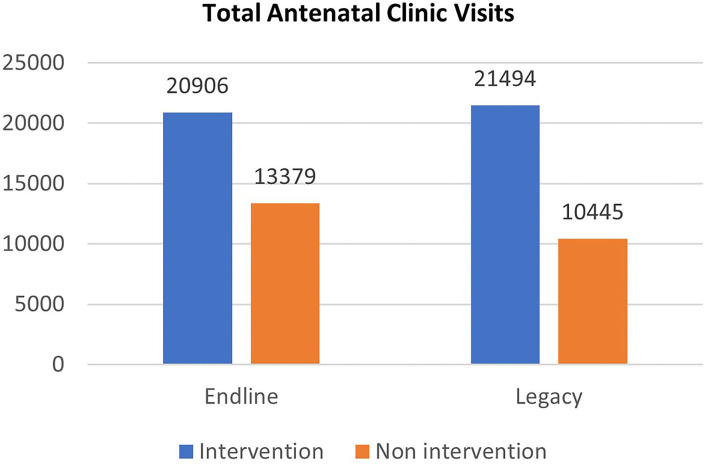
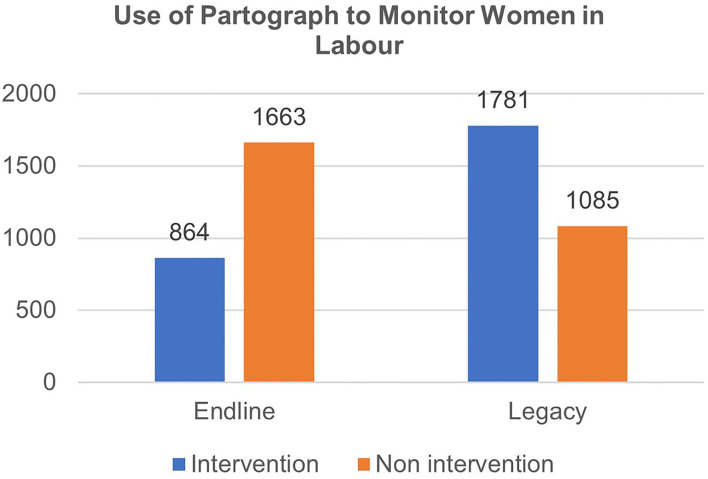
Digital technology can have lasting impacts on health workers, patients, and the health system, through improving data management for decision-making, the standard of maternity service delivery, boosting attendance at health facilities, and utilization of services. Locally driven investment is essential for ensuring the long-term survival of eHealth projects to achieve sustainable development goals (SDGs) in LMICs.
尼日利亚是全球健康与发展状况最差的国家之一。薄弱的卫生系统、落后的基础设施以及多样的社会文化因素被认为是阻碍卫生系统达到最佳绩效以及改善孕产妇和儿童健康状况的因素。电子健康已成为中低收入国家弥合医疗服务差距的主要解决方案。本研究报告了利用卫星通信(SatCom)技术和现有的3G移动网络为卫生工作者提供视频培训(VTR)以及改善医疗数据数字化的情况。
评估2019年末期评估所取得的预期项目成果在项目结束12个月后是否得以维持。
2017年3月至2019年3月期间,在尼日利亚西南部翁多州的62家医疗机构开展了包括视频培训和数据数字化干预在内的数字创新,其中大多数医疗机构无法接入3G移动网络。评估的数据收集工作将文件审查与从医疗机构登记册中提取的定量数据相结合,并选取了24个最显著的变化案例,以评估数字创新在医疗保健四个领域的成果和影响的持久性:利用电子健康技术进行数据管理、患者对医疗机构的利用情况、护理标准以及工作人员态度。对最显著变化的案例进行了录音、转录以供分析,并按照上述领域进行分类,以确定项目结束12个月后最显著的变化。
研究结果表明,在项目结束12个月后,末期评估所取得的四项项目成果得以维持,即:工作人员的积极性和满意度;工作人员履行医疗保健职责的信心增强;医疗服务提供标准提高;以及电子健康创新在卫生部门以外的采用率提高。相反,在医疗机构停止使用卫星通信后,一项成果发生了逆转,即用于决策的准确可靠数据的可用性。
数字技术可通过改善用于决策的数据管理、孕产妇服务提供标准、提高医疗机构的就诊率以及服务利用率,对卫生工作者、患者和卫生系统产生持久影响。地方驱动的投资对于确保电子健康项目的长期存续以实现中低收入国家的可持续发展目标(SDGs)至关重要。