Elshafei Ali M, Othman Abdelmageed M, Elsayed Maysa A, Ibrahim Gamil E, Hassan Mohamed M, Mehanna Nayra S
Microbial Chemistry Department, Biotechnology Research Institute, National Research Centre, 33 El Bohouth St., Dokki, Giza, 12622, Egypt.
Chemistry of Flavor and Aroma Department, |Food Industries and Nutrition Research Institute, National Research Centre, 33 El Bohouth St., Dokki, Giza, 12622, Egypt.
J Genet Eng Biotechnol. 2022 Feb 25;20(1):36. doi: 10.1186/s43141-022-00315-6.
α-Galactosidase is widely distributed in plants, microorganisms, and animals, and it is produced by different fungal sources. Many studies have confirmed the valuable applications of α-galactosidase enzymes for various biotechnological purposes, like the processing of soymilk.
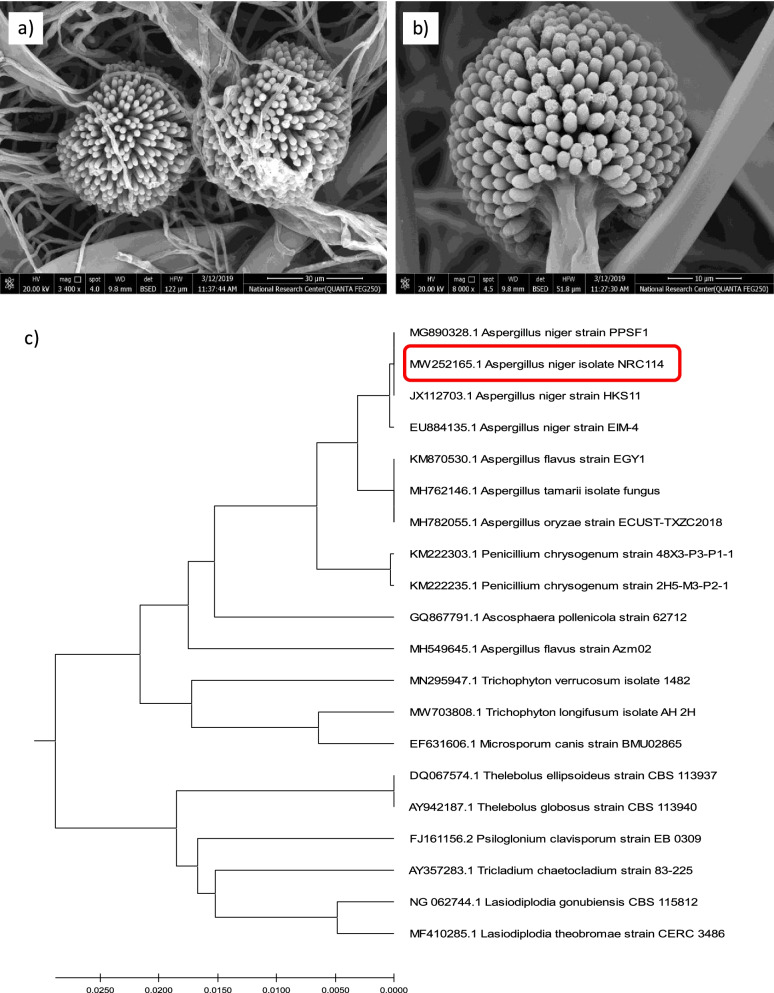
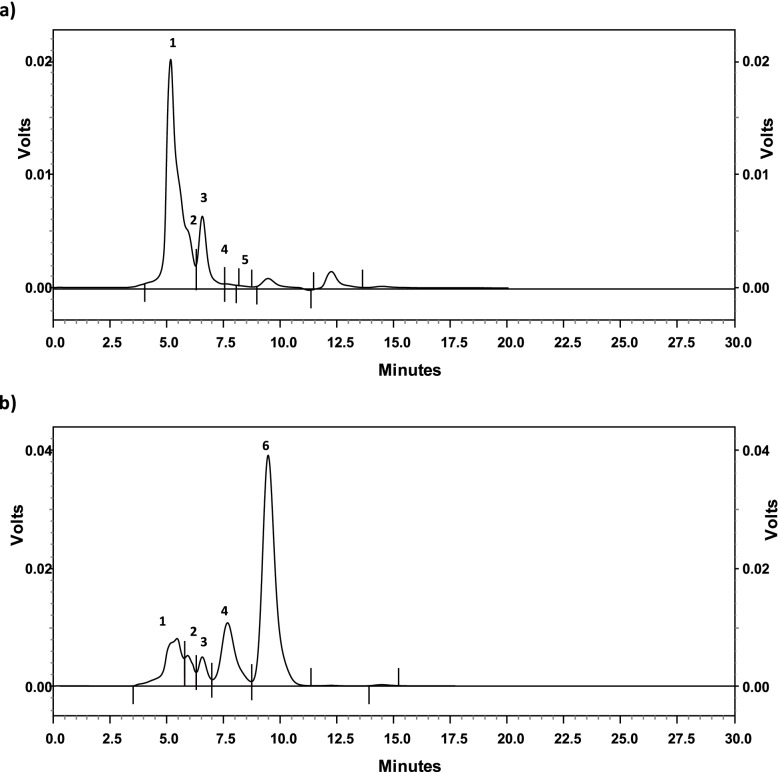
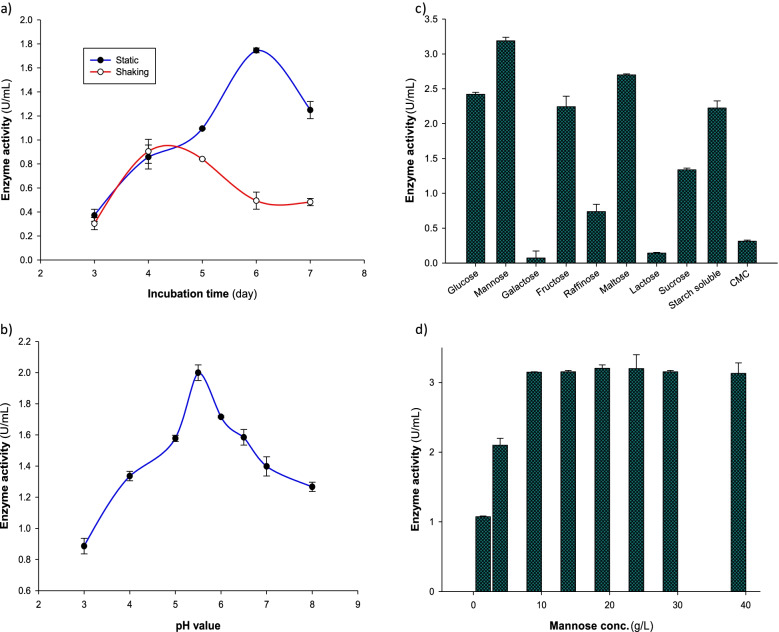
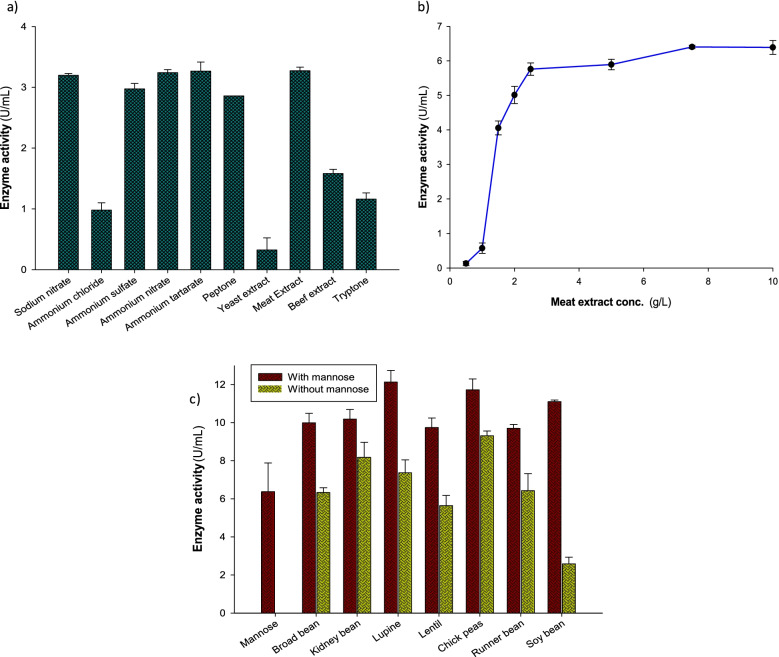
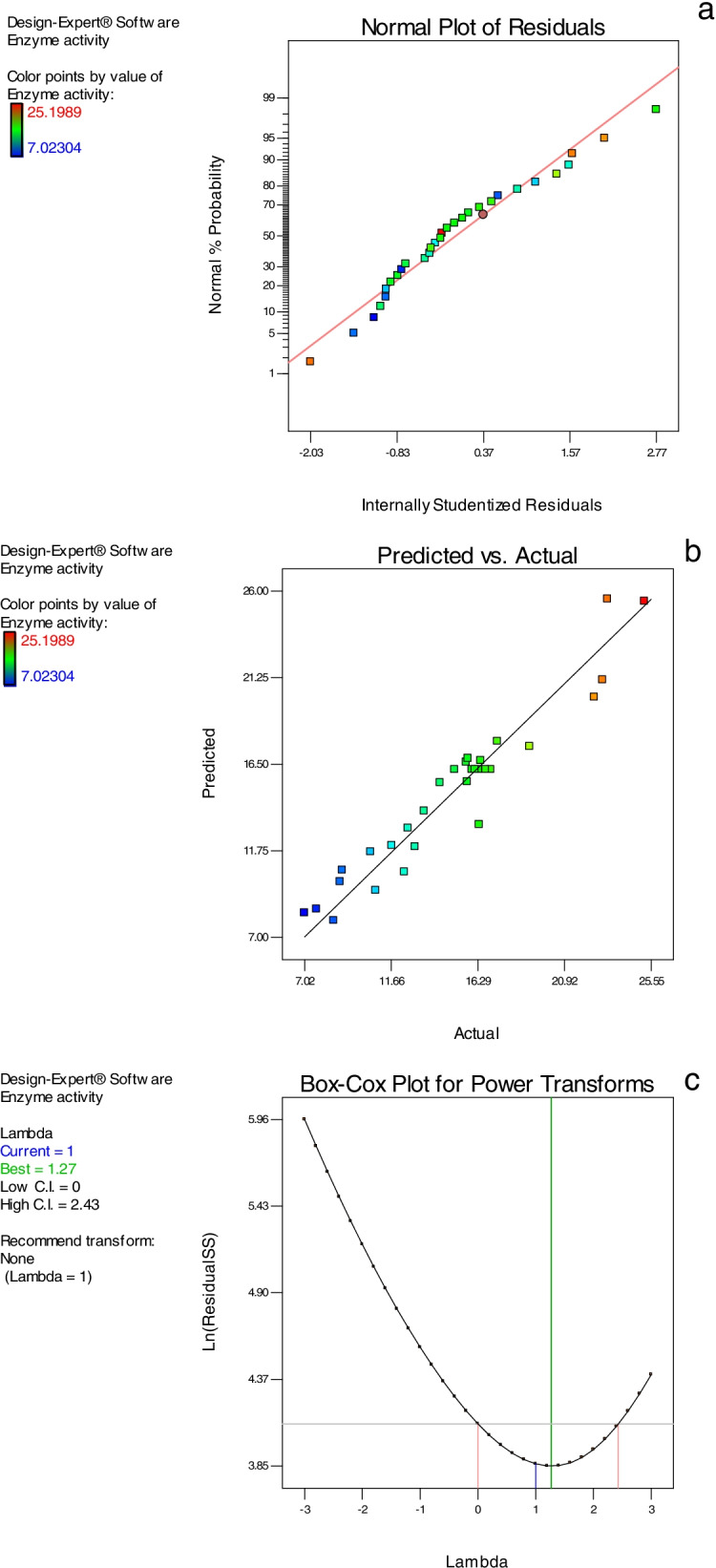
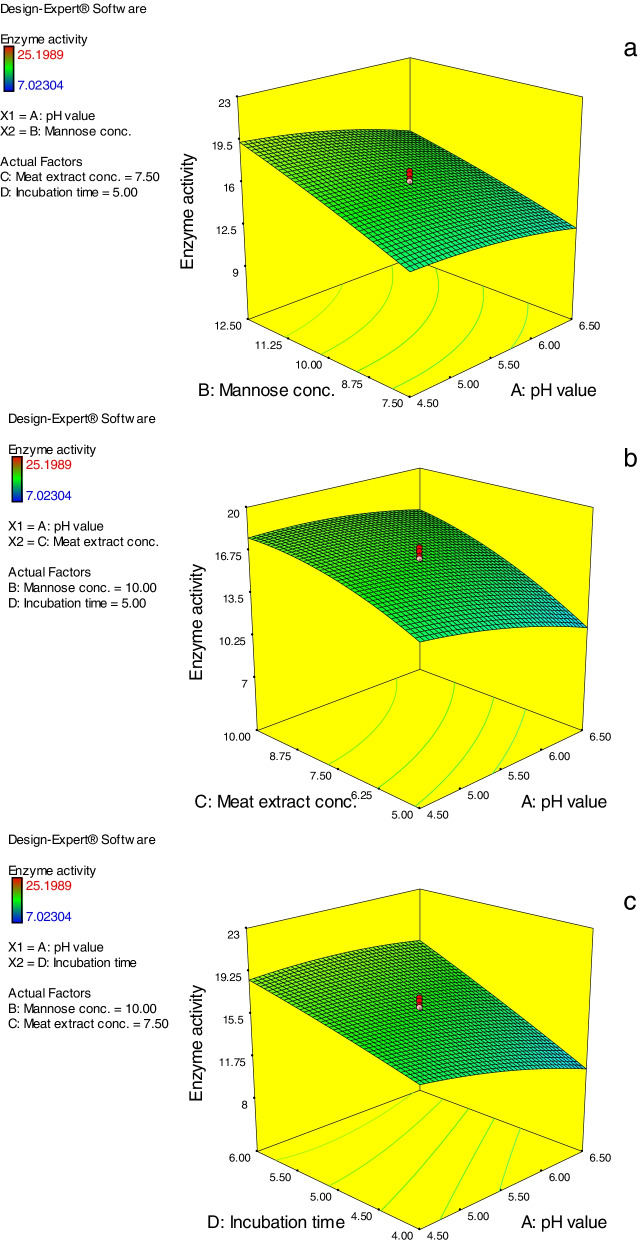
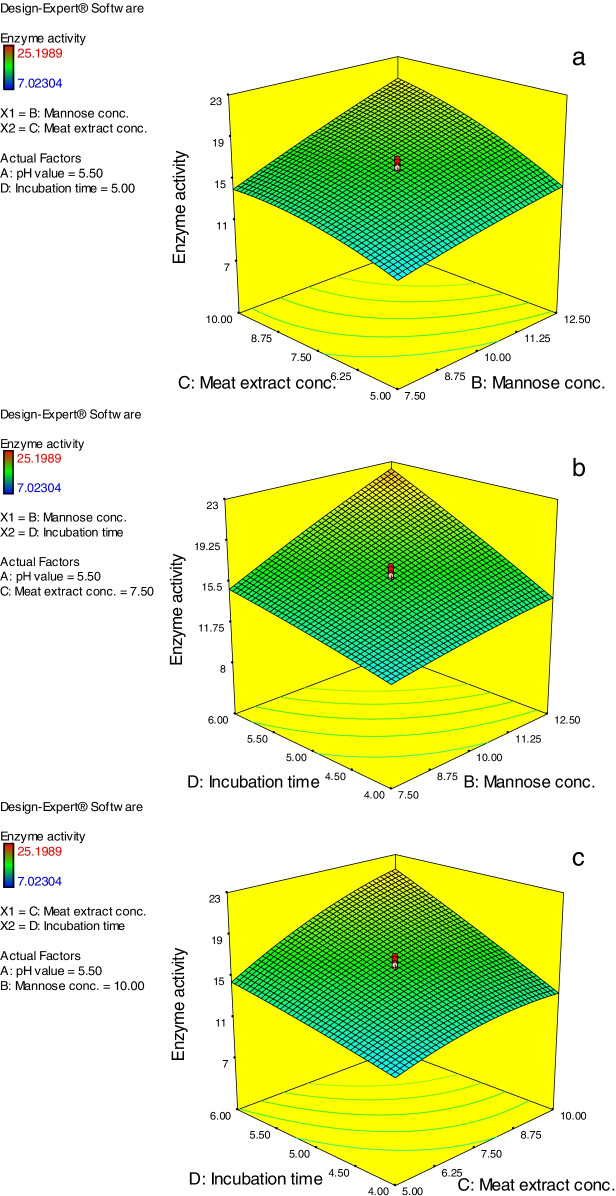
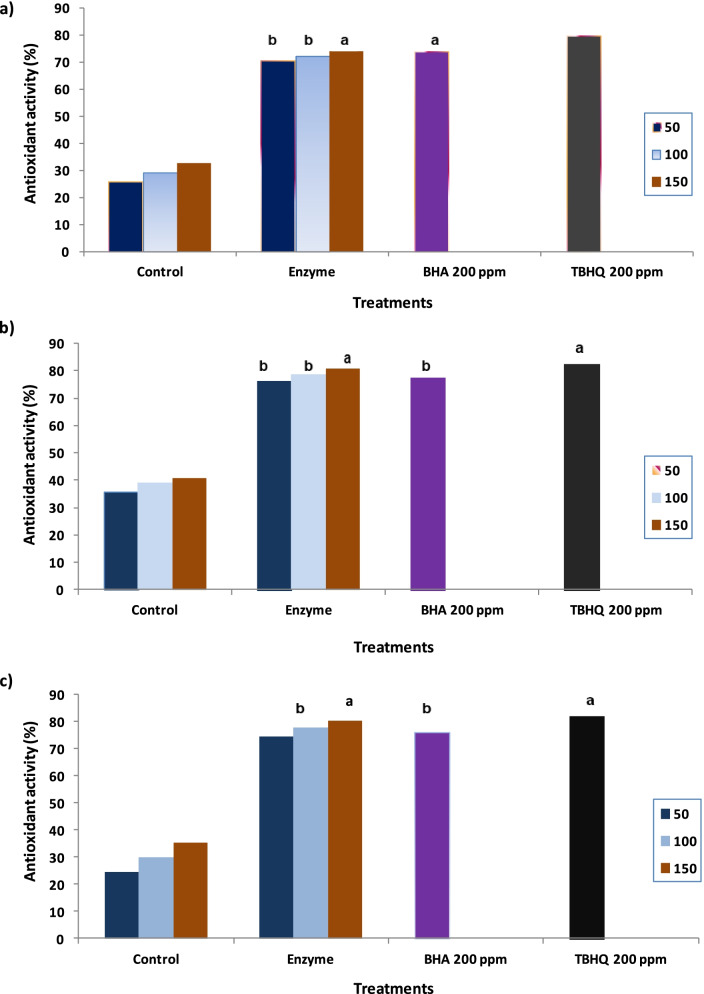
Aspergillus niger NRC114 was exploited to produce the extracellular α-galactosidase. One factor per time (OFT) and central composite design (CCD) approaches were applied to determine the optimum parameters and enhance the enzyme production. The CCD model choices of pH 4.73, 1.25% mannose, 0.959% meat extract, and 6-day incubation period have succeeded in obtaining 25.22 U/mL of enzyme compared to the 6.4 U/mL produced using OFT studies. Treatment of soymilk by α-galactosidase caused an increase in total phenols and flavonoids by 27.3% and 19.9%, respectively. Antioxidant measurements revealed a significant increase in the enzyme-treated soymilk. Through HPLC analysis, the appearance of sucrose, fructose, and glucose in the enzyme-treated soymilk was detected due to the degradation of stachyose and raffinose. The main volatile compounds in raw soymilk were acids (45.04%) and aldehydes (34.25%), which showed a remarkable decrease of 7.82% and 20.03% after treatment by α-galactosidase.
To increase α-galactosidase production, the OFT and CCD approaches were used, and CCD was found to be four times more effective than OFT. The produced enzyme proved potent enough to improve the properties of soymilk, avoiding flatulence and undesirable tastes and odors.
α-半乳糖苷酶广泛分布于植物、微生物和动物中,可由不同的真菌来源产生。许多研究已证实α-半乳糖苷酶在各种生物技术目的中的宝贵应用,如豆浆加工。
利用黑曲霉NRC114生产胞外α-半乳糖苷酶。采用一次一因素(OFT)和中心复合设计(CCD)方法来确定最佳参数并提高酶产量。CCD模型选择的pH值为4.73、甘露糖1.25%、肉提取物0.959%和培养6天,成功获得了25.22 U/mL的酶,而OFT研究产生的酶为6.4 U/mL。用α-半乳糖苷酶处理豆浆使总酚和黄酮类化合物分别增加了27.3%和19.9%。抗氧化剂测量结果显示,酶处理后的豆浆有显著增加。通过高效液相色谱分析,由于水苏糖和棉子糖的降解,在酶处理后的豆浆中检测到了蔗糖、果糖和葡萄糖。生豆浆中的主要挥发性化合物是酸(45.04%)和醛(34.25%),用α-半乳糖苷酶处理后分别显著下降了7.82%和20.03%。
为了提高α-半乳糖苷酶的产量,采用了OFT和CCD方法,发现CCD的效果比OFT高四倍。所产生的酶被证明有足够的效力来改善豆浆的特性,避免肠胃胀气以及不良的味道和气味。