Voci Silvia, Gagliardi Agnese, Salvatici Maria Cristina, Fresta Massimo, Cosco Donato
Department of Health Sciences, University "Magna Græcia" of Catanzaro, Campus Universitario "S. Venuta", 88100 Catanzaro, Italy.
Electron Microscopy Centre (Ce.M.E.), Institute of Chemistry of Organometallic Compounds (ICCOM), National Research Council (CNR), 50019 Sesto Fiorentino, Italy.
Pharmaceutics. 2022 Jan 30;14(2):332. doi: 10.3390/pharmaceutics14020332.
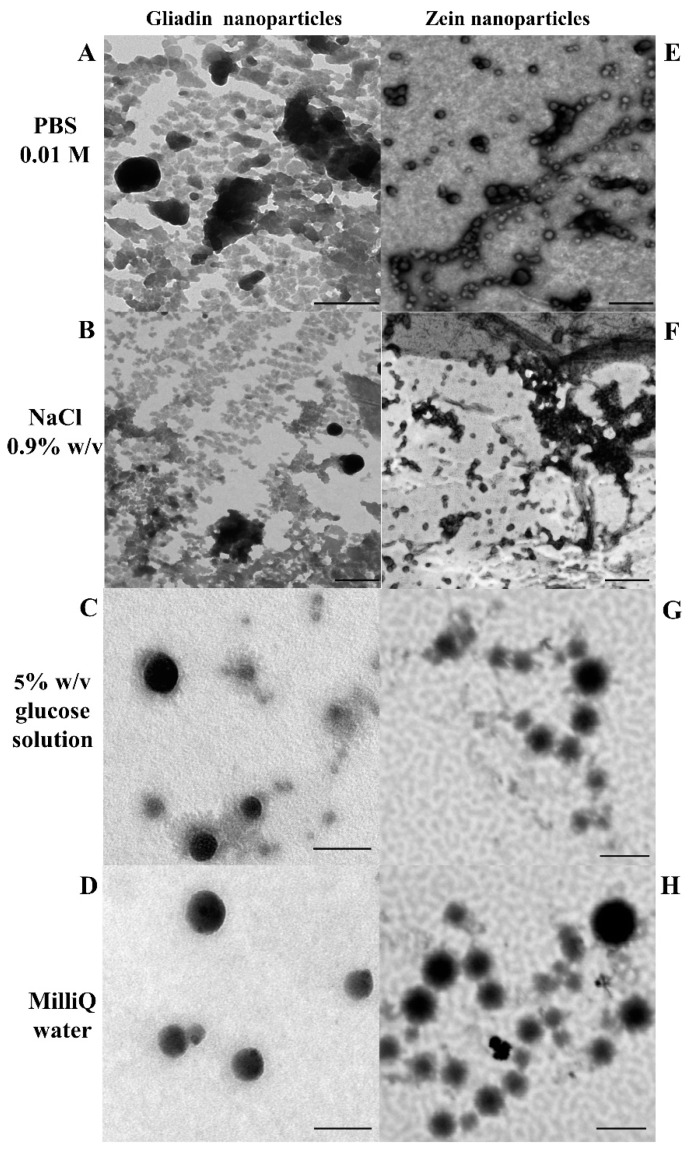
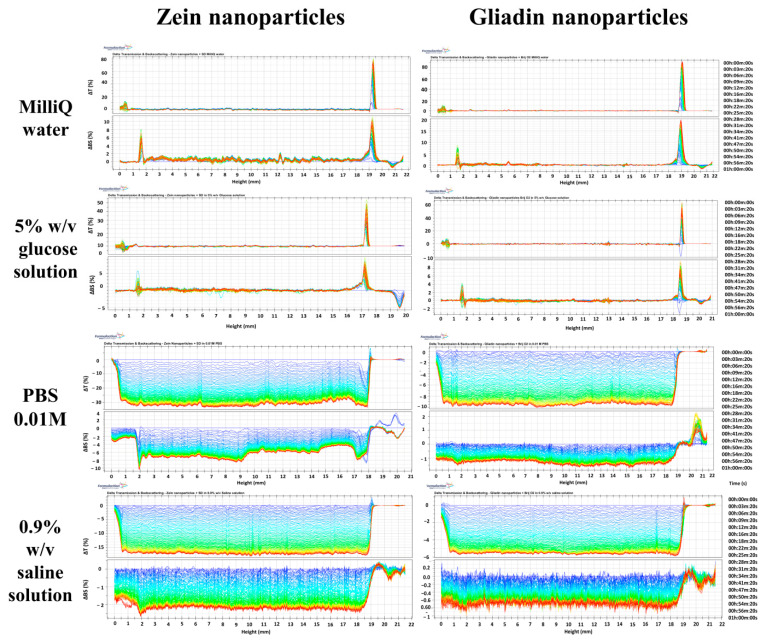
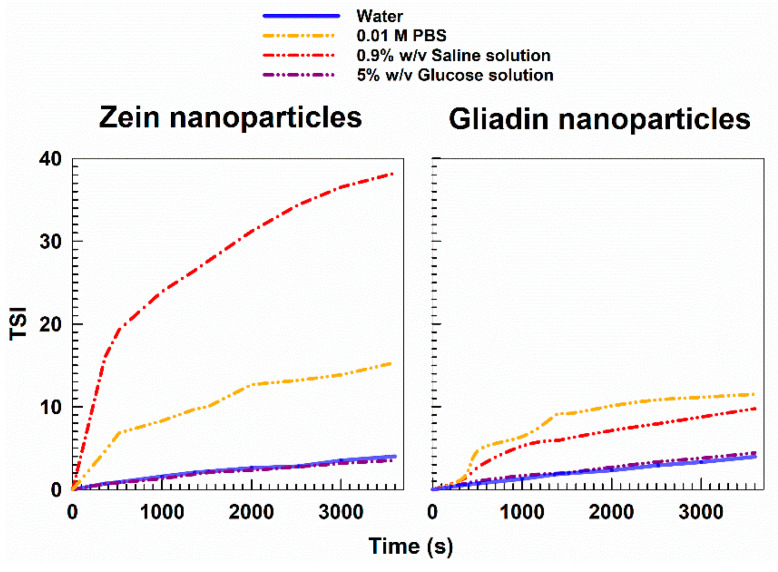
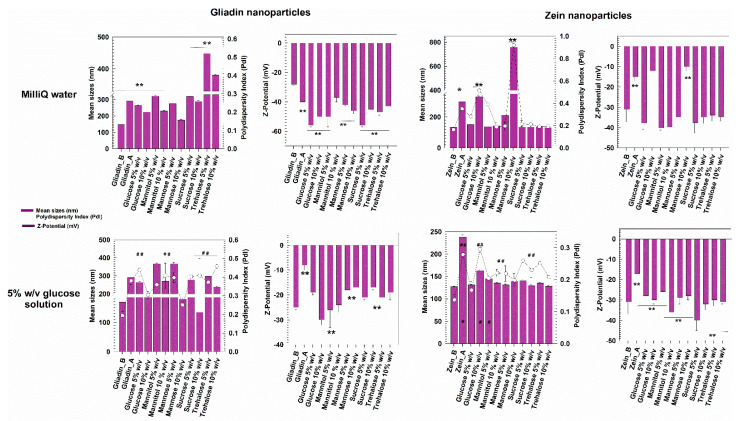
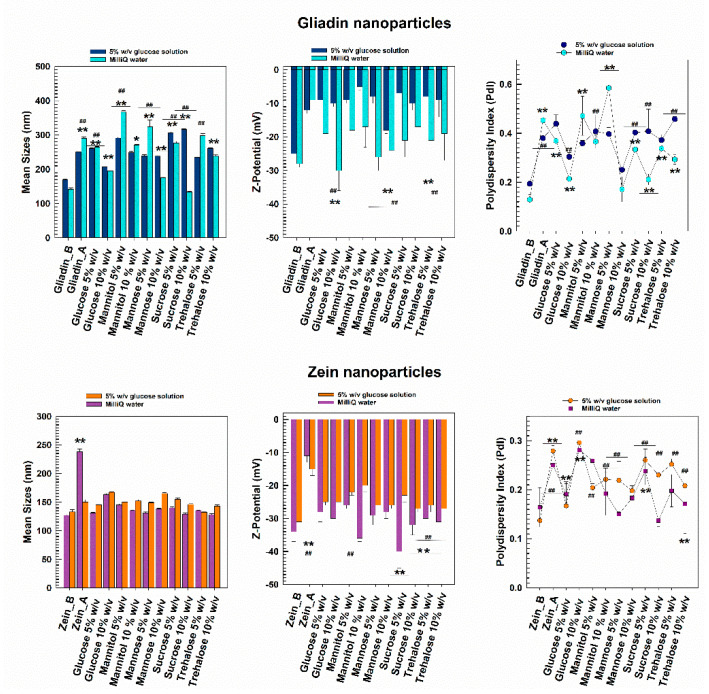
The evaluation of the physico-chemical features of nanocarriers is fundamental because the modulation of these parameters can influence their biological and in vivo fate. This work investigated the feasibility of saline, 5% / glucose and phosphate-buffered saline solution, as polar media for the development of nanoparticles made up of two vegetal proteins, zein from corn and gliadin from wheat, respectively. The physico-chemical features of the various systems were evaluated using dynamic and multiple light scattering techniques, and the results demonstrate that the 5% / glucose solution is a feasible medium to be used for their development. Moreover, the best formulations were characterized by the aforementioned techniques following the freeze-drying procedure. The aggregation of the zein nanoparticles prepared in water or glucose solution was prevented by using various cryoprotectants. Mannose confirmed its crucial role in the cryopreservation of the gliadin nanosystems prepared in both water and glucose solution. Sucrose and glucose emerged as additional useful excipients when they were added to gliadin nanoparticles prepared in a 5% glucose solution. Specifically, their protective effect was in the following order: mannose > sucrose > glucose. The results obtained when using specific aqueous media and cryoprotectants permitted us to develop stable zein or gliadin nanoparticles as suspension or freeze-dried formulations.
对纳米载体的物理化学特性进行评估至关重要,因为这些参数的调节会影响其生物学行为和体内命运。本研究探讨了生理盐水、5%葡萄糖溶液和磷酸盐缓冲盐水溶液作为极性介质用于分别由两种植物蛋白(玉米醇溶蛋白和小麦醇溶蛋白)制备纳米颗粒的可行性。使用动态光散射和多角度光散射技术对不同体系的物理化学特性进行了评估,结果表明5%葡萄糖溶液是用于其制备的可行介质。此外,在冷冻干燥过程后,用上述技术对最佳配方进行了表征。通过使用各种冷冻保护剂,可防止在水或葡萄糖溶液中制备的玉米醇溶蛋白纳米颗粒发生聚集。甘露糖在水和葡萄糖溶液中制备的小麦醇溶蛋白纳米体系的冷冻保存中证实了其关键作用。当将蔗糖和葡萄糖添加到在5%葡萄糖溶液中制备的小麦醇溶蛋白纳米颗粒中时,它们成为另外有用的辅料。具体而言,它们的保护作用顺序为:甘露糖>蔗糖>葡萄糖。使用特定水性介质和冷冻保护剂所获得的结果使我们能够开发出稳定的玉米醇溶蛋白或小麦醇溶蛋白纳米颗粒,制成悬浮液或冷冻干燥制剂。