Zhang Xuezhi, Chu Cuiyu, Huang Yuankun
Department of Critical Care Medicine, Anqiu People's Hospital, Anqiu, Shandong 262100, P.R. China.
Exp Ther Med. 2022 Mar;23(3):226. doi: 10.3892/etm.2022.11150. Epub 2022 Jan 18.
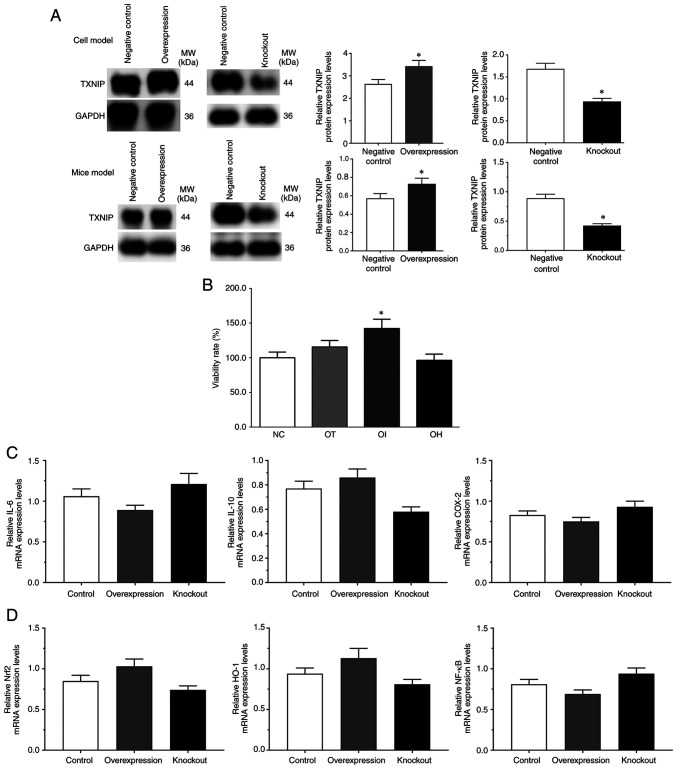
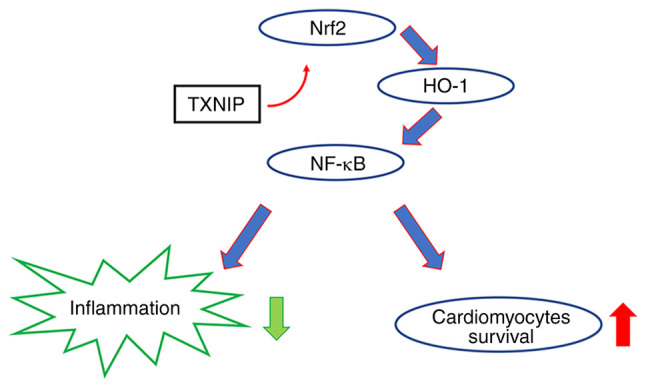
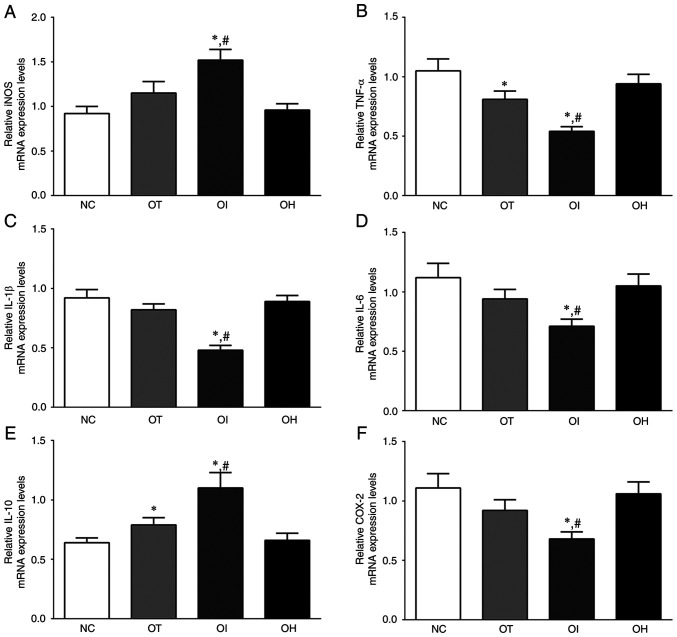
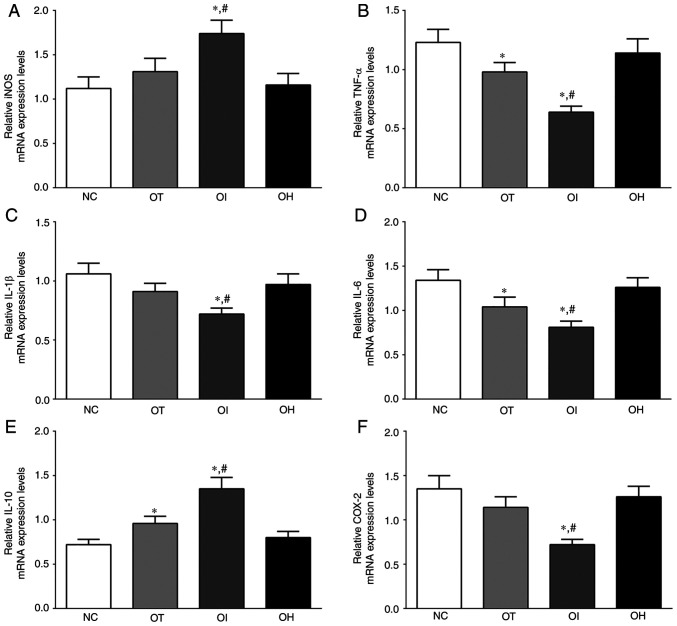
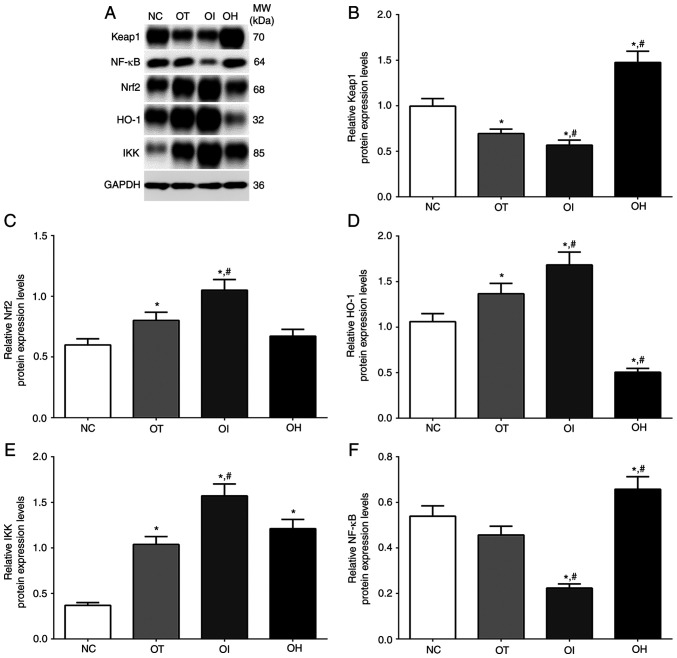
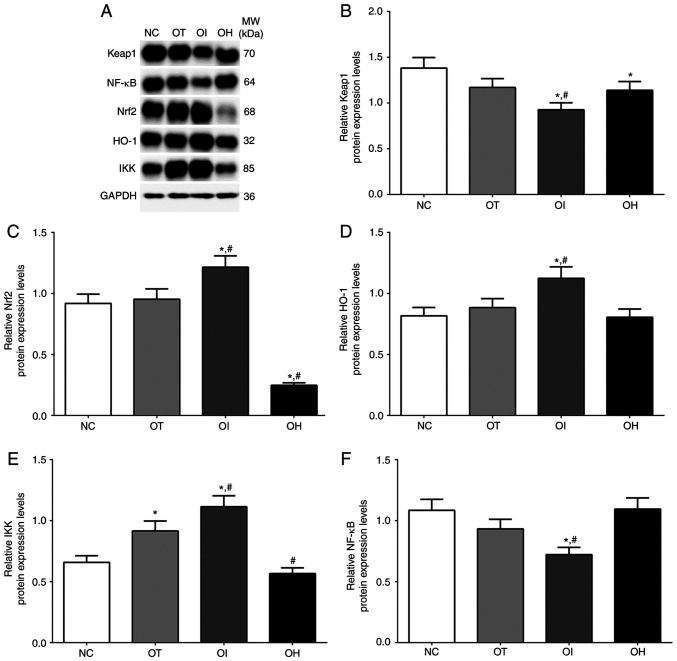
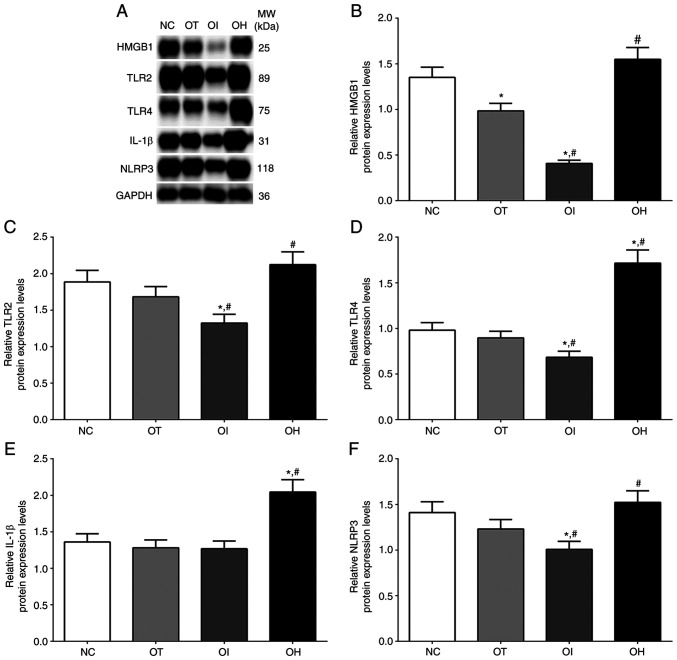
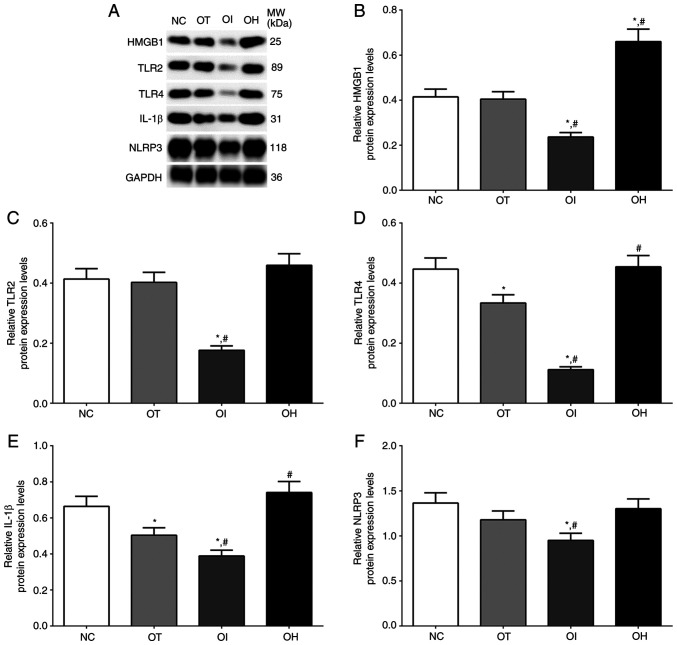
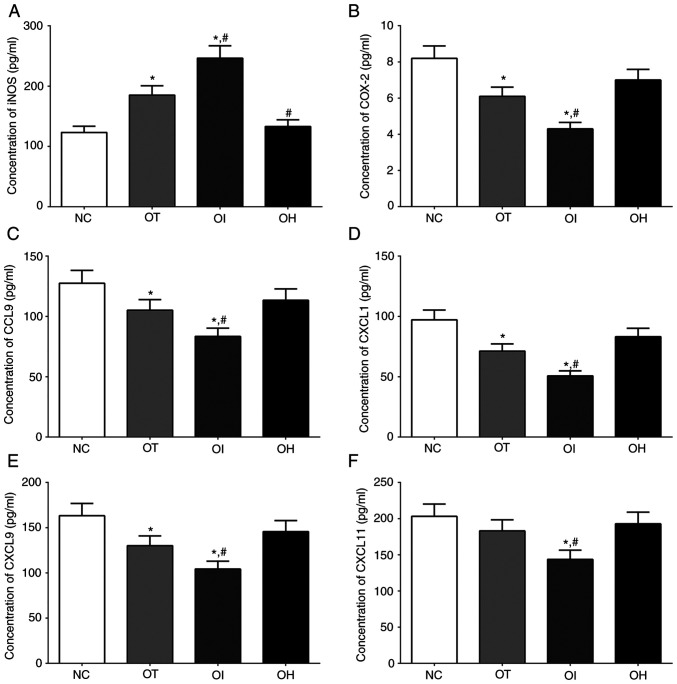
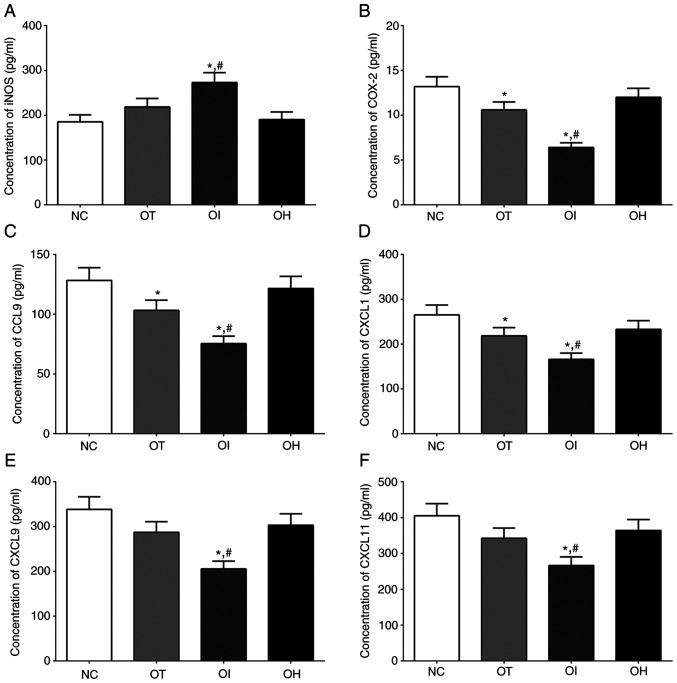
Heart failure (HF) is the leading cause of death around the world, the mortality caused by HF is growing rapidly, and has become a great threaten to both public health and economic growth. Dehydrocostus lactone (DHE) is the active constituent of and is widely used in traditional Chinese medicine for its multiple biological functions, including anti-inflammatory, antioxidant and anti-cancer. To the best of our knowledge, DHE's effect on HF has not been clarified. Thioredoxin-interacting protein (TXNIP) regulates the process of oxidative stress and inflammation and leads to an increase in oxidative stress via oxidization of thioredoxin, TXNIP promotes the activation of the immune response by its binding with the NOD-like receptor protein 3 inflammasome. An MTT assay revealed that the overexpression or inhibition of TXNIP markedly decreased or significantly increased the proliferation of H9c2 cells, respectively. Through reverse transcription-quantitative PCR (RT-qPCR) and western blotting, it was determined that the expression of proinflammatory cytokines was significantly decreased with the increased expression of anti-inflammatory cytokines in a TXNIP knockout model. Further study utilizing RT-qPCR and western blotting demonstrated that these effects may be mediated by the nuclear factor erythroid 2-related factor 2/heme oxygenase-1/NF-κB signaling pathway. In conclusion, TXNIP inhibition may promote the therapeutic effect of DHE on oxidative stress-induced damage.
心力衰竭(HF)是全球主要的死亡原因,由HF导致的死亡率正在迅速上升,并已对公众健康和经济增长构成巨大威胁。脱氢木香内酯(DHE)是[某种植物]的活性成分,因其多种生物学功能,包括抗炎、抗氧化和抗癌作用,而在传统中药中被广泛应用。据我们所知,DHE对HF的影响尚未阐明。硫氧还蛋白相互作用蛋白(TXNIP)调节氧化应激和炎症过程,并通过氧化硫氧还蛋白导致氧化应激增加,TXNIP通过与NOD样受体蛋白3炎性小体结合促进免疫反应的激活。MTT试验显示,TXNIP的过表达或抑制分别显著降低或增加H9c2细胞的增殖。通过逆转录定量PCR(RT-qPCR)和蛋白质印迹法确定,在TXNIP基因敲除模型中,促炎细胞因子的表达随着抗炎细胞因子表达的增加而显著降低。利用RT-qPCR和蛋白质印迹法的进一步研究表明,这些作用可能由核因子红细胞2相关因子2/血红素加氧酶-1/NF-κB信号通路介导。总之,抑制TXNIP可能会增强DHE对氧化应激诱导损伤的治疗效果。