Corea Francesco, Acciarresi Monica, Bernetti Laura, Brustenghi Pierluigi, Guidubaldi Arianna, Maiotti Mariangela, Micheli Sara, Pierini Vilma, Gamboni Alessio, Calabrò Giuseppe, Busti Chiara, Magistrato Cesare, Proietti-Silvestri Gianluca, Bracaccia Massimo, Caso Valeria, Zampolini Mauro
Stroke Unit, San Giovanni Battista Hospital, 06034 Foligno, Italy.
Emergency Department, San Giovanni Battista Hospital, 06034 Foligno, Italy.
Neurol Int. 2022 Jan 21;14(1):164-173. doi: 10.3390/neurolint14010012.
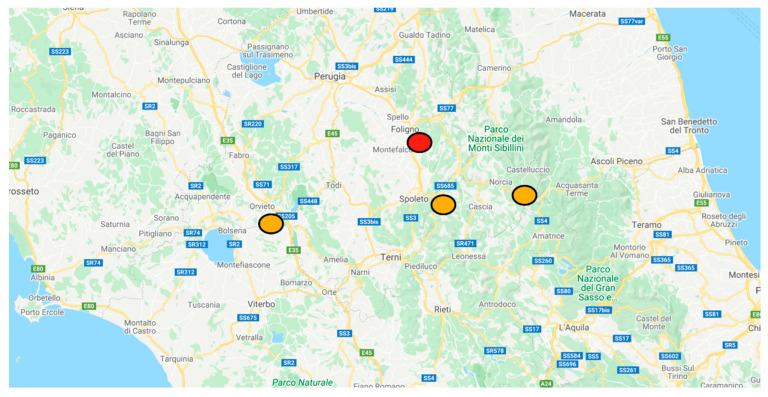
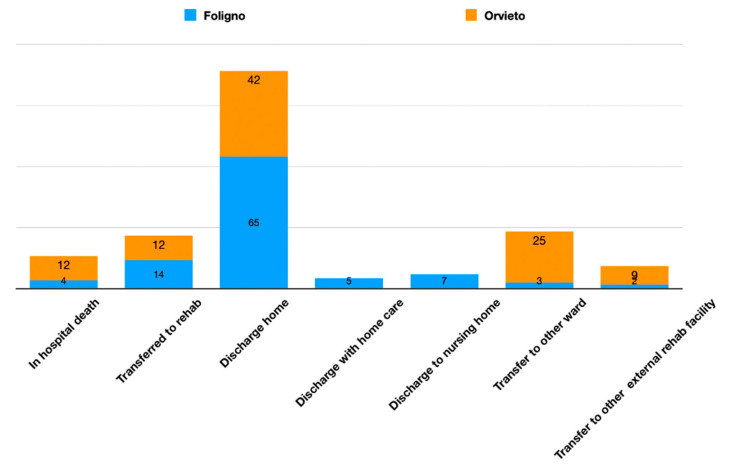
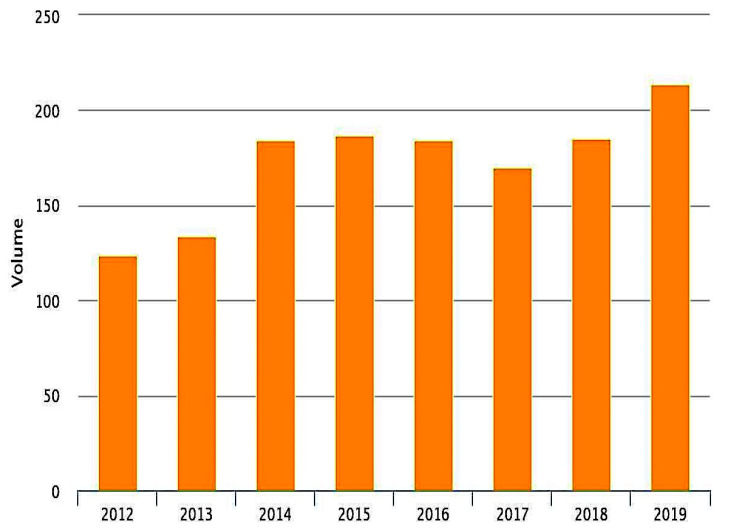
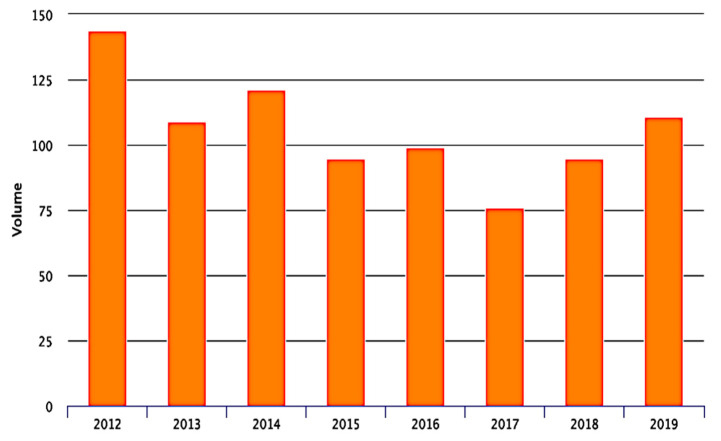
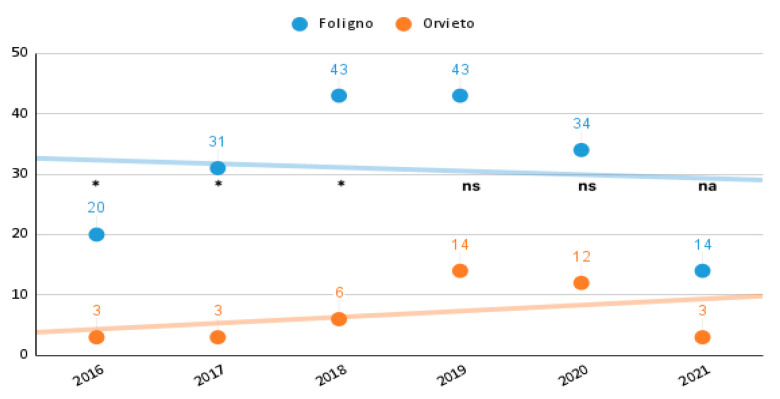
Background and Purpose-Systemic thrombolysis represents the main proven therapy for acute ischemic stroke, but safe treatment is reported only in well-established stroke units. To extend the use of tissue plasminogen activator (tPA) treatment in primary care hospitals on isolated areas through telemedic was the purpose of specific initiatives in southern Umbria, Italy. Methods-The stroke center of Foligno established a telestroke network to provide consultations for three local hospitals in southern Umbria. The telemedic system consists of a digital network that includes a two-way video conference system and imaging sharing. The main network hospital established specialized stroke wards/teams in which qualified teams treat acute stroke patients. Physicians in these hospitals are able to contact the stroke centers 24 h per day. Quality data are available to support the safe implementation of the stroke procedures. Those available from governmental authorities and local datasets are volume of hospitalization, in-hospital mortality, 30-days mortality, and discharge setting. Objective of the study was to assess the annual hospitalization volume in both the hub and spoke hospitals for ischemic stroke and appraise the performance of the network after the introduction of the telestroke system. Results-A total of 225 systemic thrombolyses were performed in time period indicated above all hospitals. In the main spoke hospital, 41 procedures were performed after teleconsultations were made available. The thrombolysis rate in the hub hospital ranged between 10% in 2016 and 20% in 2019, while in the spoke hospital was below 5% in 2016 and raised to 15% in 2019. The statistically significant difference, in the number of procedures, between hub and spoke in the beginning of the observation time disappeared after introduction of the telestroke network. No increase of the mortality was found. Conclusions-The present data suggest that systemic thrombolysis indicated via stroke experts in the setting of teleconsultation shows similar complication rates to those reported in the National Institute of Neurological Disorders and Stroke trial. Therefore, tPA treatment is also safe in this context and can be extended to primary hospitals.
背景与目的——全身溶栓是急性缺血性卒中已证实的主要治疗方法,但据报道仅在成熟的卒中单元中治疗才安全。意大利翁布里亚南部的一些特定举措旨在通过远程医疗在偏远地区的基层医院扩大组织型纤溶酶原激活剂(tPA)治疗的应用。方法——福利尼奥的卒中中心建立了远程卒中网络,为翁布里亚南部的三家当地医院提供会诊。远程医疗系统由一个数字网络组成,包括双向视频会议系统和影像共享。主要网络医院设立了专门的卒中病房/团队,由合格的团队治疗急性卒中患者。这些医院的医生能够每天24小时联系卒中中心。有质量数据可支持卒中程序的安全实施。来自政府当局和当地数据集的数据包括住院量、院内死亡率、30天死亡率和出院情况。该研究的目的是评估中心医院和周边医院缺血性卒中的年度住院量,并评估引入远程卒中系统后该网络的性能。结果——在上述所有医院的时间段内共进行了225次全身溶栓治疗。在主要的周边医院,在可进行远程会诊后进行了41次治疗。中心医院的溶栓率在2016年为10%,在2019年为20%,而周边医院在2016年低于5%,在2019年升至15%。在观察期开始时,中心医院和周边医院在治疗次数上的统计学显著差异在引入远程卒中网络后消失。未发现死亡率增加。结论——目前的数据表明,通过远程会诊由卒中专家指导进行的全身溶栓治疗的并发症发生率与美国国立神经疾病和卒中研究所试验中报告的相似。因此,在这种情况下tPA治疗也是安全的,并且可以扩展到基层医院。