Department of Chemistry, University of Munich (LMU), Butenandtstr. 7 (C), D-81377 Munich, Germany.
Department of Chemistry, University of Wisconsin, 1101 University Avenue, Madison, Wisconsin 53706, United States.
J Chem Theory Comput. 2022 Apr 12;18(4):2530-2542. doi: 10.1021/acs.jctc.1c00714. Epub 2022 Feb 28.
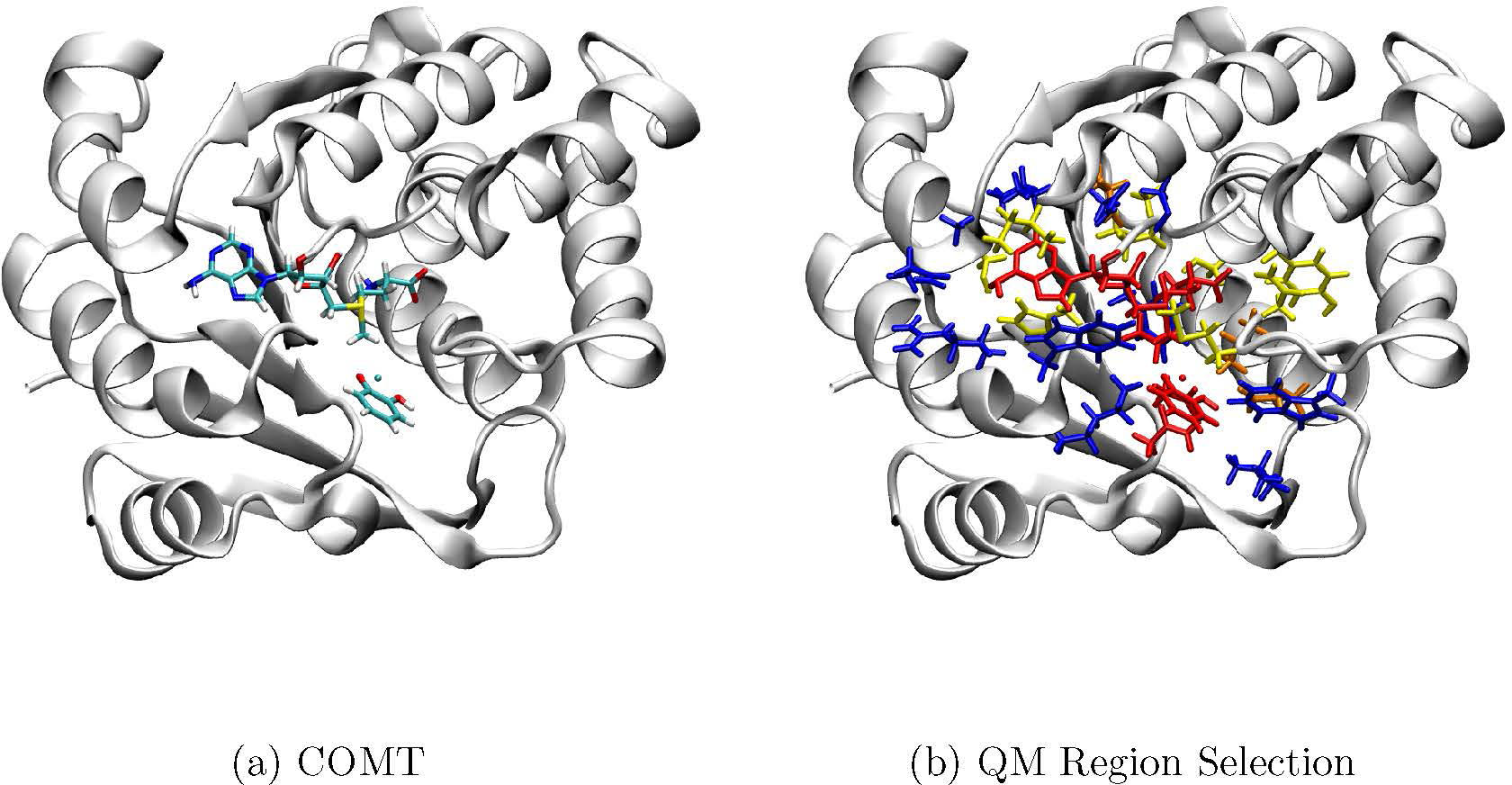
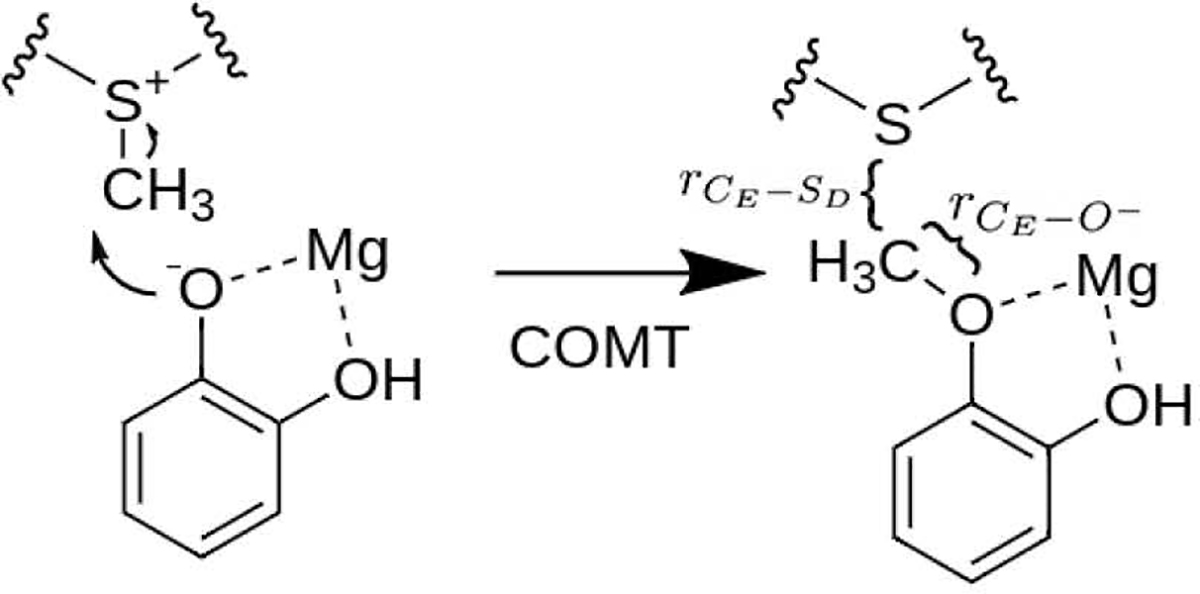
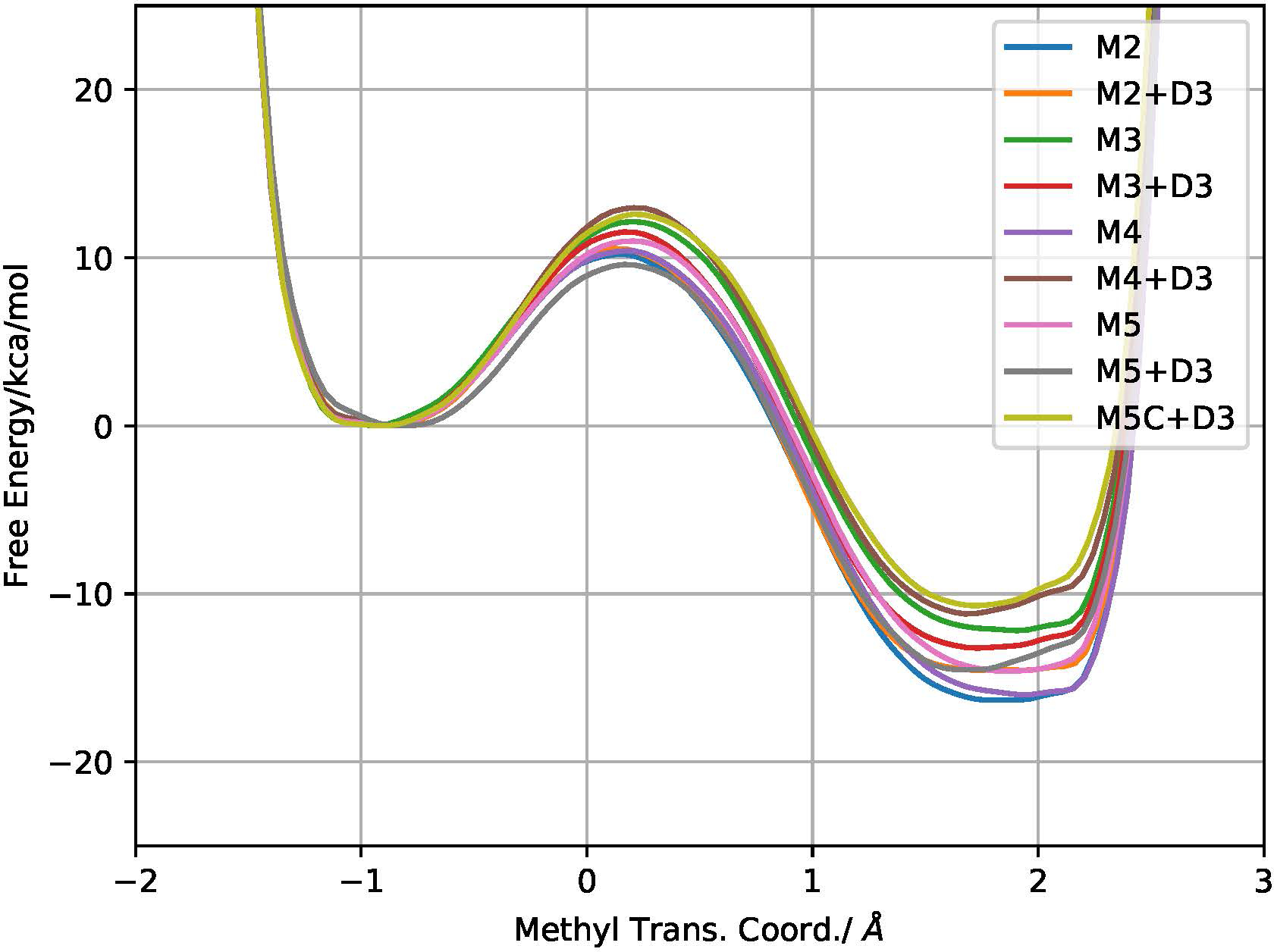
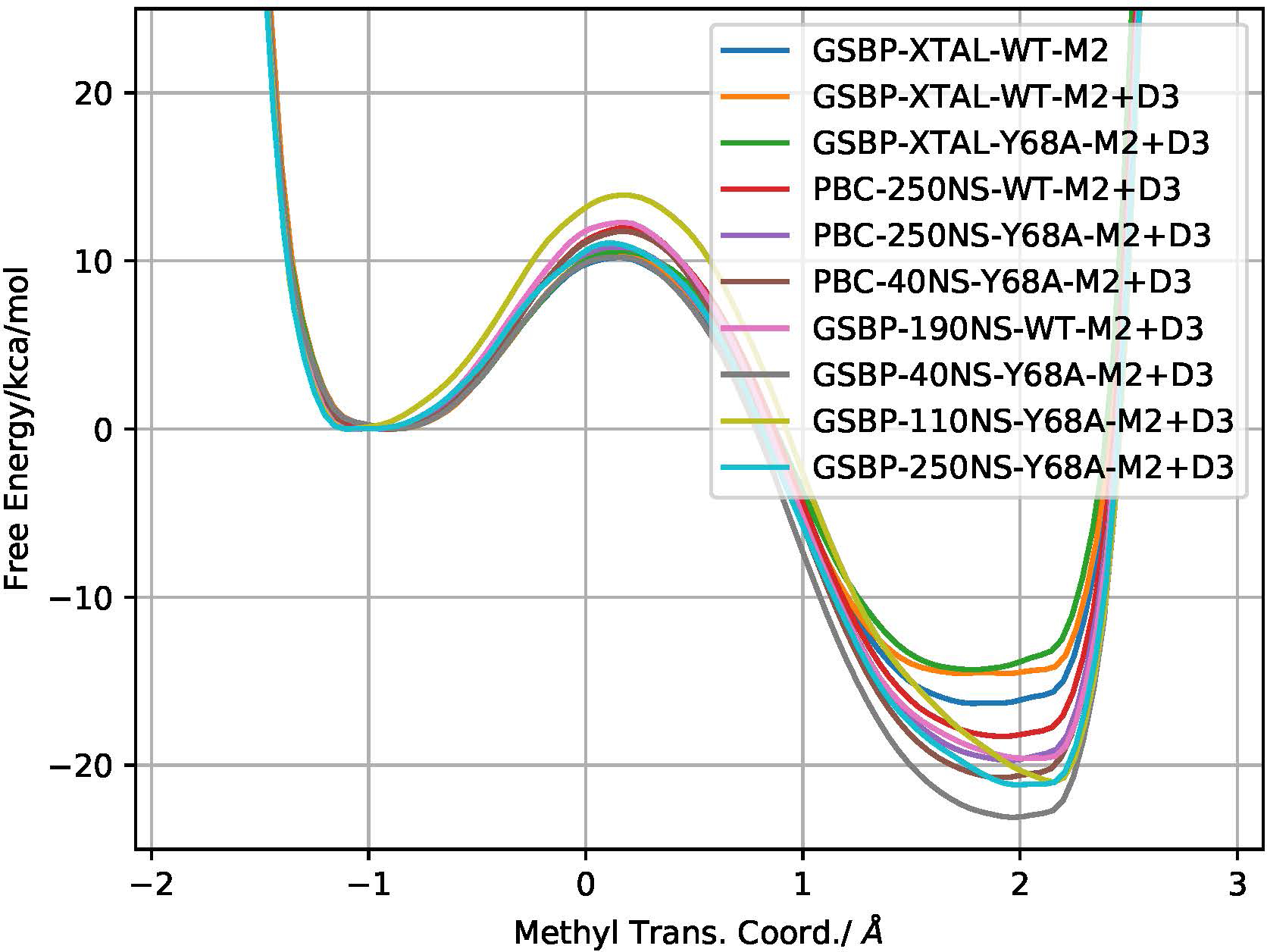
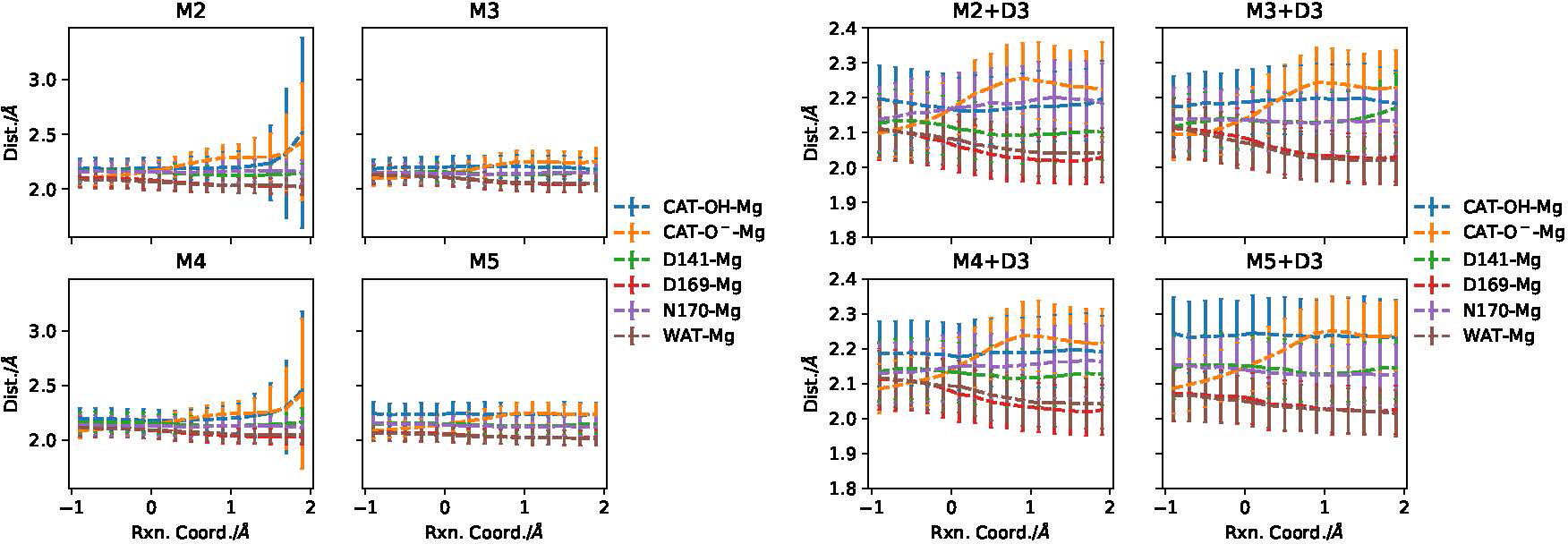
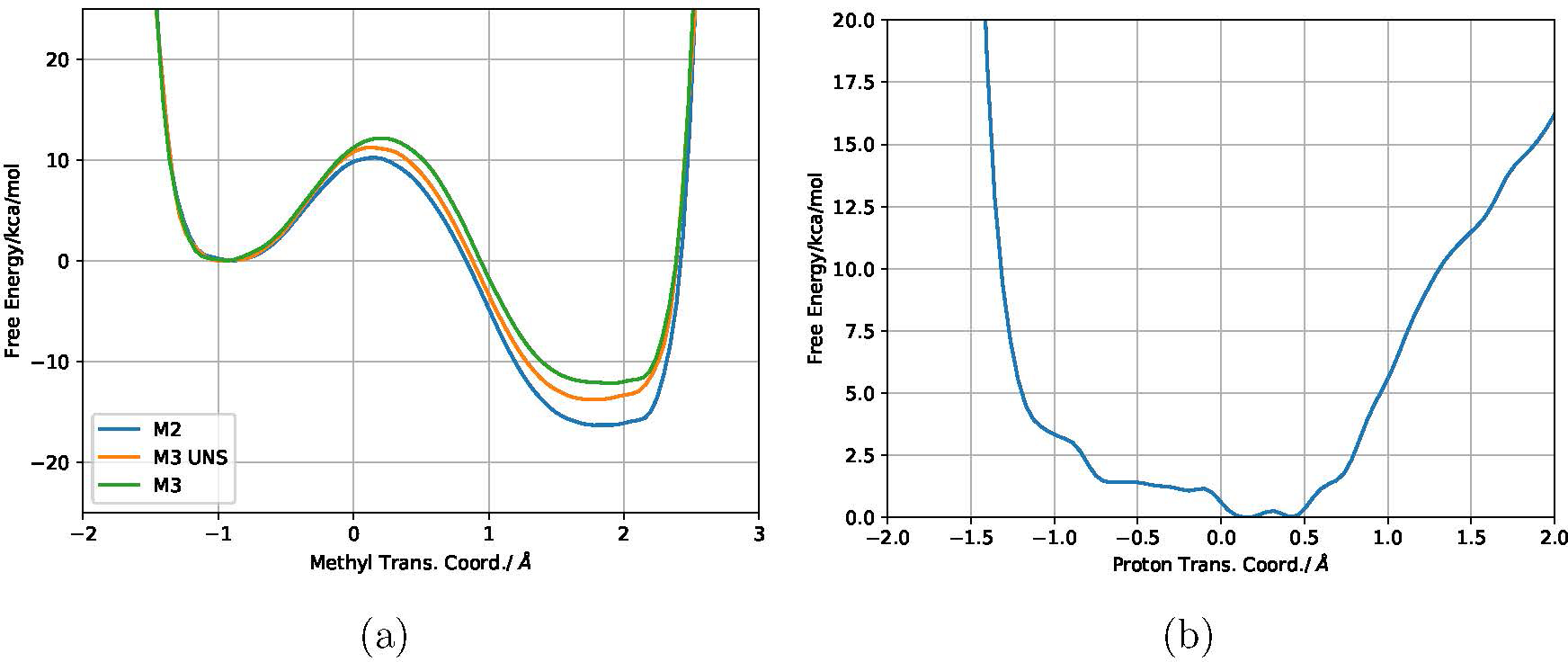
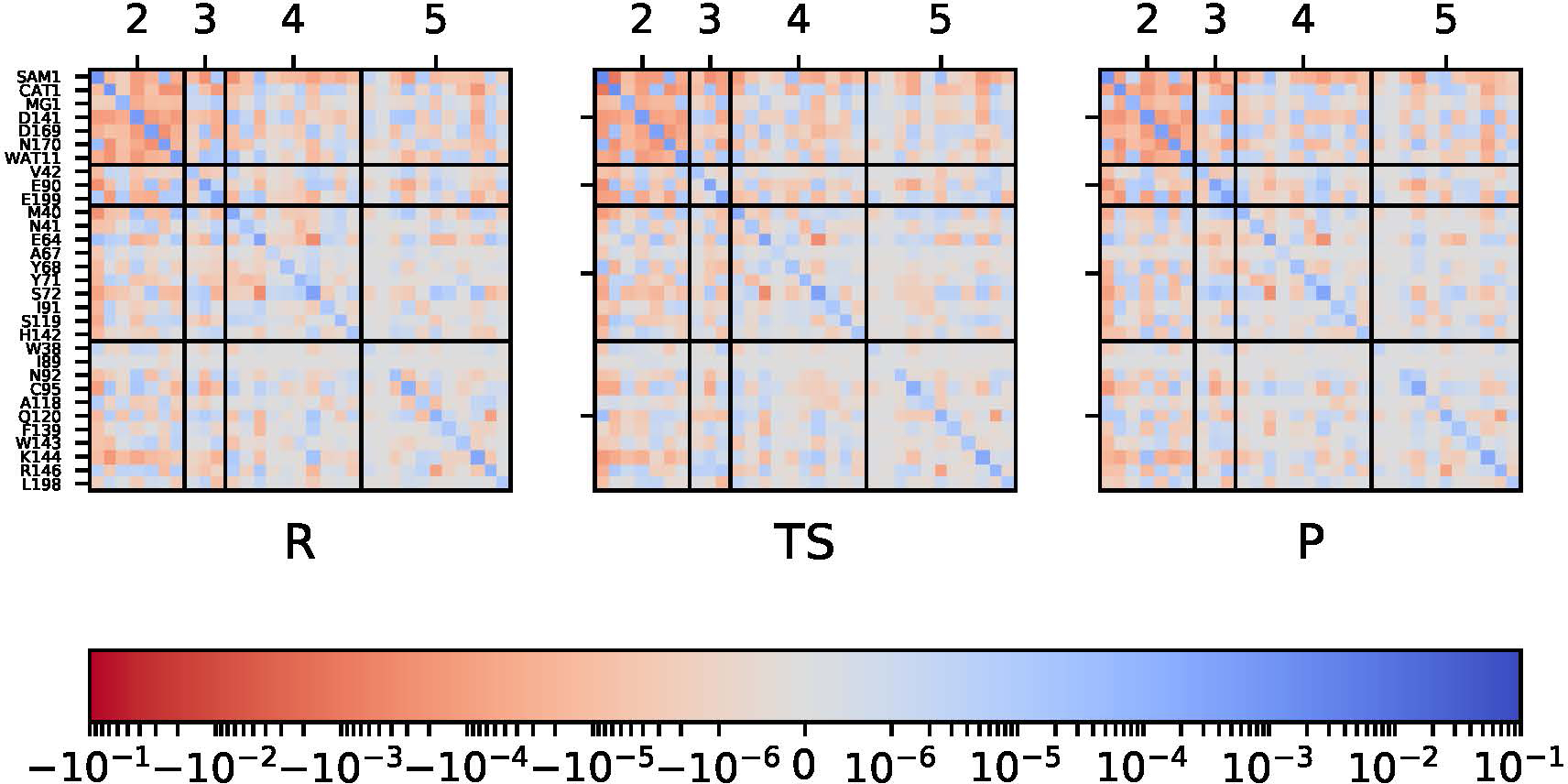
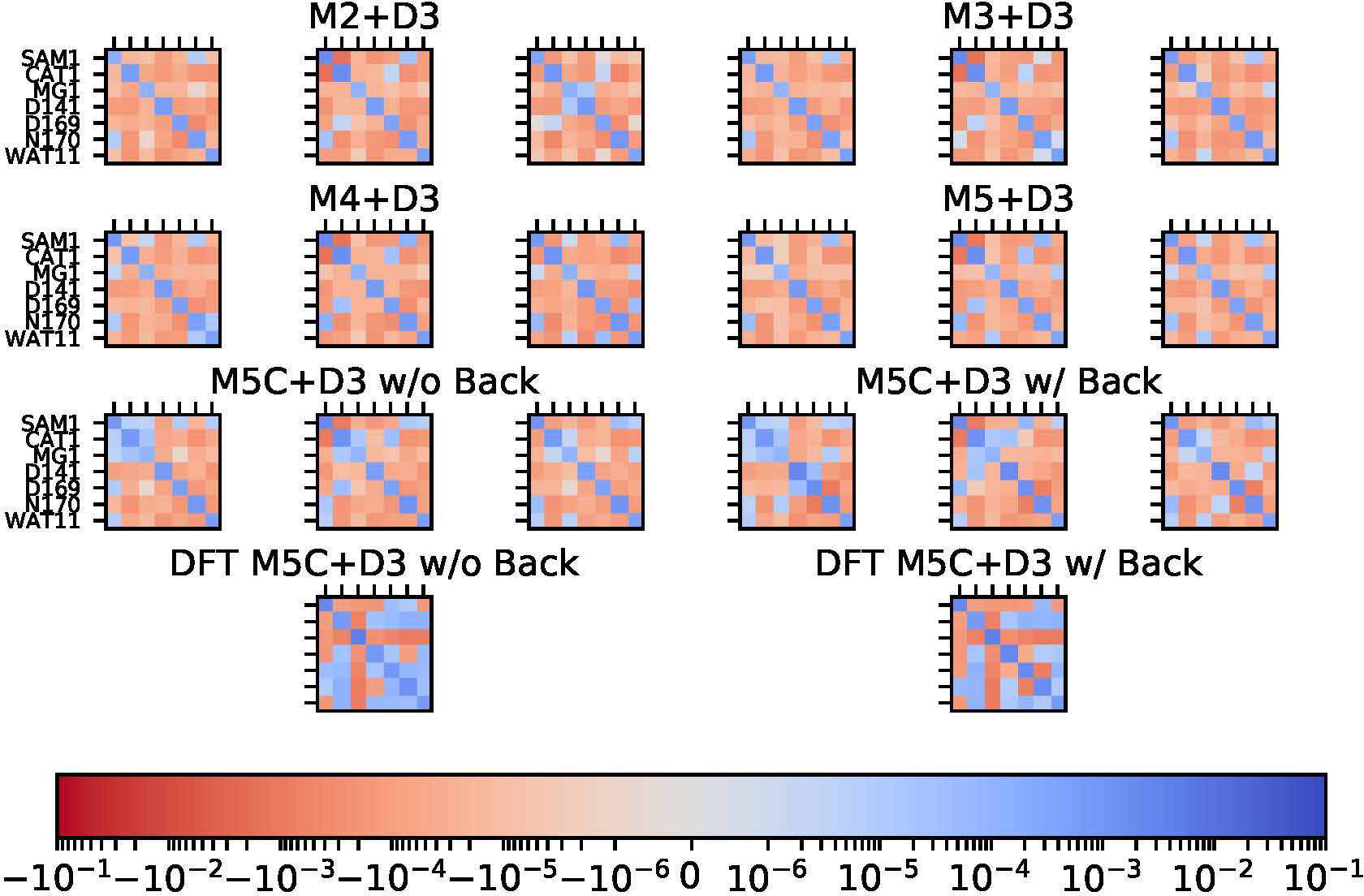
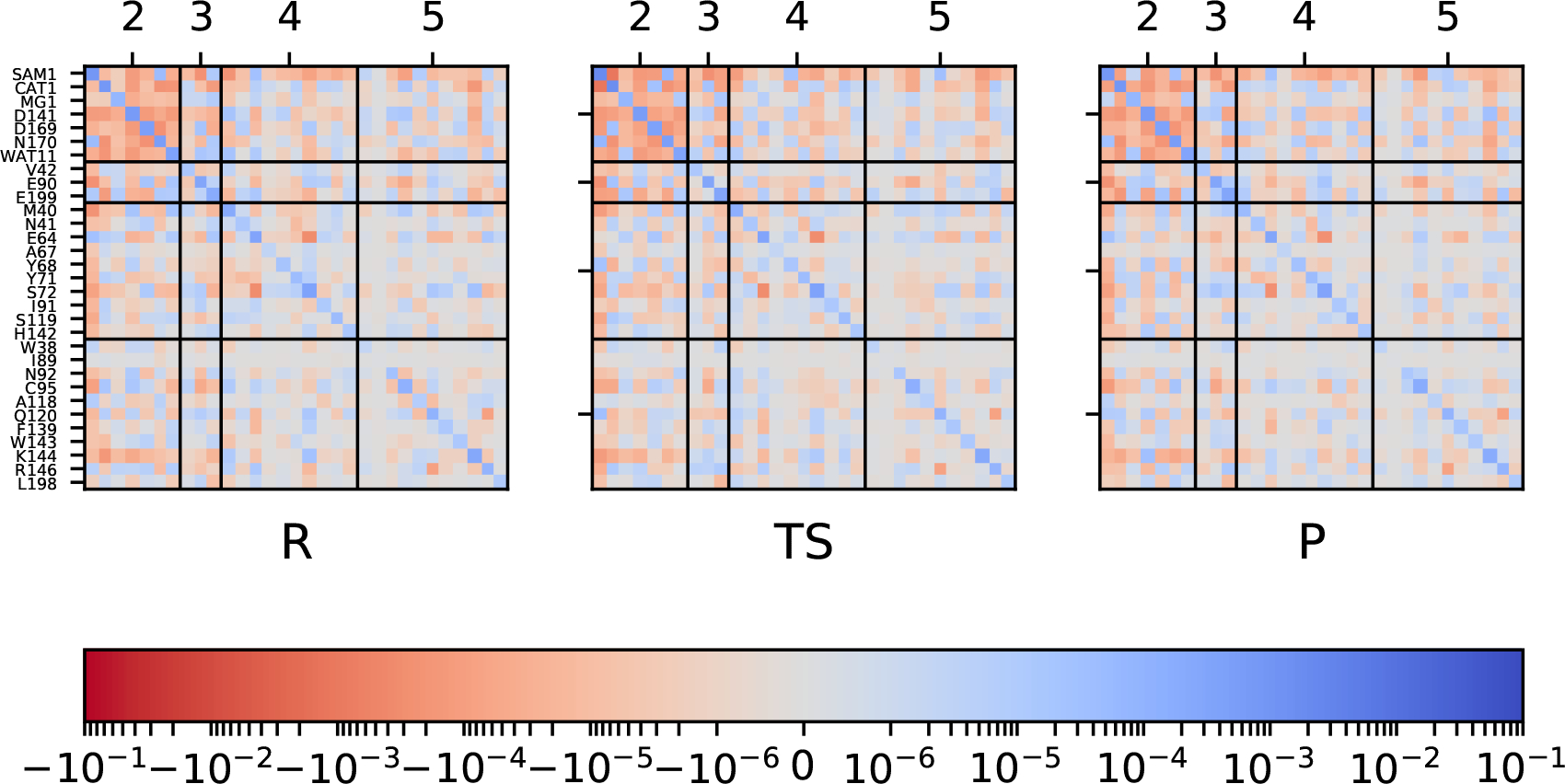
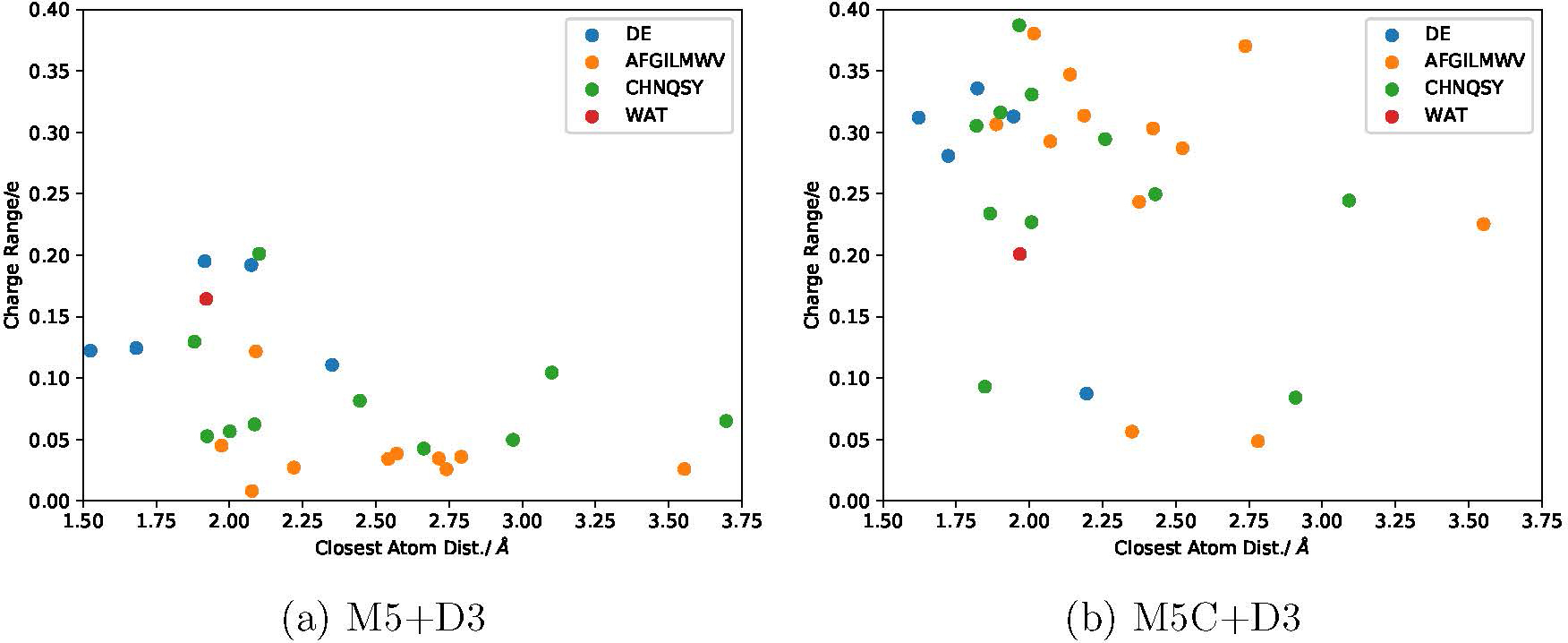
To analyze the impact of various technical details on the results of quantum mechanical (QM)/molecular mechanical (MM) enzyme simulations, including the QM region size, catechol--methyltransferase (COMT) is studied as a model system using an approximate QM/MM method (DFTB3/CHARMM). The results show that key equilibrium and kinetic properties for methyl transfer in COMT exhibit limited variations with respect to the size of the QM region, which ranges from ∼100 to ∼500 atoms in this study. With extensive sampling, local and global structural characteristics of the enzyme are largely conserved across the studied QM regions, while the nature of the transition state (e.g., secondary kinetic isotope effect) and reaction exergonicity are largely maintained. Deviations in the free energy profile with different QM region sizes are similar in magnitude to those observed with changes in other simulation protocols, such as different initial enzyme conformations and boundary conditions. Electronic structural properties, such as the covariance matrix of residual charge fluctuations, appear to exhibit rather long-range correlations, especially when the peptide backbone is included in the QM region; this observation holds when a range-separated DFT approach is used as the QM region, suggesting that delocalization error is unlikely the origin. Overall, the analyses suggest that multiple simulation details determine the results of QM/MM enzyme simulations with comparable contributions.
为了分析各种技术细节对量子力学(QM)/分子力学(MM)酶模拟结果的影响,包括QM 区域大小,本研究以儿茶酚-O-甲基转移酶(COMT)为模型系统,采用近似 QM/MM 方法(DFTB3/CHARMM)进行研究。结果表明,对于 COMT 中甲基转移的关键平衡和动力学性质,相对于 QM 区域的大小变化不大,在本研究中,QM 区域的大小范围从约 100 到约 500 个原子。通过广泛采样,在所研究的 QM 区域内,酶的局部和全局结构特征在很大程度上得以保留,而过渡态的性质(例如,二级动力学同位素效应)和反应的放能性在很大程度上得以维持。不同 QM 区域大小的自由能曲线的偏差与其他模拟方案(例如不同的初始酶构象和边界条件)的变化相似。电子结构性质,如残差电荷波动的协方差矩阵,似乎表现出相当长程的相关性,特别是当肽骨架包含在 QM 区域中时;当使用范围分离的 DFT 方法作为 QM 区域时,也可以观察到这种情况,这表明离域误差不太可能是其起源。总体而言,这些分析表明,多个模拟细节决定了 QM/MM 酶模拟的结果,它们的贡献相当。