Department of Andrology/Sichuan Human Sperm Bank, West China Second University Hospital, Sichuan University, Chengdu, Sichuan, P. R. China.
Key Laboratory of Birth Defects and Related Diseases of Women and Children of Ministry of Education, West China Second University Hospital, Sichuan University, Chengdu, China.
J Ovarian Res. 2022 Feb 28;15(1):29. doi: 10.1186/s13048-021-00938-2.
Ovarian cancer (OC) is one of the most common and lethal malignant tumors worldwide and the prognosis of OC remains unsatisfactory. Transcription factors (TFs) are demonstrated to be associated with the clinical outcome of many types of cancers, yet their roles in the prognostic prediction and gene regulatory network in patients with OC need to be further investigated.
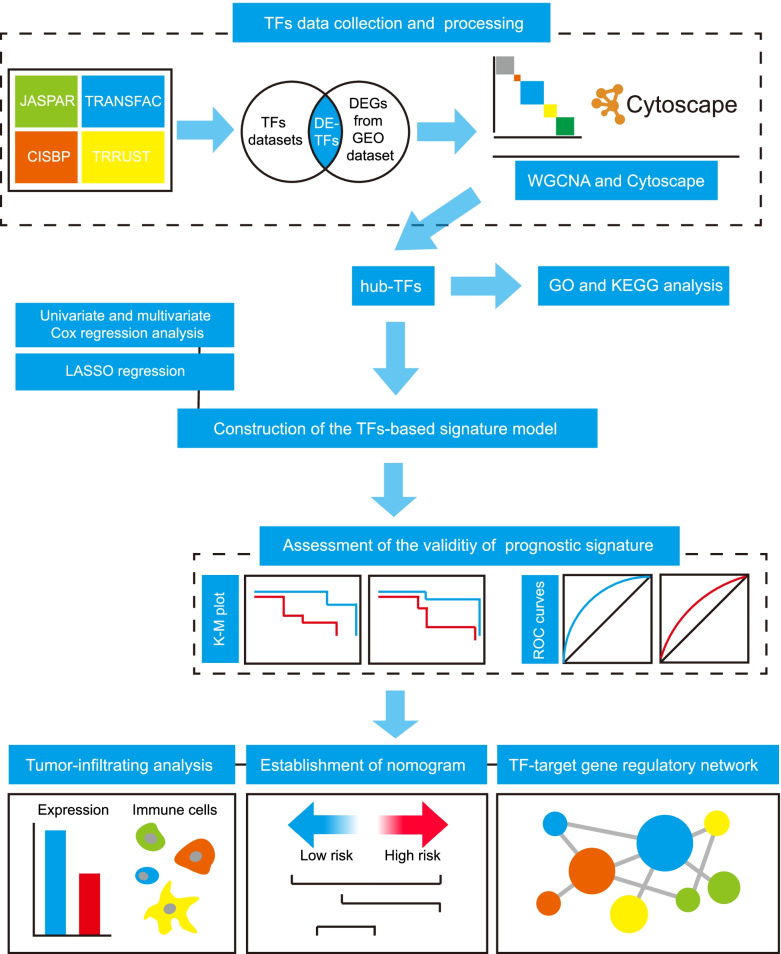
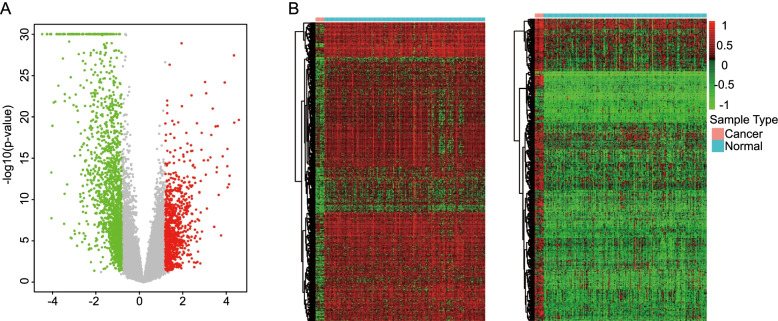
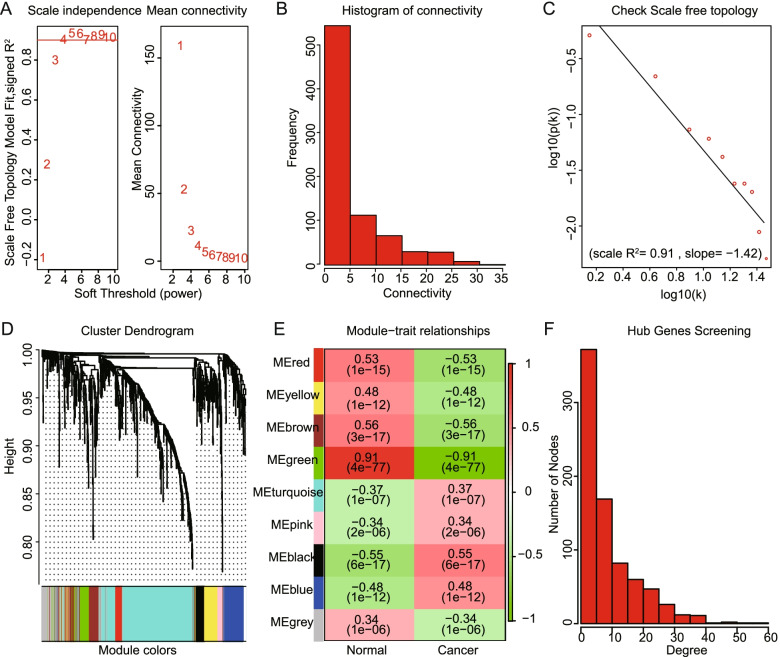
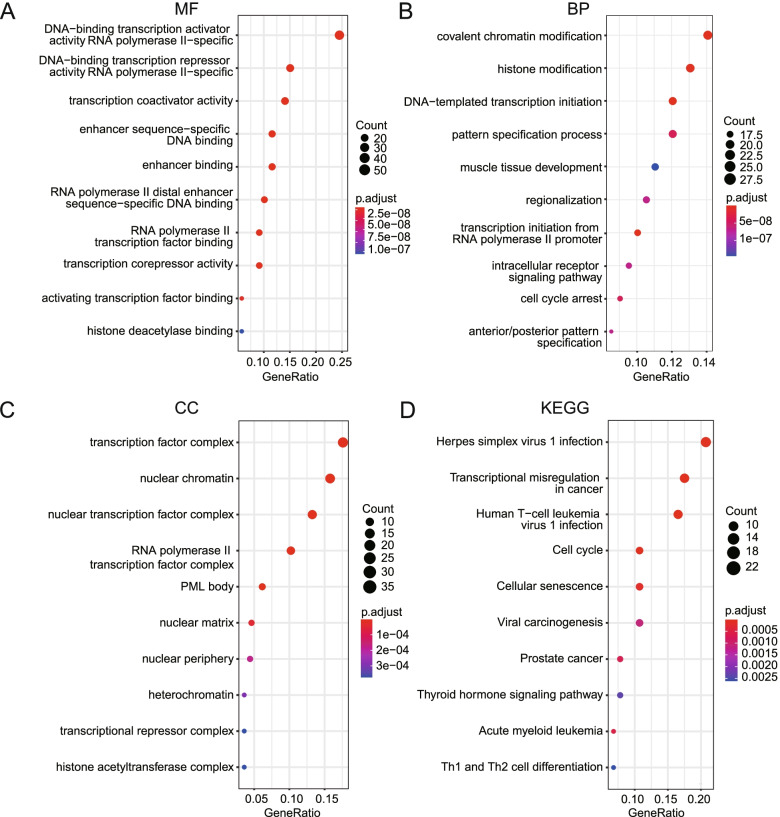
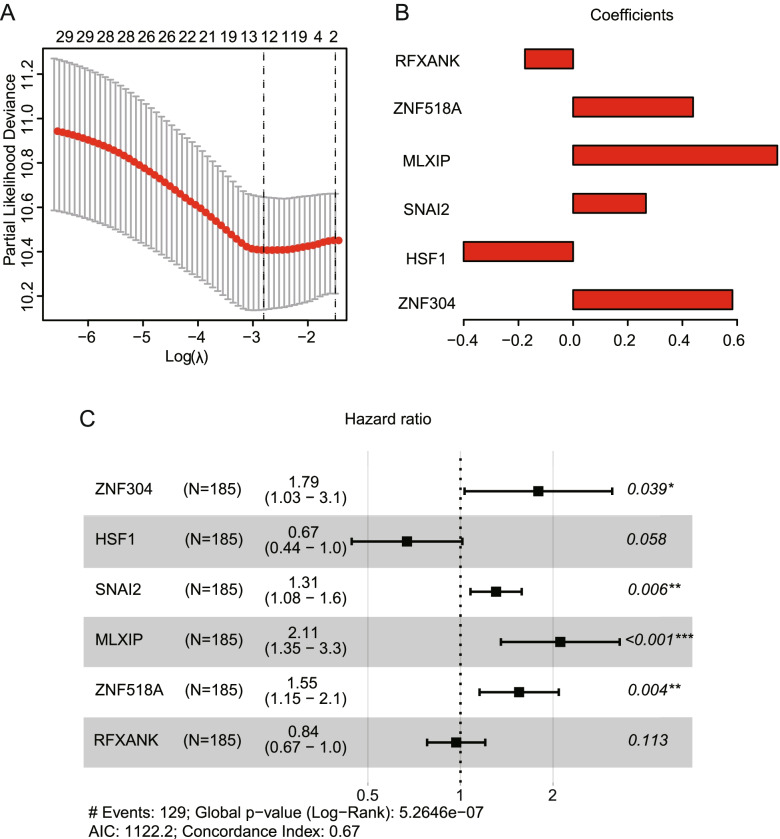
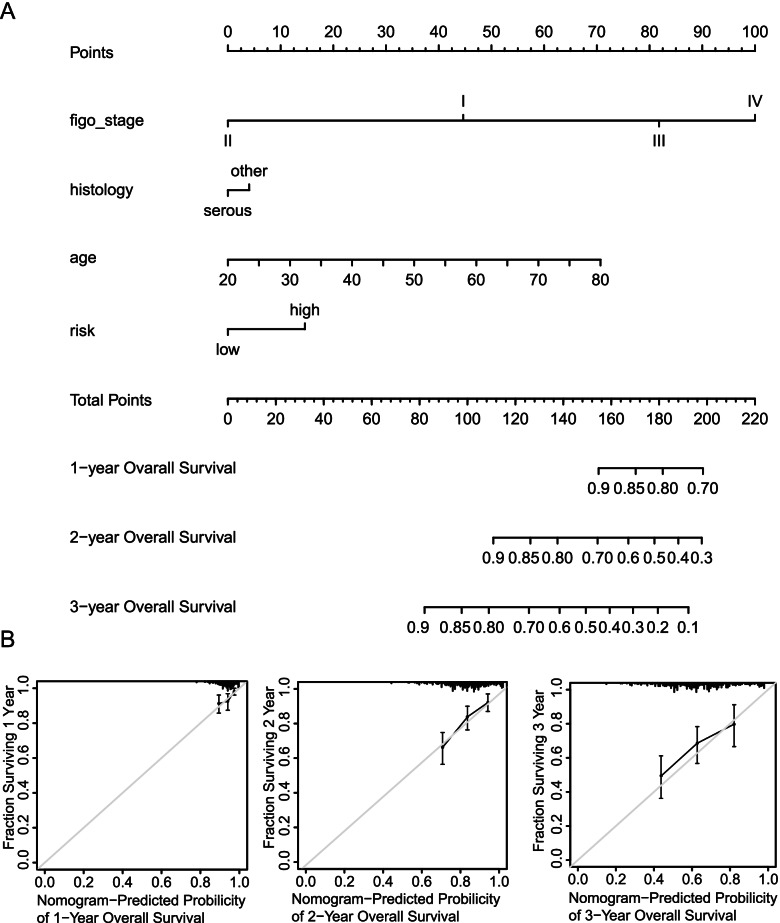
TFs from GEO datasets were collected and analyzed. Differential expression analysis, WGCNA and Cox-LASSO regression model were used to identify the hub-TFs and a prognostic signature based on these TFs was constructed and validated. Moreover, tumor-infiltrating immune cells were analyzed, and a nomogram containing age, histology, FIGO_stage and TFs-based signature were established. Potential biological functions, pathways and the gene regulatory network of TFs in signature was also explored.
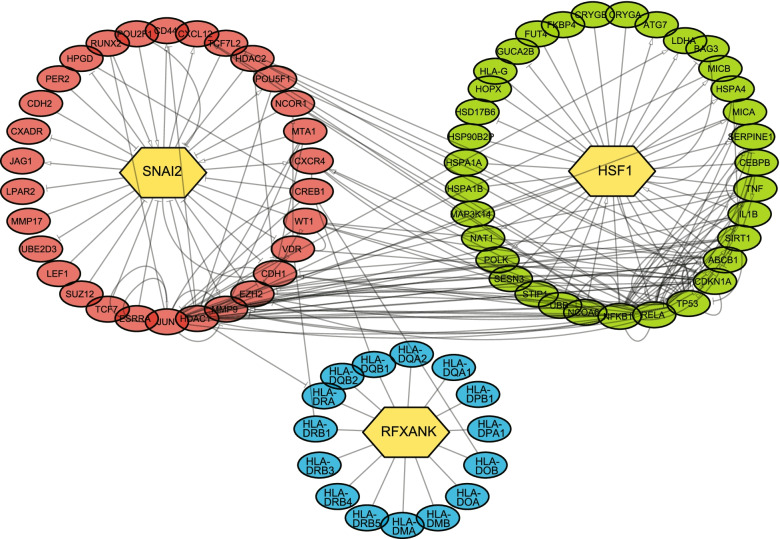
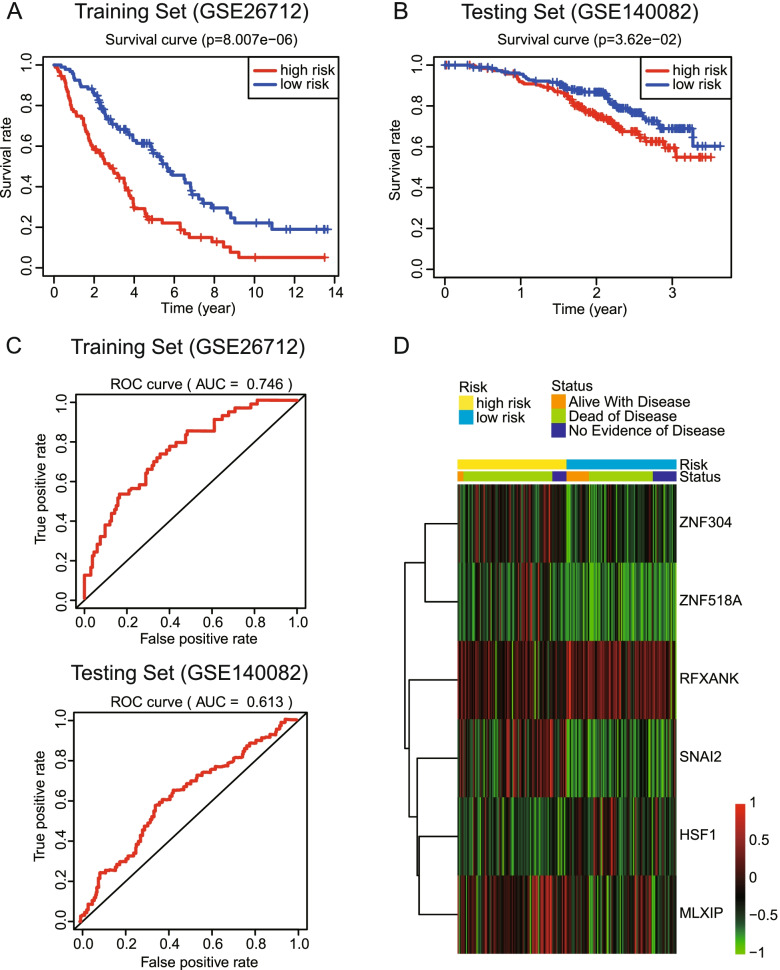
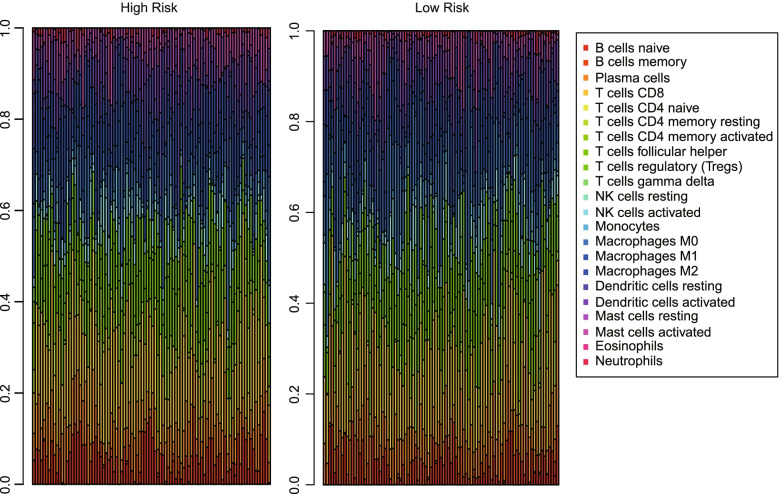
In this study, 6 TFs significantly associated with the prognosis of OC were identified. These TFs were used to build up a TFs-based signature for predicting the survival of patients with OC. Patients with OC in training and testing datasets were divided into high-risk and low-risk groups, according to the median value of risk scores determined by the signature. The two groups were further used to validate the performance of the signature, and the results showed the TFs-based signature had effective prediction ability. Immune infiltrating analysis was conducted and abundance of B cells naïve, T cells CD4 memory resting, Macrophages M2 and Mast cells activated were significantly higher in high-risk group. A nomogram based on the signature was established and illustrated good predictive efficiencies for 1, 2, and 3-year overall survival. Furthermore, the construction of the TFs-target gene regulatory network revealed the potential mechanisms of TFs in OC.
To our best knowledge, it is for the first time to develop a prognostic signature based on TFs in OC. The TFs-based signature is proven to be effective in predicting the survival of patients with OC. Our study may facilitate the clinical decision-making for patients with OC and help to elucidate the underlying mechanism of TFs in OC.
卵巢癌(OC)是全球最常见和最致命的恶性肿瘤之一,OC 的预后仍然不尽人意。转录因子(TFs)已被证明与许多类型癌症的临床结局相关,但它们在 OC 患者的预后预测和基因调控网络中的作用仍需进一步研究。
从 GEO 数据集收集和分析 TFs。使用差异表达分析、WGCNA 和 Cox-LASSO 回归模型来识别关键 TFs,并基于这些 TFs 构建和验证预后签名。此外,分析肿瘤浸润免疫细胞,并建立包含年龄、组织学、FIGO 分期和基于 TFs 的签名的列线图。还探索了签名中 TFs 的潜在生物学功能、途径和基因调控网络。
在这项研究中,确定了 6 个与 OC 预后显著相关的 TFs。这些 TFs 被用于构建用于预测 OC 患者生存的 TFs 签名。根据签名确定的风险评分中位数,将训练和测试数据集中的 OC 患者分为高危和低危组。进一步使用这两组来验证签名的性能,结果表明 TFs 签名具有有效的预测能力。进行免疫浸润分析,结果显示高危组中幼稚 B 细胞、CD4 记忆静止 T 细胞、M2 巨噬细胞和激活的肥大细胞的丰度明显更高。建立了基于签名的列线图,并说明了其对 1、2 和 3 年总生存率的良好预测效率。此外,TFs-靶基因调控网络的构建揭示了 TFs 在 OC 中的潜在机制。
据我们所知,这是首次在 OC 中基于 TFs 开发预后签名。TFs 签名被证明可有效预测 OC 患者的生存。我们的研究可能有助于为 OC 患者做出临床决策,并有助于阐明 TFs 在 OC 中的潜在机制。