Department of Oncology, Army Medical University, Chongqing, China.
Department of Ultrasound, Army Medical University, Chongqing, China.
J Immunother Cancer. 2022 Mar;10(3). doi: 10.1136/jitc-2021-003408.
The poor immunogenicity of solid tumors limits the efficacy ofanti-programmed cell death protein 1 (anti-PD1)-based immune checkpoint blockade (ICB); thus, less than 30% of patients with cancer exhibit a response. Currently, there is still a lack of effective strategies for improving tumor immunogenicity.
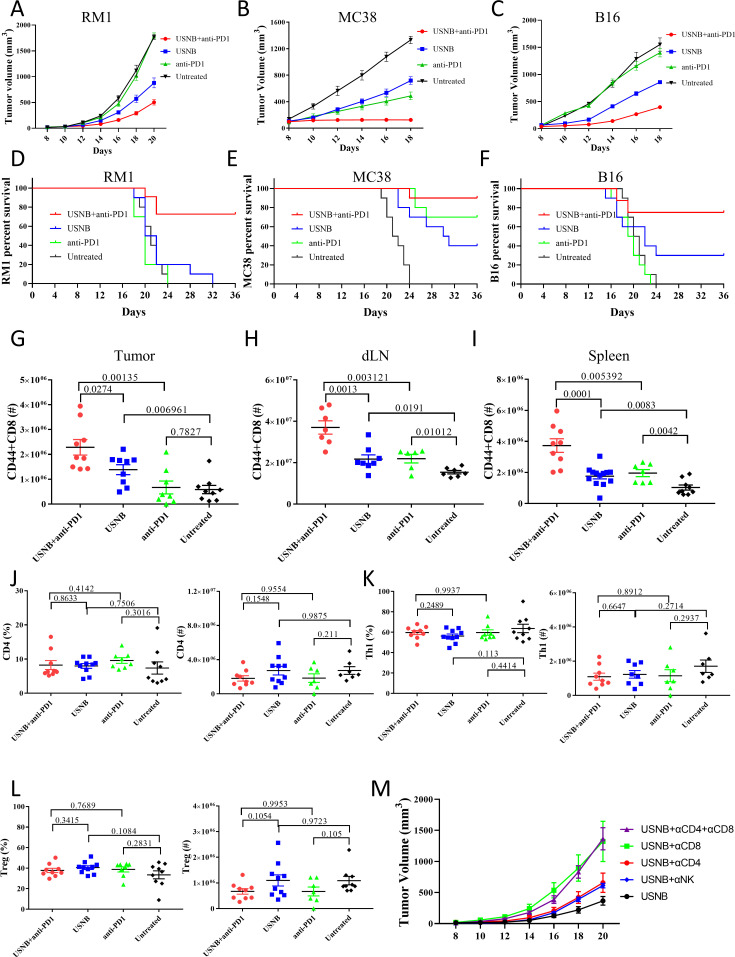
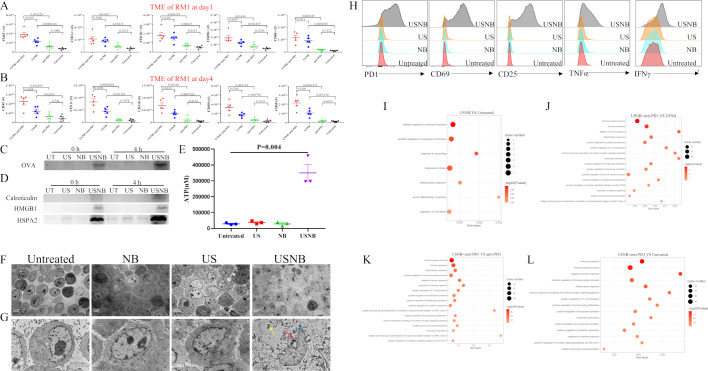
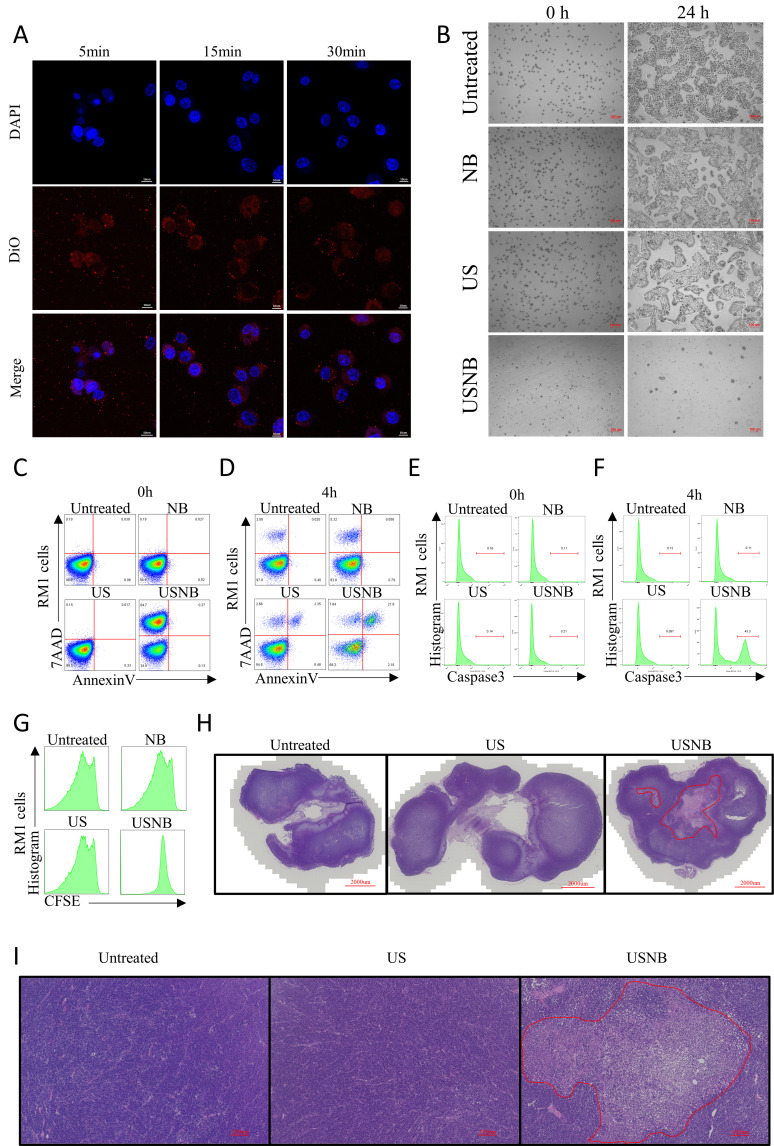
The antitumor effect of ultrasound-stimulated nanobubbles (USNBs) alone and in combination with an anti-PD1 antibody was evaluated in RM1 (prostate cancer), MC38 (colon cancer) and B16 (melanoma) xenograft mouse models. The phenotypes of antigen-presenting cells and CD8+ T cells were evaluated by flow cytometry. Damage-associated molecular pattern (DAMP) release, antigen release and tumor cell necrosis were assessed via western blot, flow cytometry, transmission electron microscopy and confocal microscopy.
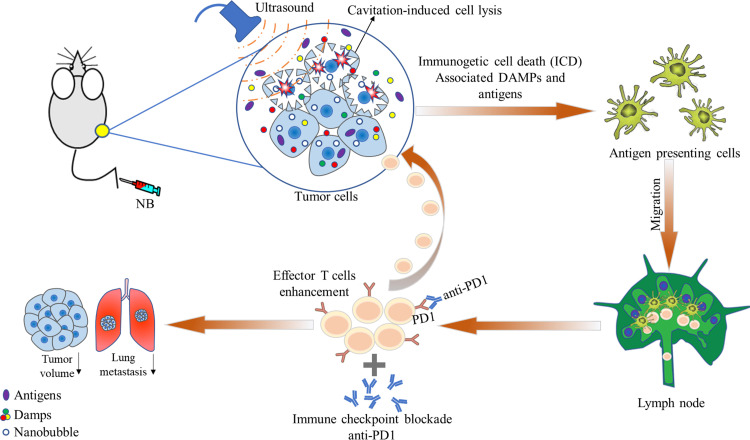
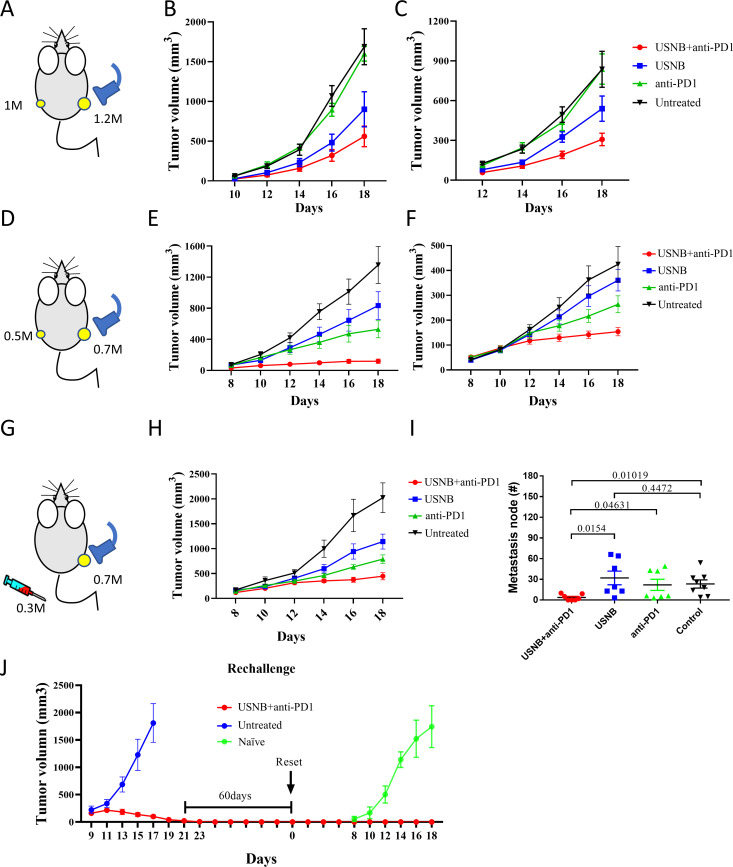
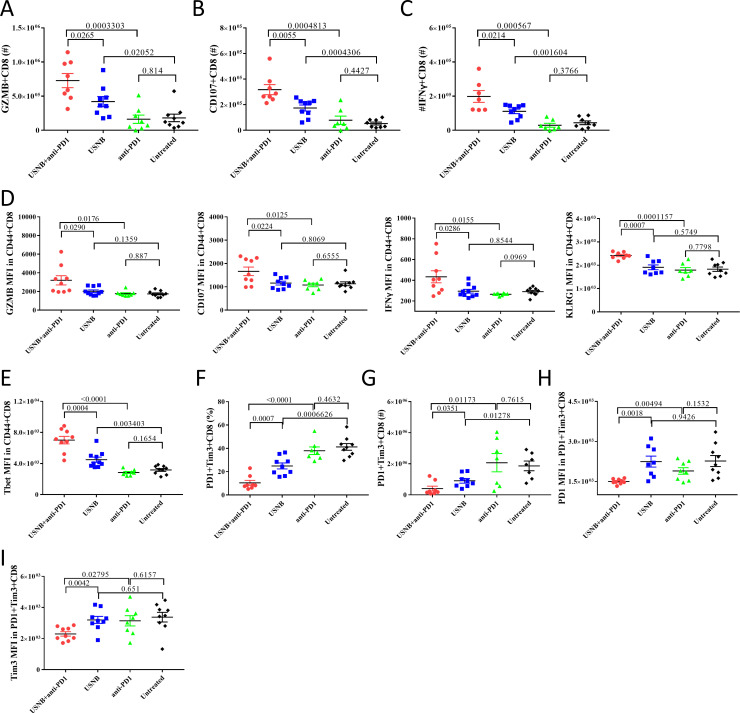
USNB promoted the infiltration and antitumor activity of CD8+ T cells. The combination of USNB and anti-PD1 blockade improved systemic antitumor immunity and resulted in an abscopal effect and long-term immune memory protection after complete tumor remission. Mechanistically, tumor-targeting USNB induced tumor cell necrosis through an ultrasound-mediated cavitation effect, which significantly increased DAMP release and tumor antigen presentation, consequently sensitizing tumors to ICB treatment.
The administration of USNB increased tumor immunogenicity by remodeling the tumor-immune microenvironment, providing a promising strategy for sensitizing poorly immunogenic solid tumors to immunotherapy in the clinic.
实体瘤的免疫原性较差限制了抗程序性细胞死亡蛋白 1(抗 PD-1)免疫检查点阻断(ICB)的疗效;因此,不到 30%的癌症患者有反应。目前,仍然缺乏提高肿瘤免疫原性的有效策略。
在 RM1(前列腺癌)、MC38(结肠癌)和 B16(黑色素瘤)异种移植小鼠模型中评估超声刺激纳米泡(USNB)单独使用和与抗 PD-1 抗体联合使用的抗肿瘤作用。通过流式细胞术评估抗原呈递细胞和 CD8+T 细胞的表型。通过 Western blot、流式细胞术、透射电子显微镜和共聚焦显微镜评估损伤相关分子模式(DAMP)释放、抗原释放和肿瘤细胞坏死。
USNB 促进了 CD8+T 细胞的浸润和抗肿瘤活性。USNB 与抗 PD-1 阻断联合使用可改善全身抗肿瘤免疫,并在完全肿瘤消退后产生远隔效应和长期免疫记忆保护。机制上,肿瘤靶向 USNB 通过超声介导的空化作用诱导肿瘤细胞坏死,显著增加 DAMP 释放和肿瘤抗原呈递,从而使肿瘤对 ICB 治疗敏感。
USNB 通过重塑肿瘤免疫微环境增加了肿瘤的免疫原性,为临床中使免疫原性差的实体瘤对免疫治疗敏感提供了一种有前途的策略。