Department of Surgery, Division of Transplantation, University of Minnesota, Minneapolis, USA.
Department of Surgery, Division of Abdominal Transplantation, Stanford University, Stanford, USA.
Clin Transplant. 2022 Oct;36(10):e14629. doi: 10.1111/ctr.14629.
A key tenet of clinical management of patients post liver transplantation (LT) is the prevention of thrombotic and bleeding complications. This systematic review investigated the optimal management of thromboprophylaxis after LT regarding portal vein thrombosis (PVT) or hepatic artery thrombosis (HAT) and prevention of bleeding.
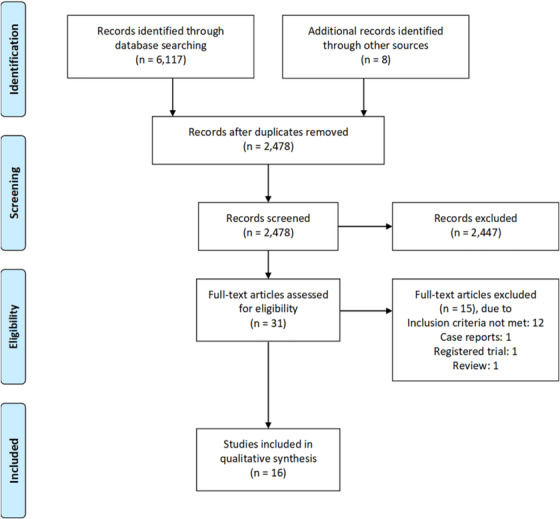
Systematic review following PRISMA guidelines and recommendations using the GRADE approach derived from an international expert panel. Seven databases were used to conduct extensive literature searches focusing on the use of anticoagulation in LT and its impact on the following outcomes: PVT, HAT, and bleeding (CRD42021244288).
Of the 2478 articles/abstracts screened, 16 studies were included in the final review. All articles were critically appraised by a panel of independent reviewers. There was wide variation regarding the anticoagulation protocols used. Thromboprophylaxis with therapeutic doses of heparin/Vitamin K antagonist combination did not decrease the risk of de novo or the recurrence of PVT but was associated with an increased risk of bleeding in some studies. Only the use of aspirin resulted in a small but significant decrease in the incidence of HAT post-LT, yet it did not increase the risk of bleeding.
Based on existing data and expert opinion, thromboprophylaxis at therapeutic or prophylactic dose is not recommended for prevention of de novo PVT following LT in patients not at high risk. Aspirin should be considered as the standard of care following LT to prevent HAT. Thromboprophylaxis should be strongly considered in recipients at risk of HAT and PVT following LT.
肝移植(LT)后患者临床管理的一个关键原则是预防血栓形成和出血并发症。本系统评价调查了 LT 后预防门静脉血栓形成(PVT)或肝动脉血栓形成(HAT)和出血的最佳血栓预防管理。
遵循 PRISMA 指南和建议,使用源自国际专家小组的 GRADE 方法进行系统评价。使用七个数据库进行广泛的文献搜索,重点关注抗凝在 LT 中的应用及其对以下结果的影响:PVT、HAT 和出血(CRD42021244288)。
在筛选出的 2478 篇文章/摘要中,有 16 篇研究被纳入最终评价。所有文章均由独立评审小组进行严格评估。所使用的抗凝方案存在很大差异。使用治疗剂量的肝素/维生素 K 拮抗剂联合进行血栓预防并不能降低新发或复发性 PVT 的风险,但在一些研究中与出血风险增加相关。只有阿司匹林的使用导致 LT 后 HAT 的发生率略有但显著降低,但不会增加出血风险。
基于现有数据和专家意见,对于无高风险的 LT 后新发 PVT 预防,不推荐使用治疗剂量或预防剂量的血栓预防。阿司匹林应被视为 LT 后预防 HAT 的标准治疗方法。对于 LT 后有发生 HAT 和 PVT 风险的患者,应强烈考虑进行血栓预防。