National Center for Toxicological Research, U.S. Food and Drug Administration, Jefferson, AR, 72079, USA.
ApconiX, BioHub at Alderley Park, Alderley Edge, SK10 4TG, UK.
Genome Biol. 2022 Mar 3;23(1):68. doi: 10.1186/s13059-022-02636-8.
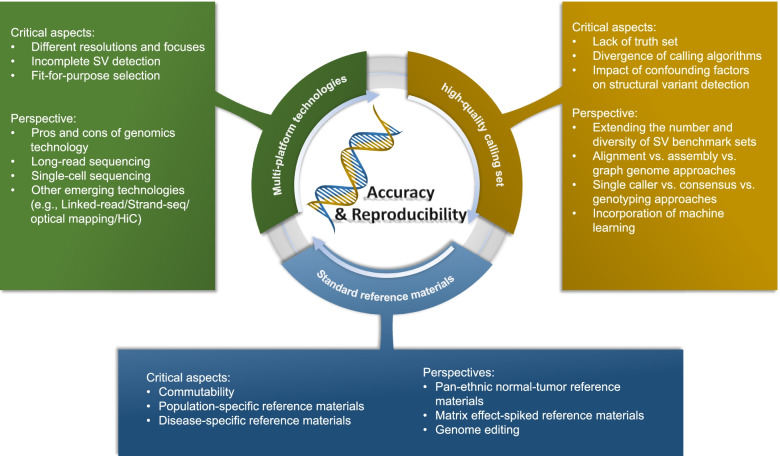
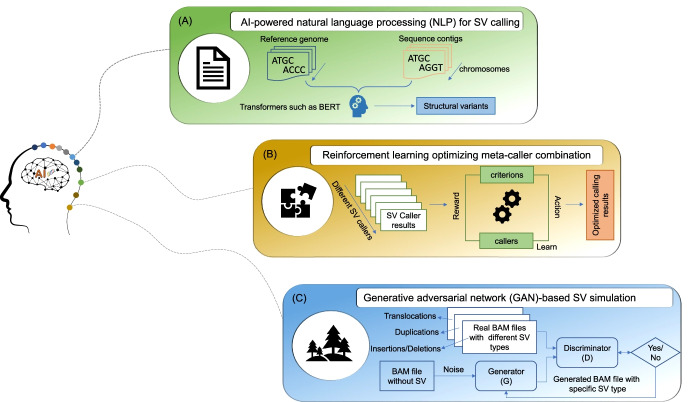
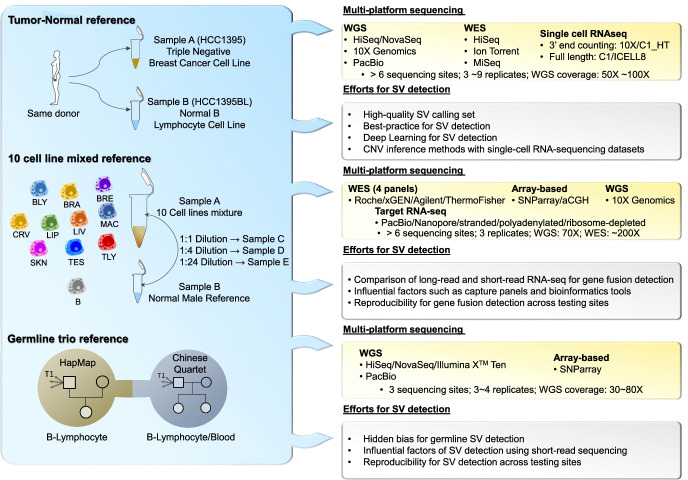
Structural variants (SVs) are a major source of human genetic diversity and have been associated with different diseases and phenotypes. The detection of SVs is difficult, and a diverse range of detection methods and data analysis protocols has been developed. This difficulty and diversity make the detection of SVs for clinical applications challenging and requires a framework to ensure accuracy and reproducibility. Here, we discuss current developments in the diagnosis of SVs and propose a roadmap for the accurate and reproducible detection of SVs that includes case studies provided from the FDA-led SEquencing Quality Control Phase II (SEQC-II) and other consortium efforts.
结构变异 (SVs) 是人类遗传多样性的主要来源,与许多疾病和表型有关。SVs 的检测较为困难,因此开发了多种检测方法和数据分析协议。这种困难和多样性使得 SVs 的临床应用检测具有挑战性,需要一个框架来确保准确性和可重复性。在这里,我们讨论了 SVs 诊断的最新进展,并提出了一个用于准确、可重复地检测 SVs 的路线图,其中包括了 FDA 主导的测序质量控制第二阶段 (SEQC-II) 和其他联盟工作提供的案例研究。