Department of Clinical Sciences, School of Veterinary Medicine, Shiraz University, P.O.BOX: 7144169155, Fars, Shiraz, Iran.
DVM Candidate, School of Veterinary Medicine, Shiraz University, Shiraz, Fars, Iran.
BMC Vet Res. 2022 Mar 5;18(1):86. doi: 10.1186/s12917-022-03186-8.
Sperm freezing and cold storage are the two most common assisted reproductive technologies in the canine breeding industry. The freeze-thawing process causes significant detrimental changes in both sperm cell structure and function. Previous research has confirmed that excessive accumulation of un-scavenged free radicals (oxidative stress) plays an important role in the cryopreservation-induced damage to sperm cells. Also, the gradual accumulation of the free radicals during cold storage leads to a decline in the sperm quality markers. Melatonin is an endogenous neurohormone synthesized from tryptophan amino acid by pineal glands. Besides its several well-known physiologic roles, melatonin has a significant antioxidant potential through direct free radical scavenging properties. Therefore, the current study was designed to evaluate the potential in vitro protective properties of melatonin (0.5, 1, and 2 mM) on canine sperm cells after freezing or during long-term cold storage (9 days, 5 °C) on most important sperm in vitro fertility markers.
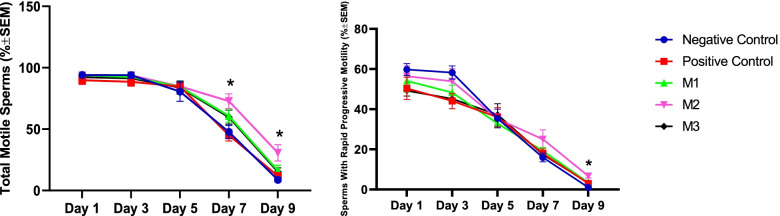
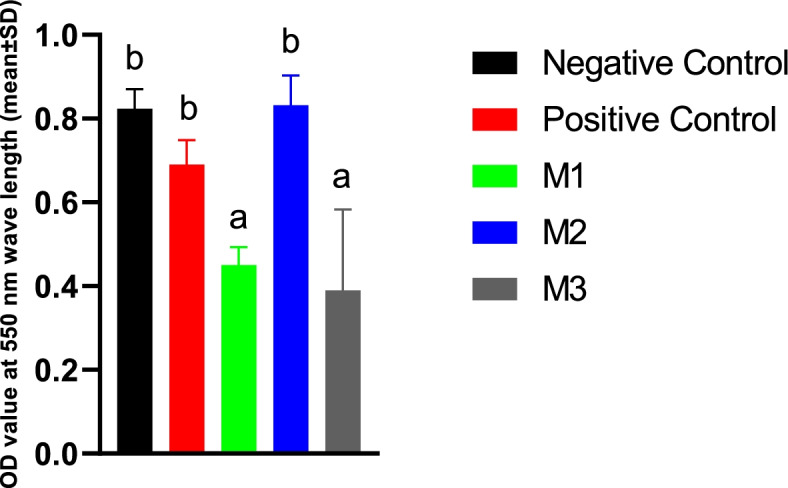
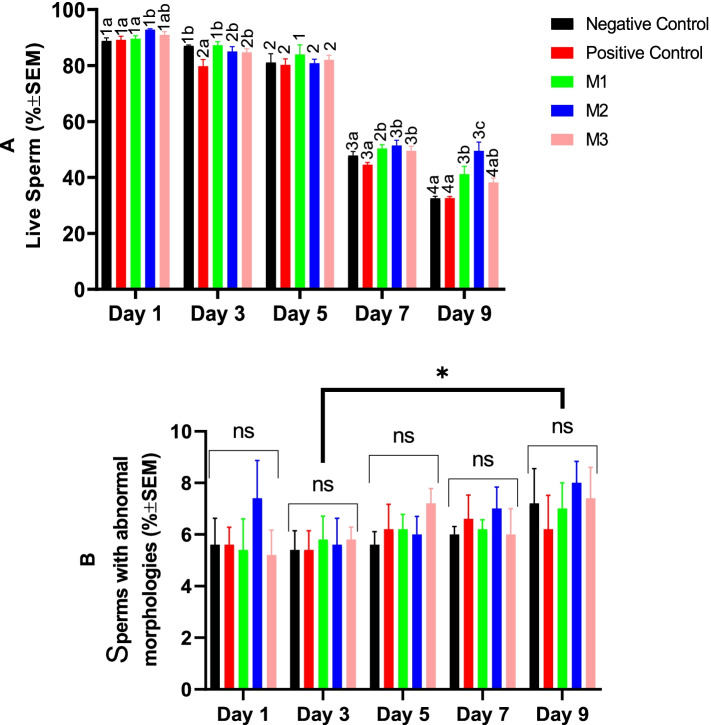
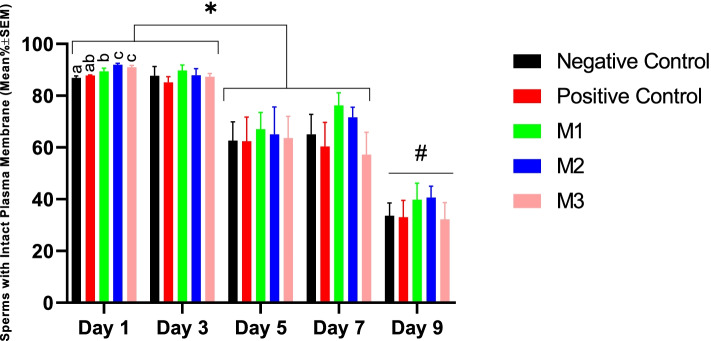
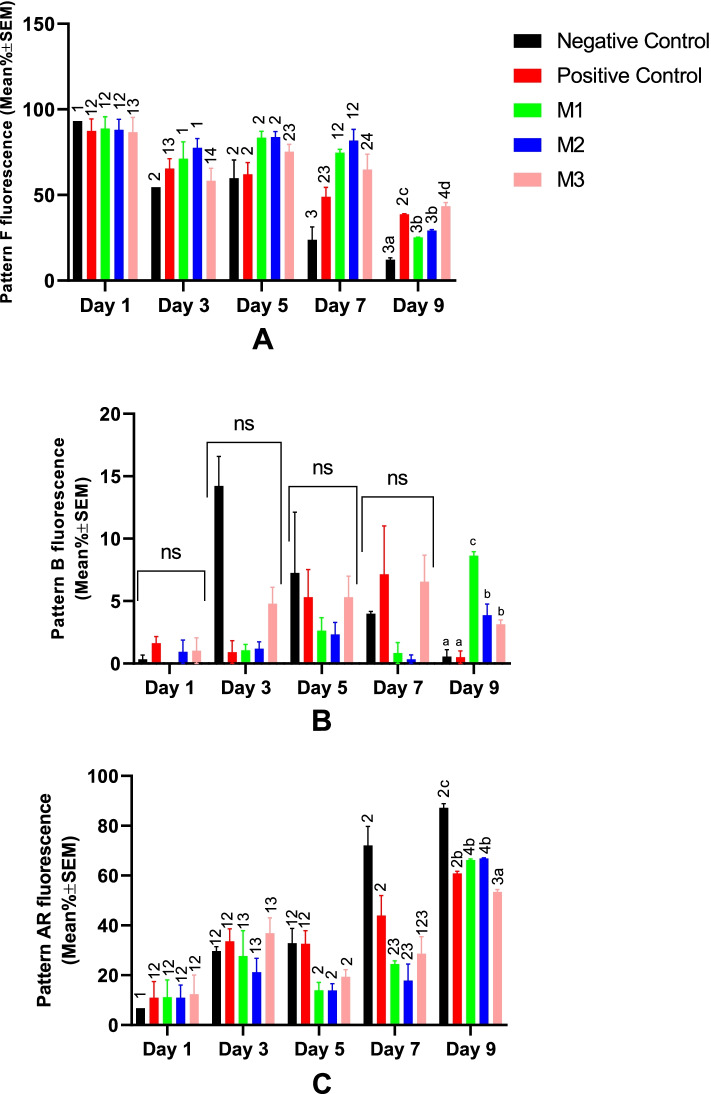
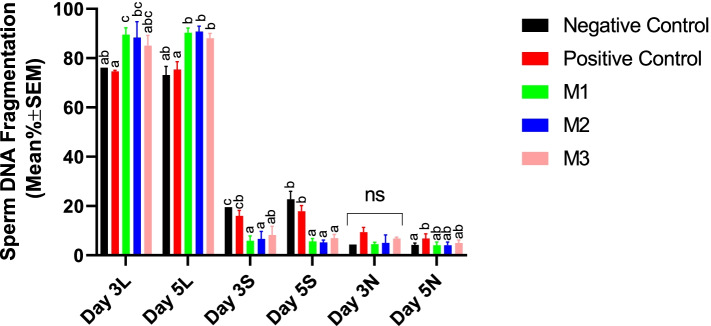
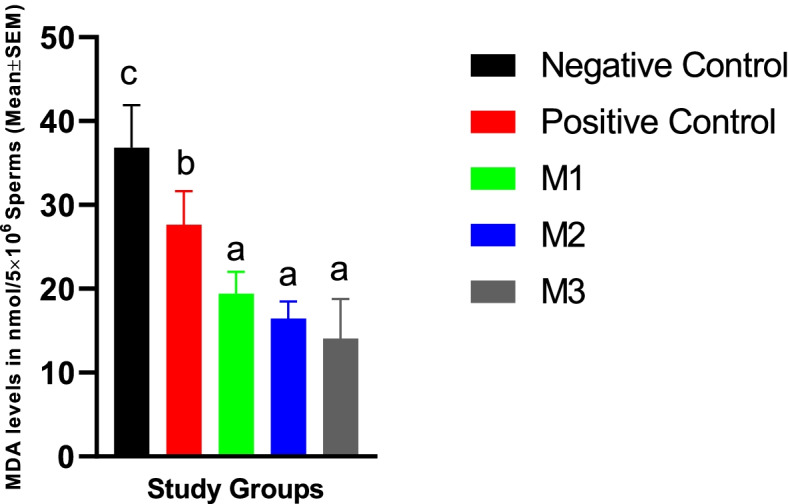
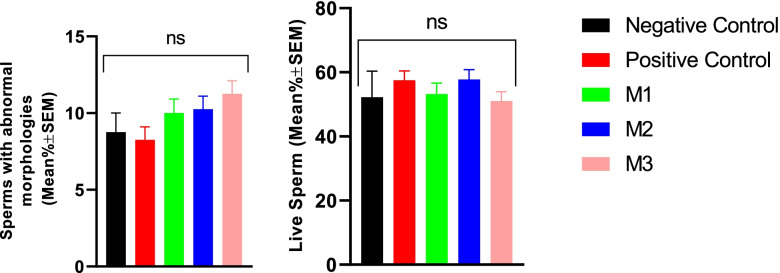
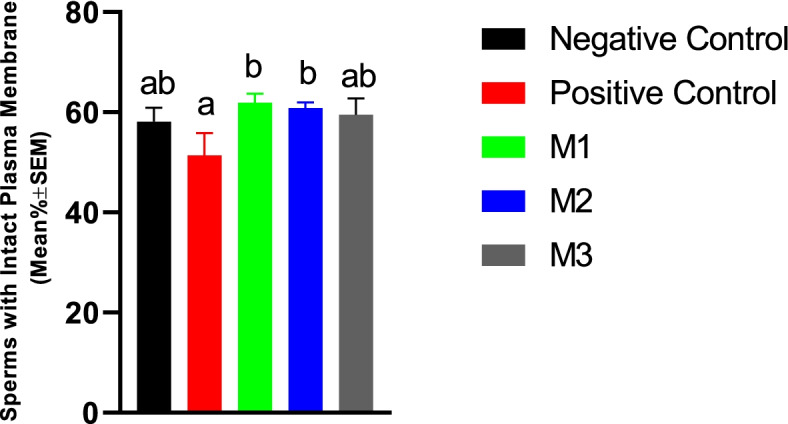
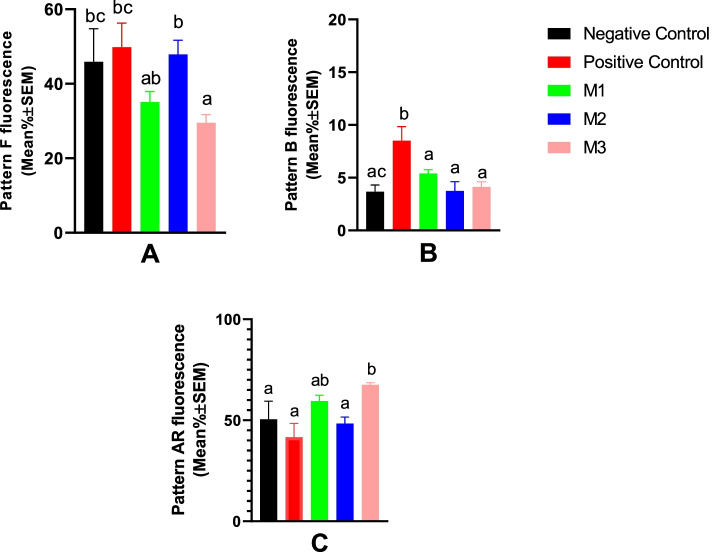
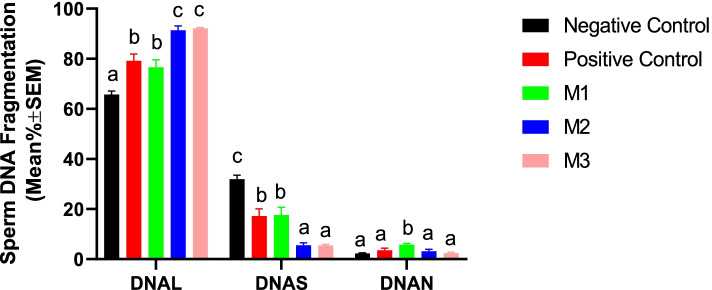
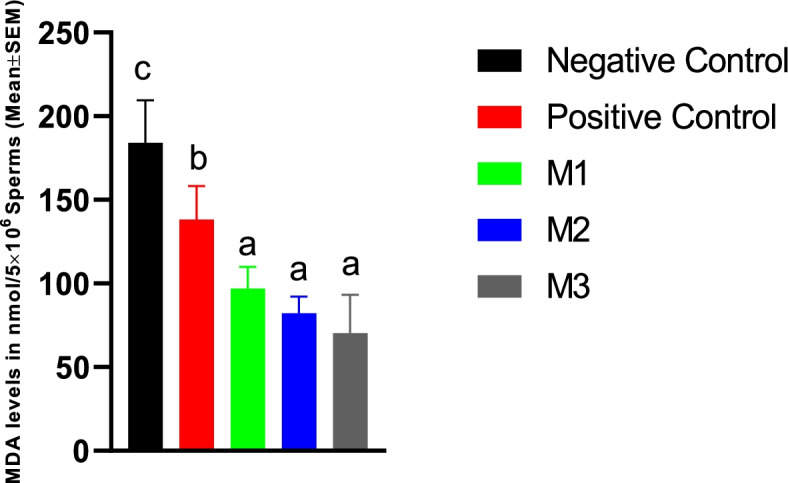
Melatonin at 0.5, 1- or 2-mM concentrations could preserve significantly higher sperm total motility after 4 days of cold storage. However, only the 1- and 2 mM melatonin concentrations could result in better TM and PM values after 7 days of cold storage. Furthermore, melatonin supplementation could preserve higher sperm viability and acrosome integrity after 7 days of storage. Also, it could have significant protective effects on the cooled sperm DNA integrity. In the freezing section of the current research, melatonin at either 1- or 2-mM concentrations could not improve the sperm post-thaw TM and PM, whereas they improved sperm DNA integrity. Also, the post-thaw plasma membrane functional integrity and sperm velocity parameters were not affected by the treatment. Although DMSO (Dimethyl Sulfoxide) as the melatonin solvent could reduce the level of sperm lipid peroxidation and even improve the post-thaw sperm DNA integrity compared to the negative control, it reduced the post-thaw sperm progressive motility. However, the negative effects were reversed by concurrent melatonin supplementation at 1- and 2-mM concentrations.
The addition of 1- or 2-mM melatonin to the canine sperm freezing and cooling media could improve sperm motility, viability, acrosome, and DNA integrity.
精子冷冻和冷藏是犬繁殖行业中最常见的两种辅助生殖技术。冻融过程会导致精子细胞结构和功能发生显著的有害变化。先前的研究已经证实,过量积累未清除的自由基(氧化应激)在冷冻保存对精子细胞的损伤中起着重要作用。此外,在冷藏过程中自由基的逐渐积累导致精子质量标志物下降。褪黑素是由松果腺从色氨酸氨基酸合成的内源性神经激素。除了其几种众所周知的生理作用外,褪黑素还通过直接清除自由基具有显著的抗氧化潜力。因此,本研究旨在评估褪黑素(0.5、1 和 2mM)在犬精子冷冻或长期冷藏(9 天,5°C)期间对最重要的精子体外生育标志物的潜在体外保护特性。
在 4 天的冷藏后,0.5、1-或 2-mM 浓度的褪黑素可以显著保持更高的精子总活力。然而,只有 1-和 2-mM 浓度的褪黑素可以在 7 天的冷藏后产生更好的 TM 和 PM 值。此外,褪黑素补充可以在 7 天的储存后保持更高的精子活力和顶体完整性。此外,它对冷却精子 DNA 完整性具有显著的保护作用。在本研究的冷冻部分,1-或 2-mM 浓度的褪黑素不能改善精子解冻后的 TM 和 PM,但它们改善了精子 DNA 完整性。此外,处理对解冻后的质膜功能完整性和精子速度参数没有影响。虽然 DMSO(二甲基亚砜)作为褪黑素溶剂可以降低精子脂质过氧化水平,甚至可以提高解冻后的精子 DNA 完整性,与阴性对照相比,但它降低了解冻后的精子渐进性运动。然而,通过同时添加 1-和 2-mM 浓度的褪黑素,负面效应得到了逆转。
在犬精子冷冻和冷却介质中添加 1-或 2-mM 褪黑素可以提高精子活力、活力、顶体和 DNA 完整性。