Jiang Li, Cheng Mengdi
Department of Infectious Diseases, The First People's Hospital of Wenling, Wenling, 317500, Zhejiang, China.
Department of Emergency Medicine, The First People's Hospital of Wenling, Wenling, 317500, Zhejiang, China.
Diabetol Metab Syndr. 2022 Mar 5;14(1):39. doi: 10.1186/s13098-022-00803-2.
The effect of concurrent diabetes on the outcome of sepsis is not conclusively known. A meta-analysis published in 2017 indicated that diabetes did not influence the mortality of patients with sepsis but increased the risk of acute renal injury. In view of publication of several new studies in recent years, there is a need for updated evidence.
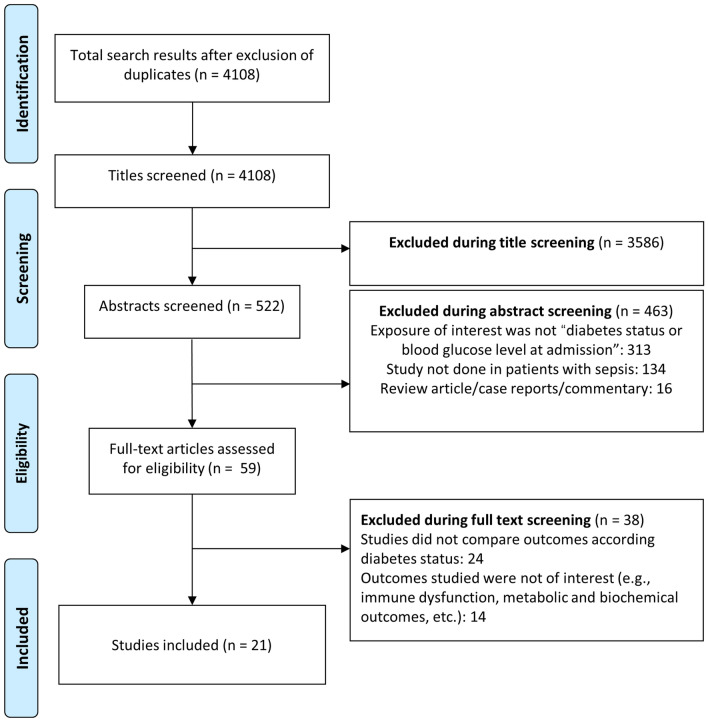
A systematic search was conducted using the PubMed, Scopus, Embase, and Google Scholar databases. Studies that were done in patients with sepsis, were observational in design- either cohort or case-control or analysed retrospective data were considered for inclusion. Statistical analysis was performed using STATA software.
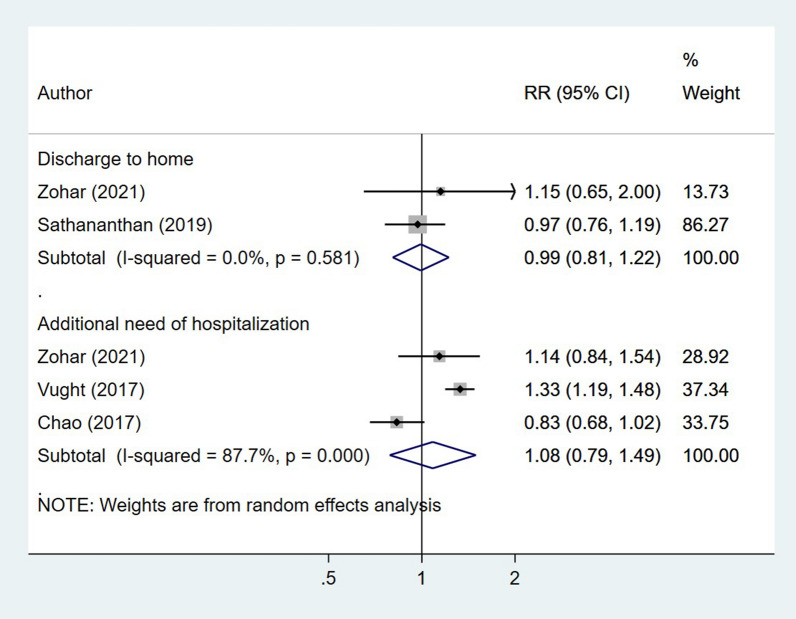
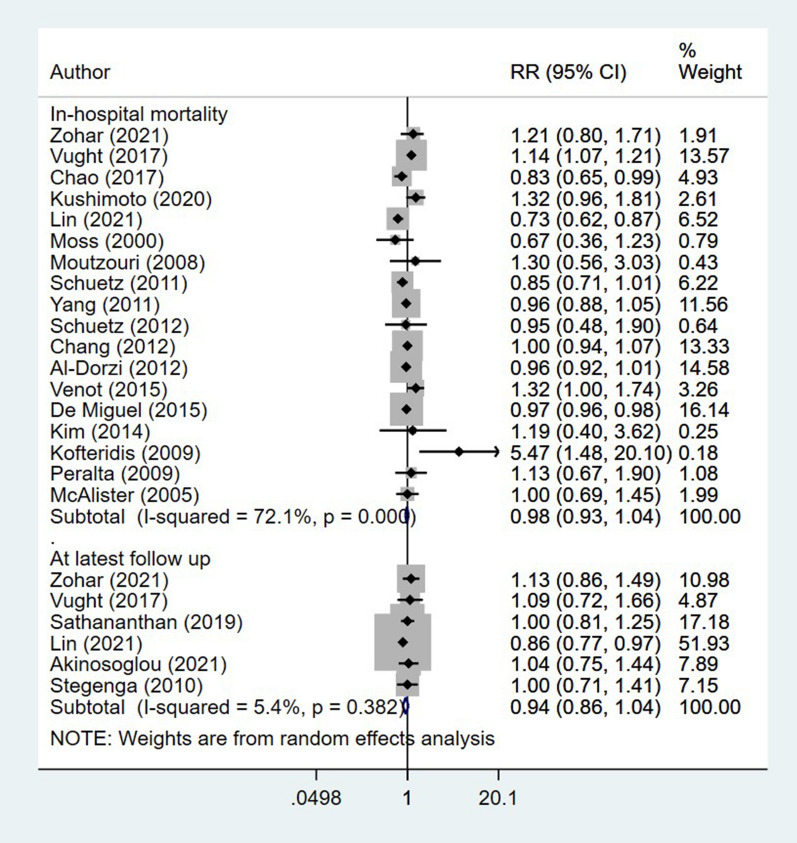
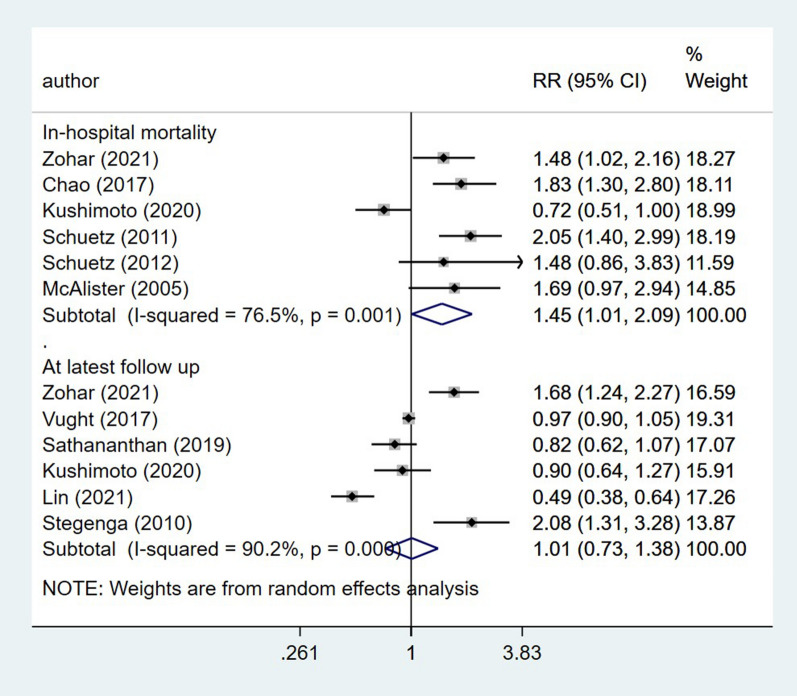
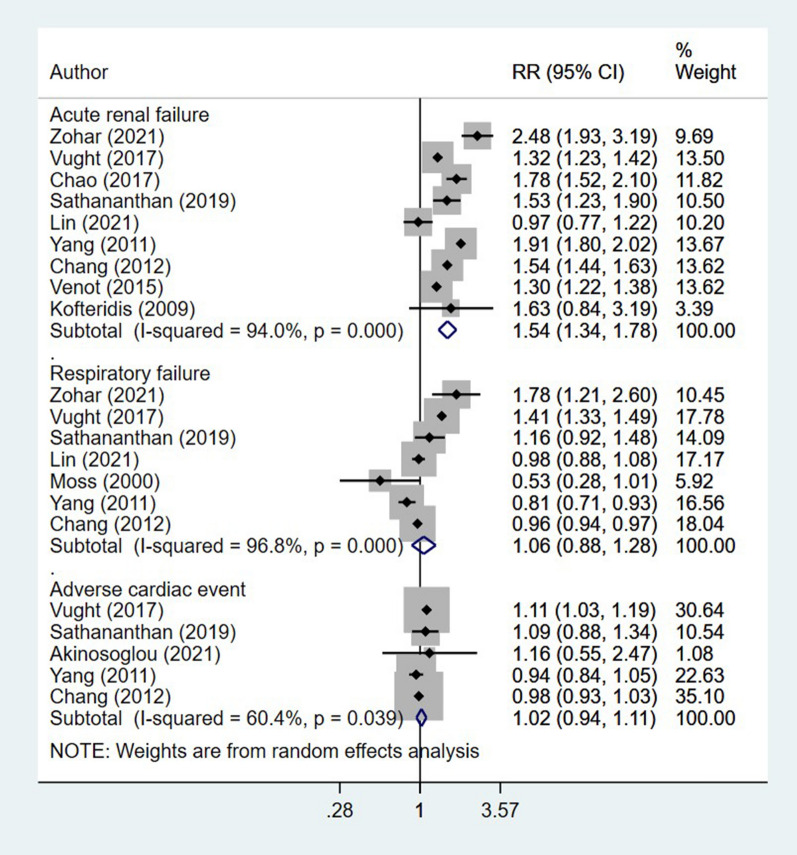
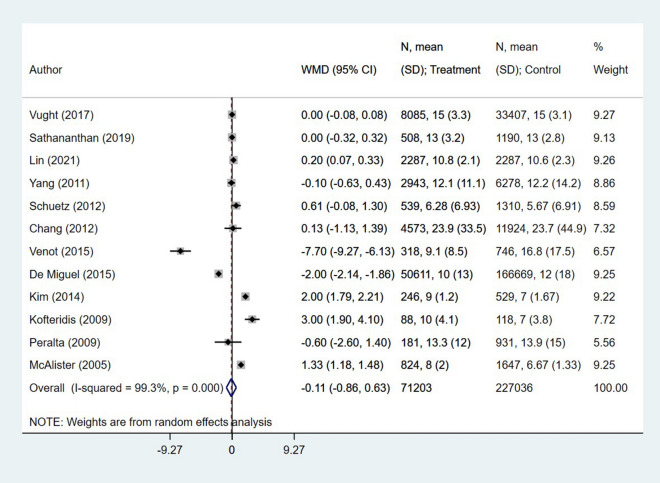
A total of 21 studies were included. The risk of in-hospital mortality (RR 0.98, 95% CI 0.93, 1.04) and mortality at latest follow up i.e., within 90 days of discharge (RR 0.94, 95% CI 0.86, 1.04) among diabetic and non-diabetic subjects was statistically similar. There was an increased risk of in-hospital mortality among those with high blood glucose level at admission (RR 1.45, 95% CI 1.01, 2.09). Among those who were diabetic, the risk of acute renal failure (RR 1.54, 95% CI 1.34, 1.78) was higher than non-diabetics. The risk of respiratory failure, adverse cardiac events, need for additional hospitalization post-discharge and length of hospital stay was similar among diabetics and non-diabetics.
Diabetes is not associated with poor survival outcomes in patients with sepsis but is associated with increased risk of acute renal failure. High blood glucose levels, irrespective of the diabetes status, are associated with increased risk of in-hospital mortality. Findings underscore the need for better evaluation of renal function in diabetic patients with concurrent sepsis.
糖尿病并发对脓毒症预后的影响尚无定论。2017年发表的一项荟萃分析表明,糖尿病并不影响脓毒症患者的死亡率,但会增加急性肾损伤的风险。鉴于近年来发表了几项新研究,需要更新证据。
使用PubMed、Scopus、Embase和谷歌学术数据库进行系统检索。纳入在脓毒症患者中进行的、设计为观察性的研究(队列研究或病例对照研究)或分析回顾性数据的研究。使用STATA软件进行统计分析。
共纳入21项研究。糖尿病患者和非糖尿病患者的院内死亡率(RR 0.98,95%CI 0.93,1.04)以及最新随访时(即出院后90天内)的死亡率(RR 0.94,95%CI 0.86,1.04)在统计学上相似。入院时血糖水平高的患者院内死亡风险增加(RR 1.45,95%CI 1.01,2.09)。在糖尿病患者中,急性肾衰竭的风险(RR 1.54,95%CI 1.34,1.78)高于非糖尿病患者。糖尿病患者和非糖尿病患者在呼吸衰竭、不良心脏事件、出院后再次住院需求和住院时间方面的风险相似。
糖尿病与脓毒症患者的不良生存结局无关,但与急性肾衰竭风险增加有关。无论糖尿病状态如何,高血糖水平都与院内死亡风险增加有关。研究结果强调了对并发脓毒症的糖尿病患者进行更好的肾功能评估的必要性。