Franciosi James P, Mougey Edward B, Dellon Evan S, Gutierrez-Junquera Carolina, Fernandez-Fernandez Sonia, Venkatesh Rajitha D, Gupta Sandeep K
Division of Gastroenterology, Nemours Children's Hospital, Orlando, FL, USA.
College of Medicine, University of Central Florida, Orlando, FL, USA.
J Asthma Allergy. 2022 Feb 26;15:281-302. doi: 10.2147/JAA.S274524. eCollection 2022.
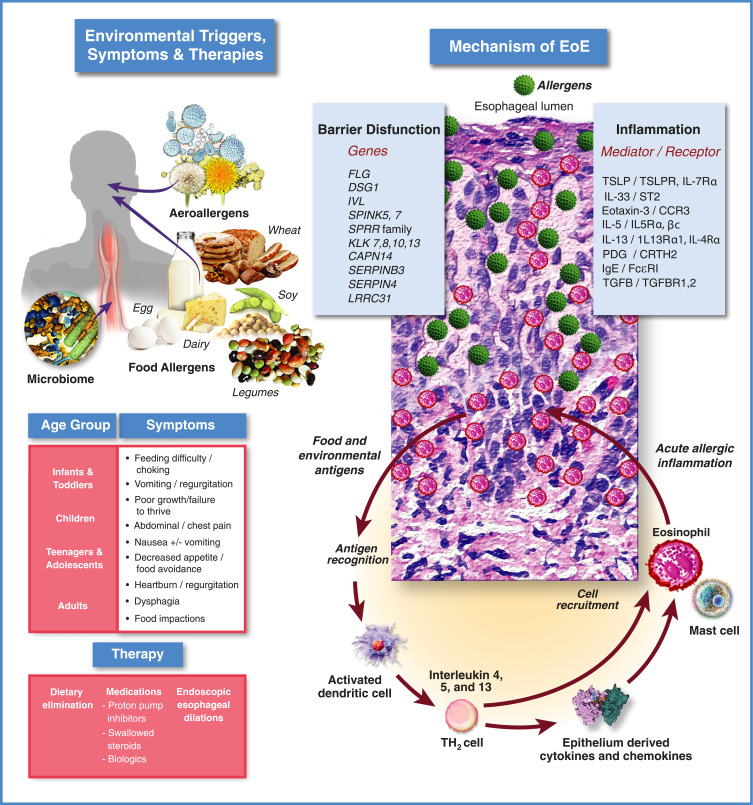
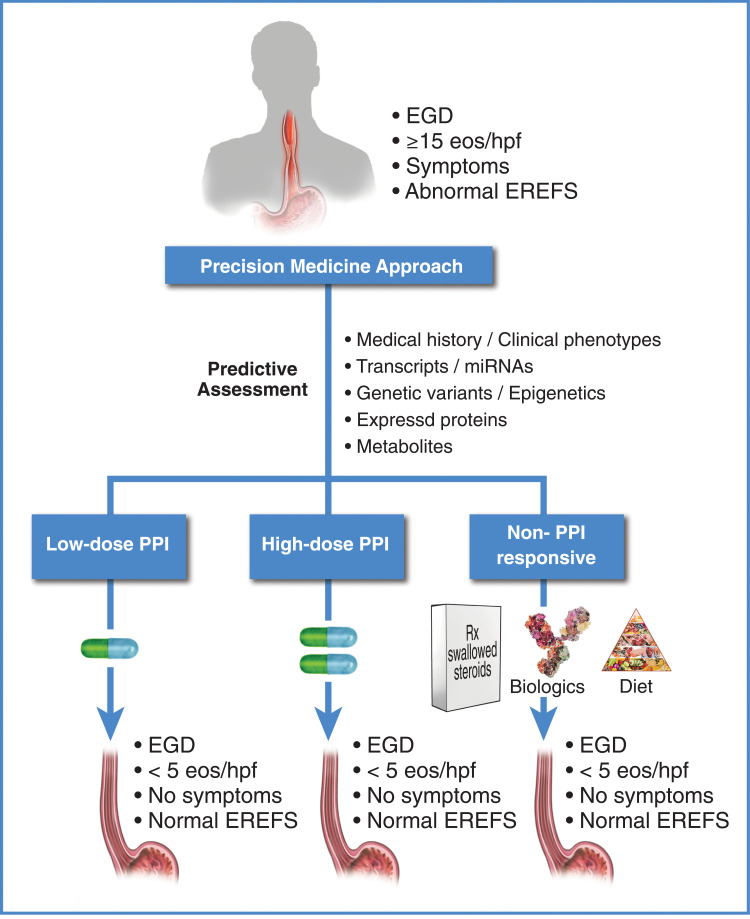
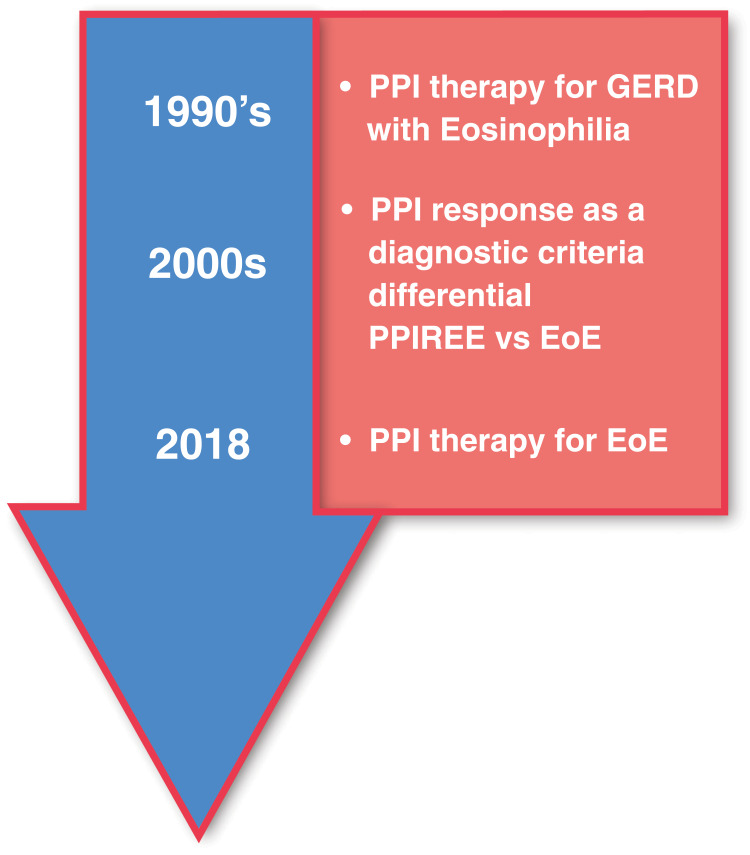
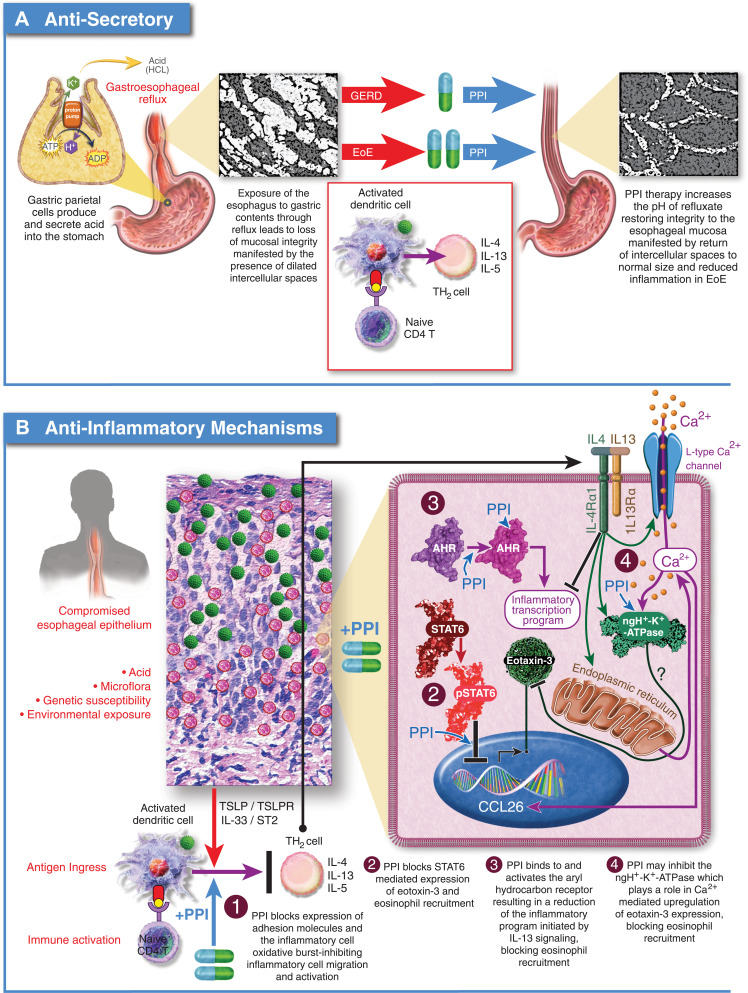
Over the past decade, the role of proton pump inhibitor (PPI) medication has evolved from a diagnostic tool for Eosinophilic Esophagitis (EoE), by excluding patients with PPI responsive esophageal eosinophilia (PPI-REE), to a therapy for EoE. This transition resulted from the Updated International Consensus Diagnostic Criteria for Eosinophilic Esophagitis: Proceedings of the Appraisal of Guidelines for Research and Evaluation II (AGREE) Conference to support PPI therapy for EoE in children and adults. Additional recent advances have suggested a role for genetic variations that might impact response to PPI therapy for EoE. This review article will explore a brief background of EoE, the evolution of PPI therapy for EoE and its proposed mechanisms, efficacy and safety in children and adults, and considerations for future PPI precision medicine in patients with EoE.
在过去十年中,质子泵抑制剂(PPI)药物的作用已从嗜酸性食管炎(EoE)的诊断工具(通过排除对PPI有反应的食管嗜酸性粒细胞增多症患者(PPI-REE))演变为EoE的一种治疗方法。这种转变源于《嗜酸性食管炎更新国际共识诊断标准:研究与评价指南评估II(AGREE)会议纪要》,以支持对儿童和成人EoE进行PPI治疗。最近的其他进展表明,基因变异可能在影响EoE对PPI治疗反应方面发挥作用。这篇综述文章将探讨EoE的简要背景、EoE的PPI治疗的演变及其潜在机制、在儿童和成人中的疗效和安全性,以及EoE患者未来PPI精准医学的考量因素。