Department of Chemical Engineering, Stanford University, Stanford, CA 94305.
Department of Neurology and Neurological Sciences, Stanford University, Stanford, CA 94305.
Proc Natl Acad Sci U S A. 2022 Mar 15;119(11):e2121609119. doi: 10.1073/pnas.2121609119. Epub 2022 Mar 8.
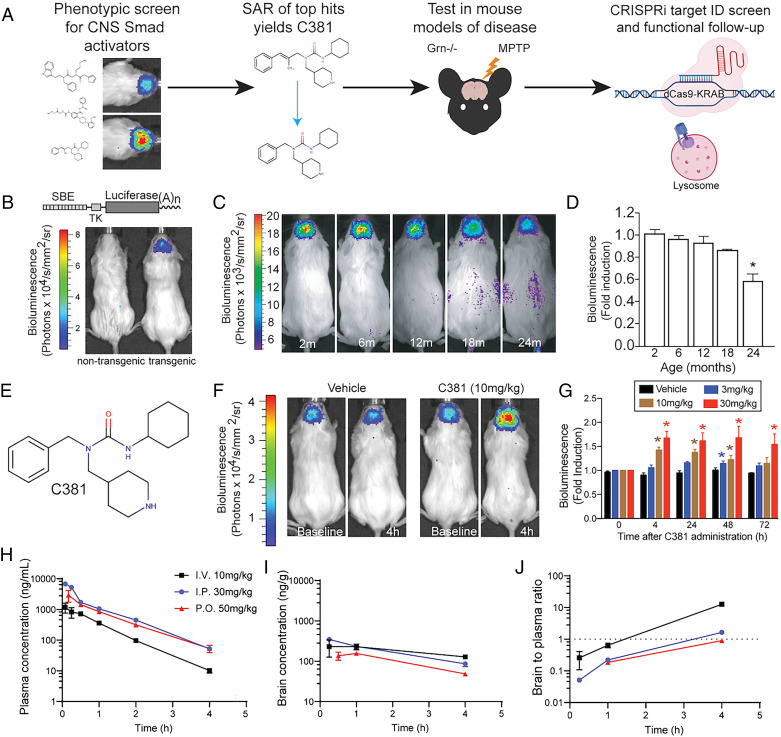
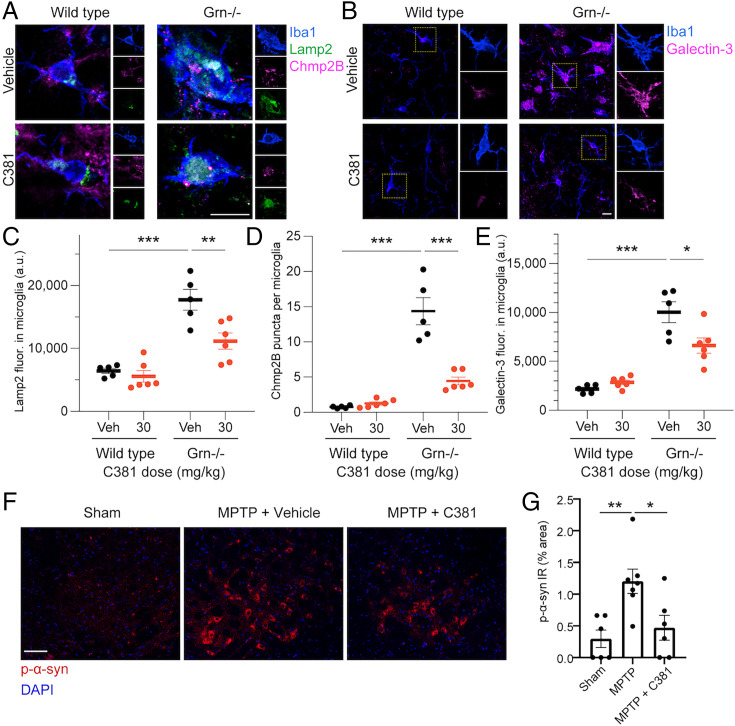
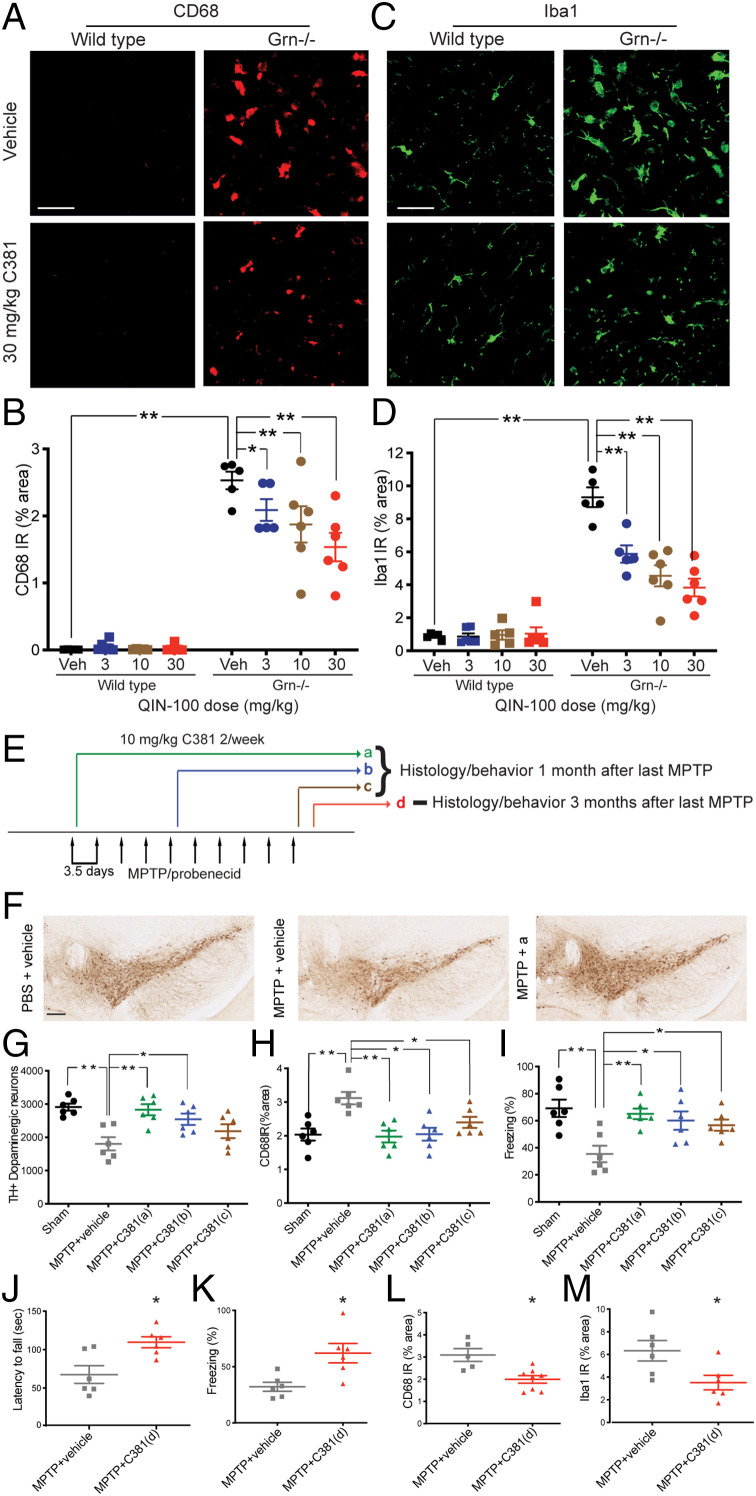
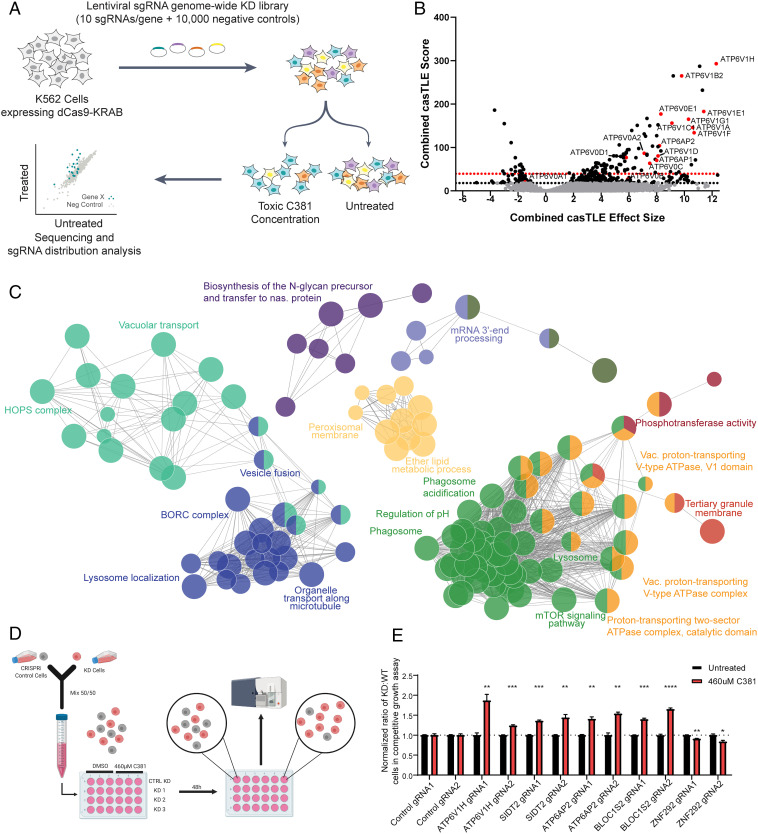
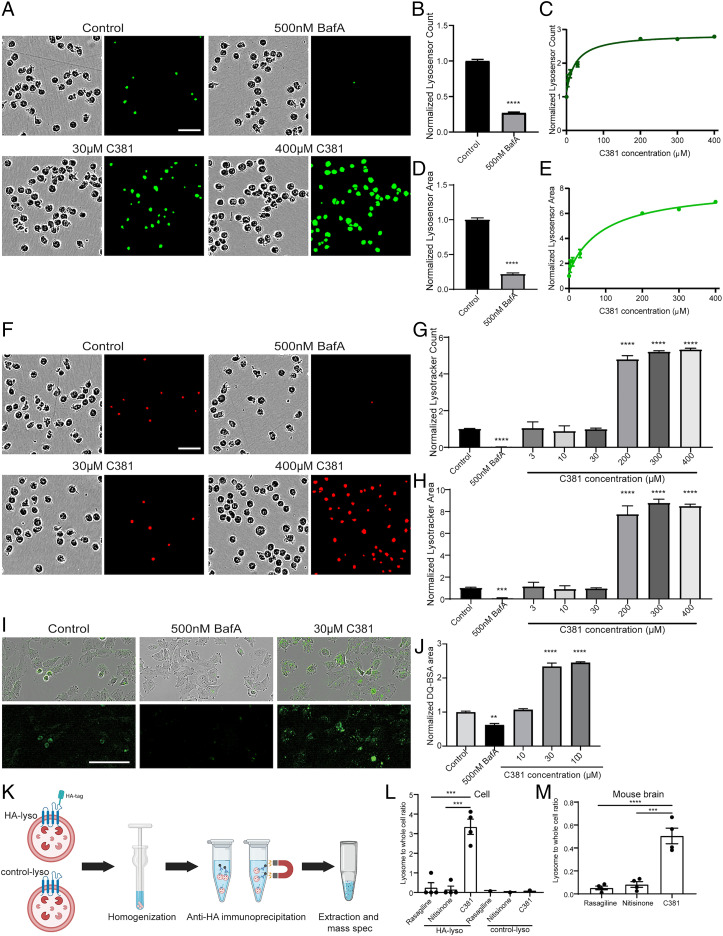
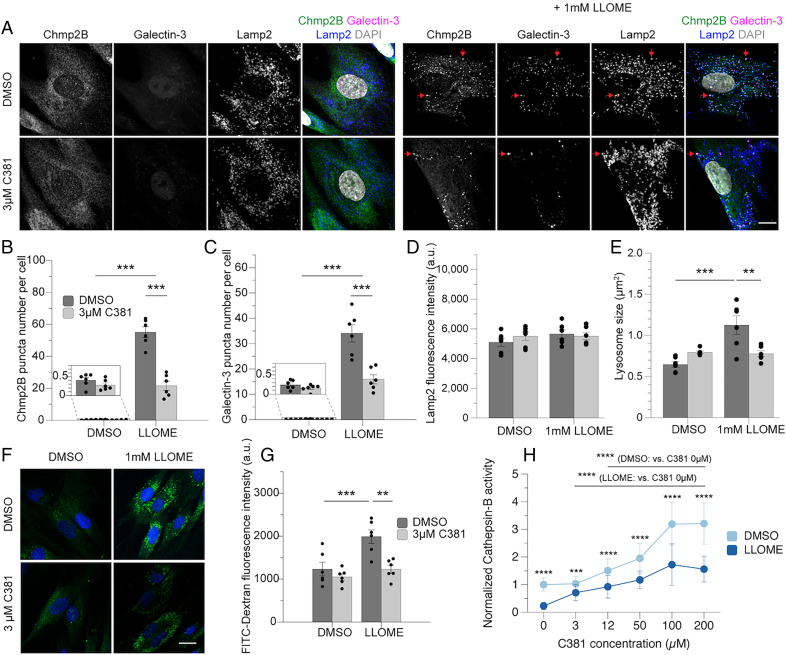
SignificanceNeurodegenerative diseases are poorly understood and difficult to treat. One common hallmark is lysosomal dysfunction leading to the accumulation of aggregates and other undegradable materials, which cause damage to brain resident cells. Lysosomes are acidic organelles responsible for breaking down biomolecules and recycling their constitutive parts. In this work, we find that the antiinflammatory and neuroprotective compound, discovered via a phenotypic screen, imparts its beneficial effects by targeting the lysosome and restoring its function. This is established using a genome-wide CRISPRi target identification screen and then confirmed using a variety of lysosome-targeted studies. The resulting small molecule from this study represents a potential treatment for neurodegenerative diseases as well as a research tool for the study of lysosomes in disease.
神经退行性疾病的发病机制尚不清楚,且难以治疗。一个常见的特征是溶酶体功能障碍导致聚集物和其他不可降解物质的积累,从而对脑内常驻细胞造成损伤。溶酶体是一种负责分解生物分子并回收其组成部分的酸性细胞器。在这项工作中,我们发现,通过表型筛选发现的抗炎和神经保护化合物通过靶向溶酶体并恢复其功能来发挥其有益作用。这是通过使用全基因组 CRISPRi 靶向鉴定筛选来建立的,然后使用各种溶酶体靶向研究来确认。这项研究的小分子代表了治疗神经退行性疾病的潜在方法,也是研究疾病中溶酶体的研究工具。