Center for Integrative Biology, Faculty of Sciences, Universidad Mayor, Santiago, Chile.
FONDAP Geroscience Center for Brain Health and Metabolism, Santiago, Chile.
Acta Neuropathol Commun. 2022 Mar 9;10(1):31. doi: 10.1186/s40478-022-01332-9.
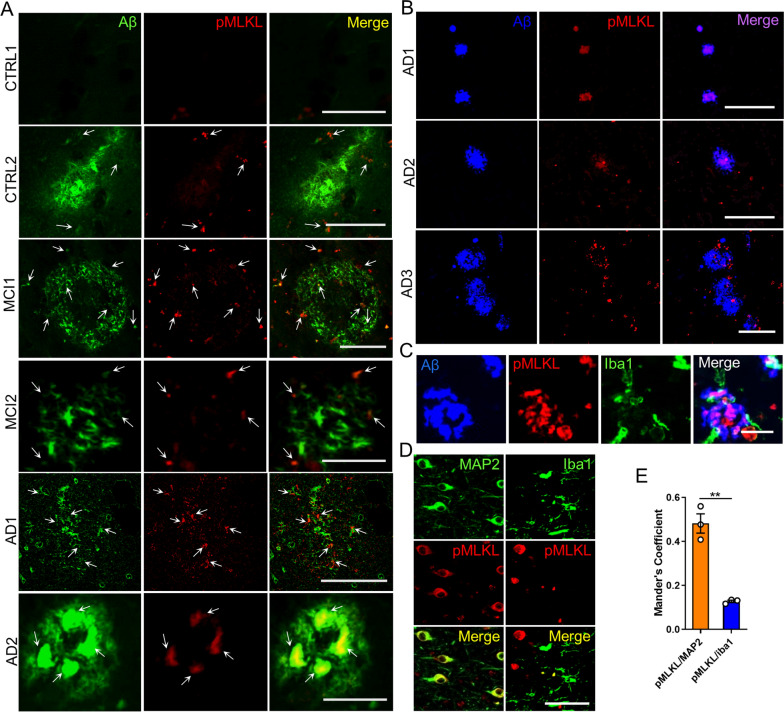
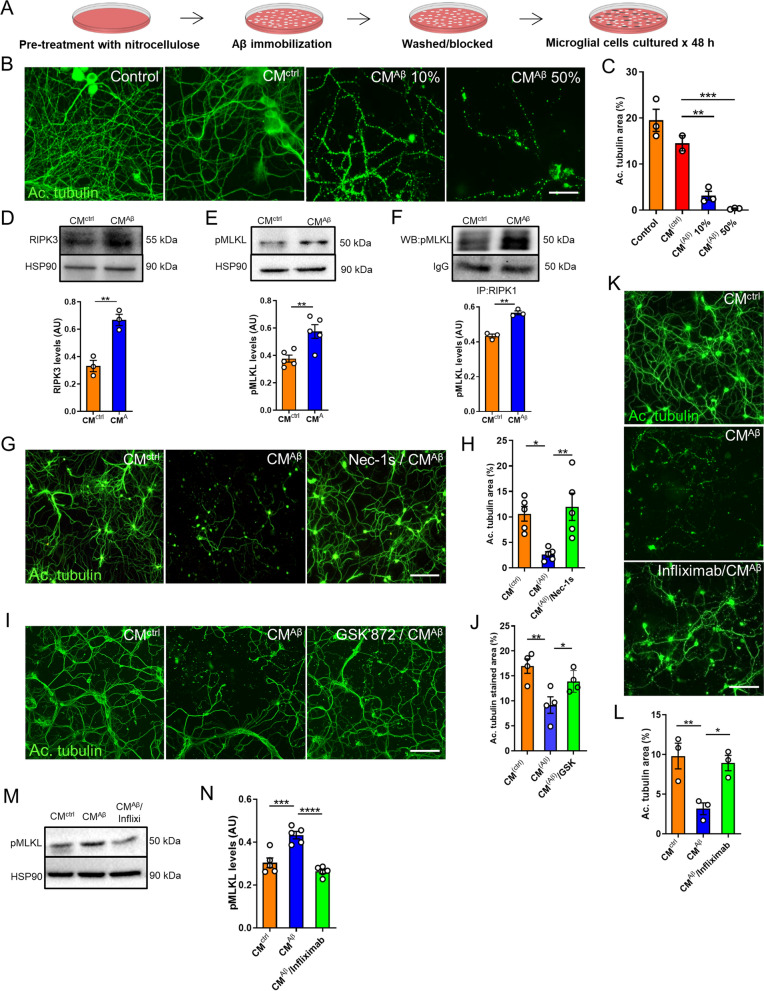
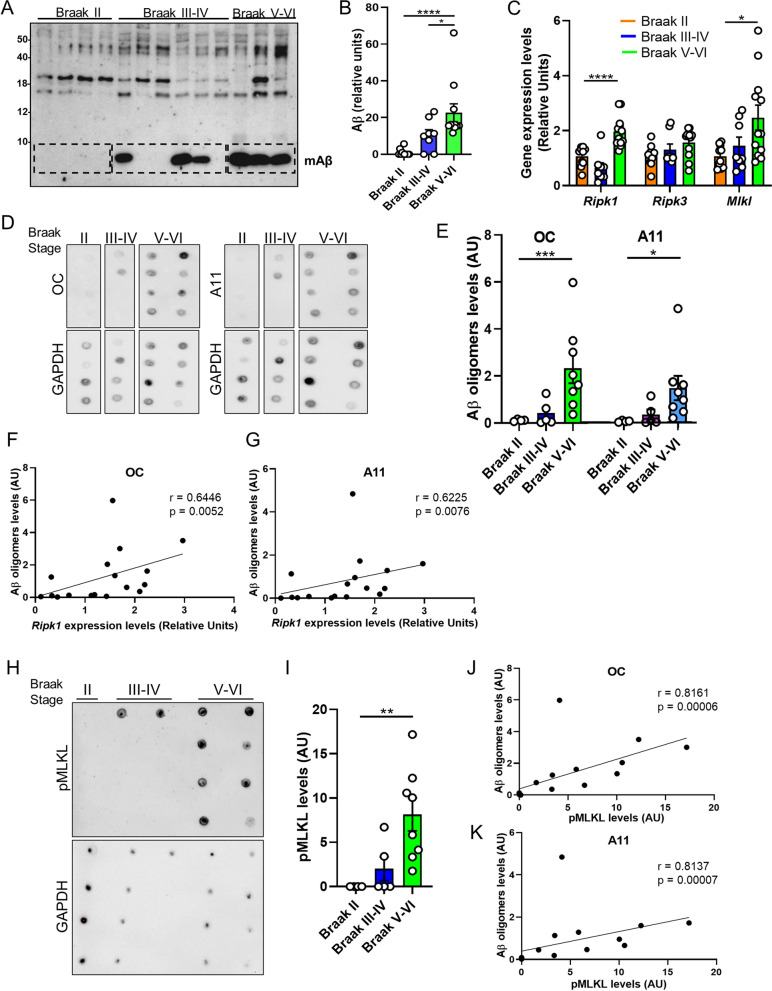
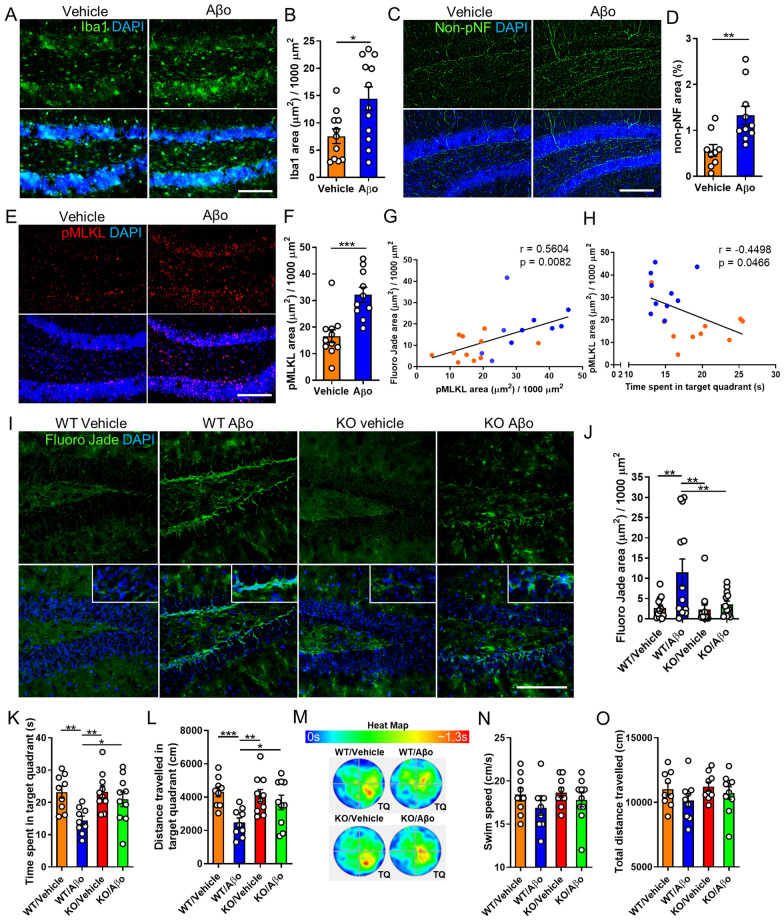
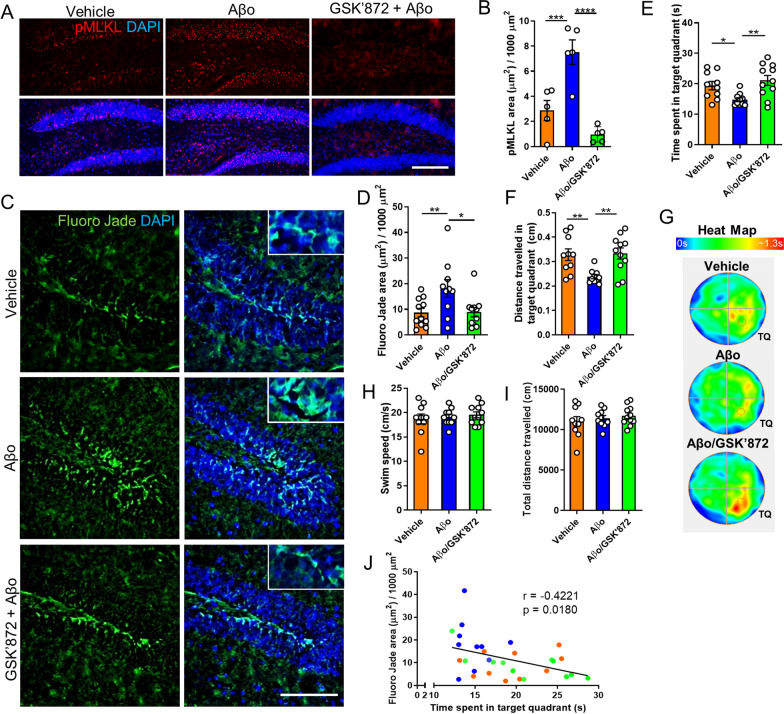
Alzheimer's disease (AD) is a major adult-onset neurodegenerative condition with no available treatment. Compelling reports point amyloid-β (Aβ) as the main etiologic agent that triggers AD. Although there is extensive evidence of detrimental crosstalk between Aβ and microglia that contributes to neuroinflammation in AD, the exact mechanism leading to neuron death remains unknown. Using postmortem human AD brain tissue, we show that Aβ pathology is associated with the necroptosis effector pMLKL. Moreover, we found that the burden of Aβ oligomers (Aβo) correlates with the expression of key markers of necroptosis activation. Additionally, inhibition of necroptosis by pharmacological or genetic means, reduce neurodegeneration and memory impairment triggered by Aβo in mice. Since microglial activation is emerging as a central driver for AD pathogenesis, we then tested the contribution of microglia to the mechanism of Aβo-mediated necroptosis activation in neurons. Using an in vitro model, we show that conditioned medium from Aβo-stimulated microglia elicited necroptosis in neurons through activation of TNF-α signaling, triggering extensive neurodegeneration. Notably, necroptosis inhibition provided significant neuronal protection. Together, these findings suggest that Aβo-mediated microglia stimulation in AD contributes to necroptosis activation in neurons and neurodegeneration. As necroptosis is a druggable degenerative mechanism, our findings might have important therapeutic implications to prevent the progression of AD.
阿尔茨海默病(AD)是一种主要的成年发病的神经退行性疾病,目前尚无治疗方法。大量证据表明β淀粉样蛋白(Aβ)是触发 AD 的主要病因。虽然 Aβ与小胶质细胞之间存在广泛的有害相互作用,导致 AD 中的神经炎症,但导致神经元死亡的确切机制仍不清楚。我们使用 AD 患者死后的脑组织样本,发现 Aβ 病理学与坏死效应物 pMLKL 有关。此外,我们发现 Aβ 寡聚体(Aβo)的负担与坏死性细胞死亡激活的关键标志物的表达相关。此外,通过药理学或遗传学方法抑制坏死性细胞死亡,可以减少 Aβo 引发的小鼠神经退行性变和记忆损伤。由于小胶质细胞激活已成为 AD 发病机制的核心驱动因素,我们随后测试了小胶质细胞对 Aβo 介导的神经元坏死性细胞死亡激活机制的贡献。我们使用体外模型,表明 Aβo 刺激的小胶质细胞的条件培养基通过激活 TNF-α 信号通路在神经元中引发坏死性细胞死亡,引发广泛的神经退行性变。值得注意的是,坏死性细胞死亡抑制提供了显著的神经元保护。总之,这些发现表明 AD 中小胶质细胞受 Aβo 刺激会导致神经元中坏死性细胞死亡的激活和神经退行性变。由于坏死性细胞死亡是一种可治疗的退行性机制,我们的发现可能对预防 AD 进展具有重要的治疗意义。