The Scripps Research Institute, Department of Molecular Medicine, La Jolla, CA, USA.
Department of Pharmacology, Bowles Center for Alcohol Studies, University of North Carolina at Chapel Hill, School of Medicine, Chapel Hill, NC, USA.
Mol Psychiatry. 2022 May;27(5):2502-2513. doi: 10.1038/s41380-022-01496-9. Epub 2022 Mar 9.
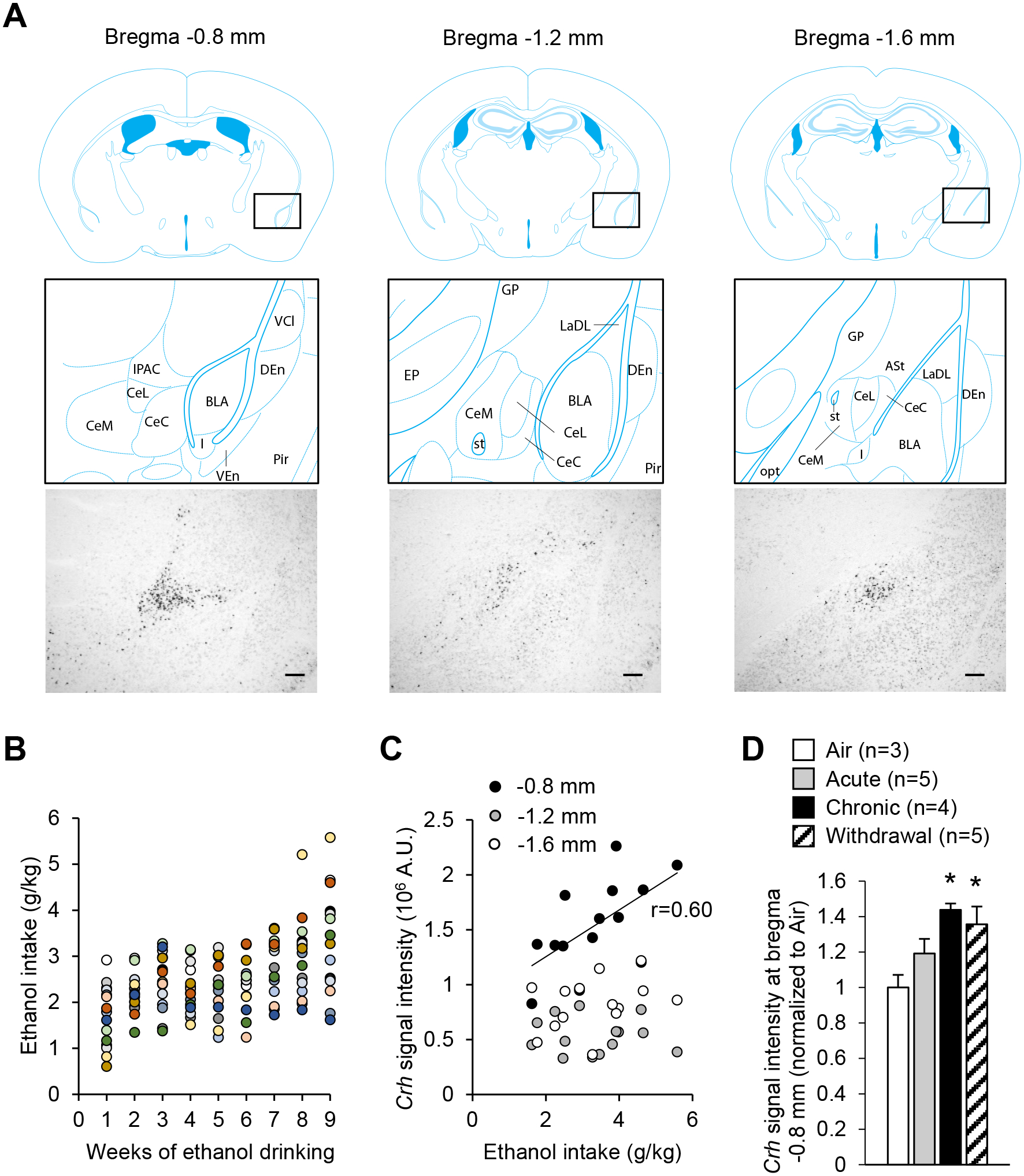
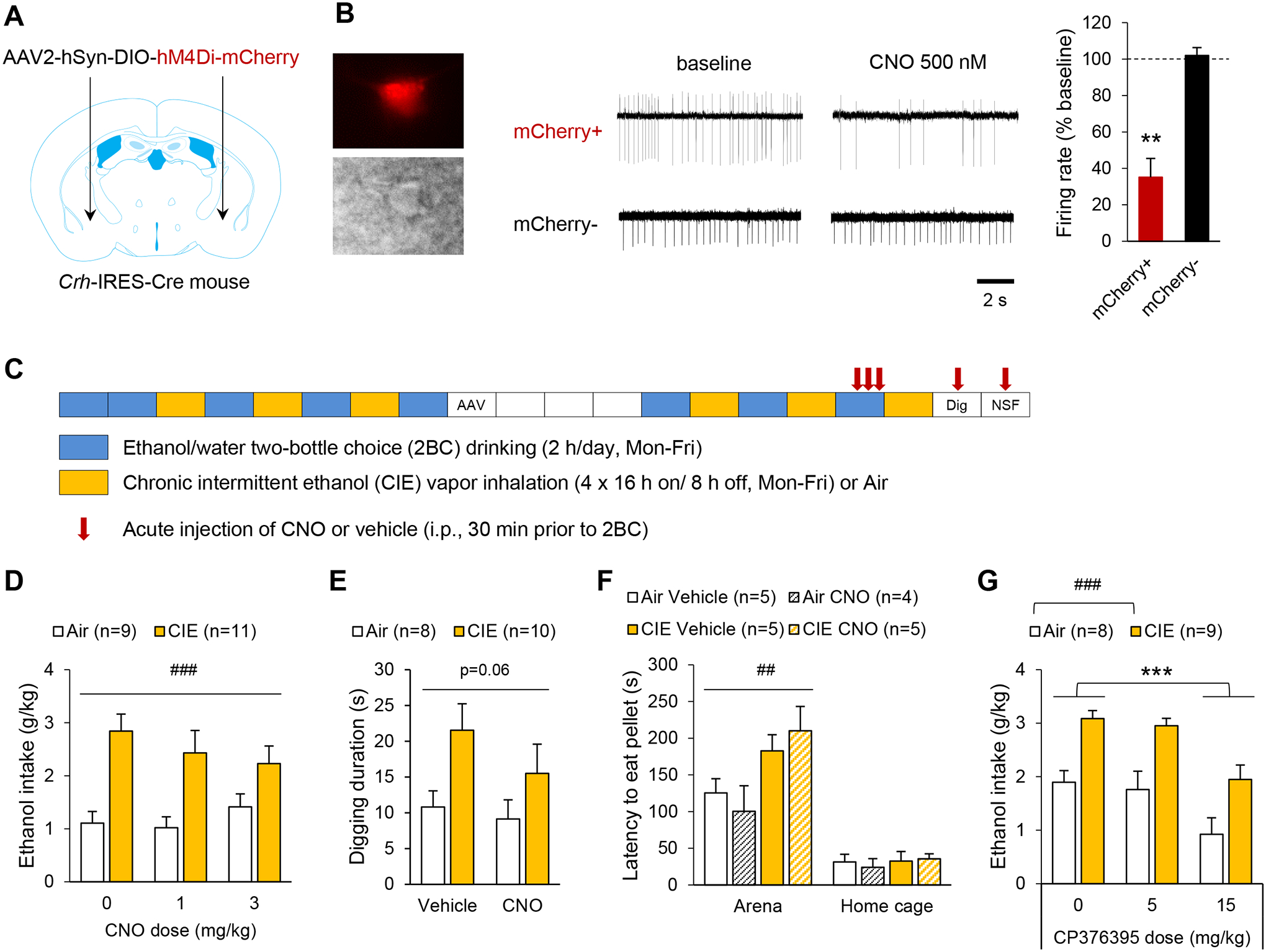
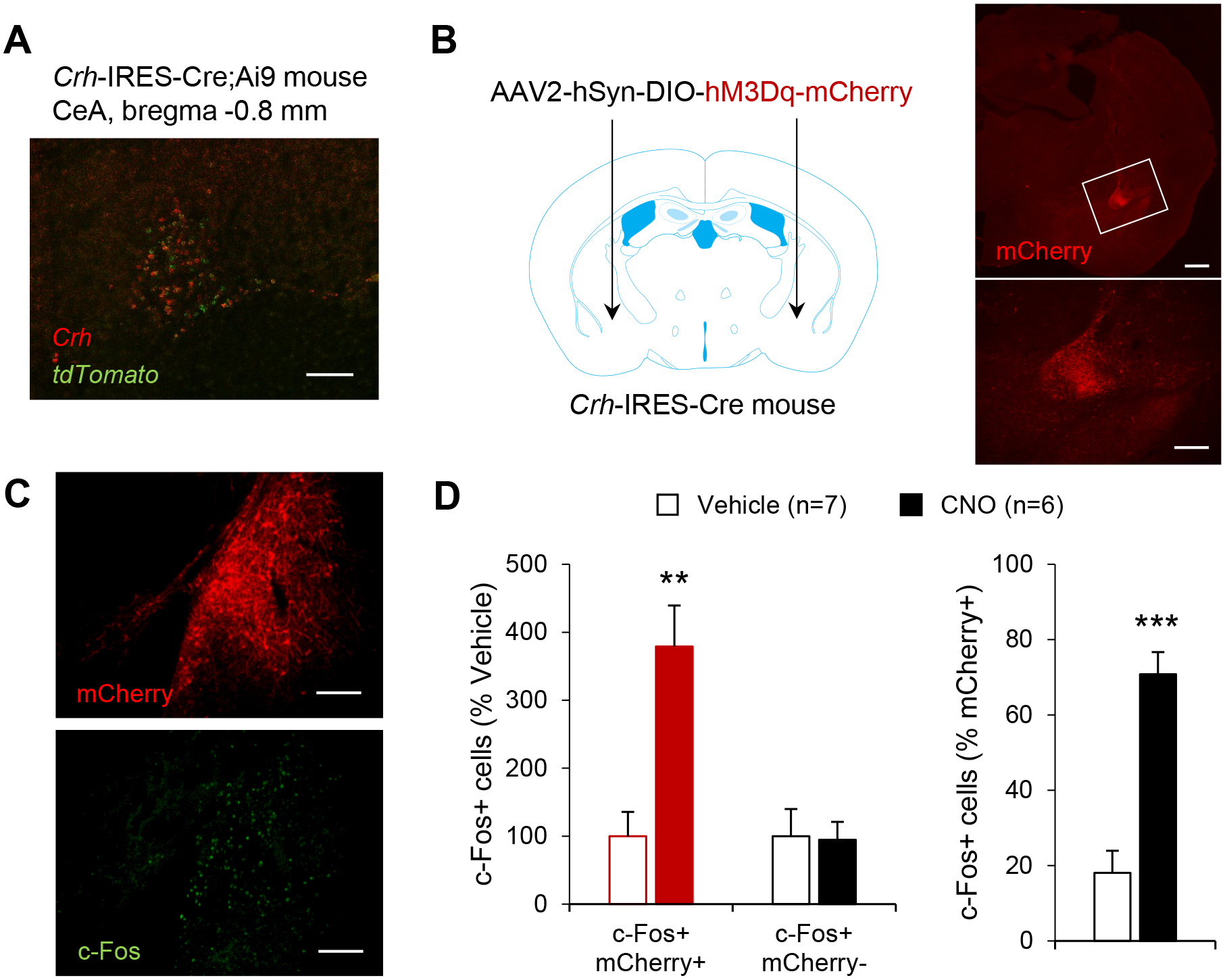
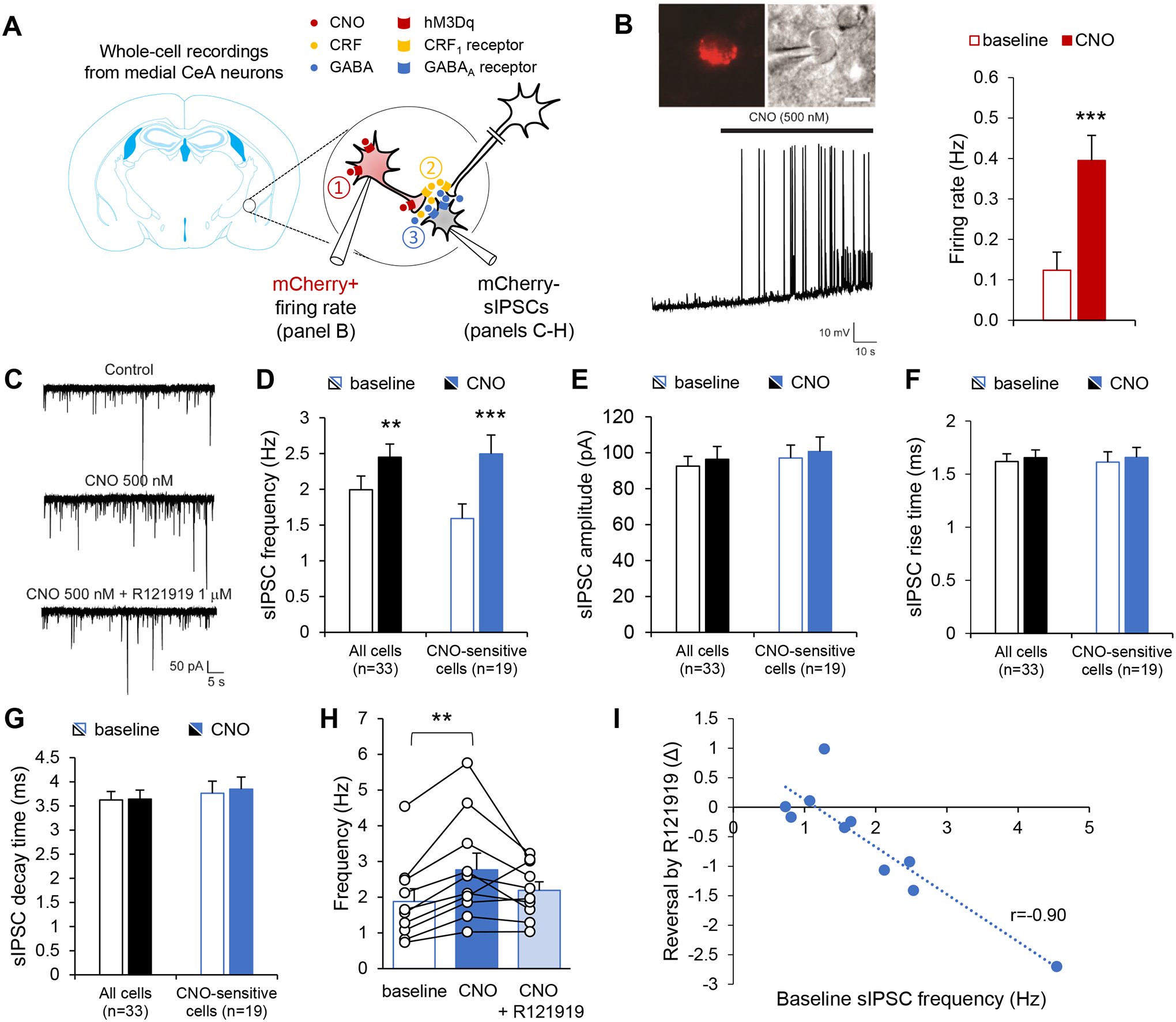
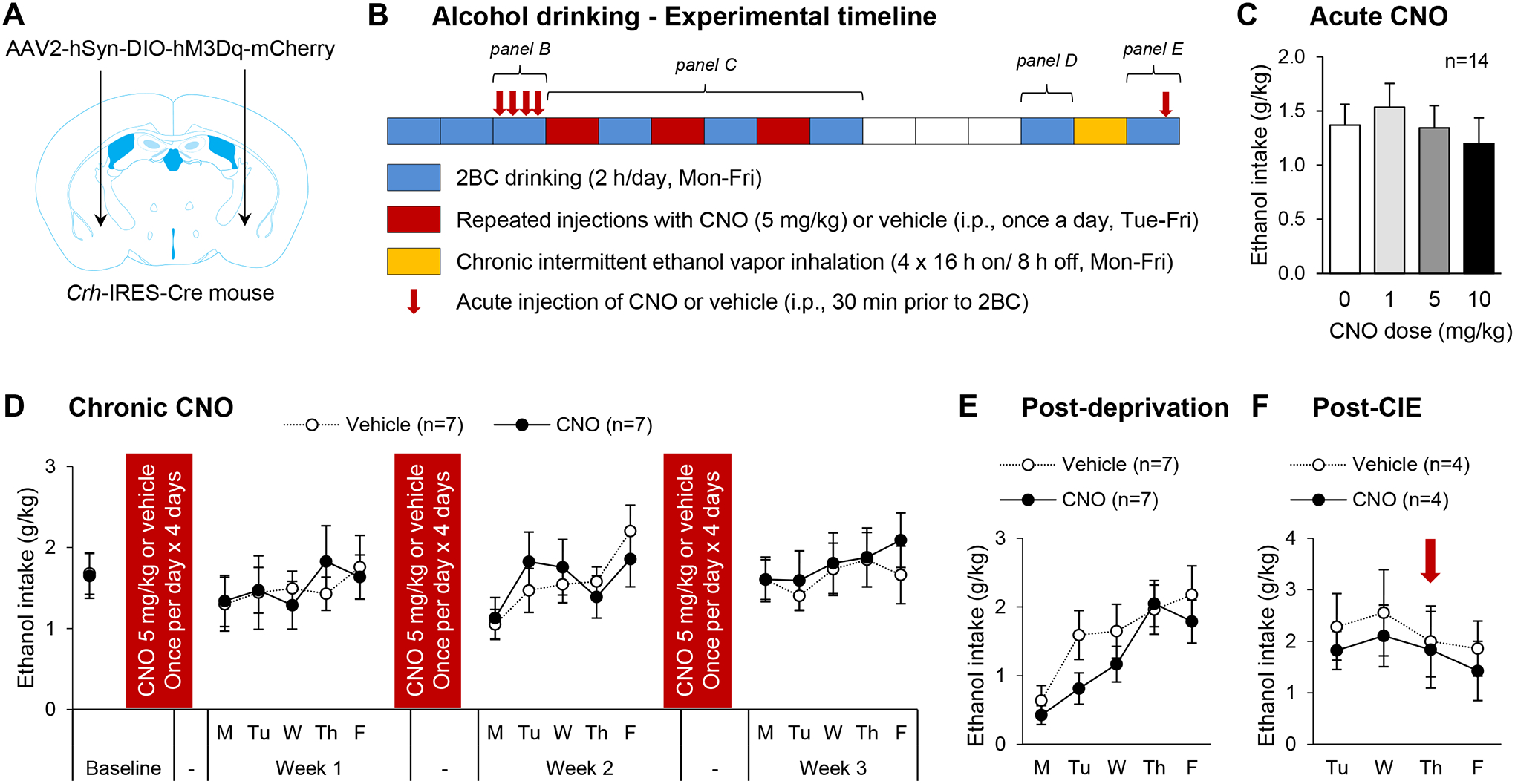
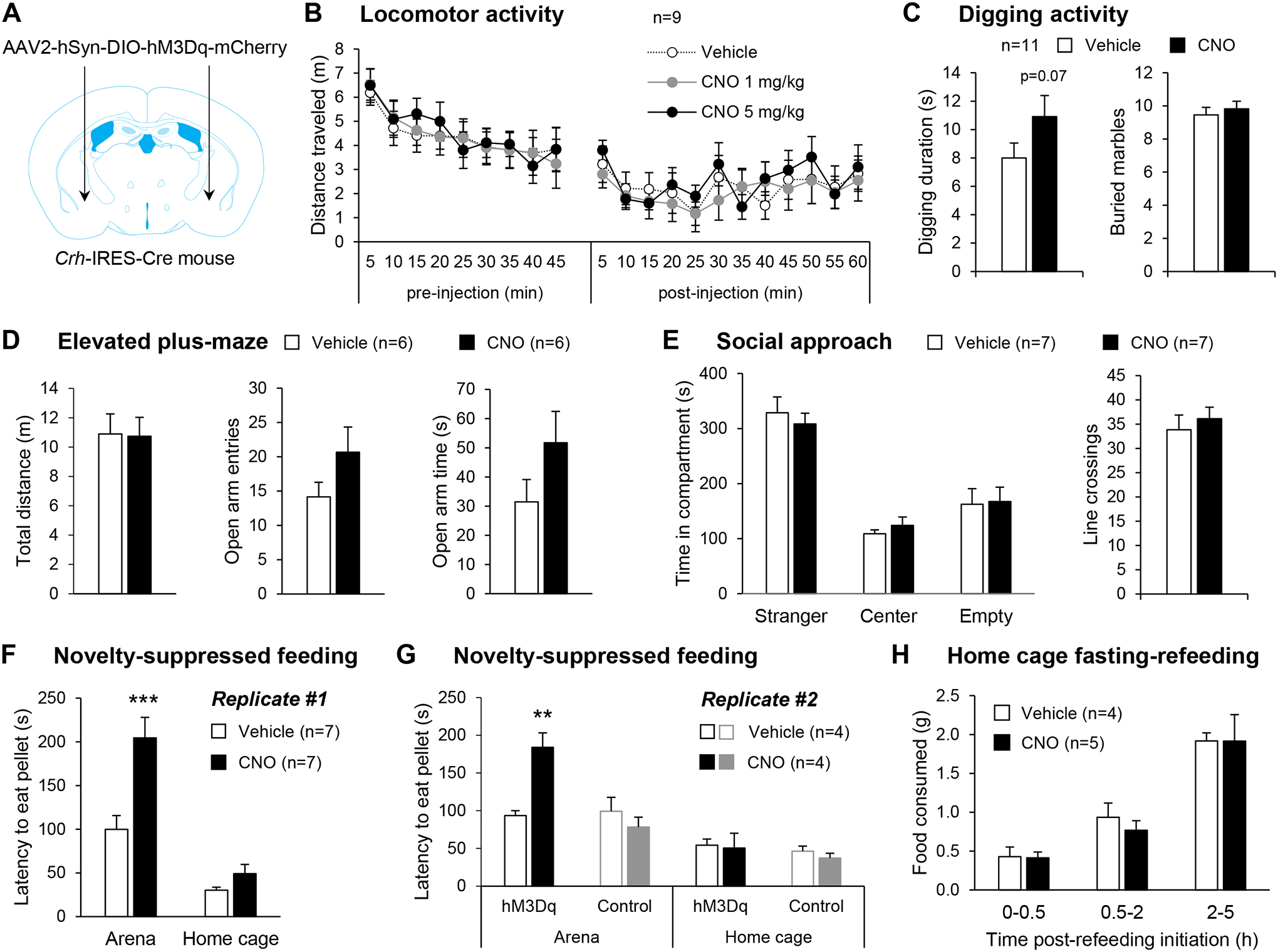
Corticotropin-releasing factor (CRF) signaling in the central nucleus of the amygdala (CeA) plays a critical role in rodent models of excessive alcohol drinking. However, the source of CRF acting in the CeA during alcohol withdrawal remains to be identified. In the present study, we hypothesized that CeA CRF interneurons may represent a behaviorally relevant source of CRF to the CeA increasing motivation for alcohol via negative reinforcement. We first observed that Crh mRNA expression in the anterior part of the mouse CeA correlates positively with alcohol intake in C57BL/6J males with a history of chronic binge drinking followed by abstinence and increases upon exposure to chronic intermittent ethanol (CIE) vapor inhalation. We then found that chemogenetic activation of CeA CRF neurons in Crh-IRES-Cre mouse brain slices increases gamma-aminobutyric acid (GABA) release in the medial CeA, in part via CRF1 receptor activation. While chemogenetic stimulation exacerbated novelty-induced feeding suppression (NSF) in alcohol-naïve mice, thereby mimicking the effect of withdrawal from CIE, it had no effect on voluntary alcohol consumption, following either acute or chronic manipulation. Furthermore, chemogenetic inhibition of CeA CRF neurons did not affect alcohol consumption or NSF in chronic alcohol drinkers exposed to air or CIE. Altogether, these findings indicate that CeA CRF neurons produce local release of GABA and CRF and promote hyponeophagia in naïve mice, but do not drive alcohol intake escalation or negative affect in CIE-withdrawn mice. The latter result contrasts with previous findings in rats and demonstrates species specificity of CRF circuit engagement in alcohol dependence.
促肾上腺皮质释放因子 (CRF) 在杏仁中央核 (CeA) 的信号转导在啮齿动物过度饮酒模型中起着关键作用。然而,在酒精戒断期间作用于 CeA 的 CRF 的来源仍有待确定。在本研究中,我们假设 CeA CRF 中间神经元可能代表 CeA 中与行为相关的 CRF 来源,通过负强化增加对酒精的动机。我们首先观察到,具有慢性 binge 饮酒史后戒断并暴露于慢性间歇性乙醇 (CIE) 蒸气吸入后,小鼠 CeA 前部的 Crh mRNA 表达与 C57BL/6J 雄性的酒精摄入量呈正相关。然后,我们发现 Crh-IRES-Cre 小鼠脑片中 CeA CRF 神经元的化学遗传激活增加了内侧 CeA 中的γ-氨基丁酸 (GABA) 释放,部分通过 CRF1 受体激活。虽然化学遗传刺激加剧了酒精-naïve 小鼠的新奇诱导性摄食抑制 (NSF),从而模拟了 CIE 戒断的效果,但在急性或慢性操作后,它对自愿性酒精消耗没有影响。此外,在暴露于空气或 CIE 的慢性酒精饮用者中,化学遗传抑制 CeA CRF 神经元对酒精消耗或 NSF 没有影响。总之,这些发现表明 CeA CRF 神经元产生 GABA 和 CRF 的局部释放,并促进 naïve 小鼠的摄食减少,但在 CIE 戒断的小鼠中不会驱动酒精摄入增加或负性情绪。后一结果与以前在大鼠中的发现相反,证明了 CRF 回路参与酒精依赖的物种特异性。