Katz Rachel R, West Jennifer L
Department of Biomedical Engineering, Duke University, Durham, NC 27705, USA.
Department of Biomedical Engineering, University of Virginia, Charlottesville, VA 22904, USA.
Cancers (Basel). 2022 Feb 26;14(5):1225. doi: 10.3390/cancers14051225.
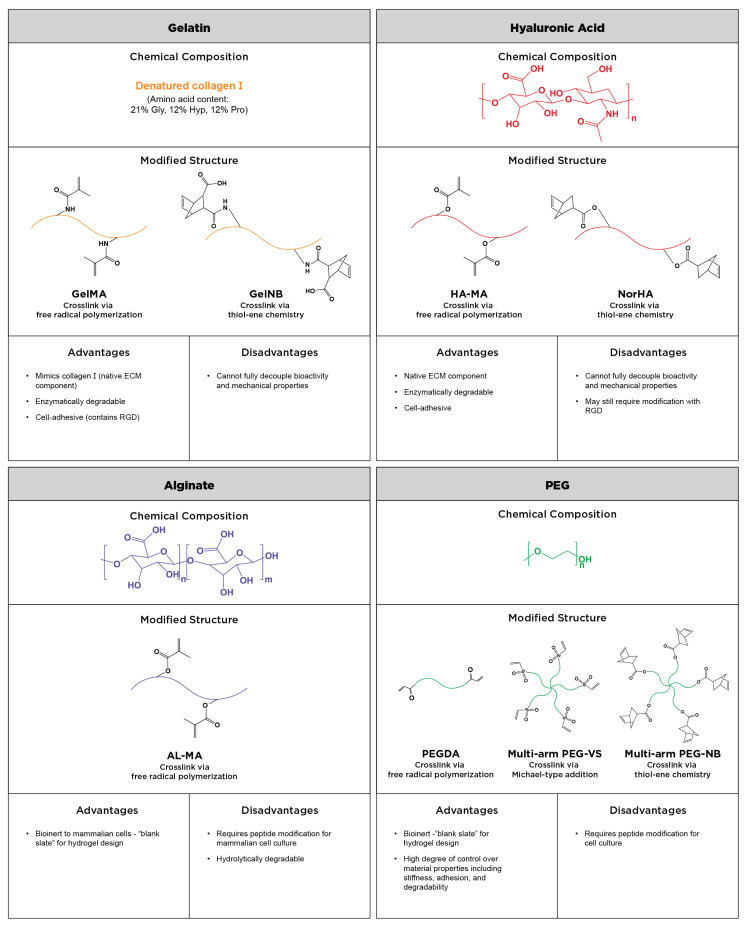
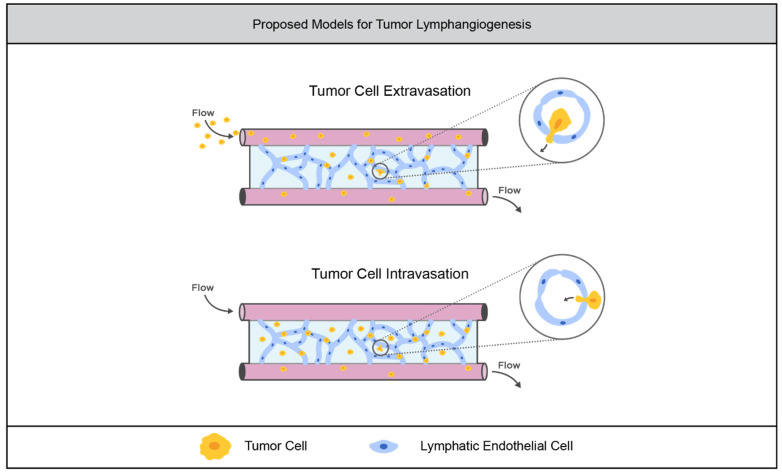
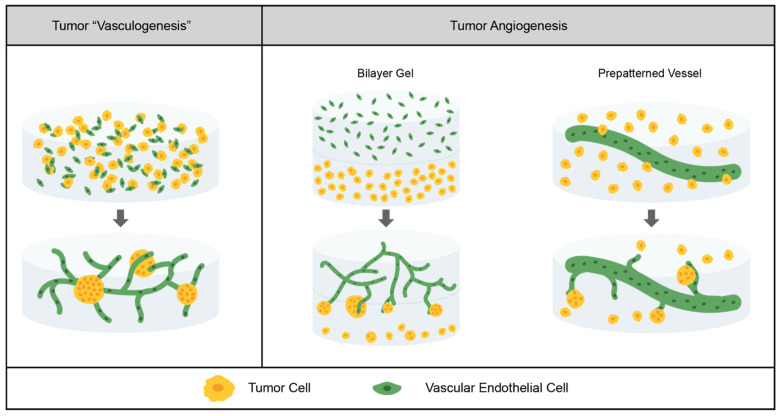
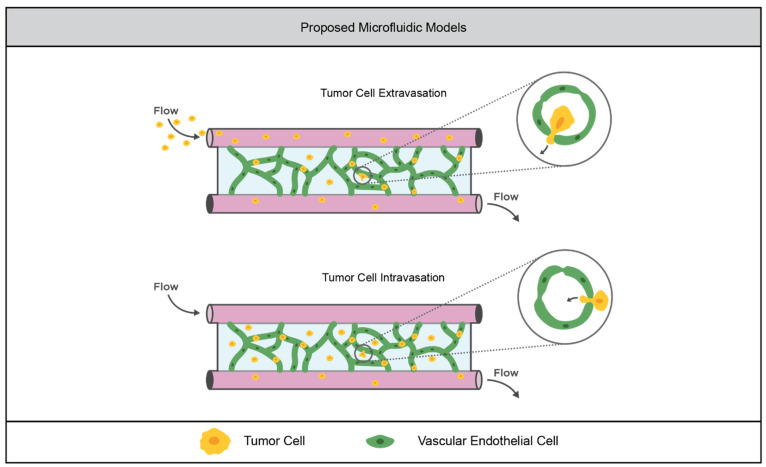
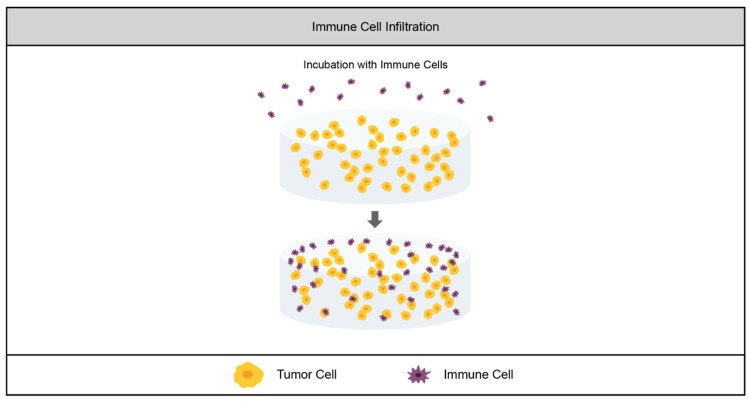
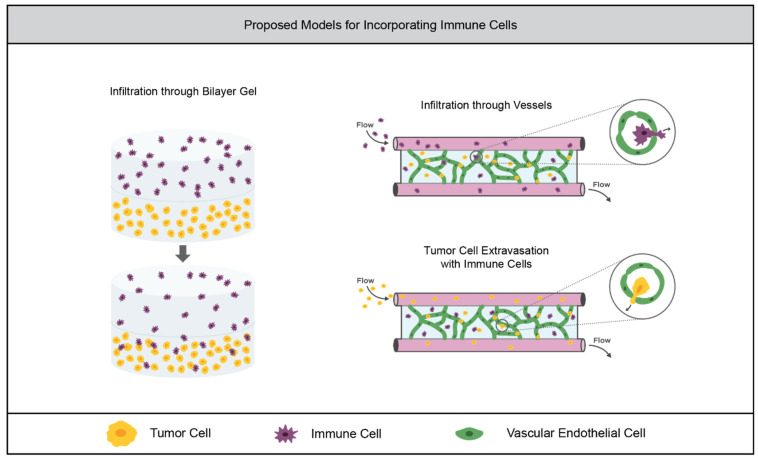
The tumor microenvironment (TME) plays a determining role in everything from disease progression to drug resistance. As such, in vitro models which can recapitulate the cell-cell and cell-matrix interactions that occur in situ are key to the investigation of tumor behavior and selecting effective therapeutic drugs. While naturally derived matrices can retain the dimensionality of the native TME, they lack tunability and batch-to-batch consistency. As such, many synthetic polymer systems have been employed to create physiologically relevant TME cultures. In this review, we discussed the common semi-synthetic and synthetic polymers used as hydrogel matrices for tumor models. We reviewed studies in synthetic hydrogels which investigated tumor cell interactions with vasculature and immune cells. Finally, we reviewed the utility of these models as chemotherapeutic drug-screening platforms, as well as the future directions of the field.
肿瘤微环境(TME)在从疾病进展到耐药性等各个方面都起着决定性作用。因此,能够重现原位发生的细胞间和细胞与基质相互作用的体外模型,对于研究肿瘤行为和选择有效的治疗药物至关重要。虽然天然衍生的基质可以保留天然TME的维度,但它们缺乏可调性和批次间的一致性。因此,许多合成聚合物系统已被用于创建与生理相关的TME培养物。在这篇综述中,我们讨论了用作肿瘤模型水凝胶基质的常见半合成和合成聚合物。我们回顾了合成水凝胶中研究肿瘤细胞与脉管系统和免疫细胞相互作用的研究。最后,我们回顾了这些模型作为化疗药物筛选平台的实用性以及该领域的未来方向。