Cardiovascular Disease Initiative, Broad Institute of MIT and Harvard, Cambridge, Massachusetts, USA.
Proteomics Platform, Broad Institute of MIT and Harvard, Cambridge, Massachusetts, USA.
Mol Cell Proteomics. 2022 Apr;21(4):100223. doi: 10.1016/j.mcpro.2022.100223. Epub 2022 Mar 11.
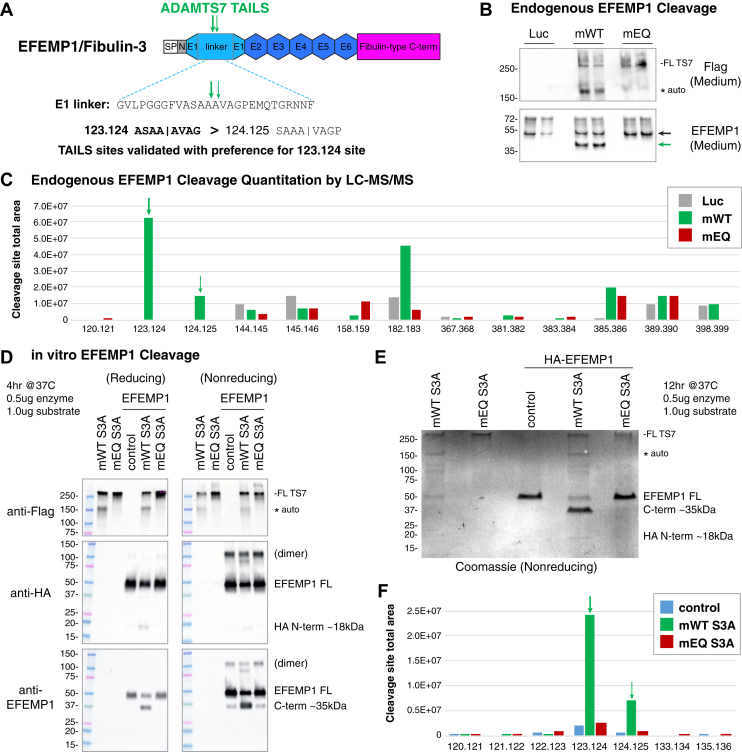
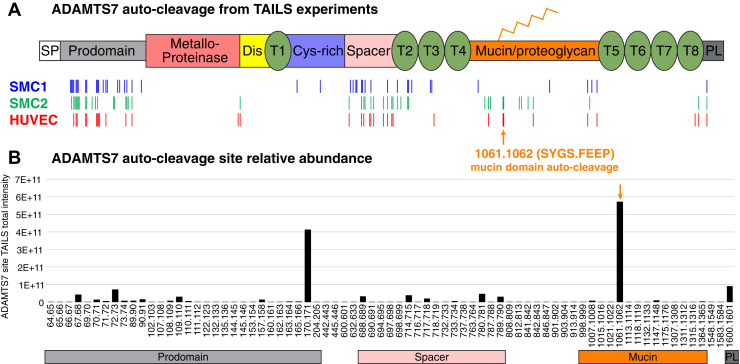
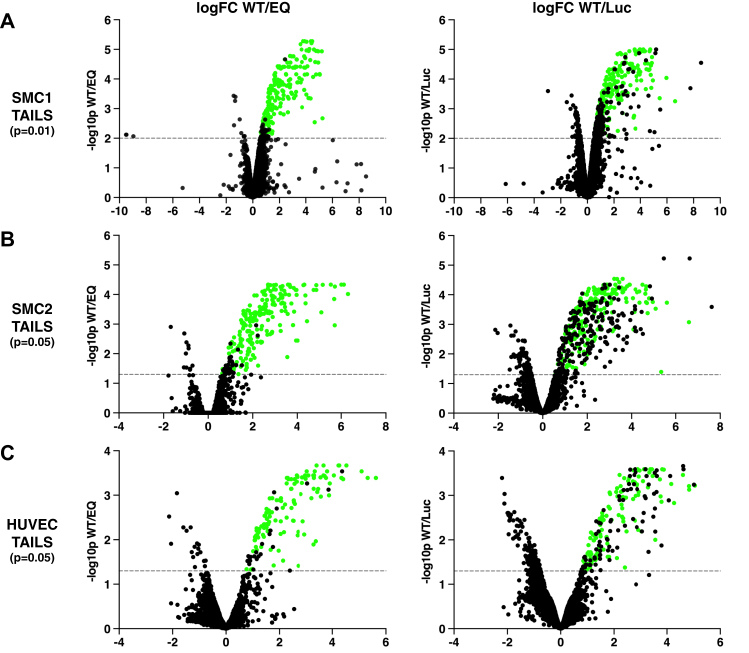
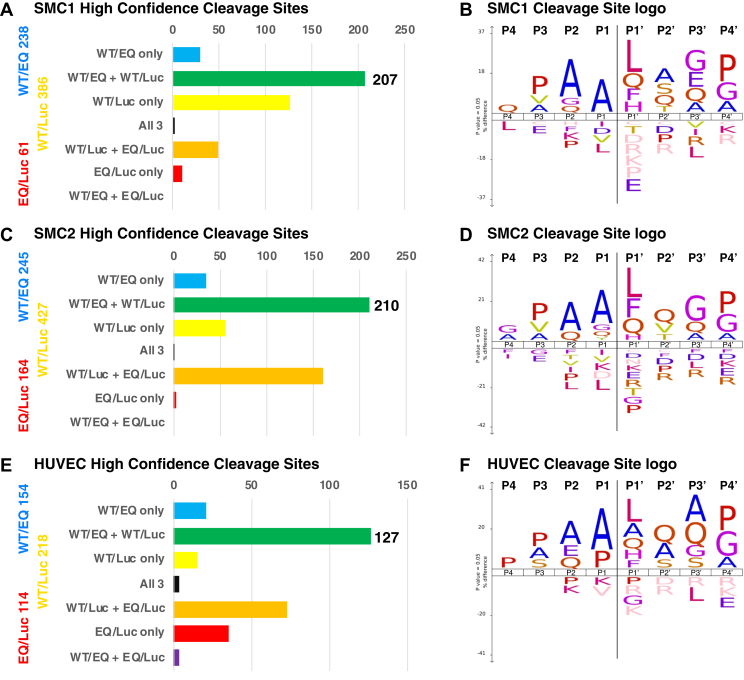
Loss-of-function mutations in the secreted enzyme ADAMTS7 (a disintegrin and metalloproteinase with thrombospondin motifs 7) are associated with protection for coronary artery disease. ADAMTS7 catalytic inhibition has been proposed as a therapeutic strategy for treating coronary artery disease; however, the lack of an endogenous substrate has hindered the development of activity-based biomarkers. To identify ADAMTS7 extracellular substrates and their cleavage sites relevant to vascular disease, we used TAILS (terminal amine isotopic labeling of substrates), a method for identifying protease-generated neo-N termini. We compared the secreted proteome of vascular smooth muscle and endothelial cells expressing either full-length mouse ADAMTS7 WT, catalytic mutant ADAMTS7 E373Q, or a control luciferase adenovirus. Significantly enriched N-terminal cleavage sites in ADAMTS7 WT samples were compared to the negative control conditions and filtered for stringency, resulting in catalogs of high confidence candidate ADAMTS7 cleavage sites from our three independent TAILS experiments. Within the overlap of these discovery sets, we identified 24 unique cleavage sites from 16 protein substrates, including cleavage sites in EFEMP1 (EGF-containing fibulin-like extracellular matrix protein 1/Fibulin-3). The ADAMTS7 TAILS preference for EFEMP1 cleavage at the amino acids 123.124 over the adjacent 124.125 site was validated using both endogenous EFEMP1 and purified EFEMP1 in a binary in vitro cleavage assay. Collectively, our TAILS discovery experiments have uncovered hundreds of potential substrates and cleavage sites to explore disease-related biological substrates and facilitate activity-based ADAMTS7 biomarker development.
ADAMTS7(含血栓反应蛋白基序的解整合素和金属蛋白酶 7)分泌酶的功能丧失突变与冠心病的保护有关。ADAMTS7 的催化抑制作用已被提议作为治疗冠心病的一种治疗策略;然而,缺乏内源性底物阻碍了活性基生物标志物的发展。为了鉴定与血管疾病相关的 ADAMTS7 细胞外底物及其切割位点,我们使用 TAILS(底物末端胺同位素标记),这是一种用于鉴定蛋白酶产生的新 N 末端的方法。我们比较了表达全长小鼠 ADAMTS7 WT、催化突变体 ADAMTS7 E373Q 或对照荧光素酶腺病毒的血管平滑肌和内皮细胞的分泌蛋白质组。与阴性对照条件相比,ADAMTS7 WT 样本中显著富集的 N 末端切割位点经过严格筛选,从我们的三个独立 TAILS 实验中产生了高可信度候选 ADAMTS7 切割位点目录。在这些发现集的重叠中,我们从 16 个蛋白质底物中鉴定了 24 个独特的切割位点,包括 EFEMP1(含有 EGF 的纤维调素样细胞外基质蛋白 1/Fibulin-3)中的切割位点。使用内源性 EFEMP1 和纯化的 EFEMP1 在二元体外切割测定中验证了 ADAMTS7 TAILS 在氨基酸 123.124 上对相邻 124.125 位点的 EFEMP1 切割的偏好性。总的来说,我们的 TAILS 发现实验揭示了数百个潜在的底物和切割位点,以探索与疾病相关的生物底物,并促进基于活性的 ADAMTS7 生物标志物的发展。