Alroughani Raed, Inshasi Jihad, Al Khawajah Mona, Ahmed Samar Farouk, Al Malik Yaser, Alkhabouri Jaber, Shatila Ahmed, Aljarallah Salman, Cupler Edward J, Qureshi Shireen Al, Thakre Mona, Elhasin Heba, Ezzat Aly, Roushdy Sherif
Division of Neurology, Department of Medicine, Al-Amiri Hospital, Kuwait City, Kuwait.
Neurology Department, Rashid Hospital and Dubai Medical College, Dubai Health Authority, Dubai, UAE.
Mult Scler J Exp Transl Clin. 2022 Mar 9;8(1):20552173221077185. doi: 10.1177/20552173221077185. eCollection 2022 Jan-Mar.
The prevalence of multiple sclerosis (MS) is increasing in Gulf Cooperation Council (GCC) countries. Multiple sclerosis contributes to significant burden on patients and caregivers. The pharmacological treatment in MS involves treating acute exacerbations and preventing relapses and disability progression using disease-modifying therapies. Clinical evidence suggests that teriflunomide is one of the therapeutic choices for patients with relapsing-remitting MS (RRMS). However, genetic and cultural differences across different regions may contribute to variations in drug use. Therefore, it is necessary to consider real-world evidence for teriflunomide usage in GCC countries.
An expert group for MS gathered from GCC countries in December 2020. The consensus highlighting role of teriflunomide in MS management has been developed using clinical experiences and evidence-based approach.
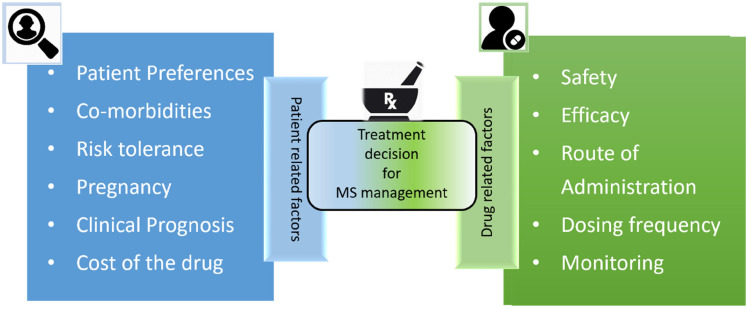
The expert-recommended patient profile for teriflunomide usage includes individuals aged 18 years and above, both men and women (on effective contraceptives) with clinically isolated syndrome or RRMS. The factors considered were cost-effectiveness of the drug, patient preference, adherence, monitoring, established safety profile, and coronavirus disease 2019 status.
Expert recommendations based on their clinical experience will be more helpful to clinicians in clinical settings regarding the usage of teriflunomide and provide valuable insights applicable in day-to-day practice.
海湾合作委员会(GCC)国家中多发性硬化症(MS)的患病率正在上升。多发性硬化症给患者和护理人员带来了沉重负担。MS的药物治疗包括使用疾病修正疗法治疗急性加重期以及预防复发和残疾进展。临床证据表明,特立氟胺是复发缓解型MS(RRMS)患者的治疗选择之一。然而,不同地区的遗传和文化差异可能导致药物使用的差异。因此,有必要考虑GCC国家中特立氟胺使用的真实世界证据。
2020年12月召集了一个来自GCC国家的MS专家组。利用临床经验和循证方法制定了强调特立氟胺在MS管理中作用的共识。
专家推荐的使用特立氟胺的患者特征包括18岁及以上的个体,患有临床孤立综合征或RRMS的男性和女性(采取有效避孕措施)。考虑的因素包括药物的成本效益、患者偏好、依从性、监测、既定的安全性概况以及2019冠状病毒病状况。
基于临床经验的专家建议将在临床环境中对临床医生在特立氟胺的使用方面更有帮助,并提供适用于日常实践的宝贵见解。