The Third Hospital of Quanzhou, Quanzhou, China 362000.
Department of Clinical Nutrition, The Second Affiliated Hospital of Fujian Medical University, Quanzhou, China 362000.
Behav Neurol. 2022 Mar 5;2022:4262094. doi: 10.1155/2022/4262094. eCollection 2022.
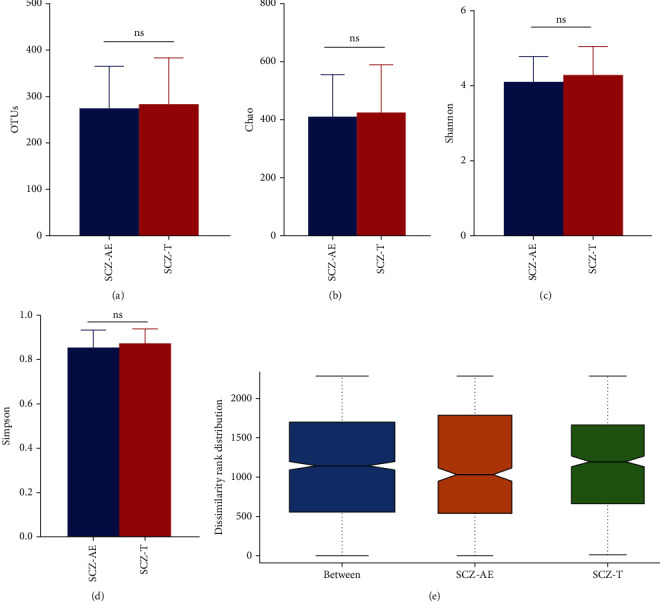
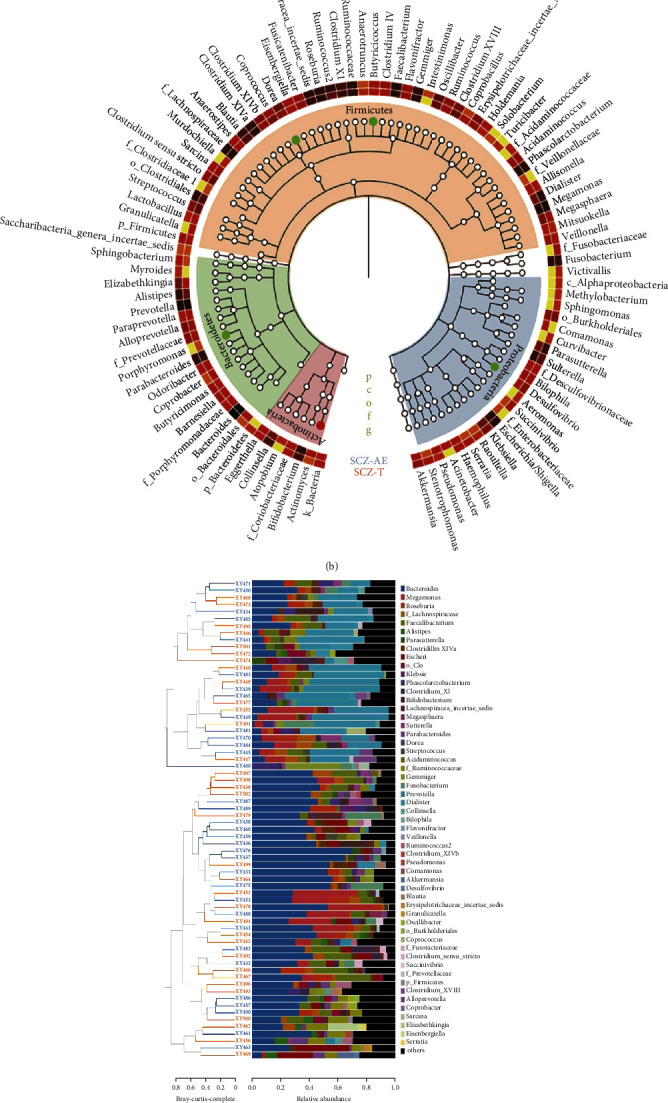
Evidence is mounting that the gut microbiome is related to the underlying pathogenesis of schizophrenia. However, effects of amisulpride on gut microbiota are poorly defined. This study was aimed at analyzing cytokines and fecal microbiota in patients with exacerbated symptoms of schizophrenia treated with amisulpride during four weeks of their hospital stay. In the present study, feces collected from patients with schizophrenia were analyzed using 16S rRNA pyrosequencing and bioinformatic analyses to ascertain gut microbiome composition and fasting peripheral blood cytokines. We found that patients undergoing treatment of schizophrenia with amisulpride had distinct changes in gut microbial composition at the genus level, increased levels of short-chain fatty acid-producing bacteria ( and ), and reduced levels of pathogenic bacteria ( and ), but the level of was still high. We also found a significant downregulation of butanoate metabolism based on functional analysis of the microbiome. After treatment, elevated levels of interleukin- (IL-) 4 and decreased levels of IL-6 were found. Our findings extend prior work and suggest a possible pharmacological mechanism of amisulpride treatment for schizophrenia, which acts via mediation of the gut microbiome.
越来越多的证据表明,肠道微生物群与精神分裂症的潜在发病机制有关。然而,氨磺必利对肠道微生物群的影响还不清楚。本研究旨在分析接受氨磺必利治疗的精神分裂症症状加重患者在住院四周期间的细胞因子和粪便微生物群。在本研究中,使用 16S rRNA 焦磷酸测序和生物信息学分析分析了来自精神分裂症患者的粪便,以确定肠道微生物群组成和空腹外周血细胞因子。我们发现,接受氨磺必利治疗的精神分裂症患者在属水平上的肠道微生物组成有明显变化,产短链脂肪酸的细菌(和)水平升高,致病菌(和)水平降低,但水平仍然较高。我们还发现,基于微生物组的功能分析,丁酸代谢显著下调。治疗后,发现白细胞介素-(IL-)4 水平升高,IL-6 水平降低。我们的发现扩展了先前的工作,并表明氨磺必利治疗精神分裂症的一种可能的药理学机制,即通过肠道微生物群的介导。