An Liwei, Cao Zhifa, Nie Pingping, Zhang Hui, Tong Zhenzhu, Chen Fan, Tang Yang, Han Yi, Wang Wenjia, Zhao Zhangting, Zhao Qingya, Yang Yuqin, Xu Yuanzhi, Fang Gemin, Shi Lei, Xu Huixiong, Ma Haiqing, Jiao Shi, Zhou Zhaocai
Department of Medical Ultrasound, Shanghai Tenth People's Hospital, Tongji University Cancer Center, Tongji University School of Medicine, Shanghai, China.
State Key Laboratory of Cell Biology, Shanghai Institute of Biochemistry and Cell Biology, Center for Excellence in Molecular Cell Science, Chinese Academy of Sciences, University of Chinese Academy of Sciences, Shanghai, China.
J Clin Invest. 2022 May 2;132(9). doi: 10.1172/JCI155468.
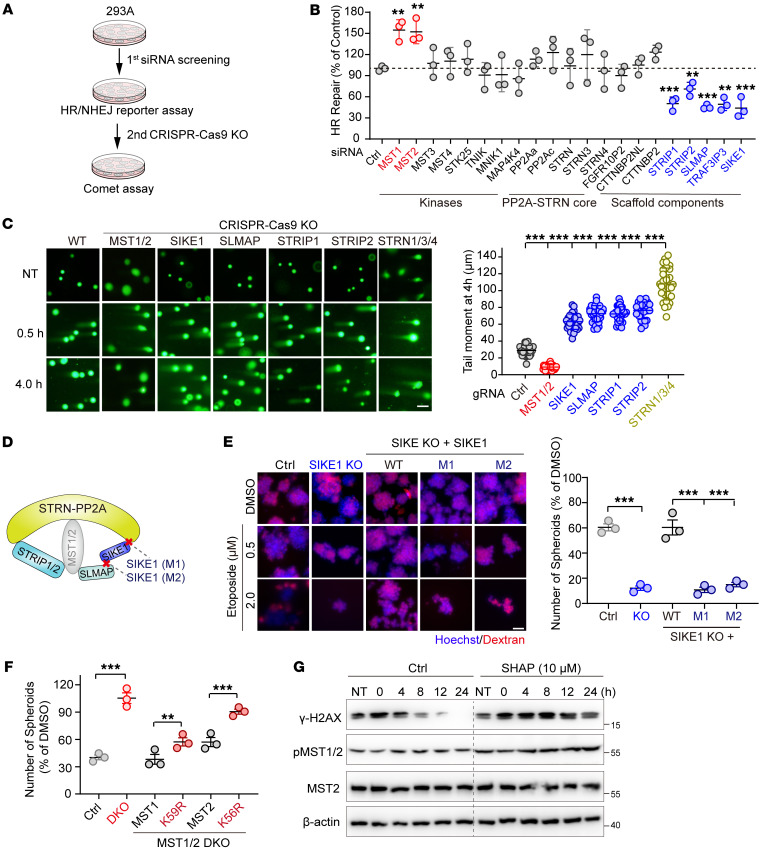
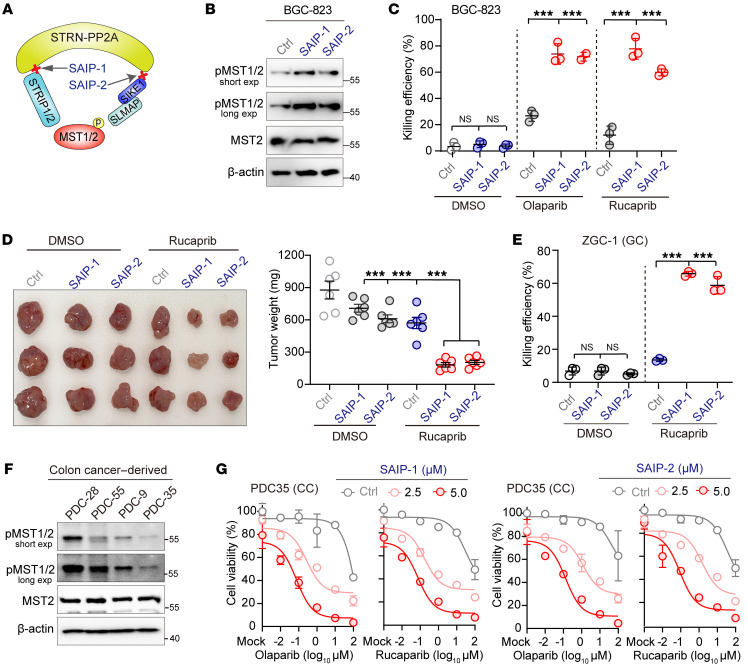
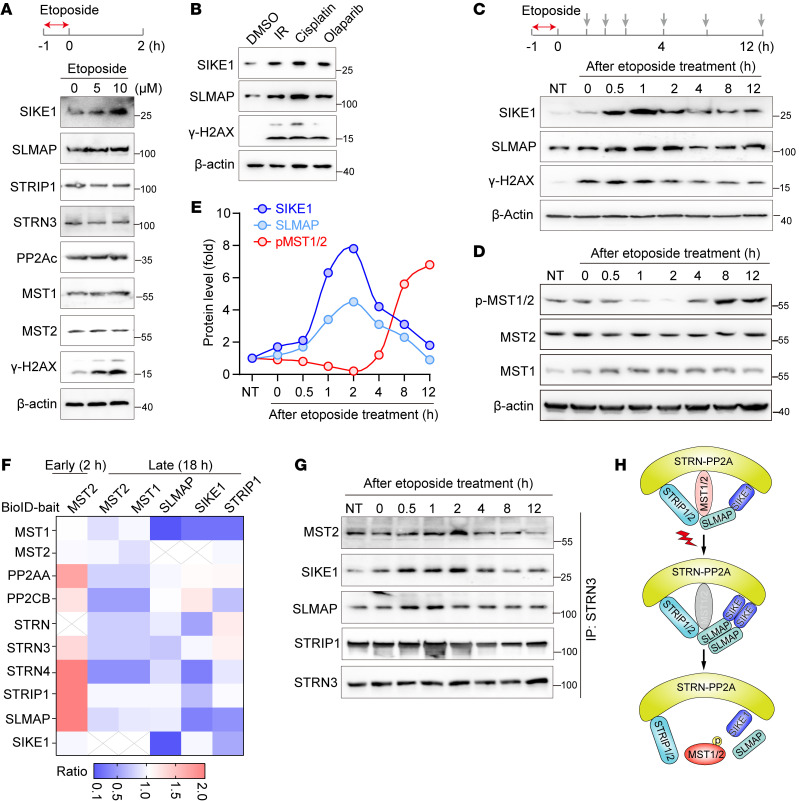
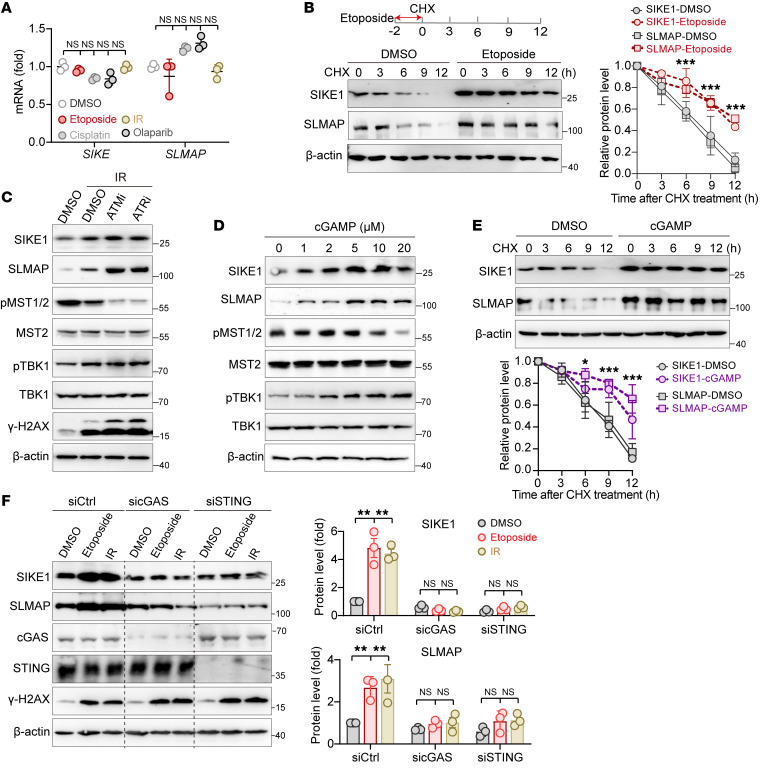
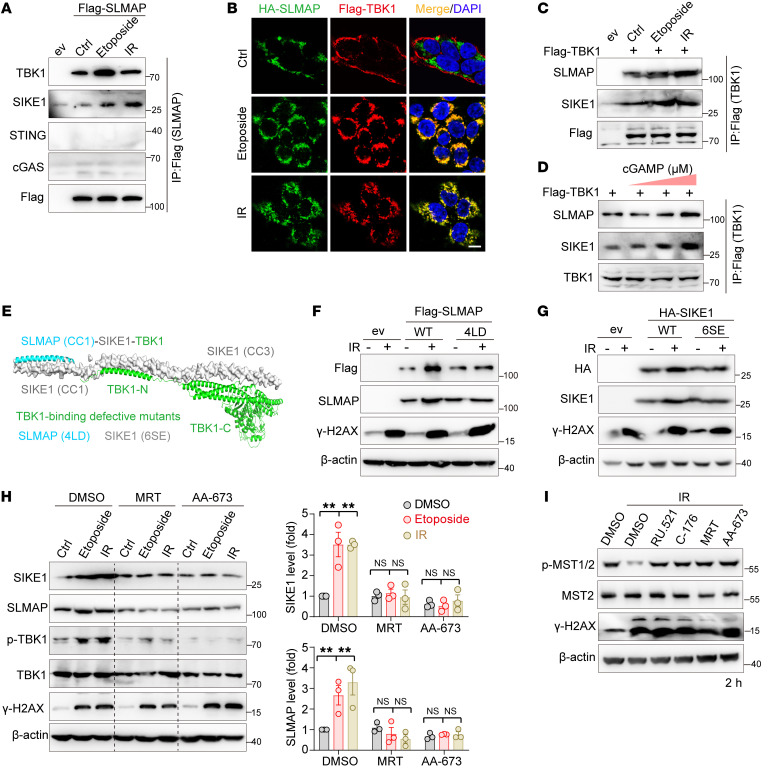
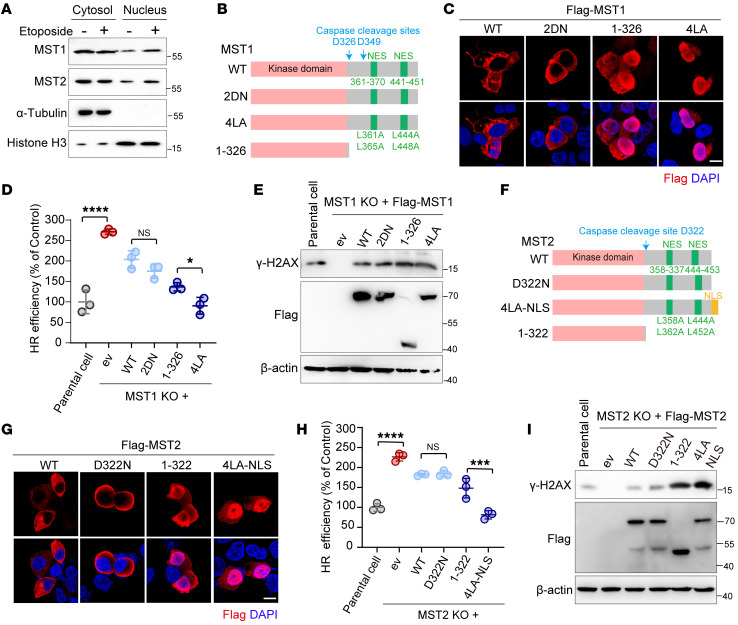
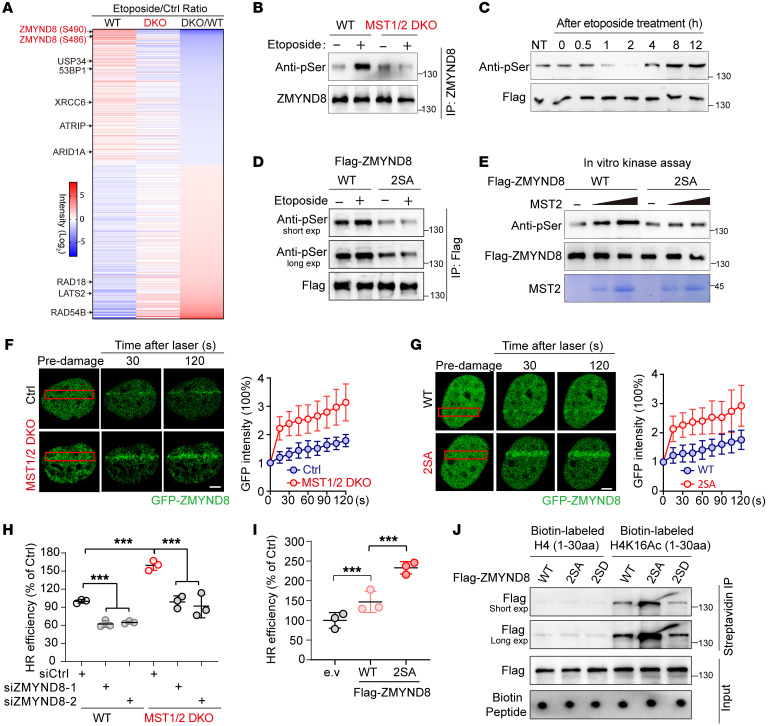
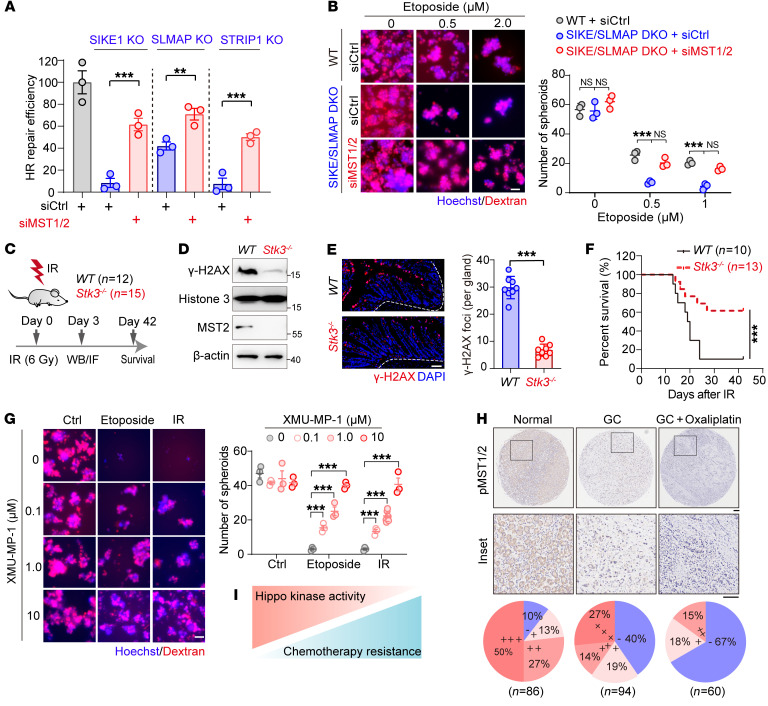
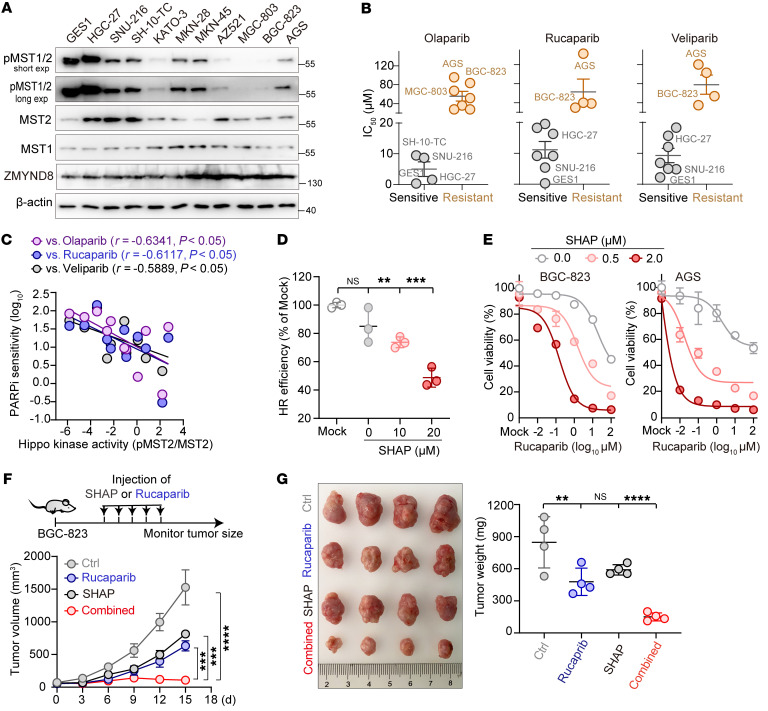
The striatin-interacting phosphatase and kinase (STRIPAK) complexes integrate extracellular stimuli that result in intracellular activities. Previously, we discovered that STRIPAK is a key machinery responsible for loss of the Hippo tumor suppressor signal in cancer. Here, we identified the Hippo-STRIPAK complex as an essential player in the control of DNA double-stranded break (DSB) repair and genomic stability. Specifically, we found that the mammalian STE20-like protein kinases 1 and 2 (MST1/2), independent of classical Hippo signaling, directly phosphorylated zinc finger MYND type-containing 8 (ZMYND8) and hence resulted in the suppression of DNA repair in the nucleus. In response to genotoxic stress, the cyclic GMP-AMP synthase/stimulator of IFN genes (cGAS/STING) pathway was determined to relay nuclear DNA damage signals to the dynamic assembly of Hippo-STRIPAK via TANK-binding kinase 1-induced (TBK1-induced) structural stabilization of the suppressor of IKBKE 1- sarcolemma membrane-associated protein (SIKE1-SLMAP) arm. As such, we found that STRIPAK-mediated MST1/2 inactivation increased the DSB repair capacity of cancer cells and endowed these cells with resistance to radio- and chemotherapy and poly(ADP-ribose)polymerase (PARP) inhibition. Importantly, targeting the STRIPAK assembly with each of 3 distinct peptide inhibitors efficiently recovered the kinase activity of MST1/2 to suppress DNA repair and resensitize cancer cells to PARP inhibitors in both animal- and patient-derived tumor models. Overall, our findings not only uncover what we believe to be a previously unrecognized role for STRIPAK in modulating DSB repair but also provide translational implications of cotargeting STRIPAK and PARP for a new type of synthetic lethality anticancer therapy.
striatin相互作用磷酸酶和激酶(STRIPAK)复合物整合细胞外刺激,从而引发细胞内活动。此前,我们发现STRIPAK是癌症中导致Hippo肿瘤抑制信号缺失的关键机制。在此,我们确定Hippo-STRIPAK复合物是控制DNA双链断裂(DSB)修复和基因组稳定性的重要参与者。具体而言,我们发现哺乳动物STE20样蛋白激酶1和2(MST1/2)独立于经典的Hippo信号通路,直接磷酸化含锌指MYND结构域8(ZMYND8),从而抑制细胞核中的DNA修复。在基因毒性应激反应中,环磷酸鸟苷-腺苷酸合成酶/干扰素基因刺激物(cGAS/STING)通路被确定为通过TANK结合激酶1诱导(TBK1诱导)的IKBKE抑制因子1-肌膜相关蛋白(SIKE1-SLMAP)臂的结构稳定,将核DNA损伤信号传递给Hippo-STRIPAK的动态组装。因此,我们发现STRIPAK介导的MST1/2失活增加了癌细胞的DSB修复能力,并赋予这些细胞对放疗、化疗和聚(ADP-核糖)聚合酶(PARP)抑制的抗性。重要的是,在动物和患者来源的肿瘤模型中,用3种不同的肽抑制剂靶向STRIPAK组装均能有效恢复MST1/2的激酶活性,以抑制DNA修复并使癌细胞对PARP抑制剂重新敏感。总体而言,我们的发现不仅揭示了STRIPAK在调节DSB修复中一个我们认为以前未被认识的作用,还为针对新型合成致死性抗癌疗法联合靶向STRIPAK和PARP提供了转化意义。