Meyer Cancer Center, Department of Medicine, Weill Cornell Medical College, New York, United States.
Department of Microbiology, New York University - Langone Health, New York, United States.
Elife. 2022 Mar 23;11:e77444. doi: 10.7554/eLife.77444.
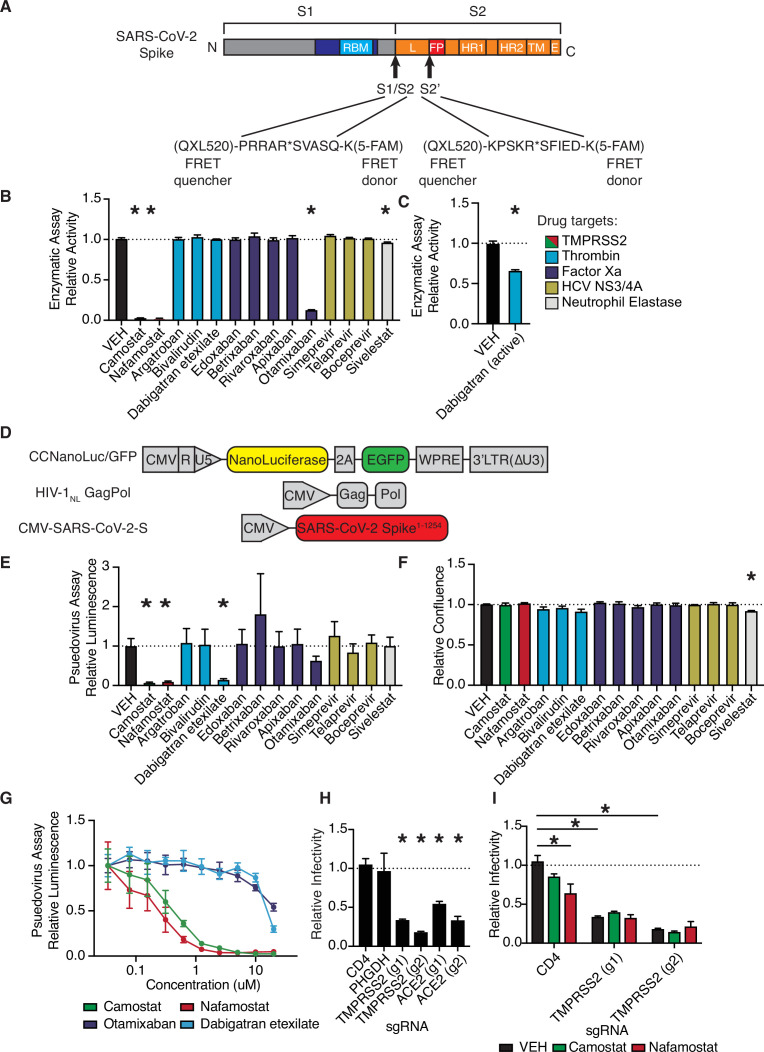
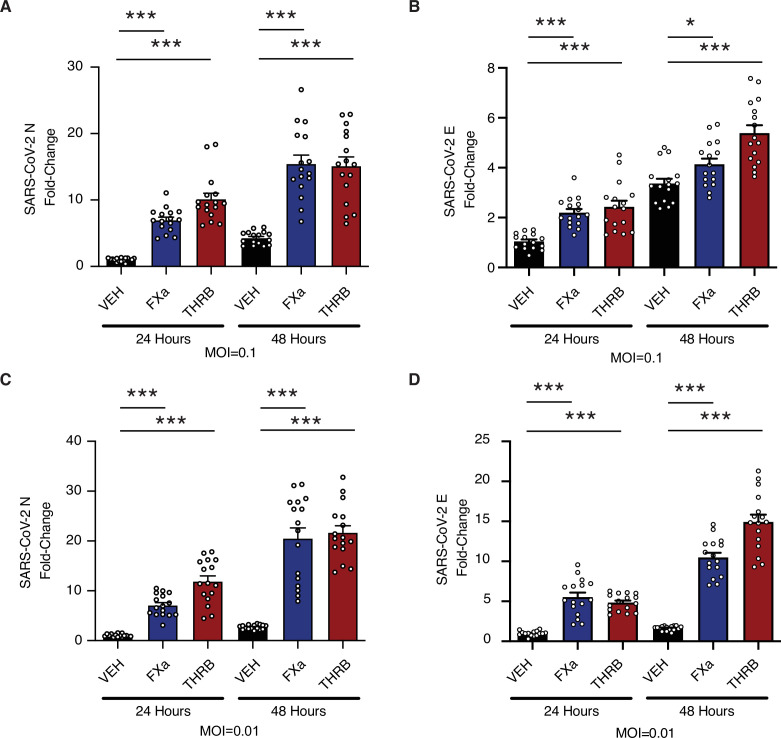
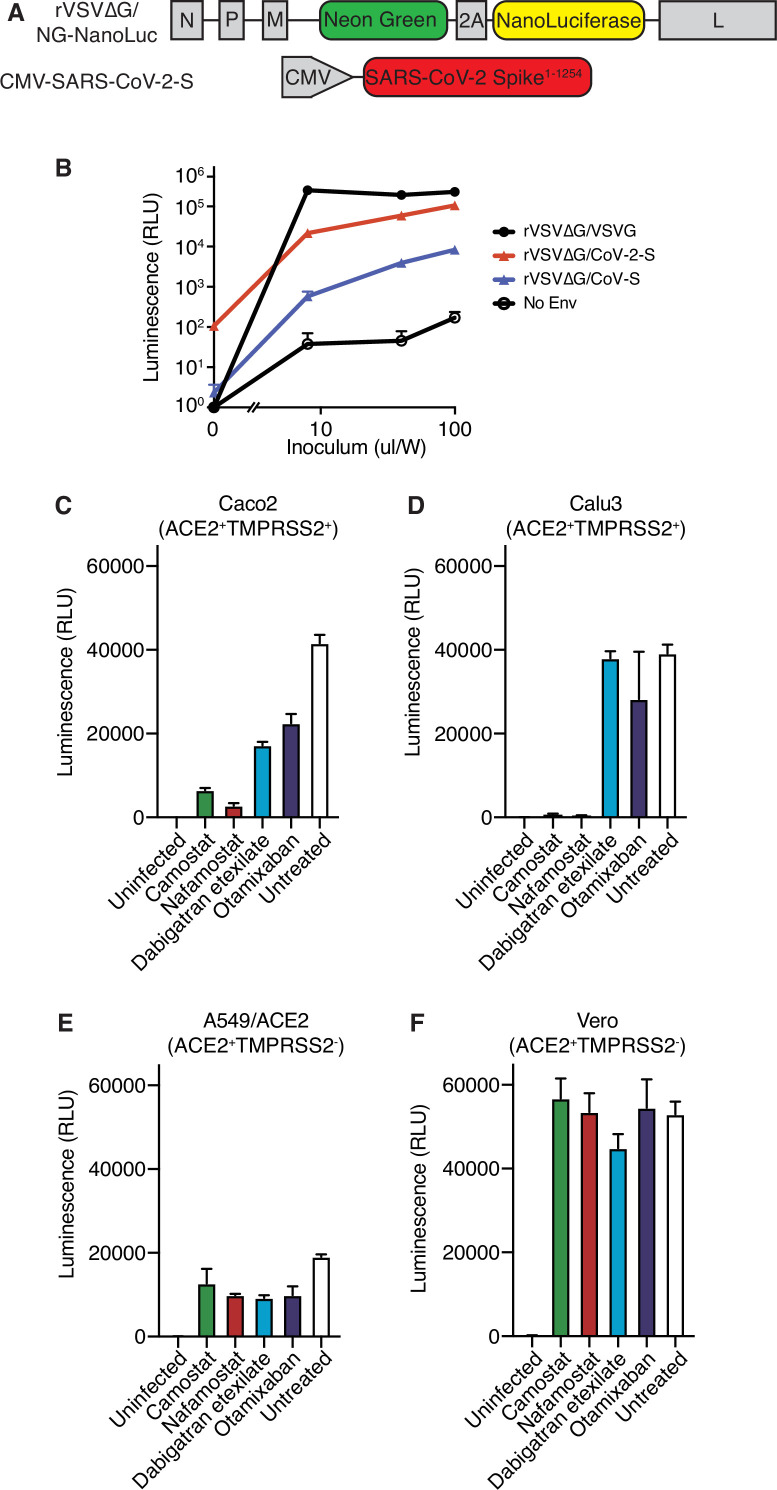
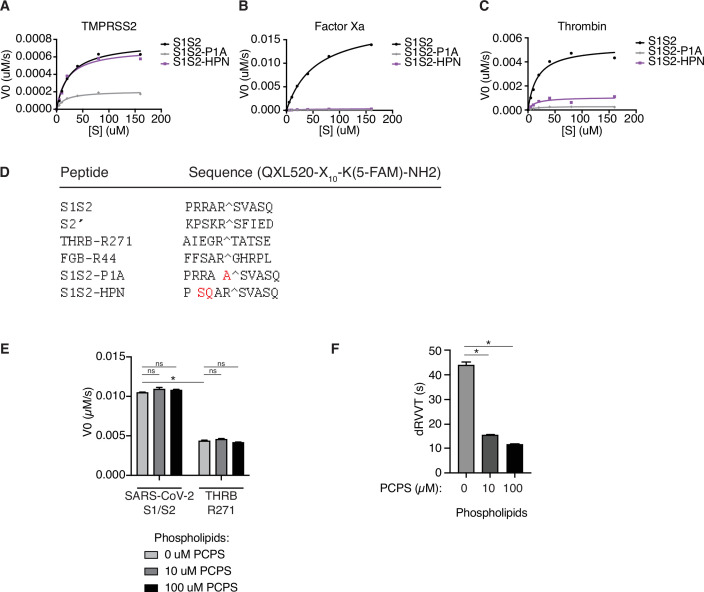
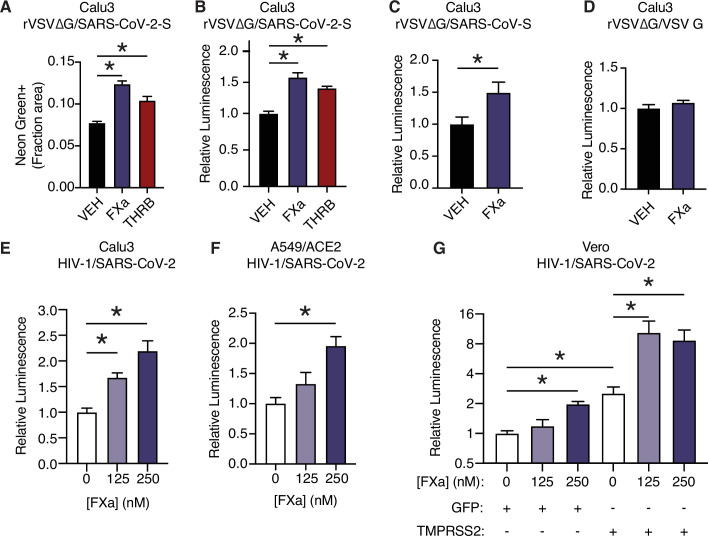
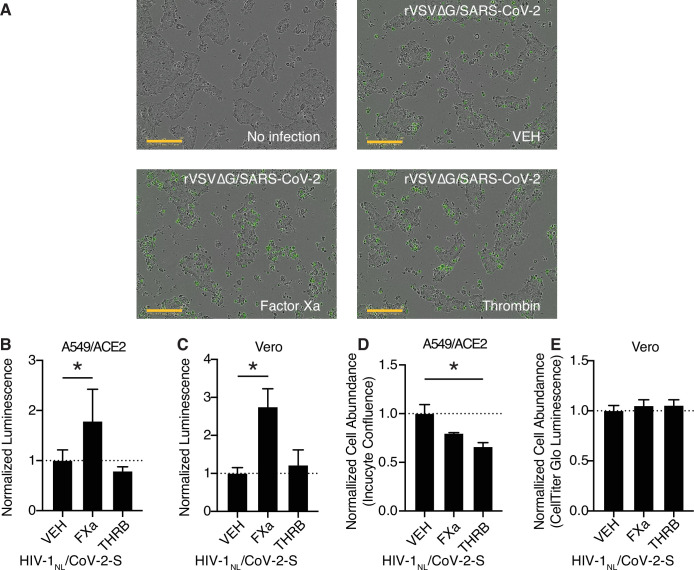
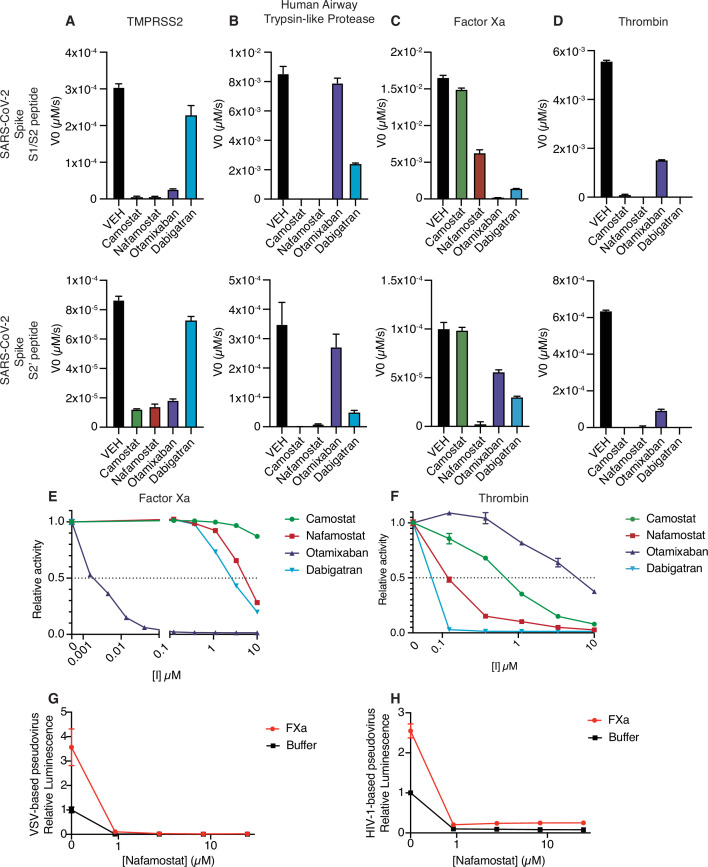
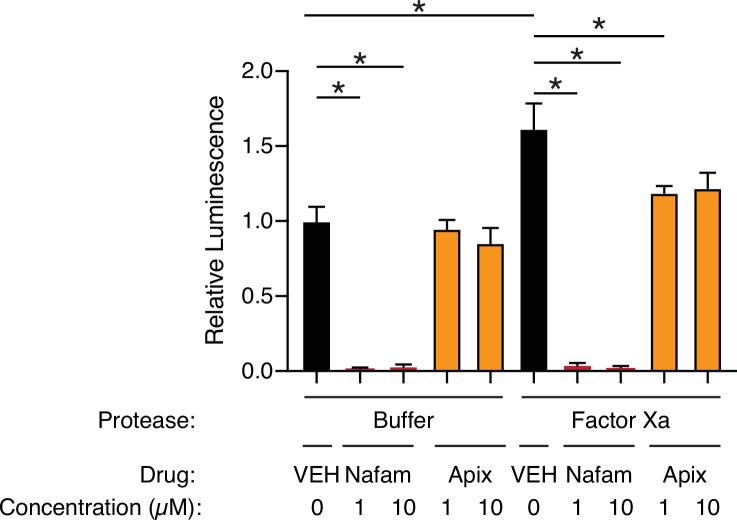
Coagulopathy is a significant aspect of morbidity in COVID-19 patients. The clotting cascade is propagated by a series of proteases, including factor Xa and thrombin. While certain host proteases, including TMPRSS2 and furin, are known to be important for cleavage activation of SARS-CoV-2 spike to promote viral entry in the respiratory tract, other proteases may also contribute. Using biochemical and cell-based assays, we demonstrate that factor Xa and thrombin can also directly cleave SARS-CoV-2 spike, enhancing infection at the stage of viral entry. Coagulation factors increased SARS-CoV-2 infection in human lung organoids. A drug-repurposing screen identified a subset of protease inhibitors that promiscuously inhibited spike cleavage by both transmembrane serine proteases and coagulation factors. The mechanism of the protease inhibitors nafamostat and camostat may extend beyond inhibition of TMPRSS2 to coagulation-induced spike cleavage. Anticoagulation is critical in the management of COVID-19, and early intervention could provide collateral benefit by suppressing SARS-CoV-2 viral entry. We propose a model of positive feedback whereby infection-induced hypercoagulation exacerbates SARS-CoV-2 infectivity.
凝血功能障碍是 COVID-19 患者发病的一个重要方面。凝血级联反应由一系列蛋白酶(包括因子 Xa 和凝血酶)引发。虽然某些宿主蛋白酶(包括 TMPRSS2 和弗林蛋白酶)已被证实对 SARS-CoV-2 刺突蛋白的切割激活至关重要,有助于病毒在呼吸道中的进入,但其他蛋白酶也可能起作用。通过生化和基于细胞的测定,我们证明因子 Xa 和凝血酶也可以直接切割 SARS-CoV-2 刺突蛋白,从而增强病毒进入阶段的感染。凝血因子增加了人肺类器官中 SARS-CoV-2 的感染。药物再利用筛选发现了一组蛋白酶抑制剂,它们可以同时抑制跨膜丝氨酸蛋白酶和凝血因子对刺突蛋白的切割。蛋白酶抑制剂那屈肝素和卡莫司他的作用机制可能不仅限于抑制 TMPRSS2,还可能抑制凝血诱导的刺突蛋白切割。抗凝在 COVID-19 的治疗中至关重要,早期干预可能通过抑制 SARS-CoV-2 病毒进入提供附带益处。我们提出了一个正反馈模型,即感染诱导的高凝状态会加剧 SARS-CoV-2 的感染性。