INSERM U1030, Gustave Roussy, Université Paris-Saclay, Villejuif, France.
Départment de Pathologie, Gustave Roussy, Villejuif, France.
J Immunother Cancer. 2022 Mar;10(3). doi: 10.1136/jitc-2021-003519.
Transforming growth factor-beta (TGFβ) can limit the efficacy of cancer treatments, including radiotherapy (RT), by inducing an immunosuppressive tumor environment. The association of TGFβ with impaired T cell infiltration and antitumor immunity is known, but the mechanisms by which TGFβ participates in immune cell exclusion and limits the efficacy of antitumor therapies warrant further investigations.
We used the clinically relevant TGFβ receptor 2 (TGFβR2)-neutralizing antibody MT1 and the small molecule TGFβR1 inhibitor LY3200882 and evaluated their efficacy in combination with RT against murine orthotopic models of head and neck and lung cancer.
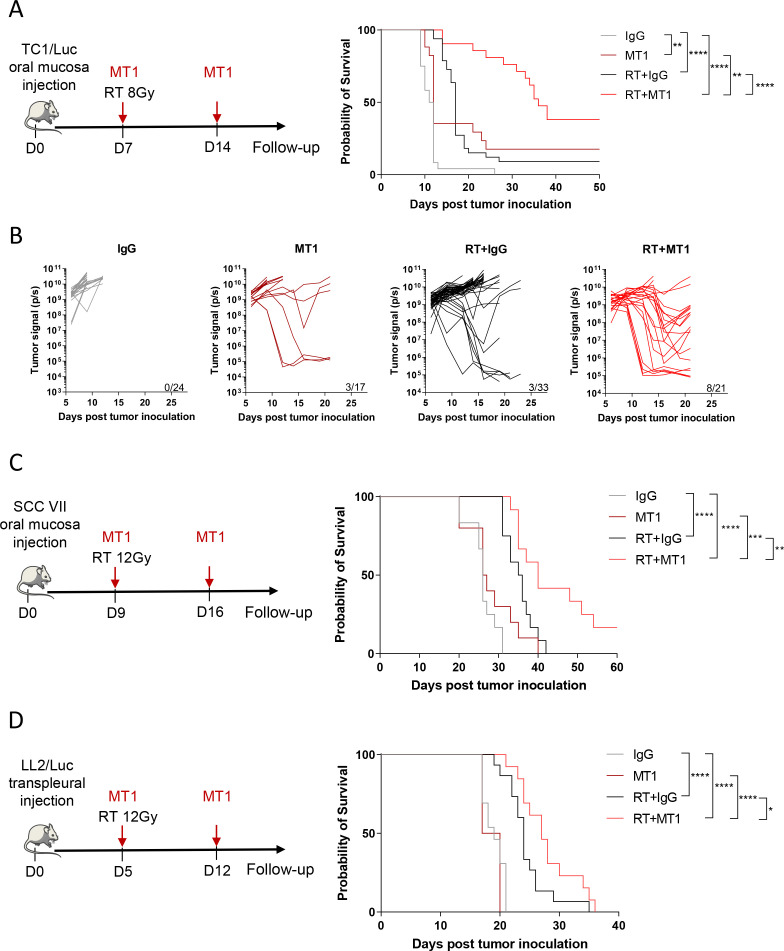
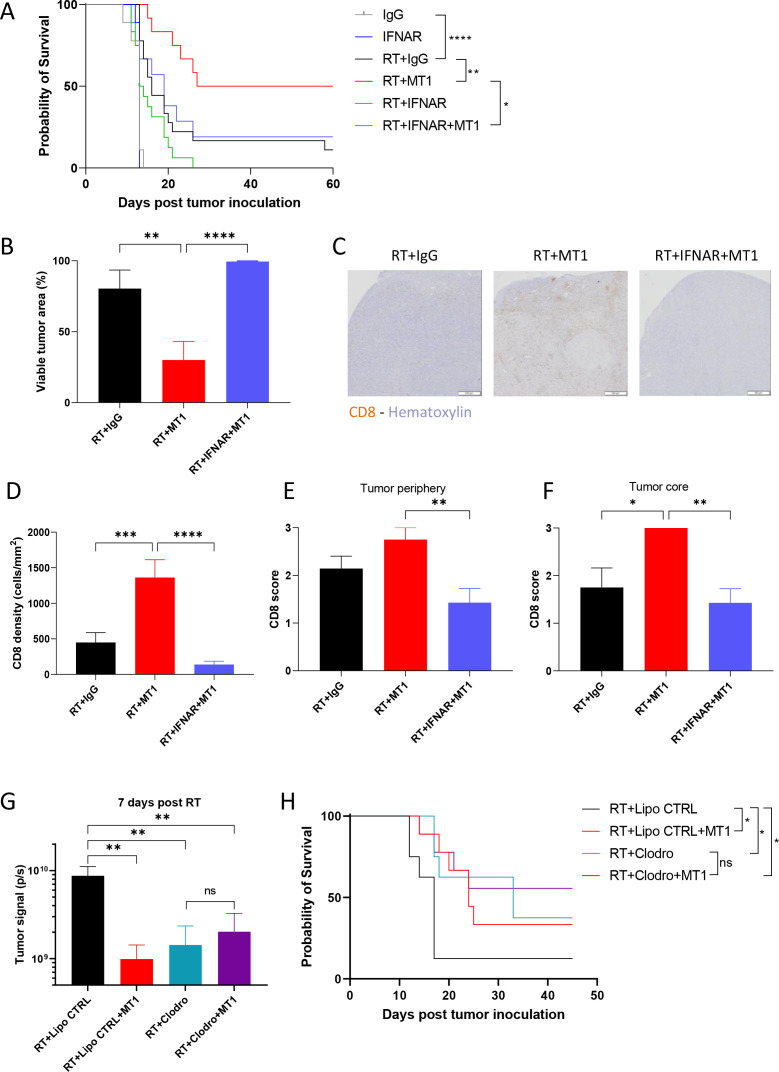
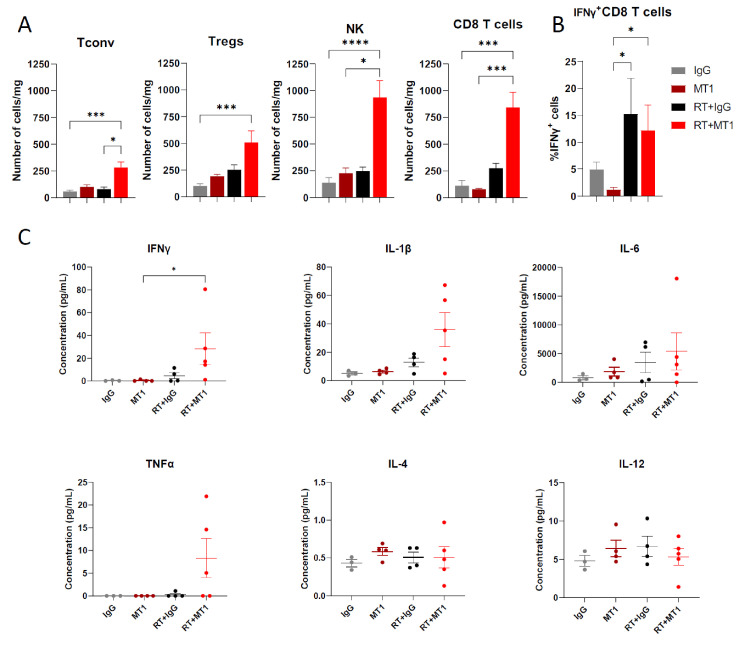
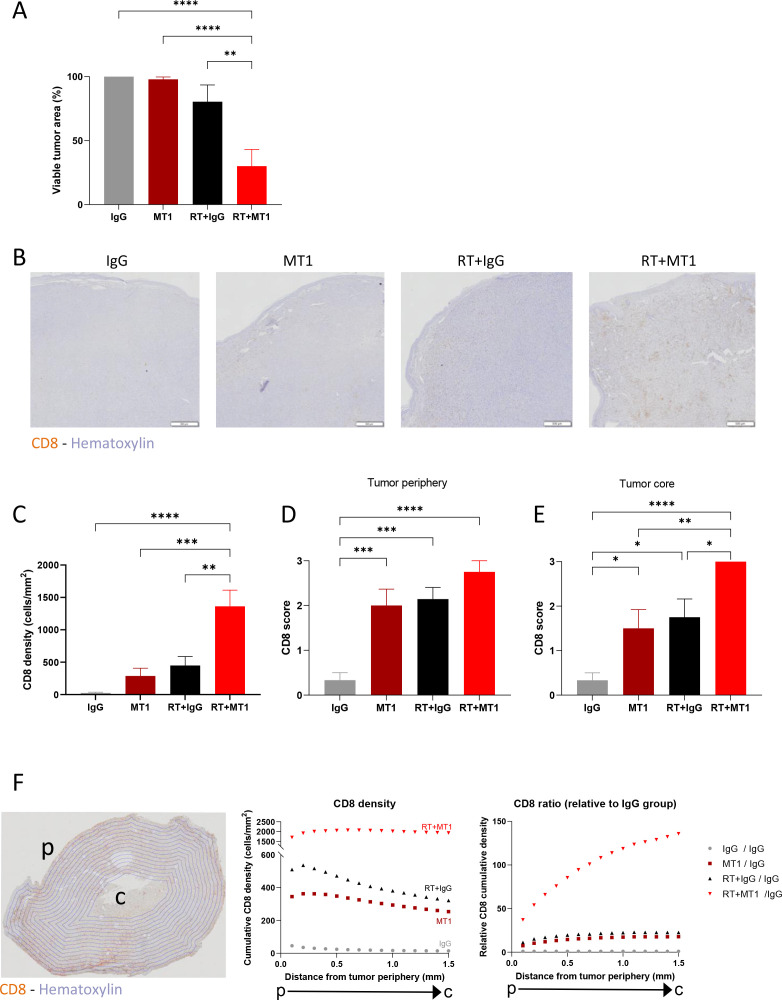
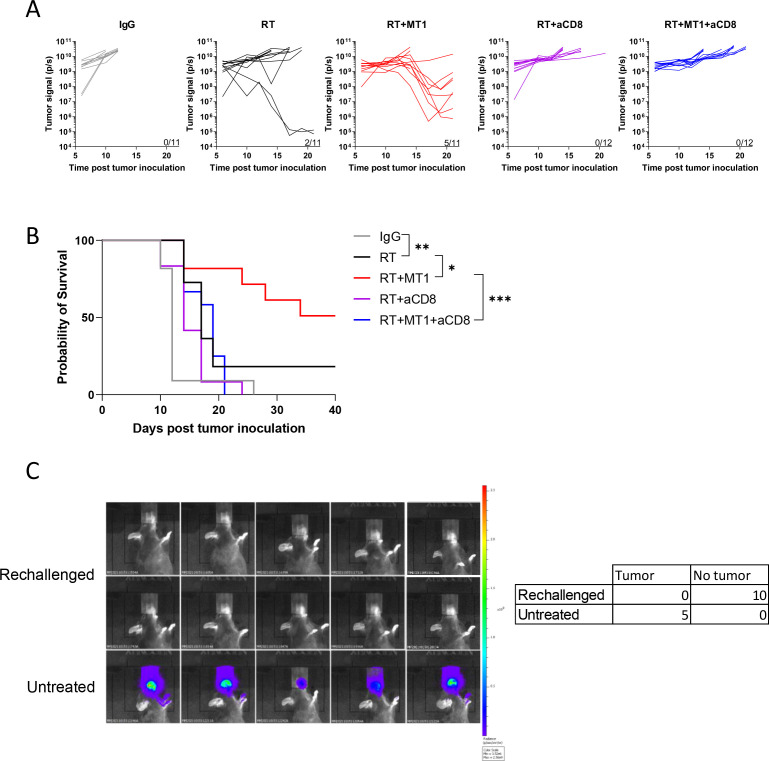
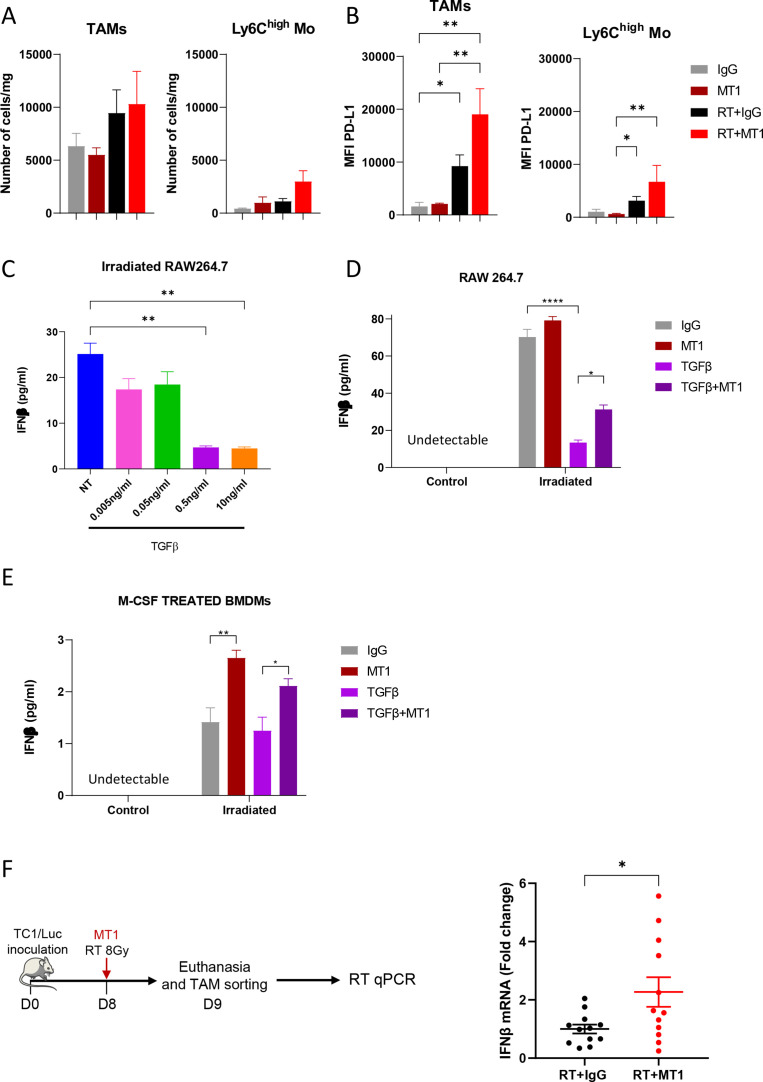
We demonstrated that TGFβ pathway inhibition strongly increased the efficacy of RT. TGFβR2 antibody upregulated interferon beta expression in tumor-associated macrophages within the irradiated tumors and favored T cell infiltration at the periphery and within the core of the tumor lesions. We highlighted that both the antitumor efficacy and the increased lymphocyte infiltration observed with the combination of MT1 and RT were dependent on type I interferon signaling.
These data shed new light on the role of TGFβ in limiting the efficacy of RT, identifying a novel mechanism involving the inhibition of macrophage-derived type I interferon production, and fostering the use of TGFβR inhibition in combination with RT in therapeutic strategies for the management of head and neck and lung cancer.
转化生长因子-β(TGFβ)可通过诱导免疫抑制性肿瘤微环境来限制癌症治疗(包括放疗(RT))的疗效。TGFβ与受损的 T 细胞浸润和抗肿瘤免疫之间的关联是已知的,但 TGFβ 参与免疫细胞排斥和限制抗肿瘤疗法疗效的机制需要进一步研究。
我们使用临床相关的 TGFβ 受体 2(TGFβR2)中和抗体 MT1 和小分子 TGFβR1 抑制剂 LY3200882,并评估它们与 RT 联合治疗头颈部和肺癌的小鼠原位模型的疗效。
我们证明 TGFβ 通路抑制可显著增强 RT 的疗效。TGFβR2 抗体上调了辐照肿瘤中肿瘤相关巨噬细胞中的干扰素β表达,并有利于 T 细胞在肿瘤病变的外围和核心内浸润。我们强调,MT1 和 RT 联合使用观察到的抗肿瘤疗效和增加的淋巴细胞浸润都依赖于 I 型干扰素信号。
这些数据揭示了 TGFβ 在限制 RT 疗效方面的新作用,确定了一种新的机制,涉及抑制巨噬细胞来源的 I 型干扰素产生,并促进 TGFβR 抑制与 RT 联合用于头颈部和肺癌的治疗策略。