School of Public Health and Preventive Medicine, Faculty of Medicine, Nursing and Health Sciences, Monash University, Melbourne, Victoria, Australia.
Department of Respiratory Medicine, The Alfred Hospital, Prahran, Victoria, Australia.
Respirology. 2022 Jun;27(6):387-398. doi: 10.1111/resp.14242. Epub 2022 Mar 18.
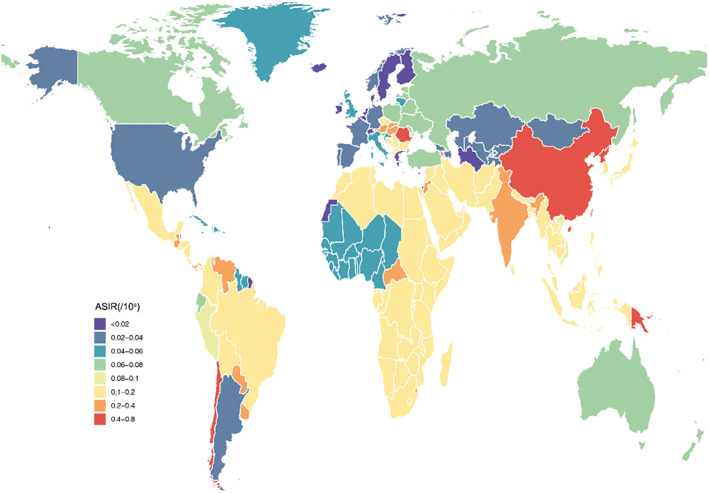
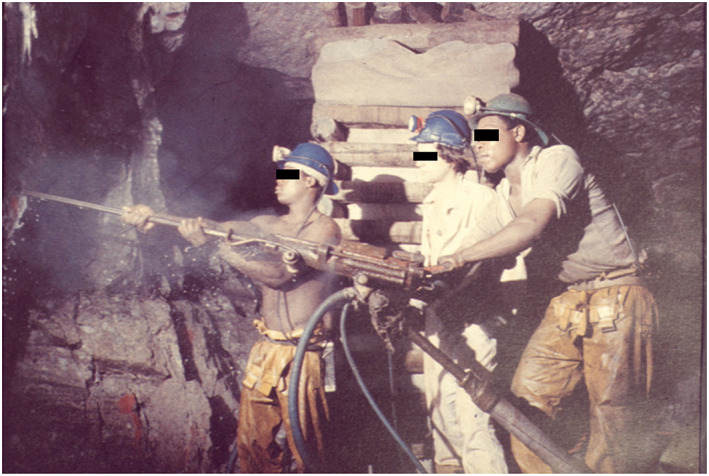
Silicosis not a disease of the past. It is an irreversible, fibrotic lung disease specifically caused by exposure to respirable crystalline silica (RCS) dust. Over 20,000 incident cases of silicosis were identified in 2017 and millions of workers continue to be exposed to RCS. Identified case numbers are however a substantial underestimation due to deficiencies in reporting systems and occupational respiratory health surveillance programmes in many countries. Insecure workers, immigrants and workers in small businesses are at particular risk of more intense RCS exposure. Much of the focus of research and prevention activities has been on the mining sector. Hazardous RCS exposure however occurs in a wide range of occupational setting which receive less attention, in particular the construction industry. Recent outbreaks of silicosis associated with the fabrication of domestic kitchen benchtops from high-silica content artificial stone have been particularly notable because of the young age of affected workers, short duration of RCS exposure and often rapid disease progression. Developments in nanotechnology and hydraulic fracking provide further examples of how rapid changes in technology and industrial processes require governments to maintain constant vigilance to identify and control potential sources of RCS exposure. Despite countries around the world dealing with similar issues related to RCS exposure, there is an absence of sustained global public health response including lack of consensus of an occupational exposure limit that would provide protection to workers. Although there are complex challenges, global elimination of silicosis must remain the goal.
矽肺不是过去的疾病。它是一种由可吸入结晶二氧化硅(RCS)粉尘引起的不可逆转的纤维性肺部疾病。2017 年发现了超过 20000 例矽肺新发病例,数以百万计的工人仍在接触 RCS。然而,由于许多国家报告系统和职业性呼吸道健康监测计划存在缺陷,所确定的病例数只是一个很大的低估。无保障的工人、移民和小企业的工人面临着更强烈的 RCS 暴露的特别风险。研究和预防活动的重点大多集中在采矿业。然而,在许多受到较少关注的职业环境中,也存在着危险的 RCS 暴露,特别是在建筑行业。最近与使用高硅含量人造石制作家用厨房台面有关的矽肺爆发尤其引人注目,因为受影响的工人年龄较小、RCS 暴露时间短且疾病进展通常很快。纳米技术和水力压裂的发展进一步说明了技术和工业过程的快速变化如何要求各国保持警惕,以确定和控制潜在的 RCS 暴露源。尽管世界各国都在处理与 RCS 暴露相关的类似问题,但缺乏持续的全球公共卫生应对措施,包括缺乏对工人提供保护的职业性接触限值的共识。尽管存在复杂的挑战,但全球消除矽肺仍必须是目标。