Department of Plant Biochemistry, Albrecht-von-Haller-Institute for Plant Sciences and Göttingen Center for Molecular Biosciences (GZMB), University of Göttingen, Göttingen 37077, Germany.
Service Unit for Metabolomics and Lipidomics, Göttingen Center for Molecular Biosciences (GZMB), University of Göttingen, Göttingen 37077, Germany.
Plant Physiol. 2022 Jun 1;189(2):490-515. doi: 10.1093/plphys/kiac127.
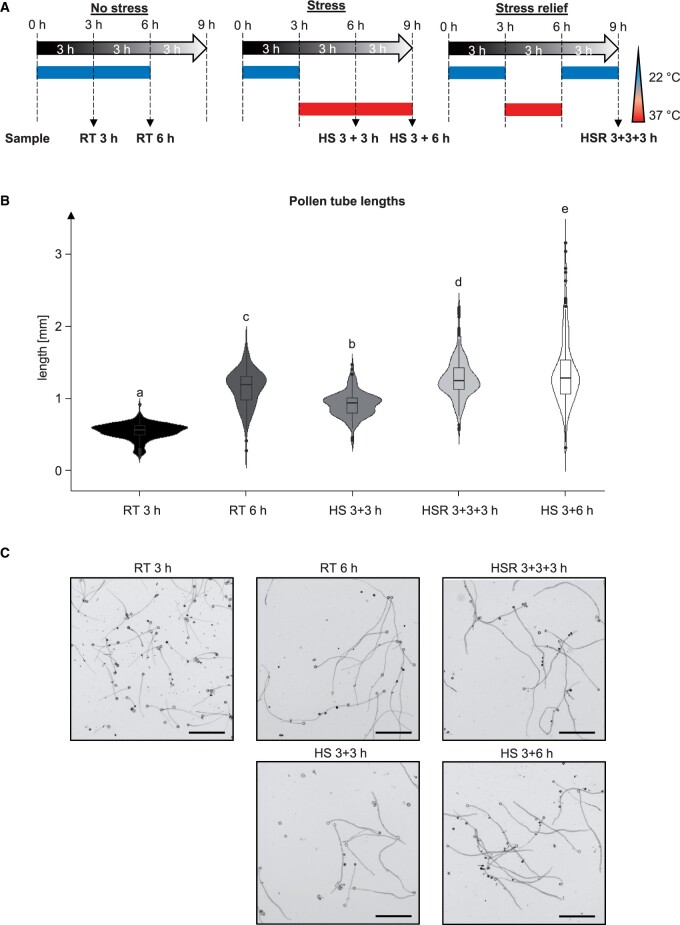
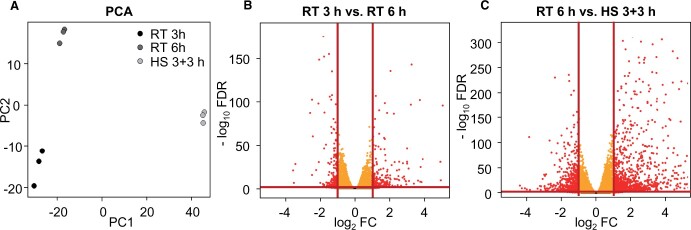
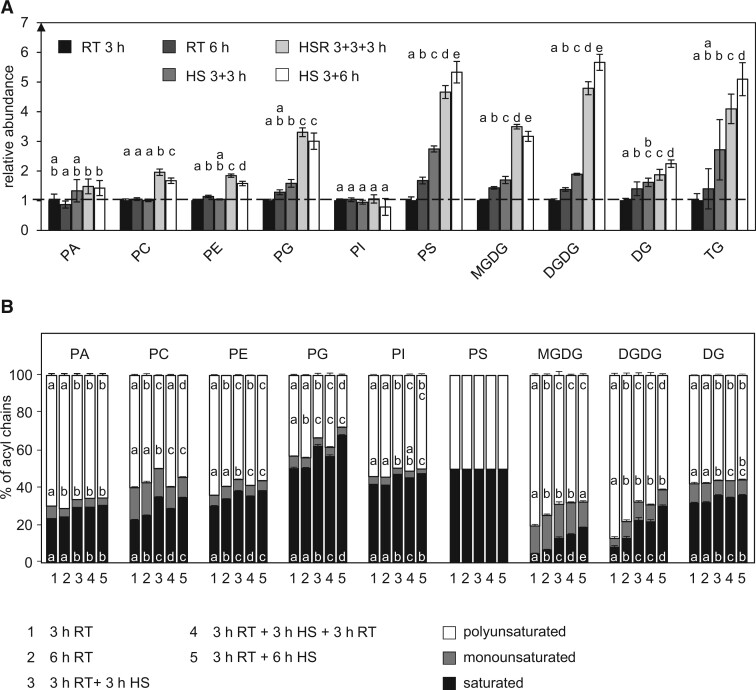
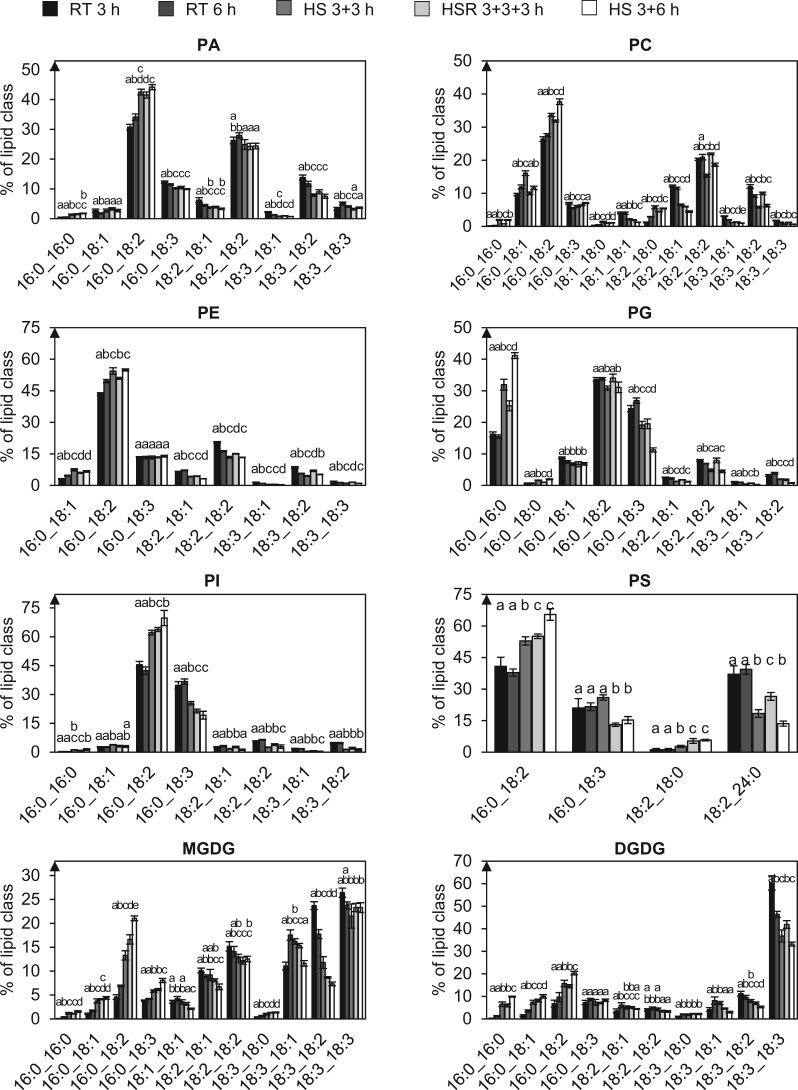
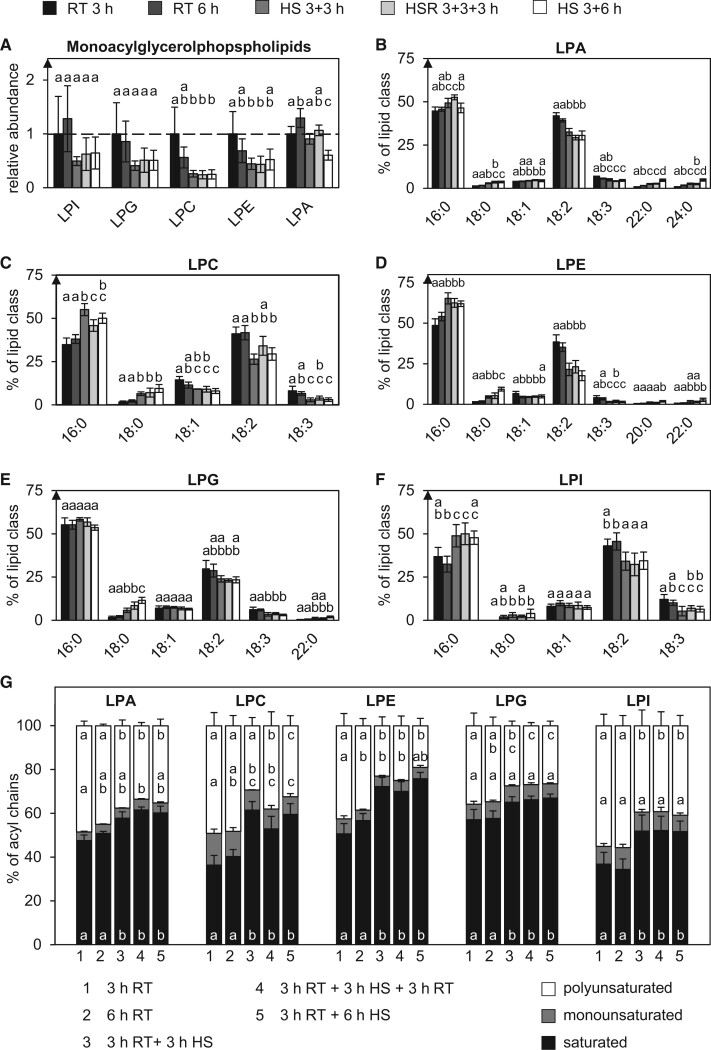
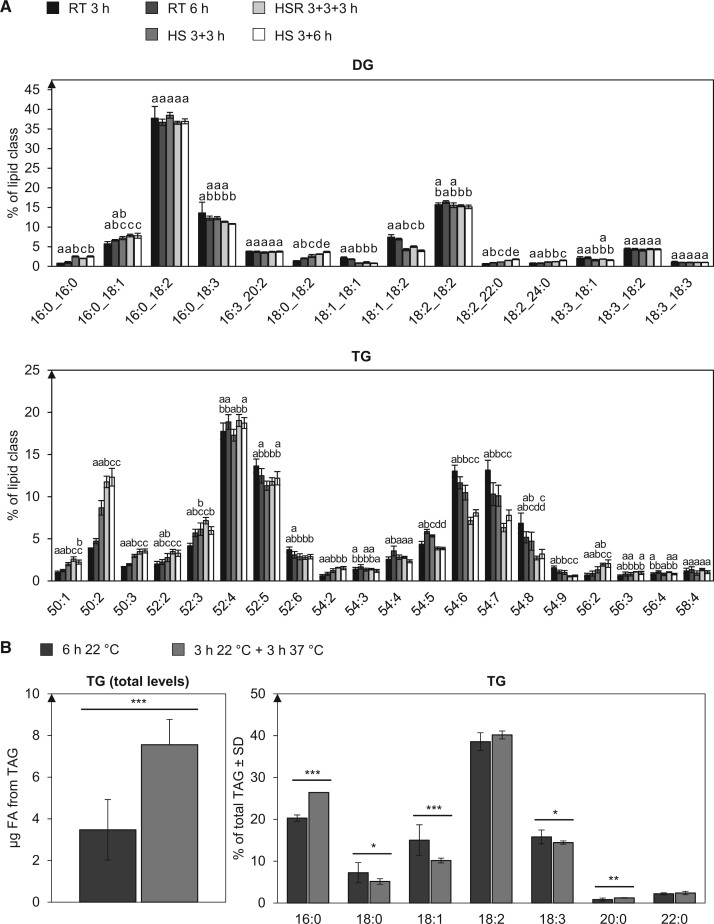
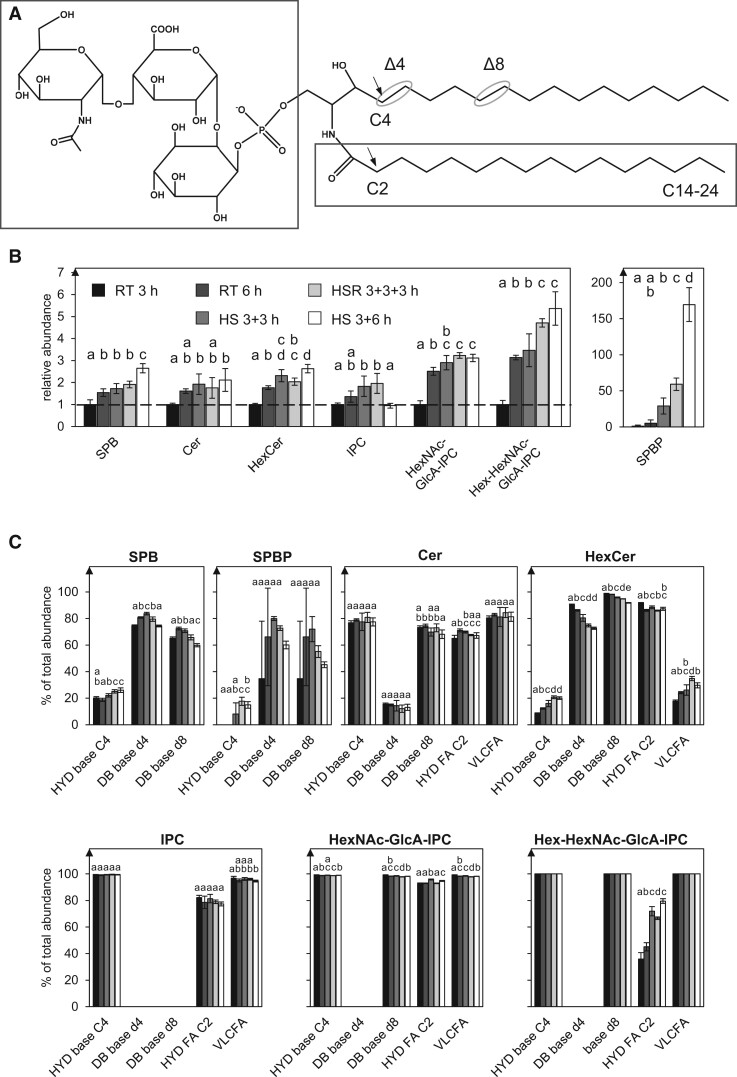
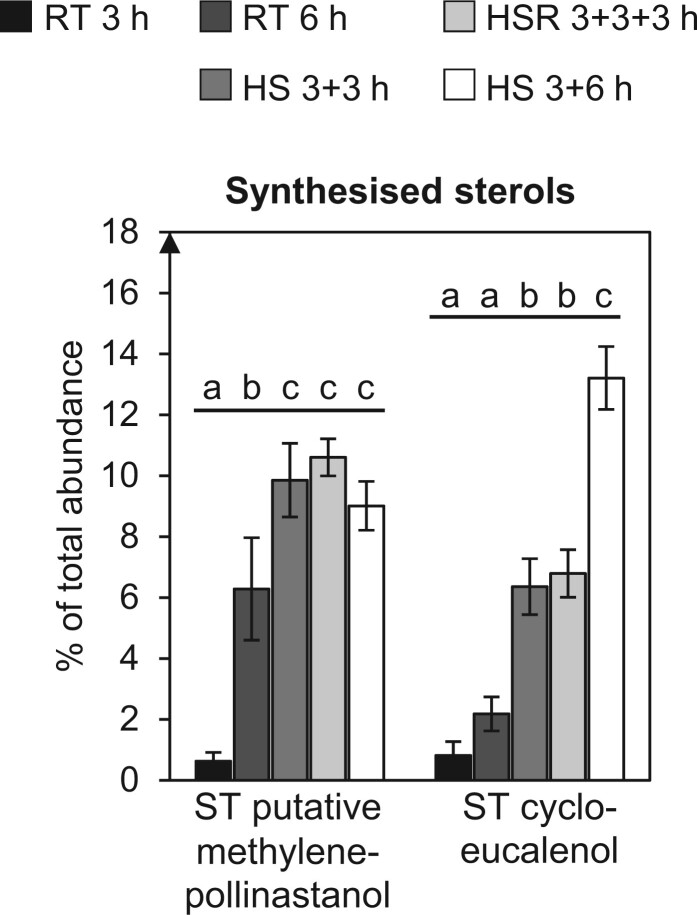
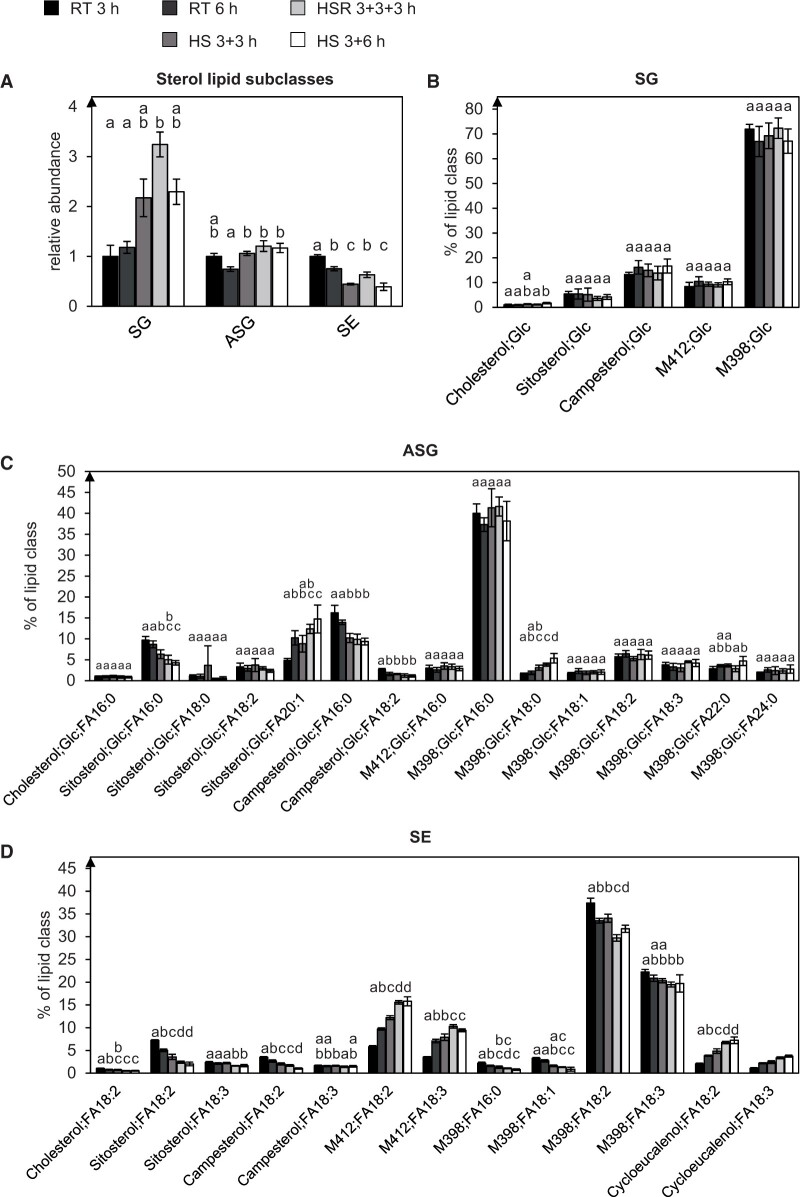
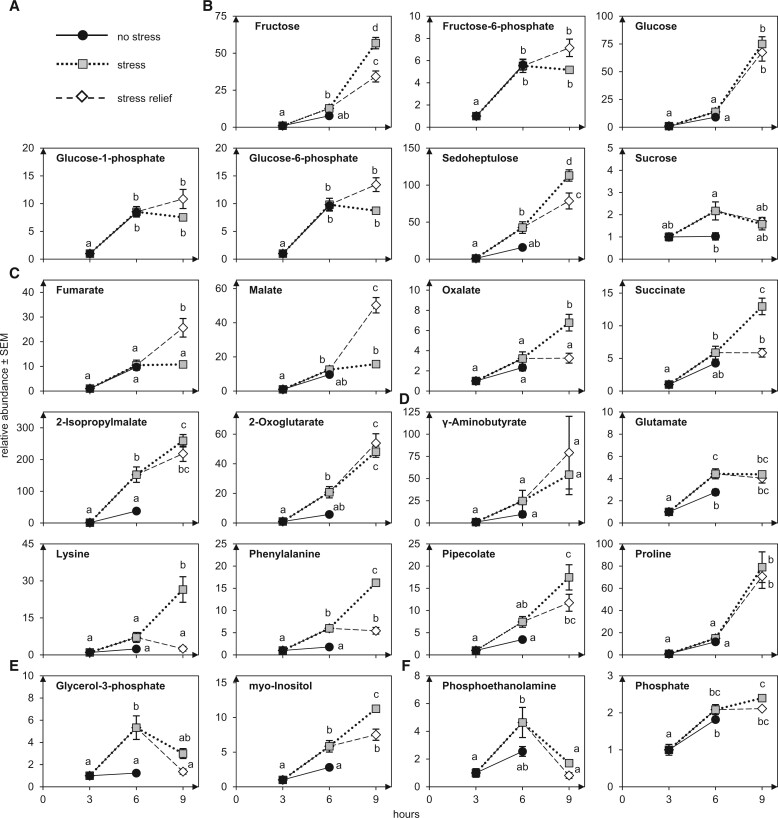
After reaching the stigma, pollen grains germinate and form a pollen tube that transports the sperm cells to the ovule. Due to selection pressure between pollen tubes, pollen grains likely evolved mechanisms to quickly adapt to temperature changes to sustain elongation at the highest possible rate. We investigated these adaptions in tobacco (Nicotiana tabacum) pollen tubes grown in vitro under 22°C and 37°C by a multi-omics approach including lipidomic, metabolomic, and transcriptomic analysis. Both glycerophospholipids and galactoglycerolipids increased in saturated acyl chains under heat stress (HS), while triacylglycerols (TGs) changed less in respect to desaturation but increased in abundance. Free sterol composition was altered, and sterol ester levels decreased. The levels of sterylglycosides and several sphingolipid classes and species were augmented. Most amino acid levels increased during HS, including the noncodogenic amino acids γ-amino butyrate and pipecolate. Furthermore, the sugars sedoheptulose and sucrose showed higher levels. Also, the transcriptome underwent pronounced changes with 1,570 of 24,013 genes being differentially upregulated and 813 being downregulated. Transcripts coding for heat shock proteins and many transcriptional regulators were most strongly upregulated but also transcripts that have so far not been linked to HS. Transcripts involved in TG synthesis increased, while the modulation of acyl chain desaturation seemed not to be transcriptionally controlled, indicating other means of regulation. In conclusion, we show that tobacco pollen tubes are able to rapidly remodel their lipidome under HS likely by post-transcriptional and/or post-translational regulation.
花粉粒到达柱头后,会发芽形成花粉管,将精子细胞输送到胚珠。由于花粉管之间存在选择压力,花粉粒可能进化出了快速适应温度变化的机制,以维持尽可能高的伸长速度。我们通过包括脂质组学、代谢组学和转录组学分析在内的多组学方法,研究了在 22°C 和 37°C 下体外生长的烟草(Nicotiana tabacum)花粉管中的这些适应机制。在热应激(HS)下,甘油磷脂和半乳糖甘油酯的饱和酰基链增加,而三酰基甘油(TGs)的饱和度变化较小,但丰度增加。游离甾醇组成发生改变,甾醇酯水平降低。甾基糖苷和几种鞘脂类和种类的水平增加。大多数氨基酸水平在 HS 期间升高,包括非编码氨基酸γ-氨基丁酸和哌可酸。此外,还出现了更高水平的庚酮糖和蔗糖。此外,转录组也发生了显著变化,24013 个基因中有 1570 个基因上调,813 个基因下调。热休克蛋白和许多转录因子的编码转录本上调最为明显,但也有一些转录本目前与 HS 没有联系。参与 TG 合成的转录本增加,而酰基链去饱和似乎不受转录调控,表明存在其他调控方式。总之,我们表明,烟草花粉管能够在热应激下快速重塑其脂类组,可能通过转录后和/或翻译后调控。